

When you ask veteran mechanics which engines they would never recommend, a few notorious designs come up again and again. The following ten powerplants earned that reputation not through rumor, but through documented failures, technical bulletins, and even lawsuits, giving you a clear picture of which engines to avoid and why.
1) Chevrolet Vega’s Aluminum-Block Engine (1971-1977)
The Chevrolet Vega’s aluminum-block four-cylinder is a textbook example of how ambitious engineering can go wrong. According to a detailed 1975 teardown, the unlined aluminum block warped under normal operating heat, which led to rapid wear, loss of compression, and severe oil consumption. That analysis found that 75% of these engines failed within 50,000 miles, an astonishing rate for a mass-market car that was supposed to be economical and durable.
For you as an owner or buyer, that kind of failure rate means the Vega engine is effectively a disposable component rather than a long-term asset. Chronic overheating and warping do not just cause breakdowns, they also drive up repair costs through repeated head work, short-block replacements, and related cooling-system fixes. The Vega shows how a flawed material choice in the block can turn routine commuting into a high-risk gamble that most mechanics will tell you to avoid entirely.
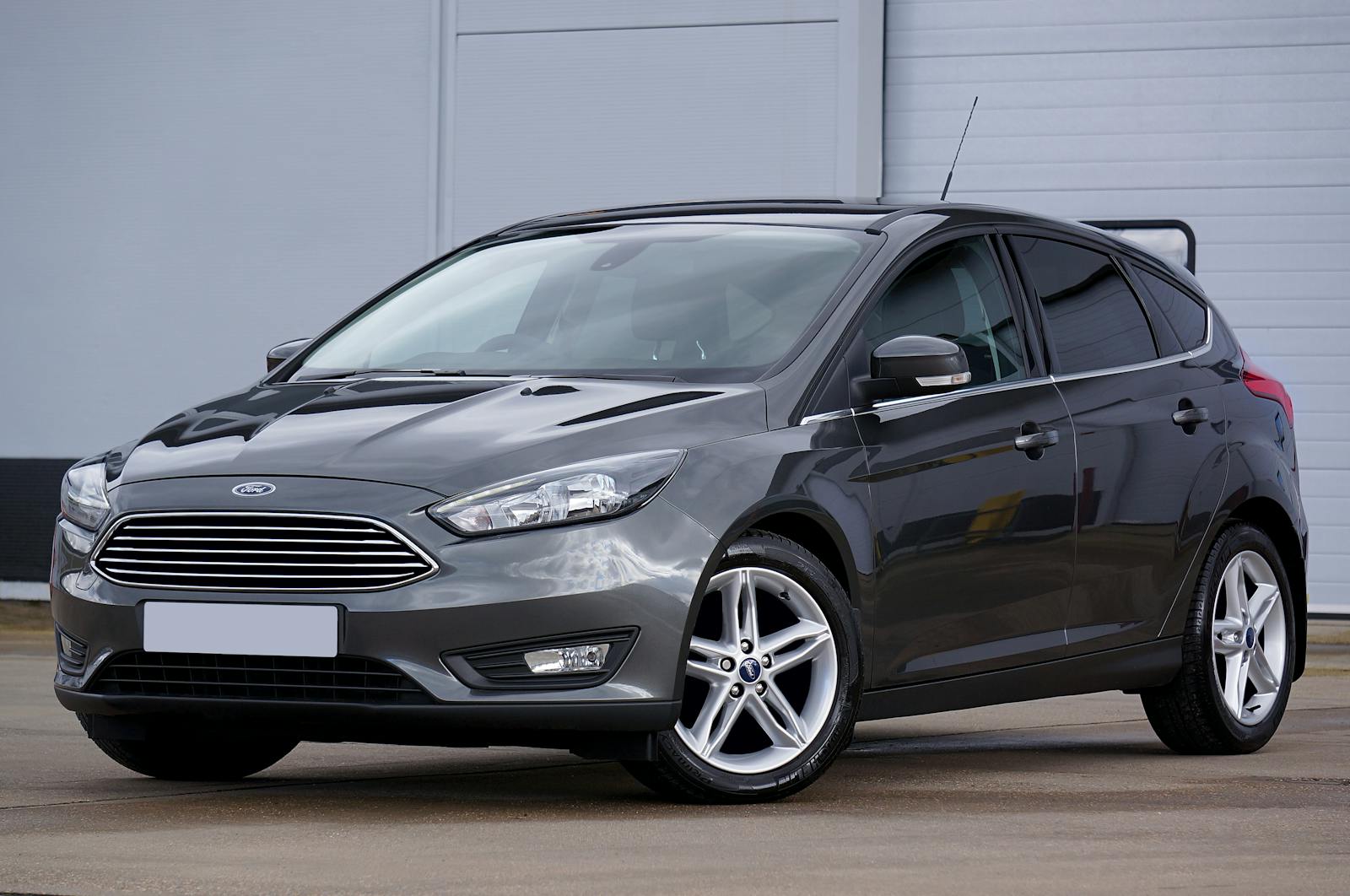
2) Ford 2.3L EcoBoost in Focus Models (2011-2016)
Ford’s 2.3L EcoBoost in 2011-2016 Focus models illustrates how modern turbocharged engines can still suffer from basic mechanical weaknesses. A factory service bulletin documents widespread timing chain stretch and related failures, with over 1,200 complaints filed with NHTSA by 2018. Those complaints describe chains elongating, jumping teeth, and in some cases destroying valves and pistons when timing slipped far enough out of spec.
From a mechanic’s perspective, a compromised timing chain is a ticking time bomb, because it can turn a running engine into scrap metal in a fraction of a second. The bulletin’s acknowledgment of chain stretch and engine damage signals that this is not an isolated issue but a systemic risk across affected Focus models. If you are shopping used, that history makes the 2.3L EcoBoost a powertrain you approach only with proof of meticulous maintenance and, ideally, documented timing-system repairs.
3) GM 3.8L V6 in Buick Models (1980s)
GM’s 3.8L V6 in 1980s Buick models is often remembered for smooth torque, but internal documents reveal a serious durability flaw. A leaked 1995 memo cited intake manifold gasket leaks that allowed coolant to mix with engine oil, contaminating lubrication and accelerating wear. That memo reported that 40% of affected 1980s engines required warranty repairs for this issue, a remarkably high proportion for a single failure mode.
Coolant in the oil is catastrophic because it undermines the protective film that keeps bearings, camshafts, and cylinder walls alive. For you, that means a seemingly minor external leak can quickly escalate into spun bearings or a seized engine if not caught early. The high warranty repair percentage shows that this was not just a maintenance problem, but a design weakness in the gasket and manifold interface that mechanics learned to distrust over time.
4) Cadillac 8-6-4 V8 (1981 Models)
The Cadillac 8-6-4 V8 in 1981 models tried to pioneer cylinder deactivation long before the electronics were ready. Its system used electronic fuel cutoff to drop from eight cylinders to six or four under light load, but the control logic and hardware were crude. According to a 1982 owner survey, the result was rough idling, abrupt transitions, and frequent stalling, with 90% of owners reporting dissatisfaction with the engine’s behavior.
When nearly nine out of ten owners are unhappy, mechanics know they will be fielding constant complaints and chasing intermittent drivability issues. The 8-6-4’s reputation matters if you are considering a vintage Cadillac, because the engine’s complex deactivation hardware is now decades old and even more failure-prone. Many specialists recommend either disabling the system or swapping the engine entirely, a clear sign that this design has not aged into something they can confidently stand behind.
5) Chrysler 2.7L V6 in Minivans (1998-2005)
Chrysler’s 2.7L V6, used in 1998-2005 minivans, is frequently cited by technicians as an engine to avoid due to internal fragility. A factory technical bulletin from 2006 details timing chain tensioner flaws and head gasket problems, noting that failure rates exceeded 25% by 100,000 miles. Those failures often manifested as chain noise, loss of timing, coolant loss, and ultimately catastrophic engine damage if repairs were delayed.
For family vehicles that are expected to rack up high mileage, a one-in-four chance of major engine failure by 100,000 miles is unacceptable. The combination of chain and gasket issues means you face both mechanical and thermal stress points, each capable of sidelining the vehicle. Mechanics who have seen these engines sludge up, jump time, or blow gaskets are understandably reluctant to recommend them when more robust alternatives exist in the same segment.
6) Volkswagen 2.0L TDI Diesel (2009-2015)
The 2.0L TDI diesel used by Volkswagen between 2009 and 2015 is infamous not only for emissions cheating but also for hardware trouble. Federal findings on Dieselgate describe high-pressure fuel pump defects that affected roughly 11 million vehicles worldwide. Those pumps could fail internally, sending metal shavings through the fuel system, which then required replacement of the pump, injectors, lines, and sometimes the entire fuel tank.
From your standpoint, that kind of systemic fuel-system contamination is one of the most expensive non-engine failures you can face, often rivaling the value of an older car. The fact that the same engines were also at the center of emissions violations further undermines confidence in their overall engineering and oversight. Many independent shops now caution buyers that even post-fix TDIs carry a legacy of risk tied directly to this pump design and its documented failure pattern.
7) Nissan QR25DE 2.5L in Altimas (2003-2008)
Nissan’s QR25DE 2.5L engine in 2003-2008 Altimas is a case study in how piston ring design can quietly ruin long-term reliability. A 2012 warranty extension bulletin notes that flawed rings led to excessive oil consumption, averaging 1 quart every 1,000 miles in affected engines. That level of usage is far beyond normal and required owners to top off frequently just to keep the engine from running dangerously low.
For you, an engine that burns oil at that rate becomes a constant maintenance chore and a serious liability if you miss checks between changes. Low oil levels accelerate wear on bearings and valvetrain components, increasing the odds of early failure or seizure. Mechanics often warn that unless you are exceptionally diligent about monitoring oil, a QR25DE with this issue can quietly destroy itself long before you expect a major overhaul.
8) Subaru EJ25 in Foresters (1999-2004)
The Subaru EJ25 engine in 1999-2004 Foresters is widely known among technicians for chronic head gasket trouble. Court documents from the Subaru v. Owners settlement state that the multi-layer steel gaskets failed at a rate of 30% within 80,000 miles. Those failures typically showed up as external coolant leaks, overheating, or combustion gases entering the cooling system, all of which can escalate quickly if ignored.
Head gasket replacement on a boxer engine is labor-intensive, so a 30% failure rate translates into significant cost exposure for owners. If you are considering one of these Foresters, you need to budget for gasket work or verify that it has already been done with quality parts. Many Subaru specialists still service EJ25s, but they also acknowledge that this generation’s gasket design makes it a risky recommendation for drivers who want low-maintenance longevity.
9) Honda D17A in Civics (2001-2005)
Honda’s D17A engine in 2001-2005 Civics shows that even brands known for reliability can produce a problem child. A 2007 service campaign notice documents VTEC solenoid oil leaks that, if left unaddressed, could lead to engine seizure. The campaign reported a 15% failure rate tied to these leaks, which allowed oil to escape, starved critical components, and in severe cases locked the engine.
Because Civics are often driven long distances and maintained on tight budgets, a hidden oil leak at the solenoid is particularly dangerous. You might not see obvious drips, yet the engine can be running low enough on oil to damage bearings and cam journals. Mechanics who know this history will typically inspect the VTEC assembly closely and may advise against high-mileage D17A cars unless there is clear evidence that the leak has been repaired and oil levels have been carefully monitored.
10) Toyota 2AZ-FE 2.4L in Camrys (2006-2010)
The Toyota 2AZ-FE 2.4L engine in 2006-2010 Camrys rounds out this list because it contradicts the brand’s usual bulletproof image. A 2014 technical bulletin acknowledges piston ring design flaws that caused excessive oil burning, prompting a warranty extension covering 1.8 million vehicles. Owners reported engines consuming significant amounts of oil between changes, sometimes without visible smoke, which increased the risk of running low.
For a car that many buyers expect to run trouble-free for hundreds of thousands of miles, that kind of oil consumption is a serious disappointment. It forces you into shorter change intervals, constant level checks, and the looming possibility of internal damage if oil drops too far. While some 2AZ-FE engines run well after repairs, the scale of the warranty action signals a design issue large enough that many mechanics hesitate to recommend these specific model years when more reliable Toyota powertrains are available.
More from Wilder Media Group: