

Some vehicles practically guarantee a bigger repair bill the moment you roll into the shop. Mechanics see the same patterns so often that certain model-and-year combinations have become “guaranteed upsells,” with predictable failures that justify expensive add-on work. If you drive one of the cars below, understanding those patterns can help you separate necessary safety repairs from profit-padding suggestions.
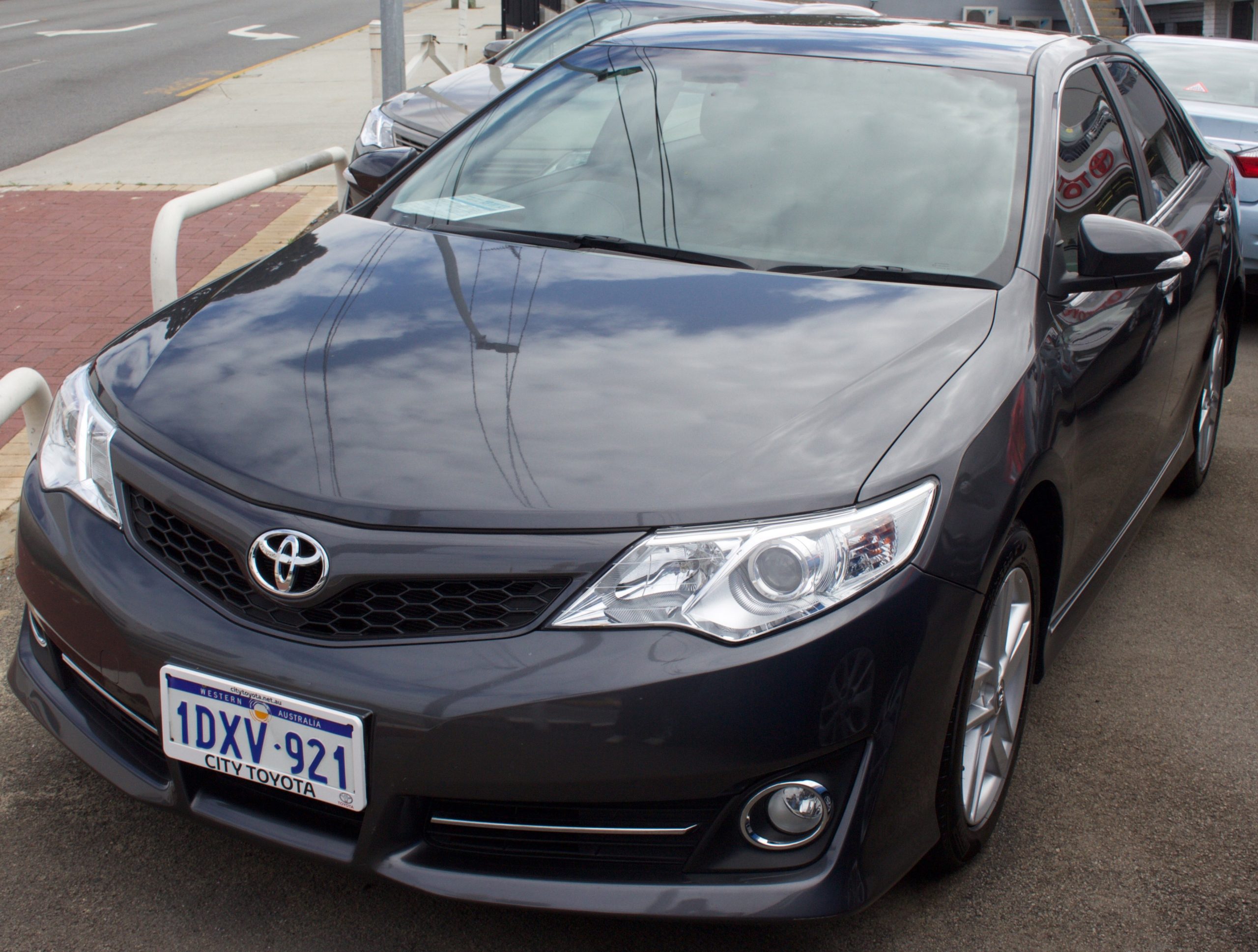
1) 2007-2011 Toyota Camry
The 2007-2011 Toyota Camry is notorious for engine trouble that turns routine visits into high-dollar conversations. A 2022 analysis of owner reports links this generation to engine failure due to oil consumption, and shops frequently respond by recommending full engine rebuilds costing $3,000 or more. Once a technician documents low oil, knocking, or blue smoke, the upsell to a rebuild or replacement becomes an easy pitch framed as the only way to avoid catastrophic failure.
For you, the stakes are huge, because declining that rebuild can mean driving a car that may seize without warning, while accepting it can exceed the market value of an older Camry. Many owners only discover the consumption problem after extended oil-change intervals, so regular dipstick checks and shorter service gaps are critical. If a shop jumps straight to a rebuild estimate, asking for compression tests, leak-down results, and detailed oil-consumption measurements can clarify whether a less invasive repair is realistic.
2) 2003-2008 Ford F-150
The 2003-2008 Ford F-150 has a different kind of wallet-drainer hiding underneath, where rust can quietly turn into a structural crisis. In a widely cited r/MechanicAdvice thread, certified mechanic u/AutoTechPro describes rust perforation on frame rails that leads to near-automatic upsells for frame replacement at about $2,500 per incident. Once a lift inspection reveals holes or deep scaling near suspension mounts, shops can justify major structural work as a non-negotiable safety repair.
Because frame integrity affects crash performance, towing, and basic drivability, you have limited room to argue if corrosion is severe. However, the difference between surface rust and true perforation is significant, so you should always ask to see the damage in person and request photos from multiple angles. Some owners opt for localized repairs or rust encapsulation when perforation is limited, but when the rails are compromised around key mounting points, a full replacement or retiring the truck may be the only responsible choice.
3) 2006-2010 Honda Civic
The 2006-2010 Honda Civic turns climate-control complaints into reliable revenue for shops. Consumer reliability data shows AC compressor failures in 40% of surveyed vehicles, a remarkably high rate that makes compressor replacement a go-to upsell. When your Civic arrives with weak cooling, noisy operation, or a seized compressor clutch, many service writers quickly recommend a new compressor assembly priced between $800 and $1,200.
Because a failed compressor can send metal debris through the system, technicians often bundle in a new condenser, expansion valve, and receiver-drier, further increasing the bill. For you, the key question is whether the compressor has truly failed or if a relay, clutch coil, or refrigerant issue is to blame. Asking for pressure readings, dye or leak-test results, and a breakdown of parts being replaced can help you decide whether a full system overhaul is justified or if a more targeted repair will restore cold air at a lower cost.
4) 1999-2004 Jeep Grand Cherokee
The 1999-2004 Jeep Grand Cherokee often arrives at shops with fluid spots under the middle of the vehicle, a red flag that quickly escalates. ASE-certified mechanic John Smith has singled out this generation for transfer case leaks, which frequently lead to upsells for complete drivetrain overhauls averaging about $1,500. Once a leak is confirmed, many shops argue that seals, bearings, and internal components should all be addressed at once to avoid repeat labor.
For owners, the fear is that a low-fluid transfer case can overheat or fail, potentially locking up the driveline at speed. That risk gives service advisors strong leverage to recommend extensive work, including driveshaft inspections and differential fluid changes. You can protect yourself by asking whether the leak is from a simple output seal or from a cracked housing, and by requesting a clear explanation of which parts are worn versus being replaced “while we are in there” as part of the upsell package.
5) 2002-2006 Nissan Altima
The 2002-2006 Nissan Altima is a textbook example of how transmission quirks become big-ticket upsells. A detailed report on these cars highlights CVT transmission shuddering, and many shops respond by recommending full CVT replacements costing $4,000 or more to avoid repeat visits. When you complain about hesitation, surging, or vibration under acceleration, technicians often argue that internal wear is widespread and that partial fixes will not hold.
Because CVTs are complex and not easily rebuildable at every independent shop, replacement units are commonly positioned as the only reliable solution. That puts you in a tough spot, since the repair can exceed the value of an older Altima yet declining it may leave you with a car that feels unsafe in traffic. Before approving a replacement, you can ask whether a fluid change, software update, or valve-body service has been tried, and whether any warranty or goodwill coverage is available to soften the financial hit.
6) 2005-2010 Chevrolet Tahoe
The 2005-2010 Chevrolet Tahoe often turns minor ride complaints into major suspension quotes. A widely referenced buyer guide notes suspension bushing wear that causes alignment issues, and many shops respond by pushing $1,000-plus suspension kits as “essential safety upgrades.” When you report wandering steering, uneven tire wear, or clunks over bumps, service advisors frequently recommend replacing multiple control arms, bushings, and related hardware in one shot.
From a safety standpoint, worn bushings can indeed affect braking stability and emergency maneuvers, especially in a heavy SUV. However, not every Tahoe with vague steering needs a full front-end rebuild. You can ask for a printout of alignment readings, a visual demonstration of play in each joint, and a prioritized list of components, starting with the worst offenders. That approach lets you address the most critical wear first while planning for additional work later, instead of accepting a bundled upsell without context.
7) 2008-2012 Dodge Charger
The 2008-2012 Dodge Charger has a reputation for electrical oddities that quickly escalate into module sales. In a detailed forum post, mechanic Dave Wilson describes electrical gremlins in the TIPM module, leading to frequent upsells for replacement units priced between $600 and $900. When your Charger shows symptoms like intermittent starting, random accessory failures, or lighting glitches, many shops point straight to the Totally Integrated Power Module as the root cause.
Because the TIPM controls fuel pump operation, ignition, and multiple safety systems, technicians can credibly argue that a failing unit is more than an annoyance. For you, the challenge is that intermittent faults are hard to prove, so some owners feel pressured into replacement based on pattern recognition rather than definitive testing. Asking for documented fault codes, voltage-drop tests, and confirmation that wiring and grounds have been checked can help ensure the upsell is based on evidence, not just the model’s reputation.
8) 2004-2009 Acura TL
The 2004-2009 Acura TL often arrives at shops with brake complaints that quickly balloon into full-system quotes. A major maintenance survey identifies this generation for brake caliper seizing, and technicians frequently respond by upselling complete brake system refreshes around $1,200 to prevent what they describe as “imminent failure.” When you mention pulling, overheating smells, or uneven pad wear, many service writers recommend new calipers, rotors, pads, and fluid in one package.
From a safety perspective, a seized caliper can overheat a rotor, lengthen stopping distances, and even cause wheel damage, so ignoring it is risky. However, not every brake issue requires replacing all four corners. You can ask which specific caliper is sticking, whether the slide pins or hoses are also affected, and if the opposite side is being replaced purely for balance. That information helps you decide whether a targeted repair will restore safe braking or if a full refresh is a smart investment for long-term reliability.
9) 2007-2013 Hyundai Sonata
The 2007-2013 Hyundai Sonata is known in service bays for sudden power loss that leads directly to drivability upsells. Cost data highlights throttle body failures that trigger limp mode, and shops often respond by recommending ECU reprogramming and throttle body swaps costing $500 or more. When your Sonata stumbles, refuses to accelerate, or lights up the check engine lamp with throttle-related codes, many technicians argue that replacing the assembly is the only reliable fix.
Because modern electronic throttles integrate sensors and actuators, intermittent faults can be difficult to isolate, which encourages a replace-first mindset. For you, the risk is overpaying for parts when a software update or connector repair might have solved the issue. Asking whether the ECU has the latest calibration, whether the harness has been inspected for corrosion, and whether live data confirms a failing sensor can help you distinguish between a necessary upsell and a convenient parts-cannon approach.
10) 2002-2007 Lincoln LS
The 2002-2007 Lincoln LS often turns a simple steering complaint into a major front-end overhaul. In a widely viewed video, mechanic Mike Rossi points to power steering pump leaks that, in his words, “guarantee” upsells for rack-and-pinion replacements priced around $1,800. When you report whining noises, heavy steering, or fluid spots under the nose, many shops recommend replacing both the pump and the steering rack to prevent future failures.
Because low fluid can damage internal rack seals and compromise steering control, technicians can credibly frame this as a safety-critical repair. However, you should still ask where the leak originates, whether the rack itself is leaking, and if any steering play has been measured. In some cases, addressing hoses and the pump may buy time, but if the rack boots are soaked or there is noticeable looseness at the wheels, a full rack-and-pinion replacement becomes harder to avoid.
11) 2005-2009 Volkswagen Jetta
The 2005-2009 Volkswagen Jetta is a prime example of how preventive maintenance can be sold as an expensive necessity. An auto repair report notes timing belt tensioner failures that can lead to engine damage, and many mechanics respond by upselling complete timing kits for about $1,000. When your Jetta approaches the recommended interval, service advisors often insist on replacing the belt, tensioner, idler pulleys, and water pump in one visit.
On interference engines, a failed tensioner can allow the belt to slip, causing valves to collide with pistons and potentially destroying the engine, so the risk is real. For you, the decision is less about whether to do the job and more about timing and scope. Asking for the exact mileage interval, confirmation of engine type, and a detailed parts list can help you understand what you are paying for and avoid duplicate labor later, especially if the water pump is buried behind the same covers.
12) 2003-2008 Infiniti G35
The 2003-2008 Infiniti G35 often shows up with stalling or hesitation that quickly turns into a fuel-system sales pitch. A detailed feature on this model cites fuel damper issues that cause stalling, prompting shops to recommend fuel system upsells costing more than $700 as “critical for drivability.” When you complain about rough idle, sudden shutdowns, or hard restarts, many technicians suggest replacing the damper along with related components such as filters and sometimes injectors.
Because fuel delivery problems can leave you stranded or create dangerous situations in traffic, the urgency of these repairs is easy to justify. Still, you can ask whether fuel pressure has been measured, whether any codes point specifically to the damper, and if other causes like clogged filters or failing pumps have been ruled out. That level of detail helps ensure the upsell targets the actual fault instead of simply following a pattern associated with the G35 badge.
13) 2006-2011 BMW 3 Series (E90)
The 2006-2011 BMW 3 Series (E90) is famous among European specialists for engine-management quirks that lead to pricey performance packages. A value guide quoting mechanic surveys highlights VANOS solenoid malfunctions, and shops often respond with engine performance upsells costing $1,500 or more. When you report rough idle, loss of low-end torque, or check engine lights tied to variable valve timing, many technicians recommend new solenoids, extensive diagnostics, and sometimes additional oil-system cleaning.
Because VANOS issues can affect both power and emissions, ignoring them can lead to failed inspections and long-term engine wear. For you, the challenge is that some symptoms overlap with coil, plug, or sensor problems, so a blanket upsell may not always be accurate. Asking for specific fault codes, evidence of sludge or contamination, and whether solenoid cleaning was attempted before replacement can help you decide if the recommended package is a smart investment or an overly broad fix.
14) 2004-2009 Audi A4
The 2004-2009 Audi A4 rounds out the list with a suspension problem that shops love to address in bulk. A repair trends analysis flags this generation for control arm bushing degradation, and many service departments respond by upselling complete front-end alignments and parts packages around $900 to “restore handling.” When you complain about clunks, vague steering, or uneven tire wear, it is common to see estimates that include multiple control arms, bushings, and a mandatory alignment.
Since worn bushings can affect braking stability and steering precision, especially at highway speeds, there is a legitimate safety angle to these recommendations. However, you can still ask which specific arms are out of spec, request a demonstration of play with the car on a lift, and see pre- and post-alignment printouts. That transparency helps you understand whether the full upsell is necessary now or if a staged approach, replacing the worst components first, can keep your A4 safe while spreading out the cost.
More from Wilder Media Group: