

Police officers are trained to spot car modifications that compromise safety or break road rules, and certain visual or audible changes will draw their attention almost immediately. Many of the most tempting upgrades also fall into categories that experts flag as illegal car modifications, especially when they affect visibility or the basic structure of your vehicle. If you want to avoid roadside inspections and potential fines, it helps to know which mods look like red flags from the driver’s seat of a patrol car.
1) Excessively Tinted Windows
Excessively tinted windows are one of the quickest ways to invite a traffic stop, because they directly affect how clearly you can see and be seen. When tint goes beyond legal limits, it becomes one of the illegal car modifications that enforcement teams are specifically trained to check, especially at the roadside. Officers know that dark side glass can hide seatbelt misuse, phone use or other offences, so they have a strong incentive to pull you over.
From a safety perspective, heavy tint reduces your ability to spot cyclists, pedestrians and motorbikes in low light, and it makes eye contact at junctions almost impossible. That is why regulations usually set different light transmission rules for front and rear windows, and why breaching those limits can lead to penalty points or a prohibition notice. If you like the look of darker glass, staying within factory-spec or professionally certified tint levels keeps you off the radar while still cutting glare.
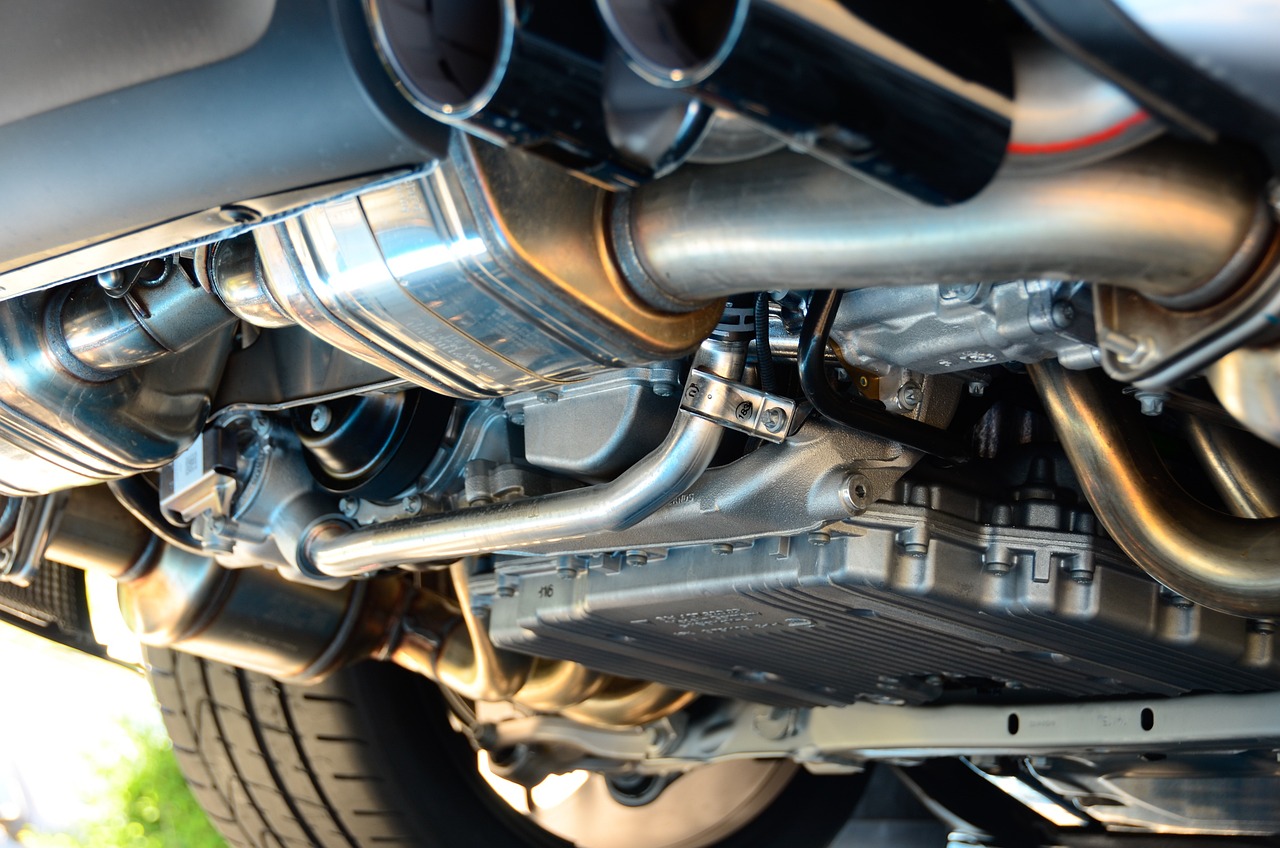
2) Modified Exhaust Systems
Modified exhaust systems are another classic police magnet, because officers can hear them long before they see the car. When you fit a straight-through pipe or remove silencers, the result often falls into the category of Too-loud exhaust systems that patrols are told to target. Noise limits exist to protect people living near busy roads, and a car that crackles and pops through town will stand out instantly against normal traffic.
Reporting on accessories that trigger higher stops notes that Even if you are not driving aggressively, a modified exhaust tends to draw the ear of nearby law enforcement, especially at night or in built-up areas. Beyond the nuisance factor, badly fitted systems can leak fumes or sit too low, creating a genuine safety risk. If you want more sound, a branded cat-back system with proof of compliance is far less likely to result in a roadside inspection than a home-brewed straight pipe.
3) Neon Underglow Lights
Neon underglow lights turn your car into a rolling light show, which is exactly why they attract attention from patrol cars. Articles on accessories that increase stop rates point out that Underglow and similar lighting kits are highly visible and often associated with street racing. Oftentimes these systems can flash, strobe or change colour, which risks confusing other drivers and can be interpreted as impersonating emergency lighting.
Traffic regulations in many regions restrict the colours and positions of lights on road-going vehicles, especially anything visible from the front or rear that could be mistaken for official signals. Even if your kit is technically legal when set to a steady, dim glow, officers may still stop you to check wiring, brightness and colour. If you like the aesthetic, limiting underglow to car meets or private property keeps you from becoming a moving beacon for police curiosity.
4) Lowered Suspension
Lowered suspension changes the stance of your car in a way that is impossible for officers to miss, and extreme drops can quickly cross into defect territory. Coverage of car features that attract stops notes that Extreme suspension modifications make a vehicle both highly noticeable and potentially unsafe. When a car sits very low, it can scrape speed bumps, reduce steering response and compromise how well safety systems like ABS and stability control work.
Police are also alert to the fact that improvised coil cuts or cheap lowering springs can fail suddenly, sending a wheel into the arch or causing a loss of control. If your tyres are tucked deep under the bodywork or your exhaust drags on the road, you are likely to be pulled over for a closer look. Choosing quality adjustable coilovers, keeping a sensible ride height and ensuring no part of the car fouls the tyres will reduce the chance of your suspension becoming a legal problem.
5) Oversized Rear Spoilers
Oversized rear spoilers are designed to stand out, which is exactly what they do in a patrol officer’s mirror. When a wing towers above the roofline or extends far beyond the boot lid, it can be treated as one of the structural car mods that are police magnets because it alters the airflow and sometimes the crash profile of the vehicle. If the spoiler blocks the rear window or interferes with the high-level brake light, it also raises immediate safety questions.
Officers know that many of the largest aftermarket wings are fitted without wind tunnel testing or manufacturer approval, so they may suspect poor mounting or sharp edges that could injure pedestrians. A badly installed spoiler can even rip off at motorway speeds, creating debris for following traffic. If you want extra downforce for track days, choosing a model-specific kit with proper documentation and keeping the size proportionate to the car will help you avoid unwanted roadside engineering inspections.
6) Altered License Plates
Altered license plates are a direct challenge to one of the core tools police use to enforce traffic law: automatic number plate recognition. When you change fonts, spacing or reflective coatings, you move into the realm of Certain modifications that stand out because they hinder quick identification. Officers are trained to spot misaligned characters, non-standard symbols and tinted plate covers, all of which can trigger an immediate stop.
From a legal standpoint, anything that makes your registration harder to read at a distance can be treated as an attempt to avoid detection by speed cameras or congestion charging systems. That is why even subtle tweaks, like squeezing characters together to spell a word, can result in fines and demands to revert to standard plates. If you want a personalised touch, sticking to officially issued formats and avoiding smoked covers or novelty fonts keeps your car compliant while still reflecting your identity.
7) Illegal Window Tinting on Windscreens
Illegal window tinting on windscreens is treated even more seriously than dark side glass, because it directly affects your forward view. Safety guidance on Are you looking to modify your car videos stresses that front glass must let in enough light for you to see hazards, road signs and vulnerable road users. When a windscreen is heavily tinted or covered with reflective film, officers will often stop the car immediately to assess visibility.
Unlike rear windows, where style and privacy are given more leeway, the windscreen is considered a critical safety component. Excess tint can also interfere with rain sensors, lane-keeping cameras and automatic emergency braking systems that rely on a clear view. If you are tempted by a sunstrip or heat-reflective coating, make sure it stays within the narrow legal band at the top of the screen and does not intrude into the driver’s primary field of vision.
8) Unapproved Bull Bars
Unapproved bull bars mounted on the front of SUVs and pickups are increasingly on police radar because of their impact on crash safety. Reporting on how Bengaluru incident modifications posed safety risks highlights how rigid add-ons can worsen injuries for pedestrians and cyclists. When a bar has not been tested with the vehicle’s crumple zones and airbags, it can also change how the car behaves in a collision with another vehicle.
Officers know that many aftermarket bull bars are imported without proper certification, and they may look for sharp edges, protruding brackets or blocked number plates. In urban areas, where vulnerable road users share tight streets with heavy vehicles, these bars can be seen as an unacceptable extra hazard. If you genuinely need front-end protection for rural work, choosing a manufacturer-approved system with documented crash testing is far less likely to result in enforcement action.
9) Modified Headlights
Modified headlights are a growing source of complaints to police, especially when drivers fit ultra-bright bulbs or coloured LEDs into housings that were never designed for them. Safety guidance on Oftentimes underglow and lighting systems notes that non-standard light patterns can distract or dazzle other road users. When your beams scatter light above the cut-off line, officers may treat your car as defective and require an immediate fix.
Swapping halogen bulbs for high-intensity discharge or LED units without changing the reflector or projector can create intense glare, especially in wet conditions. Blue-tinted or coloured headlights can also be mistaken for emergency vehicles, which is why many regions restrict headlamp colours to white or yellow. If you want better night vision, upgrading to approved bulbs within the original specification or fitting a complete, type-approved headlamp unit is safer than mixing and matching parts.
10) Oversized Tires Without Recalibration
Oversized tires without recalibration might look aggressive, but they can quietly push your car into non-compliance and attract police attention. When you fit much larger wheels, you alter the rolling radius, which means your speedometer can under-read and your odometer will no longer be accurate. Guidance on Each mod that instantly attracts attention stresses that changes affecting core safety systems, like braking distances and stability control, are a particular concern.
Officers may notice tyres that poke beyond the arches, rub on the bodywork or sit on extreme negative camber, all signs that geometry has been altered without proper engineering. In a crash investigation, incorrect tyre sizes can also raise questions about insurance validity and vehicle roadworthiness. If you want a bigger footprint, staying within the manufacturer’s recommended plus-size range and having the speedometer recalibrated will help you enjoy the look without inviting a defect notice.
More from Wilder Media Group: