

Some car repairs protect your safety and your wallet, but others are little more than profit padding. Mechanics know most drivers feel anxious about breakdowns, which makes it easy to sell “just in case” services that do almost nothing for reliability. By learning which common repairs are a complete waste of money, you can push back on scare tactics, ask better questions, and keep your budget focused on maintenance that actually matters.
1) Skipping Unnecessary Wheel Alignments
Skipping unnecessary wheel alignments starts with understanding why your tires are wearing unevenly in the first place. Many shops jump straight to selling an alignment when they see feathered tread, even if the real culprit is a bent rim, worn ball joint, or damaged control arm. If those parts are not fixed, you can pay for alignment after alignment and still chew through tires. A quick visual inspection of suspension components and wheels should come before any alignment recommendation.
When a mechanic insists on an alignment every time you buy tires, ask for measurements that show your car is actually out of spec. If the steering wheel tracks straight, the car does not pull, and there is no crash damage, a “routine” alignment may add nothing but cost. Uneven wear limited to one tire often points to impact damage, not a global geometry issue. Treat alignment as a targeted repair tied to symptoms, not a default add-on every time your vehicle is on a lift.
2) Avoiding Routine Transmission Flushes
Avoiding routine transmission flushes is especially important on modern sealed units that are designed to go long intervals without service. Many late-model cars, including popular sedans and crossovers, use transmissions with no dipstick and specific fluid that should only be changed under defined conditions. Selling a power flush every 30,000 miles on these systems can be unnecessary at best and harmful at worst, since high-pressure machines can dislodge debris and cause slipping. Your owner’s manual, not a generic shop schedule, should dictate when fluid service is needed.
Some service writers bundle transmission flushes into “lifetime protection” packages that sound reassuring but mostly protect the shop’s revenue. A better approach is to follow the severe-service interval listed by the manufacturer if you tow, sit in heavy traffic, or drive in extreme heat. Independent reporting on 4 common upsells notes that fluid services are a favorite add-on because drivers cannot easily verify the need. You protect yourself by asking whether your specific transmission is sealed and requesting documentation from the factory schedule.
3) Ditching Fuel System Cleanings
Ditching fuel system cleanings makes sense once you know how modern gasoline already works. Most name-brand fuels contain detergents that continually scrub injectors and intake valves, which is why many fuel-injected engines can run for years without any special cleaning. Shops still push injector flushes and throttle-body services as cure-alls for rough idle or poor mileage, even when the real issue is a failing sensor or worn spark plug. Paying for a chemical cleaning in those cases only delays a proper diagnosis.
Guides on Car Repairs That Are a Complete Waste of Money highlight “Engine Flushes When You Don, Need Them” and “Premium Gas in a Regular Engine” as classic examples of overkill, and fuel system cleanings often fall into the same category. If your car is not misfiring and passes emissions, you are unlikely to see a measurable benefit. When a shop recommends a cleaning, ask what specific data, such as injector balance tests or fuel trims, shows that carbon buildup is the problem instead of guesswork.
4) Delaying Spark Plug Swaps
Delaying spark plug swaps can save hundreds of dollars over the life of a vehicle without sacrificing reliability. Many modern engines use iridium or platinum plugs that are designed to last up to 100,000 miles, yet some shops still suggest replacement at 30,000 or 60,000 miles as part of a “tune-up” package. Unless your manufacturer specifies a shorter interval, early replacement offers little benefit. In most cases, misfires, hard starts, or poor fuel economy will show up long before a high-quality plug simply fails without warning.
When a service advisor recommends new plugs, compare the mileage on your odometer to the schedule in your owner’s manual. If you are far ahead of that interval, ask to see evidence of fouling or damage on the existing plugs before agreeing. Articles on ways to save on auto repairs stress that sticking to factory maintenance is one of the easiest ways to avoid paying for work you do not need. Treat spark plugs as long-life components, not recurring revenue for the shop.
5) Ignoring PCV Valve Hype
Ignoring PCV valve hype starts with recognizing how rarely this small part actually fails. The positive crankcase ventilation valve regulates pressure and vapors inside your engine, but on many vehicles it is a simple, durable piece that can last for years. Some mechanics still bundle PCV replacement into generic “high-mileage” services, even when there are no symptoms like oil leaks, whistling noises, or increased oil consumption. In those cases, you are paying for a part that is working exactly as designed.
A quick functional check, such as feeling for vacuum at the valve or listening for rattling on older designs, is usually enough to confirm whether it is stuck. If your engine runs smoothly, passes emissions, and shows no signs of sludge, a preemptive PCV swap is unlikely to change anything. Spending that money on timely oil changes or air filters has a far bigger impact on engine health, while also reducing the chance of being upsold on other marginal services during the same visit.
6) Resisting A/C Recharge Upsells
Resisting A/C recharge upsells is critical because air-conditioning systems are closed loops, not consumable fluids like gasoline. If your refrigerant is low, it has leaked out, and simply topping it off without finding the leak guarantees the problem will return. Some shops still sell quick “recharge specials” that skip dye, pressure testing, or electronic leak detection, which leaves you paying again when the system blows warm air a few weeks later. In extreme cases, overcharging the system can even damage the compressor.
Before agreeing to a recharge, ask whether the service includes a full leak diagnosis and a warranty on the repair. If the answer is no, you are being sold a temporary bandage, not a fix. A proper A/C service should document pressures, vent temperatures, and any components that need replacement, such as O-rings or condensers. Spending a bit more upfront on real diagnostics protects you from a cycle of repeat visits and keeps your cabin comfortable through the hottest months.
7) Forgoing Frequent Coolant Flushes
Forgoing frequent coolant flushes is another way to avoid paying for maintenance you do not need. Many newer vehicles use extended-life Coolant that can last 150,000 miles or more under normal conditions, yet some shops still recommend flushing every 30,000 miles simply because the car is already in for an oil change. Reporting on Now popular upsells notes that coolant services are easy to sell because drivers cannot see inside the radiator.
Instead of accepting a generic interval, check the coolant’s appearance and compare your mileage to the manufacturer’s schedule. Slight discoloration is normal, while heavy rust, sludge, or contamination justifies a flush. Over-servicing can introduce air pockets or incompatible chemicals if the wrong fluid is used, which undermines the corrosion protection you are paying for. By timing coolant changes to real needs, you reduce waste, protect your engine, and keep more money available for repairs that genuinely affect safety.
8) Bypassing Engine Oil Additives
Bypassing engine oil additives is one of the simplest ways to cut unnecessary costs at the service counter. Many products promise to boost horsepower, stop leaks, or “restore” worn engines, but high-quality oil already contains a carefully balanced package of detergents, anti-wear agents, and friction modifiers. Adding extra chemicals can dilute that balance and, in some cases, interfere with modern emissions systems. Coverage on how auto repairs can be costly points out that skipping miracle additives is an easy way to avoid wasting money.
For most drivers, using the correct viscosity and specification of oil at the recommended interval is all the protection an engine needs. If a shop suggests an additive, ask what specific problem it is meant to solve and whether the vehicle manufacturer approves it. In many cases, the same money would be better spent on timely oil changes or a quality filter. Keeping your maintenance simple and aligned with factory guidance helps you avoid paying for bottled promises that rarely deliver measurable results.
9) Opting Out of Brake Rotor Resurfacing
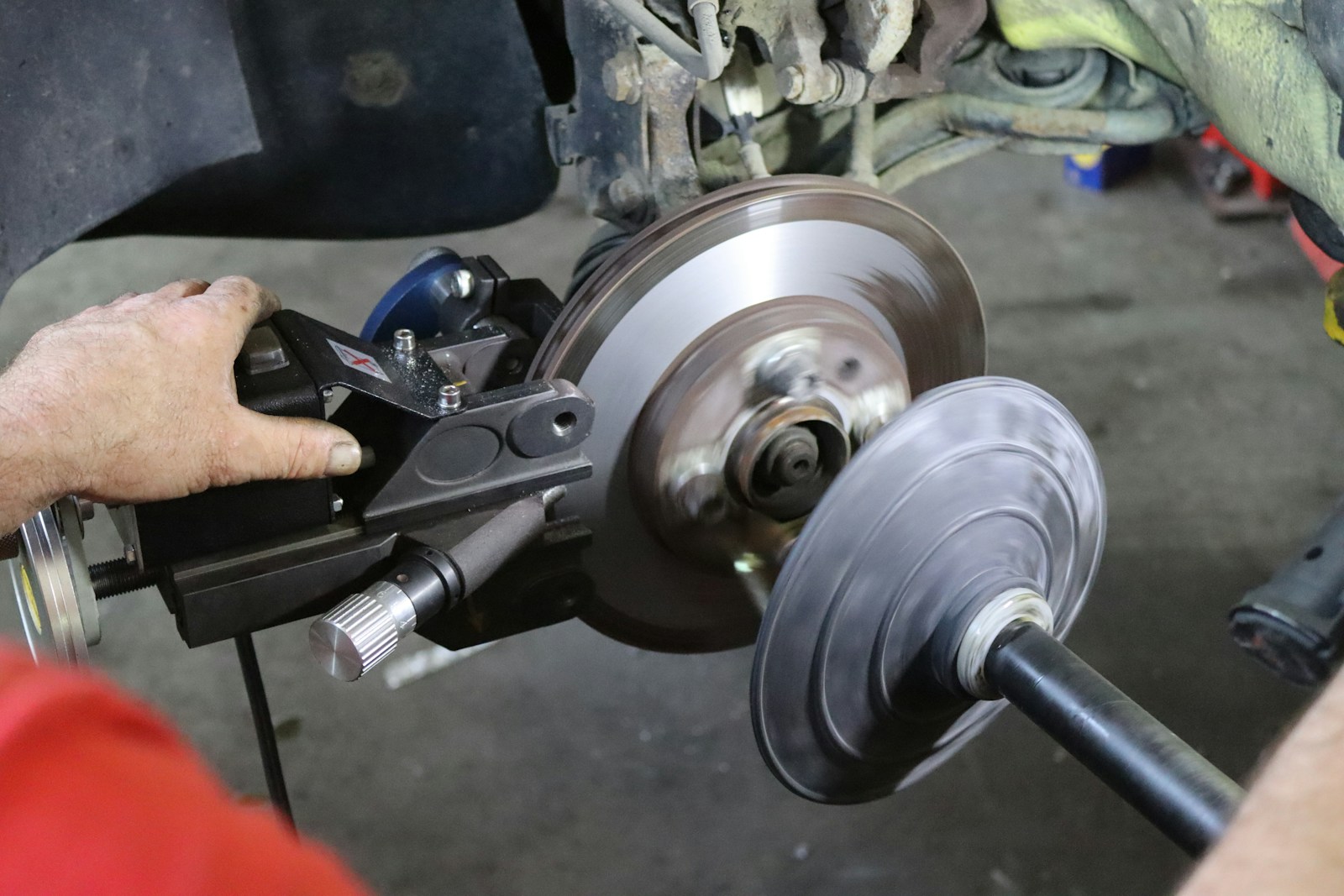
Opting out of brake rotor resurfacing can trim your repair bill without compromising stopping power. Some shops automatically machine rotors every time they install new pads, even when the rotors are within thickness specs and show no deep grooves. Each cut removes material, which can make rotors more prone to warping and may shorten their lifespan. In many cases, simply installing new pads on smooth, undamaged rotors is perfectly safe and provides quiet, consistent braking.
Guides on Complete Waste of Money services flag unnecessary machining as a classic example of overselling. Before agreeing, ask the technician to measure rotor thickness and show you any defects that justify cutting or replacement. If the rotors are still well above the minimum and only have light wear, you can often skip the lathe work. That decision keeps more metal on the rotor for future services and reduces labor costs without putting you at risk.
10) Canceling Dubious Extended Warranties
Canceling dubious extended warranties can prevent you from paying for coverage that does not actually cover much. A federal alert on CarShield didn’t cover car repairs as advertised alleges that the company misled drivers about what its plans would pay for, leaving some customers with denied claims and unexpected bills. That case shows how service contracts can sound comprehensive in sales pitches but rely on fine print and exclusions when you need help. If a plan is packed with disclaimers, it may function more like a marketing tool than real protection.
Before buying any extended warranty, compare the cost of the contract to the most likely repairs on your specific vehicle. Many drivers would be better off setting aside money in a dedicated savings account instead of paying monthly premiums. If you already have a plan, review the cancellation policy and consider whether the coverage aligns with your car’s age, mileage, and reliability record. Being skeptical of big promises can keep you from paying twice, once for the warranty and again for the repair.
11) Refusing Bogus Diagnostic Charges
Refusing bogus diagnostic charges is one of the most effective ways to stop a scam before it starts. Some shops advertise free or low-cost inspections, then tack on inflated “diagnostic” fees that are really just a pretext to upsell unneeded work. A guide on how to protect yourself from common mechanic scams warns that vague line items for scanning codes or “checking systems” can hide minimal effort behind big price tags. If the shop cannot explain what tests were performed, you should question the bill.
Legitimate diagnostics take time and skill, so fair charges are reasonable when they are clearly documented. The red flag is a fee that appears only after you decline recommended repairs or that is far higher than the time spent on your car. Ask for a written estimate before authorizing any work and insist on an itemized invoice that lists specific procedures, such as compression tests or smoke tests. By pushing back on padded diagnostics, you discourage upsell tactics and encourage transparent, honest service.
More from Wilder Media Group: