

EV buyers often focus on range and price, only to discover the real learning curve starts when they plug in. Everyday charging can feel very different from a quick gas stop, and the gaps between marketing promises and real-world infrastructure are where frustrations pile up. Understanding the most common EV charging surprises before you buy helps you plan smarter routes, avoid costly mistakes, and decide whether the current network actually fits your lifestyle.
1) Public fast chargers are not as common as you expect
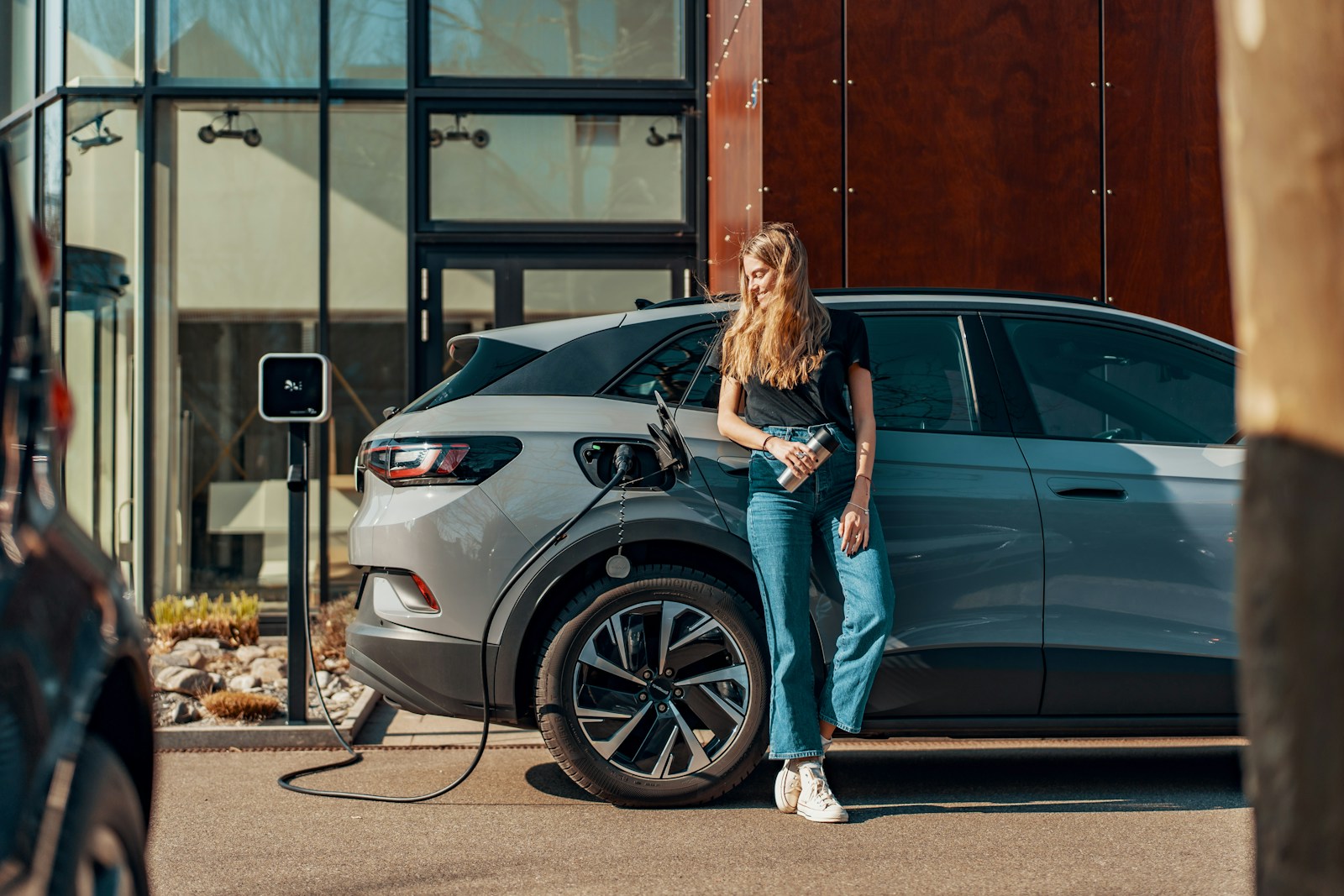
Public fast charging looks plentiful on glossy maps, but once you start driving, you discover how thin coverage can be outside major corridors. A single highway exit might show a station in your car’s navigation, yet it could be one or two DC fast chargers tucked behind a store, with no backup if they are busy or offline. That gap between the idea of a nationwide network and the reality of scattered plugs is one of the first shocks new owners encounter on longer trips.
The stakes are highest if you live in an apartment or rely on street parking, because limited public options turn every errand into a charging strategy session. Drivers who commute through rural areas or smaller cities often end up planning routes around a handful of reliable sites, adding time and stress to what used to be simple drives. Before buying, you need to zoom in on actual station locations, not just colored lines on a coverage map, and decide whether the current network matches your daily patterns.
2) Charging speeds rarely match the big advertised numbers
Charging speed is usually marketed using a best-case peak figure, such as “up to 250 kW,” but you quickly learn that your car spends very little time at that headline rate. The battery management system tapers power as the pack fills, so a session that starts fast can slow dramatically after 50 percent or 60 percent state of charge. Temperature also matters, because a cold or overheated battery will pull less power than the charger can technically provide, even if the screen shows a high maximum.
For drivers, the implication is that a “20 to 80 percent in 30 minutes” claim often assumes ideal conditions that are hard to reproduce in daily life. On a winter road trip, you might see half that speed until the pack warms up, stretching a planned stop into a much longer break. Understanding your car’s real charging curve, and how it behaves at different states of charge, helps you plan shorter, more efficient sessions instead of waiting for the last slow 20 percent.
3) Not all plugs and networks work with your car
Connector standards are another surprise, because you may assume any plug will fit your new EV. In practice, compatibility depends on whether your car uses a Combined Charging System (CCS) port, a North American Charging Standard (NACS) port, or another design, and whether the station’s software recognizes your vehicle. Some brands require adapters for certain networks, and those adapters can be limited in availability or restricted to specific charging speeds, which complicates spontaneous stops.
This fragmentation has real consequences when you arrive at a station and realize the only open stalls use a connector your car cannot accept. Even when the plug fits, some networks require separate memberships or app-based authentication that you may not have set up in advance. The result is that you must think about charging ecosystems the way you once thought about mobile carriers, choosing a car and home region that match the networks you can actually use without a bag of adapters.
4) Apps, accounts, and payment systems add friction
Payment at public chargers is rarely as simple as tapping a credit card and plugging in. Many networks require you to download an app, create an account, and preload a balance or link a payment method before the station will deliver power. If you pull into a new site with a low battery and no cell signal, the process of registering and authorizing a session can turn a quick stop into a frustrating delay, especially if the app is buggy or the station’s reader is finicky.
For drivers, this digital gatekeeping creates a hidden barrier to entry that does not exist at gas pumps. You may end up juggling multiple apps and RFID cards to cover different regions, each with its own pricing structure and user interface. Planning ahead by setting up accounts for the networks along your route can reduce stress, but it also highlights how fragmented the current system remains, and why some buyers underestimate the administrative overhead of simply paying to charge.
5) Real-world charging costs can rival gasoline
Many shoppers assume electricity will always be cheaper than gasoline, but public fast charging can narrow or erase that advantage. Per-kilowatt-hour rates at high-speed stations are often significantly higher than residential electricity prices, and some locations add session fees or idle penalties that raise the effective cost of each mile. If your utility uses time-of-use pricing, charging during peak hours at home can also be more expensive than you expect, especially if you plug in right after work when rates are highest.
The financial stakes are clearest for drivers who cannot install home charging and rely heavily on public infrastructure. In those cases, the cost per mile can approach that of an efficient gasoline car, particularly on long trips where you depend on premium fast chargers. Running the numbers for your local utility rates and the public networks you plan to use helps you avoid surprises and decide whether the economics of an EV truly beat your current fuel bill.
6) Home charging requires more planning than a simple outlet
Home charging sounds as easy as plugging into a wall, but most owners quickly realize that a standard 120-volt outlet is too slow for anything beyond very light use. To add meaningful range overnight, you typically need a 240-volt Level 2 setup, which can require a dedicated circuit, a professional electrician, and in some cases a panel upgrade. Those steps add cost and time, and they may be constrained by building rules if you live in a condo or rental property.
Once installed, a robust home charger can transform ownership by turning every night into a refueling session, but the upfront logistics are not trivial. You must consider cable length, weather exposure, and whether to hardwire the unit or use a plug-in configuration that can be moved later. New buyers who skip this planning phase often end up relying on slow or inconvenient options, which can sour the experience and make the car feel less practical than it actually could be with the right setup.
7) Cold and hot weather dramatically slow charging
Temperature is one of the most underappreciated factors in EV charging performance. In cold weather, the chemical reactions inside the battery slow down, so the car reduces charging power to protect the cells, even if the station is capable of high output. You may see the car hold a much lower kilowatt rate until the pack warms up, which can take a significant portion of your planned stop, especially if you started with a cold-soaked battery after parking outside overnight.
Heat brings its own challenges, because a very warm battery can also trigger protective limits that reduce charging speed. In extreme conditions, the car’s thermal management system may divert energy to cooling rather than filling the pack, stretching session times and reducing efficiency. For drivers, this means that seasonal swings can change how long it takes to charge by a wide margin, so trip plans that work in mild weather may not translate directly to winter or summer extremes.
8) Station reliability and broken chargers are a real risk
New EV owners are often surprised by how frequently public chargers are partially or completely out of service. A site that lists four fast chargers might have one offline, another with a damaged cable, and a third that repeatedly fails to start a session, leaving a single reliable stall for everyone who arrives. Software glitches, worn connectors, and communication errors between car and charger can all cause failures that are not obvious from the map icons you see before pulling in.
The practical impact is that you must build redundancy into your route planning, especially when driving through areas with limited alternatives. Having a backup station within range, and enough buffer in your battery to reach it, becomes a form of insurance against unexpected downtime. Until maintenance practices and uptime standards improve, reliability concerns will remain one of the most stressful aspects of public charging, particularly for drivers who are new to EVs and still building confidence.
9) Charging etiquette and queues can disrupt your schedule
As more EVs share a limited number of fast chargers, informal rules of etiquette have emerged, and new owners often learn them the hard way. Arriving at a busy station can mean waiting in a line of cars, negotiating whose turn is next, and dealing with drivers who leave vehicles plugged in long after they have finished charging. Some networks impose idle fees to discourage this behavior, but enforcement is inconsistent, and social friction can still flare when people feel rushed or ignored.
For your schedule, these human factors can matter as much as technical speed. A planned 25-minute stop can stretch into an hour if you arrive behind several cars or if someone occupies the only compatible stall. Understanding local norms, such as moving your car once you reach 80 percent or leaving a note with your phone number, can reduce tension and keep traffic flowing, but it also highlights how shared infrastructure depends on cooperation as much as hardware.
10) Battery health concerns change how you use fast charging
Fast charging is marketed as a convenient way to top up quickly, yet frequent high-power sessions can raise questions about long-term battery health. Manufacturers often acknowledge that repeated DC fast charging can accelerate degradation compared with slower Level 2 charging, even if the effect varies by chemistry and thermal management design. Some cars respond by automatically reducing peak power after many fast sessions, or by limiting how often you can use the highest-speed modes in a short period.
For owners, this means you may start to reserve fast charging for road trips and emergencies, relying on slower options for daily use to preserve capacity. Monitoring tools that show battery health over time can influence how comfortable you feel using high-power stations, especially if you plan to keep the car for many years or worry about resale value. The tension between convenience and longevity becomes another factor in your charging strategy, one that many buyers do not fully appreciate before purchase.
11) Trip planning becomes a new, constant habit
Once you own an EV, trip planning often shifts from an occasional task to a routine habit, even for drives you used to take without thinking. You start checking range estimates, elevation changes, and available chargers along the way, using tools built into the car or third-party apps that factor in weather and speed. That mental overhead can feel like a tax on spontaneity, especially if you are used to simply hopping in a gasoline car and trusting that fuel will be available everywhere.
Over time, many drivers become adept at this kind of planning, treating it as part of the rhythm of ownership rather than a burden. Still, the need to think ahead about where and when you will charge is a fundamental shift that not everyone anticipates when they sign the purchase contract. Recognizing that charging logistics will become a regular part of your driving life helps you decide whether the current state of infrastructure and tools aligns with how you actually like to travel.
More from Wilder Media Group: