

Some car repairs are like smoke before a fire, hinting that a much bigger breakdown is on the way. By spotting which fixes are early warning signs instead of isolated annoyances, you can plan smarter, budget better, and avoid getting stranded. Here are 12 repairs that should make you pause, look deeper, and treat your car as a system rather than a collection of unrelated problems.
1) Replacing Brake Pads Far Sooner Than Expected
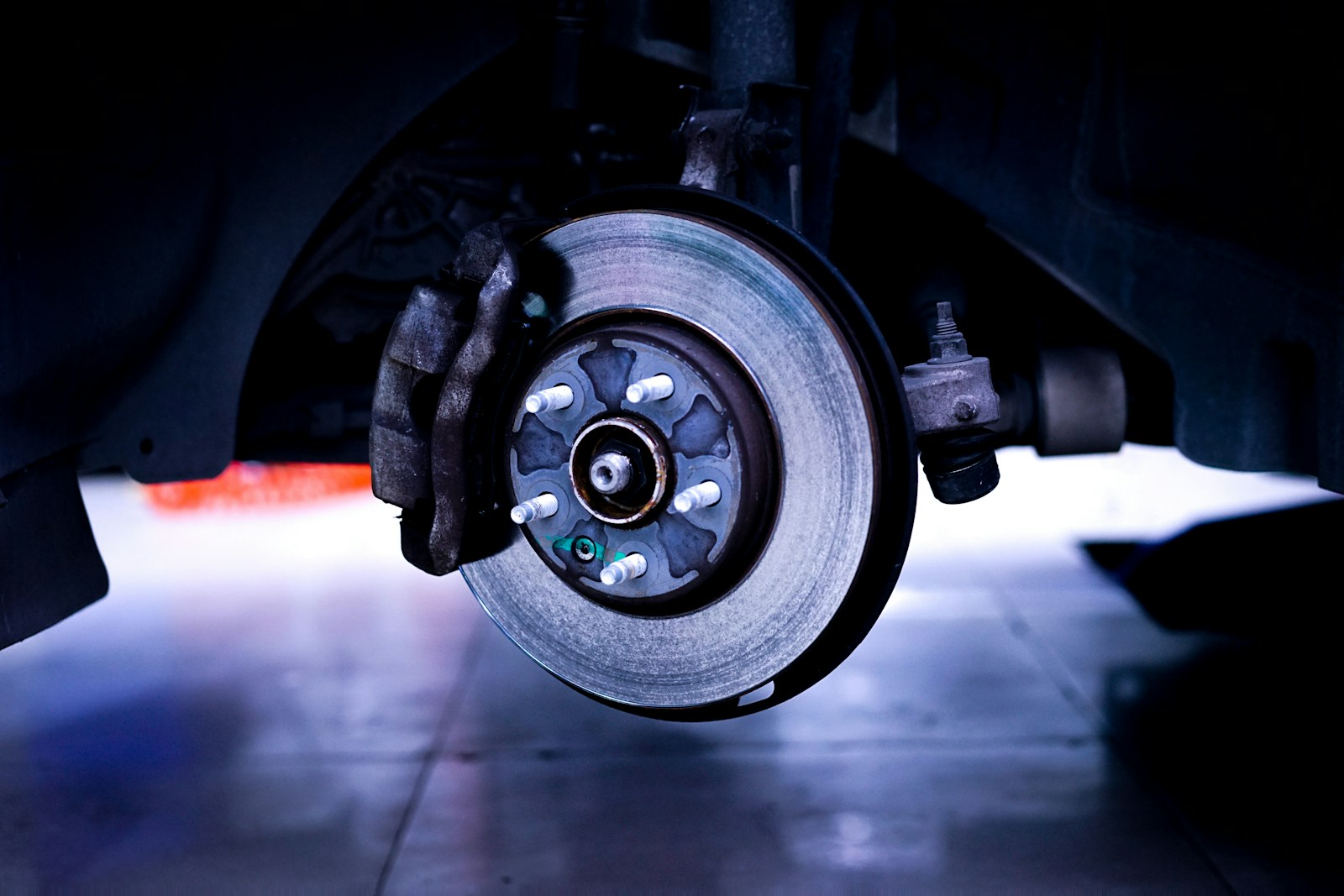
Brake pads that wear out much faster than the service interval in your owner’s manual often point to deeper issues. If you are replacing pads every 10,000 to 15,000 miles on a commuter car that mostly sees highway driving, something is off. Sticking calipers, warped rotors, or a failing master cylinder can all cause accelerated wear, and those parts are more expensive and safety critical. Ignoring the pattern and just throwing on new pads risks damaging rotors, overheating brake fluid, and eventually losing braking performance when you need it most.
When a shop recommends early pad replacement, ask them to measure rotor thickness, check for uneven wear, and inspect the caliper slide pins. If the pads are worn more on one side of the car, that is a strong clue that a caliper is binding or a hose is collapsing internally. Treat this as a system diagnosis moment, not a quick in-and-out job. Catching a hydraulic or ABS problem now can prevent a sudden pull under braking, longer stopping distances, and a much larger repair bill later.
2) Frequent “Check Engine” Light With Simple Sensor Swaps
A check engine light that keeps returning after basic sensor replacements is a classic sign of a bigger underlying fault. If you have already paid to replace an oxygen sensor, mass airflow sensor, or gas cap and the light comes back with similar codes, the root cause may be wiring, a vacuum leak, or even internal engine wear. Modern engine control units rely on multiple inputs, so a failing catalytic converter or misfire can trigger the same codes that a bad sensor would, tricking quick-fix repairs into chasing symptoms instead of causes.
Ask your technician for a full diagnostic printout, including fuel trims, misfire counts, and any history codes, rather than just a parts list. If the same code has appeared several times, insist on smoke testing for vacuum leaks and checking harness connectors for corrosion. Repeated light resets without a clear explanation are a red flag for future drivability issues, failed emissions tests, and potential damage to expensive components like the catalytic converter. Treat recurring warning lights as a sign that your engine management system needs a deeper investigation.
3) Replacing a Single Ignition Coil or Spark Plug on a Misfiring Engine
When a misfire leads to replacing just one ignition coil or a single spark plug, you might be seeing the first domino in a chain. Coils and plugs often age together, especially on engines like the 2.0-liter turbo in many Volkswagen and Audi models, where heat and oil contamination are common. If one coil fails, the others may not be far behind. A misfire that is “fixed” with a single part can mask underlying issues such as oil leaking into plug wells, worn valve seals, or a fuel injector that is starting to clog.
If your car has more than 60,000 miles, ask whether a full set of plugs and a preventive coil replacement make more sense than a one-off repair. Have the shop show you the old plug’s condition, including any oil fouling or unusual deposits, which can hint at internal engine wear. Leaving the rest of the ignition system untouched can lead to repeated misfires, rough running, and unburned fuel damaging the catalytic converter. A pattern of piecemeal ignition repairs is often a preview of larger engine performance problems.
4) Constant Top-Ups of Engine Coolant Without Visible Leaks
Needing to add coolant every few weeks, even when you do not see puddles under the car, is a serious warning sign. Small external leaks can evaporate on hot engine parts, but internal leaks are more dangerous. A failing head gasket, cracked cylinder head, or leaking intake manifold gasket can let coolant seep into the combustion chamber. Over time, that can cause white exhaust smoke, contaminated oil, and warped engine components. Treating this as a simple “top it off” issue risks catastrophic overheating and a full engine replacement.
Ask your mechanic to perform a pressure test and a chemical test for combustion gases in the coolant. If the cooling system will not hold pressure, or if the test fluid changes color, you may be looking at a head gasket job or worse. Even if the leak turns out to be a small hose or radiator seam, catching it early prevents overheating that can ruin plastic tanks and aluminum heads. Coolant loss is not a normal maintenance item, so repeated refills should always trigger a deeper inspection of the entire cooling system.
5) Replacing a Serpentine Belt That Shows Unusual or Repeated Wear
A serpentine belt that cracks or shreds long before its expected lifespan often signals trouble with the pulleys or accessories it drives. If you have already replaced the belt once and it is squealing or fraying again, the real problem may be a seized tensioner, misaligned pulley, or failing alternator or power steering pump. Because this single belt usually runs the alternator, water pump, and air conditioning compressor, a sudden failure can leave you without charging, cooling, or engine cooling, turning a minor annoyance into a roadside breakdown.
When a belt is replaced, ask the shop to spin every pulley by hand and check for wobble or roughness. Any pulley that feels gritty or loose should be addressed at the same time. If the belt shows wear on one edge, that is a strong clue of misalignment that will not be solved by a new belt alone. Taking the time to fix the underlying cause now helps you avoid losing power steering assist in traffic or overheating when the water pump stops turning, both of which can escalate into expensive repairs and safety risks.
6) Repeated DIY Fixes for “Easy” Problems Like Dead Batteries
Some issues, such as a dead battery or corroded terminals, look like simple driveway jobs. Guides on common DIY car fixes can help you handle straightforward maintenance, but repetition is a warning sign. If you are replacing batteries every year, cleaning terminals constantly, or jump-starting your car several times a month, the real culprit may be a parasitic electrical draw, failing alternator, or shorted wiring. Treating each incident as an isolated nuisance can hide a charging system that is slowly destroying components.
Track how often you need to perform the same “easy” repair and under what conditions. If the car struggles to start after short trips or overnight in mild weather, ask for a charging system test and a parasitic draw test instead of just another battery. Electrical problems that go unchecked can damage control modules, leave you stranded, and even create fire risks. Using DIY fixes wisely means knowing when repetition signals that it is time for professional diagnostics rather than another quick home repair.
7) Transmission Fluid Changes After Slipping or Harsh Shifts Begin
Changing transmission fluid is vital maintenance, but doing it only after you notice slipping, delayed engagement, or harsh shifts can indicate deeper internal wear. If your automatic transmission hesitates going into gear or flares in RPM between shifts, the clutches and bands may already be damaged. A fluid change at that stage might temporarily improve behavior, but it will not reverse worn friction material or failing solenoids. In some cases, fresh fluid can even wash debris into delicate passages, making existing problems more obvious.
When a shop suggests a fluid change in response to symptoms, ask whether they see metal shavings in the pan or filter. That debris is a sign that internal parts are wearing out and that a rebuild or replacement may be on the horizon. Get a written description of the symptoms and the technician’s findings so you can monitor whether the behavior worsens. Treating a symptomatic fluid change as a cure rather than a clue can leave you unprepared for a sudden, expensive transmission failure.
8) Replacing a Water Pump on a High-Mileage Engine
A failed water pump is a clear problem, but on a high-mileage engine it can also be a turning point. If your car has more than 120,000 miles and the pump starts leaking or making noise, the timing components, hoses, and thermostat are often aging in parallel. On interference engines, such as many Honda and Subaru models, a seized water pump can cause the timing belt to slip, leading to bent valves and major engine damage. Replacing only the pump without inspecting the rest of the system can leave you exposed to a cascade of failures.
When authorizing a water pump job, ask whether the timing belt or chain, tensioners, and nearby seals should be replaced at the same time. Bundling these repairs can save labor costs and reduce the risk of a second teardown. If the pump failed due to contamination or corrosion, have the shop flush the cooling system thoroughly. Seeing a major component like this fail is a reminder that other age-sensitive parts may be near the end of their life, and planning ahead can prevent a sudden, far more expensive engine repair.
9) Constant Wheel Alignments After Hitting Potholes or Curbs
Getting an alignment after a hard hit or when you notice uneven tire wear is smart, but needing repeated alignments is a sign of deeper suspension damage. If your steering wheel keeps drifting off center or your tires keep feathering on the edges despite recent adjustments, control arms, tie rods, or struts may be bent or worn. Simply resetting angles on the alignment rack will not fix loose ball joints or cracked bushings, and those parts can eventually fail outright, affecting both handling and safety.
Ask the shop to show you the before-and-after alignment printouts and explain any readings that are far out of specification. If the same corner of the car is always problematic, insist on a detailed inspection of that wheel’s suspension components. Replacing a bent control arm or worn tie rod now can prevent a blowout from severe tire wear or a sudden loss of steering precision. Treat recurring alignment needs as a structural warning, not just a routine service, especially if you drive on rough roads or have had multiple impacts.
10) Replacing a Single Engine Mount on a Shaking Powertrain
Engine mounts are designed to work together, so when one fails and causes vibration, the others are often stressed as well. If your car shakes at idle, clunks when shifting from Park to Drive, or thumps under acceleration, replacing just one obviously broken mount may not be enough. On older vehicles, rubber components harden and crack over time, and a new mount paired with several worn ones can create uneven support that still transmits noise and movement into the cabin.
When a mount is replaced, ask the technician to inspect the full set, including transmission mounts and any torque struts. If the car has high mileage or has been driven in harsh conditions, it may be more cost effective to replace multiple mounts at once. Persistent vibration can accelerate wear on exhaust components, wiring, and even the transmission case. Seeing one mount fail should prompt you to think about the overall health of the drivetrain supports, not just the most obvious broken piece.
11) Paying Out of Pocket for Repairs You Thought Were Covered
Finding out that a repair is not covered by the protection plan you relied on is more than a billing surprise, it can signal a pattern of mismatched expectations and fine print. A consumer alert about car repair coverage disputes highlights how drivers can be left with large, unexpected bills when contracts do not match marketing promises. If you have already had one claim denied or only partially paid, you should treat that as a warning that future major repairs may also fall on you.
Review your service contract line by line, focusing on exclusions, maintenance requirements, and claim procedures. If the company has a history of denying similar repairs, consider setting aside savings for big-ticket items like transmissions, turbochargers, or hybrid batteries instead of assuming coverage. You can also ask your repair shop to document failures thoroughly to support any future disputes. The financial stakes are high, and a single uncovered repair today may foreshadow a pattern that leaves you exposed when the next major component fails.
12) Repeated Oil Leak Repairs Around Gaskets and Seals
Fixing a single oil leak with a new valve cover gasket or oil pan seal can seem straightforward, but repeated leaks in different spots often point to broader engine wear. If you have already paid to reseal one area and another starts seeping soon after, crankcase pressure, hardened seals, or worn piston rings may be to blame. Excessive blow-by can push oil past gaskets that are otherwise intact, and simply replacing each leaking seal in turn will not solve the underlying pressure problem.
Ask your mechanic to check for clogged PCV (positive crankcase ventilation) components and to measure compression if leaks keep appearing. If the engine shows low or uneven compression, you may be facing internal wear that will eventually affect performance and oil consumption. At that stage, it can be smarter to plan for a rebuild, replacement engine, or vehicle upgrade rather than chasing every new drip. Seeing multiple oil leaks in quick succession is a strong indicator that your engine is aging out of simple, isolated fixes.
More from Wilder Media Group: