

Drivers often assume modern cars are safer simply because they are bigger or packed with tech, but many of those same vehicles hide serious visibility gaps. The result is a growing list of cars with dangerous blind spots you may not notice until a pedestrian, cyclist, or motorcyclist suddenly disappears from view. Understanding where these blind spots lurk, and how your own habits make them worse, is essential if you want to avoid turning everyday maneuvers into life‑changing crashes.
1) Big family SUVs with high beltlines
Big family SUVs with high beltlines surround you with metal, which can make you feel protected while quietly blocking your view of people outside the cabin. Recent research on modern vehicle design shows that as bodies get taller and bulkier, America’s blind spots are expanding in front, to the sides, and especially around the rear corners. That extra sheet metal between your eyes and the road can hide a child stepping off a curb or a cyclist filtering alongside your lane.
Because these SUVs are marketed as family transport, you may be more likely to use them in school zones, crowded parking lots, and suburban streets where vulnerable road users are everywhere. The combination of a high seating position and a high beltline can trick you into thinking you see more than you do. To counter that, you need to slow down in tight spaces, lean forward at intersections, and treat every low-speed maneuver as if someone small might be invisible just beyond the hood or tailgate.
2) Oversized pickups with lifted suspensions
Oversized pickups with lifted suspensions create some of the most dangerous blind spots on the road, especially directly in front of the hood. As trucks grow taller and wider, they are a major part of how modern cars struggle with blind spots despite their safety branding. The elevated front end can completely obscure a pedestrian, stroller, or bicycle that is only a few feet ahead, while the tall bed sides block your view of smaller vehicles in the next lane.
Lift kits and oversized tires make these problems worse by raising your eye point even farther from the road surface. That extra height might help off road, but in traffic it increases the zone where you simply cannot see what is happening right in front of you. If you drive a truck like this, you need to creep forward at crosswalks, double check both sides before turning, and remember that the people most at risk are the ones who are shortest and least visible from your towering cab.
3) Three-row crossovers with thick rear pillars
Three-row crossovers with thick rear pillars are popular because they promise minivan practicality without the sliding doors, yet their styling often comes at the cost of rear visibility. Designers add large roof supports and sculpted bodywork around the third row, which means dangerous blind spots can form behind the vehicle and along the rear quarters. When you shoulder check before changing lanes, those pillars can easily hide a motorcycle or compact car sitting just off your bumper.
Backing out of driveways or angled parking spaces is especially risky in these crossovers, because the combination of a high tailgate and thick pillars narrows your rearward view to a small tunnel. Children walking behind you or cyclists rolling past the end of the row may never appear in your mirrors. To reduce the risk, you should reverse slowly, pause before fully entering the lane, and scan side to side so you are not relying on a single glance through a small rear window.
4) Compact SUVs that feel “small” but sit high
Compact SUVs that feel “small” in the showroom often sit much higher than the sedans they replace, which quietly enlarges your blind spots even though the footprint looks modest. As buyers flock to these vehicles for perceived safety and utility, they help explain why America’s blind spots are expanding in everyday family cars, not just in giant trucks. The raised seating position changes the angles between your eyes, the mirrors, and the road, leaving larger zones where a cyclist or scooter can disappear.
Because these SUVs are marketed as urban friendly, you are likely to encounter dense traffic, narrow streets, and frequent lane changes while driving them. That environment magnifies every visibility flaw. You should be especially cautious when merging or turning across bike lanes, since a rider traveling at city speeds can move from your mirror into a blind spot in a second. A deliberate head check and a brief pause before steering can be the difference between a routine lane change and a sideswipe crash.
5) Luxury sedans with swooping rooflines
Luxury sedans with swooping rooflines trade upright glass for dramatic styling, which often means smaller windows and thicker pillars around the rear quarters. Those design choices quietly add to how America’s blind spots are expanding even in vehicles that are not especially tall. When the roof tapers sharply toward the trunk, your rear side windows shrink, and the C-pillars can block entire lanes from view when you glance over your shoulder.
Because these sedans are tuned for quiet, high speed cruising, you may spend more time on multilane highways where lane changes are constant. At those speeds, a car or motorcycle hidden behind a thick pillar can close the distance quickly, leaving you little time to react if you drift into their lane. To stay ahead of that risk, you should scan your mirrors more frequently, signal earlier, and make a deliberate second check of the lane you are entering before you commit to the move.
6) Sports cars with tiny rear windows
Sports cars with tiny rear windows and low rooflines are built to slice through the air, not to maximize your view of the world behind you. By sacrificing glass area for performance and aesthetics, they contribute to how America’s blind spots are expanding in segments that already encourage fast driving. The combination of a low seating position and a high rear deck can leave you guessing about what is directly behind your bumper or lurking in the next lane.
On twisty roads or crowded freeways, that limited visibility can be especially unforgiving. A motorcycle or compact car may sit in the narrow strip between your side mirror and the edge of the rear glass, effectively vanishing from your view just as you set up for a pass. To compensate, you should widen your following distances, avoid sudden lane changes, and use gradual steering inputs that give you time to confirm the space is truly clear before you move into it.
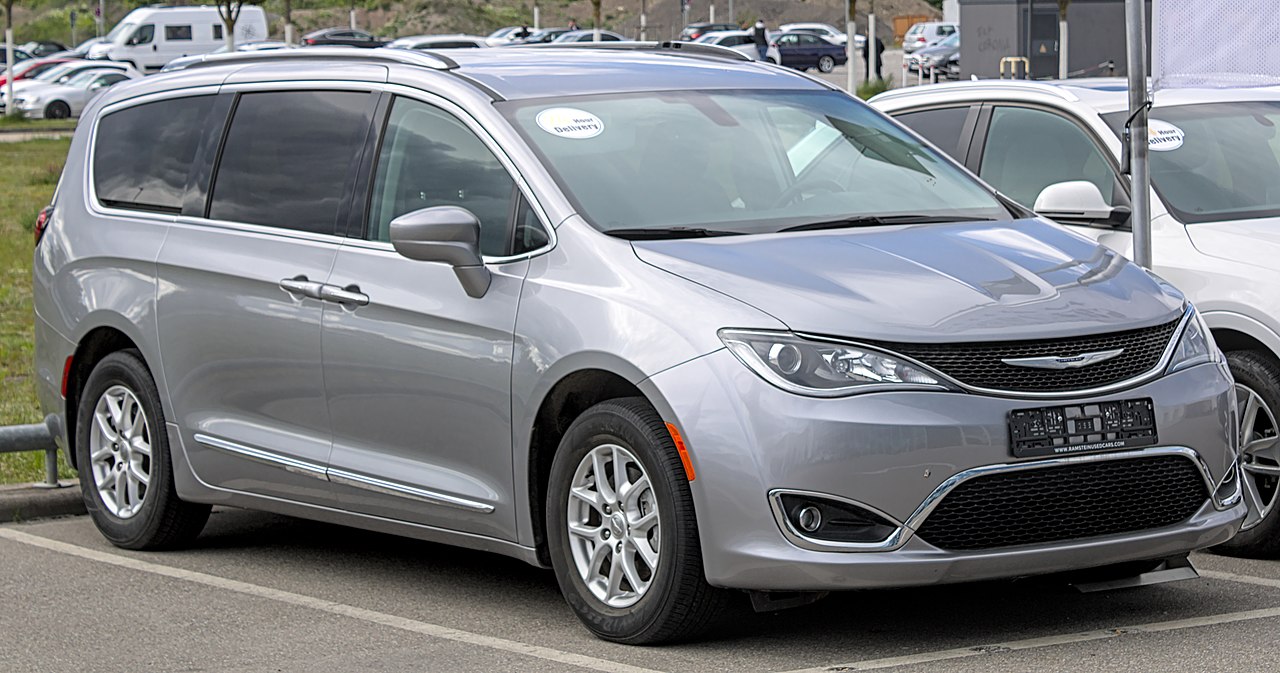
7) Minivans packed with thick pillars and headrests
Minivans packed with thick pillars and rows of headrests are designed around passenger comfort, yet those same features can block your sightlines in every direction. The long roof needs strong supports, and when you add tall seatbacks and child seats, the result is a cabin full of obstacles between your eyes and the windows. That layout means family haulers are still part of how America’s blind spots are expanding in the rear and side views, even though they are marketed as practical and safe.
Parents often drive minivans in school zones, playground areas, and crowded parking lots where children move unpredictably. Every blocked sightline increases the chance that a small child walking behind the van or darting between cars will go unseen. You can reduce that danger by lowering unused headrests, asking passengers to keep windows clear, and pausing to scan carefully before reversing or turning. Treat every low speed maneuver as if someone might be hidden just beyond the edge of your current view.
8) City hatchbacks with small rear glass
City hatchbacks with small rear glass are marketed as ideal for tight streets and cramped parking, yet their compact styling can create surprising blind spots. When designers shrink the rear window to achieve a sporty look or accommodate a thick tailgate, your view of what is directly behind you narrows dramatically. That means even urban runabouts contribute to how America’s blind spots are expanding whenever rear visibility is compromised.
In dense city traffic, you share the road with pedestrians, cyclists, delivery riders, and scooters that weave between lanes and appear suddenly at intersections. A small rear window can hide someone crossing behind you as you back out of a space or preparing to overtake as you change lanes. To stay ahead of those risks, you should reverse slowly, use short pauses to scan both sides of the street, and avoid relying on a single quick glance through the rear glass before committing to a maneuver.
9) Cars whose drivers rely only on mirrors
Cars whose drivers rely only on mirrors, no matter how well designed, will always have dangerous blind spots that the glass cannot cover. Safety guidance on lane changing stresses that blind spots are, in fact, your problem when you fail to physically turn your head and check the space beside you. Mirrors show only part of the picture, and if you skip that shoulder check, you are betting that nothing is hiding in the gap between what the mirror reflects and what your peripheral vision can see.
The stakes are highest for motorcyclists and cyclists, who can fit entirely inside that invisible zone. A driver who flicks on a signal and drifts into the next lane without looking can easily sideswipe a rider who was there all along. To avoid that, you should build a simple habit: mirror, signal, head check, then move. That extra half second of turning your head is often the only way to confirm the lane is truly clear before you steer into it.
10) Vehicles with camera and sensor tech that drivers overtrust
Vehicles with camera and sensor tech can help you see more, but they also tempt you to stop looking for yourself. Safety experts warn that even with advanced aids, blind spots are, in fact, your problem if you treat alerts as a substitute for checking. Cameras can be obscured by dirt or glare, and sensors may not detect every pedestrian, cyclist, or small object near your car, especially at odd angles or in complex traffic.
When you overtrust technology, you may back out of a driveway while staring at the screen instead of scanning your surroundings, or change lanes because a light in the mirror stayed dark. That complacency can turn a helpful tool into a crutch that fails at the worst possible moment. To use these systems safely, you should treat them as a second set of eyes, not your only ones, and always confirm what they show with your own direct observations.
11) Cars driven with badly adjusted mirrors
Cars driven with badly adjusted mirrors often have larger blind spots than the designers intended, which means the problem is not always the vehicle itself. When your side mirrors are angled too far inward, they duplicate what the rearview mirror already shows instead of covering the lanes beside you. That poor setup proves that blind spots are, in fact, your problem rather than just a flaw in the car’s design, because a few minutes of adjustment can dramatically improve what you see.
Guides that teach you how to inventory and protect your belongings, such as the advice to list each item and Keep receipts, reflect the same principle: small, deliberate steps can prevent big losses later. In your car, that means taking time to set mirrors so they just barely show the edge of your own vehicle, then tilting them outward until a passing car moves smoothly from rearview to side mirror to peripheral vision without disappearing.
12) Any car where the driver doesn’t scan for vulnerable road users
Any car where the driver does not actively scan for vulnerable road users becomes dangerous, regardless of its size or technology. Legal and safety analyses of crashes involving riders emphasize that blind spots are particularly dangerous for motorcyclists because it is relatively easy for a bike to sit just outside a driver’s mirror view. The same is true for pedestrians stepping off a curb or cyclists filtering between lanes, who can all vanish into the gaps your mirrors and windows do not cover.
When you fail to look for these people, you effectively treat empty glass as proof that the space is clear, even though someone may be traveling through the blind zone at that exact moment. To change that, you should build scanning into every maneuver: check crosswalks before turning, glance over your shoulder before opening a door, and sweep bike lanes with your eyes before crossing them. That mindset turns blind spots from an excuse into a risk you actively manage every time you drive.
More from Wilder Media Group: