

Rental companies live and die by reliability, so when a model keeps stranding customers or racking up repair bills, it quietly disappears from the fleet. You might still see some of these cars on used lots, but large operators have already learned the hard way that chronic breakdowns, expensive parts, and unhappy renters make them bad business. If you want to avoid the same headaches, it helps to know which models fleets have been dumping because of terrible reliability.
1) Nissan Rogue: CVT failures that sideline cars early
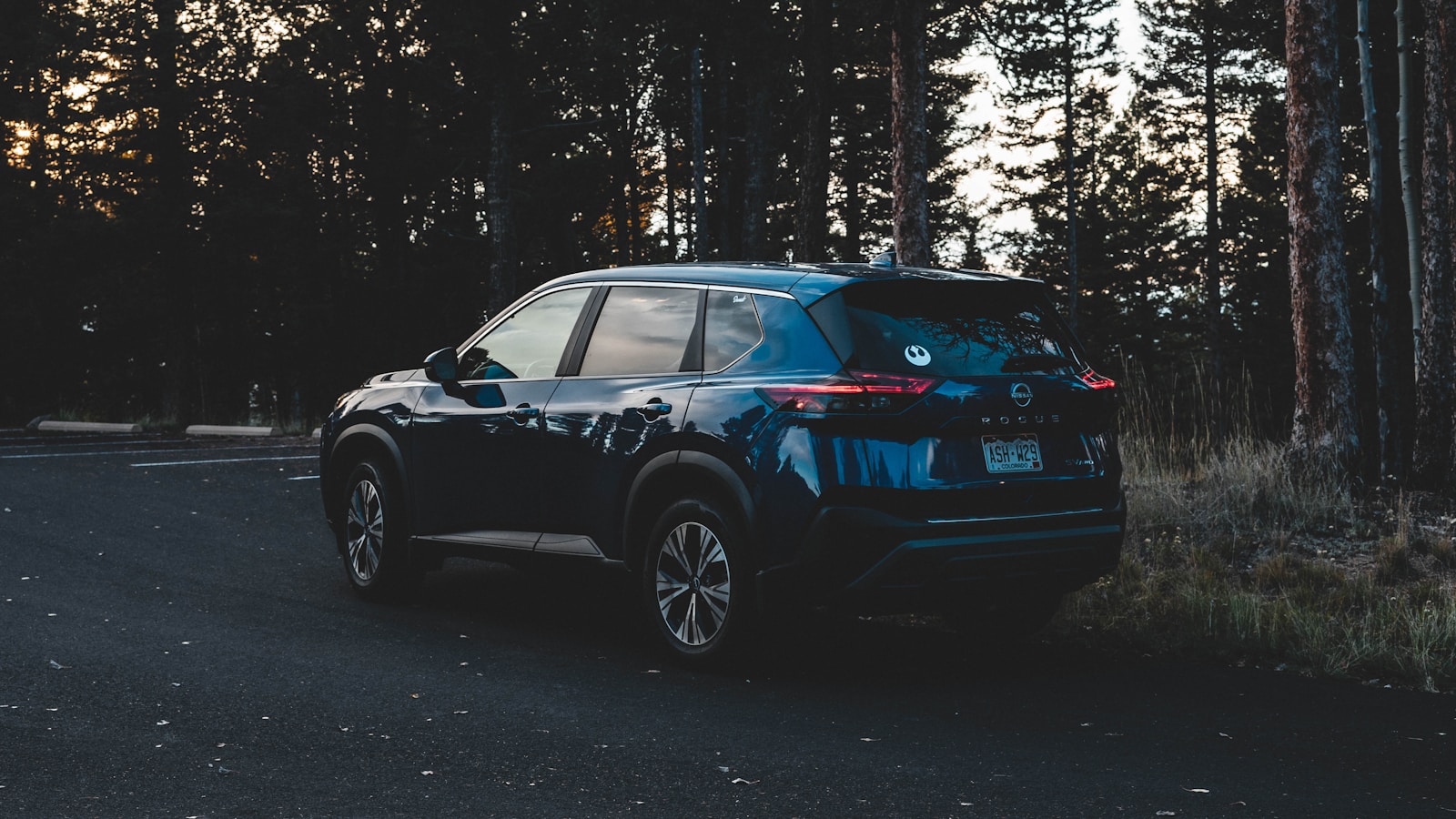
The Nissan Rogue has been a favorite for airport counters, yet its continuously variable transmission has become a liability that big fleets cannot ignore. Operators report that the Rogue’s CVT is prone to shuddering, overheating, and early failure, especially in high-mileage rental duty where drivers constantly switch between city and highway use. When a transmission goes out, the car is off the lot for days and the repair bill can wipe out months of rental revenue.
For you as a renter or used buyer, that pattern means more risk of getting a Rogue that has already had major drivetrain work or is on the verge of needing it. Fleets that once bought Rogues by the hundreds have shifted to rivals with conventional automatics because they spend less time in the shop and keep customers moving instead of waiting for a tow truck.
2) Jeep Cherokee: transmission and electronics that never settle down
The Jeep Cherokee looked like an ideal rental SUV, but its nine-speed automatic transmission and complex electronics have turned into a long-running headache. Fleet managers point to persistent transmission issues such as harsh shifts, hesitation, and repeated software updates that still do not fully resolve the behavior. Add in glitchy infotainment systems and warning lights that send cars back to the service bay, and the Cherokee spends more time parked than paid for.
Rental companies depend on predictable maintenance schedules, not mystery drivability complaints that frustrate short-term customers. When a renter complains that the SUV “feels like it is hunting for gears” or that the screen has frozen again, it hurts satisfaction scores and repeat business. That is why many fleets have quietly reduced or eliminated Cherokee orders in favor of simpler crossovers that deliver fewer surprises.
3) Ford Focus: dual-clutch transmission that renters hate
The Ford Focus became notorious in rental circles because of its troubled PowerShift dual-clutch automatic. Internal data and customer feedback highlighted shuddering, slipping, and rough engagement that made the car feel like it was constantly on the verge of stalling. For renters who just want an easy compact, that behavior feels like a defect, and many returned to the counter asking to swap cars after only a few miles.
From a fleet perspective, the Focus’s transmission problems meant frequent warranty visits, software flashes, and sometimes full gearbox replacements long before the odometer justified such major work. Those costs, combined with poor satisfaction scores, pushed rental buyers toward more conventional small cars that could rack up high mileage without generating a stack of transmission complaints and buyback negotiations.
4) Chevrolet Cruze: diesel and small-turbo woes that kill confidence
The Chevrolet Cruze initially appealed to fleets with its fuel-efficient turbocharged gasoline engines and the rare diesel option in a compact sedan. Over time, however, operators saw patterns of engine and emissions problems, especially on higher-mileage cars that lived on the highway. Turbo failures, check-engine lights tied to emissions hardware, and cooling system issues meant more unplanned downtime and higher-than-expected repair costs.
When a car spends days waiting on parts for a diesel emissions fix or turbo replacement, it is not generating revenue, and renters lose trust if they are handed keys to a model known for warning lights. That combination has led many fleets to phase out the Cruze in favor of compact sedans with simpler powertrains that can handle constant turnover without triggering expensive emissions or turbocharger repairs.
5) Dodge Journey: aging platform with mounting mechanical issues
The Dodge Journey lingered in rental fleets long after most retail buyers moved on, largely because it was cheap to acquire. Over time, though, its age caught up with it, and operators documented frequent complaints about brake wear, suspension problems, and electrical gremlins. An older design with dated components simply did not stand up as well to the abuse of constant short trips, curb hits, and overloaded family vacations.
For renters, that translated into crossovers with spongy brakes, clunky steering, and intermittent features like power windows or air conditioning that did not always behave. As warranty coverage expired and repair costs rose, the low purchase price no longer offset the maintenance burden. Many fleets have since replaced the Journey with newer three-row models that offer better reliability records and fewer customer complaints at the counter.
6) Fiat 500: quirky city car that cannot handle fleet duty
The Fiat 500 arrived as a stylish, European-flavored option that some rental brands used to spice up their compact offerings. In practice, its spotty reliability, including issues with automatic transmissions, electrical systems, and interior trim durability, made it a poor fit for high-turnover fleets. Small city cars already face a tough life in rental service, and the 500’s fragile components did not cope well with drivers unfamiliar with its quirks.
When door handles break, warning lights appear, or the automatic hesitates in traffic, renters blame the brand and the rental company, not the car’s boutique positioning. That reputational risk, combined with frequent small repairs that tie up service bays, has led many operators to abandon the 500 in favor of more robust subcompacts and small crossovers that can survive years of abuse without constant tinkering.
7) Volkswagen Jetta (older generations): costly fixes and complex engines
Earlier generations of the Volkswagen Jetta earned a place in rental fleets, but their long-term reliability has not matched simpler rivals. Fleet maintenance records highlight recurring issues with turbocharged engines, high-pressure fuel systems, and complex electronics that can be expensive to diagnose and repair. When a check-engine light appears on a Jetta, it often signals a problem that requires specialized tools and parts, not a quick fix.
For rental companies, that complexity translates into higher labor costs and longer downtime compared with mainstream sedans that use more conventional hardware. Renters also notice when a car feels tired, with rough idle or intermittent infotainment glitches. As a result, many fleets have reduced their exposure to older Jettas, pivoting toward models that deliver similar comfort and features without the same risk of high-dollar engine or electronics repairs.
8) Chrysler 200: stylish sedan with drivetrain drama
The Chrysler 200 briefly became a staple of the midsize rental class, but its nine-speed automatic transmission and some engine combinations created reliability headaches. Reports of hard shifts, hesitation, and stalling undermined renter confidence, especially when the behavior appeared in stop-and-go traffic or highway merging. Even when software updates improved drivability, the model’s reputation inside fleets was already damaged.
From a business standpoint, a sedan that generates frequent transmission complaints is a liability, no matter how attractive its styling or interior may be. Rental operators began trimming 200 orders and accelerating sell-offs once warranty coverage ended, preferring midsize sedans with proven automatics that could handle constant driver changes without drama. That shift has left the 200 largely absent from newer fleets despite its relatively recent design.
9) Kia Sedona (early models): minivan wear that shows too soon
Early Kia Sedona minivans gave rental companies an affordable way to offer three-row seating, but reliability concerns emerged as mileage climbed. Maintenance logs pointed to issues with engines, transmissions, and sliding-door hardware that appeared sooner than expected in heavy-duty use. Minivans already endure hard lives hauling families and luggage, and the Sedona’s components often showed fatigue earlier than rival models.
For renters, that meant vans with balky doors, drivetrain noises, or air conditioning that struggled under full load, all of which can ruin a vacation or business trip. As warranty claims piled up and resale values lagged, many fleets shifted their minivan purchases toward competitors with stronger long-term reliability records, leaving the early Sedona generations to fade from mainstream rental lots.
10) Mitsubishi Mirage: ultra-cheap, ultra-fragile economy car
The Mitsubishi Mirage attracted some rental buyers with its rock-bottom price and high fuel economy, but its durability in fleet service has been disappointing. Operators cite frequent minor failures involving suspension components, interior trim, and basic hardware that wears out quickly under constant use. While individual repairs may be inexpensive, the cumulative effect of repeated shop visits erodes any savings from the low purchase price.
Renters often perceive the Mirage as underpowered and flimsy, which hurts satisfaction scores even when it does not break. When squeaks, rattles, and alignment issues appear on relatively low-mileage cars, fleets take notice and reconsider future orders. Many have concluded that slightly more expensive subcompacts deliver better overall value because they stay on the road longer and generate fewer complaints about both quality and performance.
11) Tesla Model 3: high-tech downtime and repair bottlenecks
The Tesla Model 3 has appeared in some premium and EV-focused rental fleets, but its complex technology and repair ecosystem create unique reliability challenges. Operators report that collision and component repairs can be slow and costly, with limited parts availability and specialized labor requirements that keep cars sidelined for extended periods. Even minor body damage or sensor issues can trigger lengthy service visits that are incompatible with high-utilization rental models.
For renters, a Model 3 that suddenly displays driver-assistance warnings or charging faults can be more stressful than a conventional car with a simple mechanical issue. Fleets that experimented with larger EV allocations have learned that uptime, not just fuel savings, determines profitability. As a result, some have scaled back Model 3 orders or restricted them to niche programs, favoring EVs and hybrids with more conventional service networks and shorter repair cycles.
More from Wilder Media Group: