

Some 1990s cars have aged into dependable modern classics, but others hide expensive flaws that can turn ownership into a financial trap. If you are shopping for a nostalgic daily driver, it pays to know which models have earned reputations as mechanical time bombs, with chronic engine, transmission, or electrical failures that can wipe out any savings from a low purchase price.
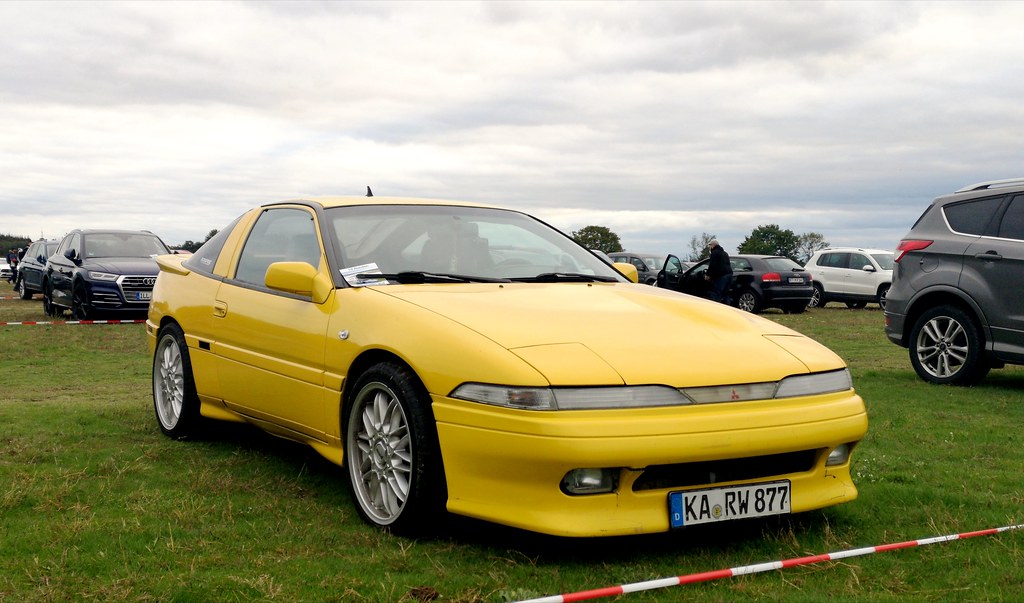
1) 1997–1999 Mitsubishi Eclipse GSX and GST
The 1997–1999 Mitsubishi Eclipse GSX and GST look like affordable turbo performance bargains, yet their 4G63T engines are notorious for crankshaft “walk” that can destroy the bottom end. Reports of crankwalk failures describe thrust bearing wear that lets the crank move enough to damage the clutch and block, often requiring a full engine replacement. You also face fragile manual transmissions that struggle with stock power, let alone modifications, and aging turbochargers that can leak oil or seize.
For you as a buyer, the risk is that a seemingly cheap Eclipse can need an engine and gearbox rebuild that costs more than the car. Unless you can verify meticulous maintenance, oil pressure health, and a documented clutch history, you are gambling on a drivetrain that many owners treat as disposable. These cars reward careful enthusiasts, but as a daily driver, they fit the definition of a mechanical time bomb.
2) 1995–1999 Chrysler Sebring Convertible (2.5 V6)
The 1995–1999 Chrysler Sebring Convertible with the 2.5‑liter V6 hides serious long-term durability issues behind its relaxed cruiser image. Owners and technicians have documented premature timing belt failures and oil leaks from valve cover gaskets and cam seals that can starve the engine of lubrication. Because the 2.5 V6 is an interference design, a broken belt often bends valves, turning a minor maintenance oversight into a full top-end rebuild.
Electrical gremlins compound the risk, with failing power window regulators, inoperative convertible tops, and erratic instrument clusters all common complaints as these cars age. For you, that means a cheap summer toy can quickly become a money pit, especially if previous owners skipped the recommended timing belt interval. Unless service records prove recent belt, water pump, and seal work, you should treat any 1990s Sebring V6 as a high-stakes bet.
3) 1996–1999 Subaru Outback (2.5 DOHC)
The 1996–1999 Subaru Outback with the 2.5‑liter DOHC EJ25 engine is beloved for all‑weather capability, but its early head gasket design is a well-documented weak point. Technicians have traced coolant and oil leaks to external gasket failures that can progress to internal mixing, overheating, and warped cylinder heads. Once combustion gases enter the cooling system, you may face repeated overheating episodes that standard repairs cannot easily cure.
Because many of these cars have high mileage, you also contend with worn timing components, aging radiators, and corroded cooling passages that magnify the risk. For a buyer, the stakes are clear: a cheap 1990s Outback can require engine-out head gasket work that rivals the car’s value. Unless you see proof of updated gaskets, proper coolant changes, and compression tests, you should assume the original EJ25 is a ticking expense.
4) 1995–1999 Volkswagen Jetta VR6
The 1995–1999 Volkswagen Jetta VR6 pairs a charismatic narrow‑angle six‑cylinder engine with a reputation for expensive failures as it ages. The compact VR6 layout uses a complex timing chain system at the transmission end of the engine, and chain guide wear can lead to slack, rattling, and eventual chain jump. When that happens, valves and pistons collide, often destroying the engine in an instant.
Electrical and cooling issues add to the risk, with failing coil packs, clogged radiators, and brittle plastic cooling flanges all common on 1990s examples. For you, the danger is that a neglected Jetta VR6 can demand thousands in timing chain, cooling system, and electrical repairs just to be reliable. Without documentation of chain service and thorough cooling maintenance, the car’s appealing sound and performance mask a serious mechanical time bomb.
5) 1994–1998 BMW 740i and 740iL (E38)
The 1994–1998 BMW 740i and 740iL (E38) showcase 1990s luxury at its peak, yet the M60 and early M62 V8 engines have known weaknesses that can be ruinous. Owners have reported Nikasil cylinder wear in markets that used high‑sulfur fuel, leading to compression loss, hard starting, and eventual engine replacement. Even where fuel chemistry spared the bores, plastic timing chain guides can crack with age, risking chain jump and catastrophic internal damage.
Beyond the engine, complex air suspension components, aging electronics, and failing climate control systems can each generate four‑figure repair bills. For a buyer, the combination of potential engine failure and intricate luxury hardware means a cheap E38 can rapidly exceed its purchase price in repairs. Unless you confirm an Alusil block, healthy compression, and extensive service history, you are stepping into a high‑risk ownership experience.
6) 1993–1997 Toyota Supra Twin Turbo (2JZ‑GTE)
The 1993–1997 Toyota Supra Twin Turbo, powered by the 2JZ‑GTE, is legendary for strength, but many surviving cars have been heavily modified and abused. Tuners often push stock internals far beyond factory boost levels, and fuel system limitations and marginal cooling can lead to detonation, cracked ring lands, and spun bearings. Once detonation damages the pistons, you may face a full engine rebuild that costs far more than on an ordinary 1990s coupe.
High‑mileage twin‑turbo setups also suffer from worn sequential turbo control hardware, tired oil seals, and brittle vacuum lines that can cause erratic boost and smoke. For you, the real time bomb is not Toyota’s original engineering but decades of aggressive tuning and track use. Without dyno sheets, build documentation, and careful inspection, even a stock‑appearing Supra can hide expensive internal damage waiting to surface.
7) 1995–1999 Nissan Maxima (VQ30DE with Automatic)
The 1995–1999 Nissan Maxima with the VQ30DE engine and automatic transmission is praised for smooth power, yet the drivetrain combination has aging‑related vulnerabilities. While the VQ30 itself is robust, technicians have documented automatic transmission failures involving slipping, harsh shifts, and complete loss of drive, often linked to heat and neglected fluid changes. Rebuilding or replacing the transmission can cost more than the car’s market value.
As these sedans age, failing engine mounts, worn ignition coils, and deteriorated cooling components can further stress the transmission by introducing vibration and overheating. For you, the risk is that a comfortable, inexpensive commuter can suddenly require a transmission overhaul and supporting repairs. Unless you confirm frequent fluid changes, smooth operation when hot, and clean transmission fluid, you should treat a 1990s Maxima automatic as a potential mechanical liability.
8) 1991–1996 Ford Explorer (4.0 OHV)
The 1991–1996 Ford Explorer with the 4.0‑liter OHV V6 helped popularize SUVs, but its early design has several durability concerns. Owners have reported head cracking and gasket failures that can introduce coolant into the combustion chambers, leading to misfires, overheating, and eventual engine failure. Aging cooling systems and neglected maintenance often accelerate these issues, especially in vehicles used for towing or off‑road driving.
Transmission problems are another recurring theme, with early automatic gearboxes suffering from worn bands, failed torque converters, and valve body issues that cause slipping or delayed engagement. For you, the combination of potential engine and transmission failure means a cheap first‑generation Explorer can become a constant repair project. Without thorough inspection of coolant condition, compression, and transmission behavior, you risk inheriting a 1990s SUV that is mechanically on borrowed time.
9) 1995–1999 Audi A4 1.8T Quattro
The 1995–1999 Audi A4 1.8T Quattro introduced turbocharged refinement to the compact luxury segment, yet its early 1.8‑liter turbo engine has well‑known oil‑related vulnerabilities. Inadequate oil change intervals and sludge‑prone designs have led to oil sludge buildup that can starve the turbocharger and camshafts of lubrication. Once oil passages clog, you may see turbo failure, cam wear, and eventual engine seizure.
Quattro all‑wheel drive adds complexity, with aging CV joints, center differentials, and control arms all contributing to high running costs as mileage climbs. For a buyer, the stakes are significant: a neglected 1.8T can demand engine cleaning or replacement, turbo work, and suspension overhauls in quick succession. Unless you can verify frequent synthetic oil changes and detailed service records, a 1990s A4 1.8T is a risky proposition.
10) 1992–1998 Pontiac Grand Am (Quad 4)
The 1992–1998 Pontiac Grand Am equipped with the Quad 4 engine is a classic example of ambitious engineering that struggled in real‑world durability. The high‑revving four‑cylinder developed a reputation for head gasket failures, cracked heads, and timing chain problems that could leave owners with sudden overheating and loss of compression. Once the aluminum head warps, repair costs often exceed the value of an aging compact sedan.
Vibration and noise issues also plagued the Quad 4, and as these cars age, failing engine mounts and deteriorated exhaust components can make the drivetrain feel even harsher. For you, that means a low‑priced Grand Am can quickly demand major engine work and still deliver a coarse driving experience. Without proof of recent head gasket, cooling system, and timing service, the Quad 4‑powered Grand Am is best viewed as a mechanical gamble.
11) 1993–1997 Mazda RX‑7 (FD)
The 1993–1997 Mazda RX‑7 (FD) is revered for its handling and rotary power, yet its twin‑rotor 13B‑REW engine is one of the most maintenance‑sensitive designs of the 1990s. The sequential twin‑turbo system relies on a maze of vacuum hoses and actuators, and boost control failures can cause lean conditions, detonation, and rapid rotor seal wear. Once apex seals fail, compression drops and the engine typically requires a full rebuild rather than simple top‑end work.
Heat management is another critical weakness, with undersized radiators and oil coolers struggling if owners neglect maintenance or modify the car without supporting upgrades. For you, the implication is clear: an FD RX‑7 that has not been meticulously cared for can consume engines at intervals that would be unthinkable in a conventional piston car. Unless you see compression test results, detailed service logs, and evidence of proper cooling upgrades, the RX‑7 is a beautiful but volatile time bomb.
More from Wilder Media Group: