

Continuously variable transmissions can feel smooth from behind the wheel, but many mechanics quietly dread the repair bills, diagnostic headaches, and short service lives that some CVT-equipped cars bring into the shop. When you are shopping used or planning to keep a vehicle well past its warranty, it pays to know which models tend to trigger the most frustration on the lift and the highest costs at the parts counter.
1) Nissan Altima CVT, notorious for early belt and pulley wear
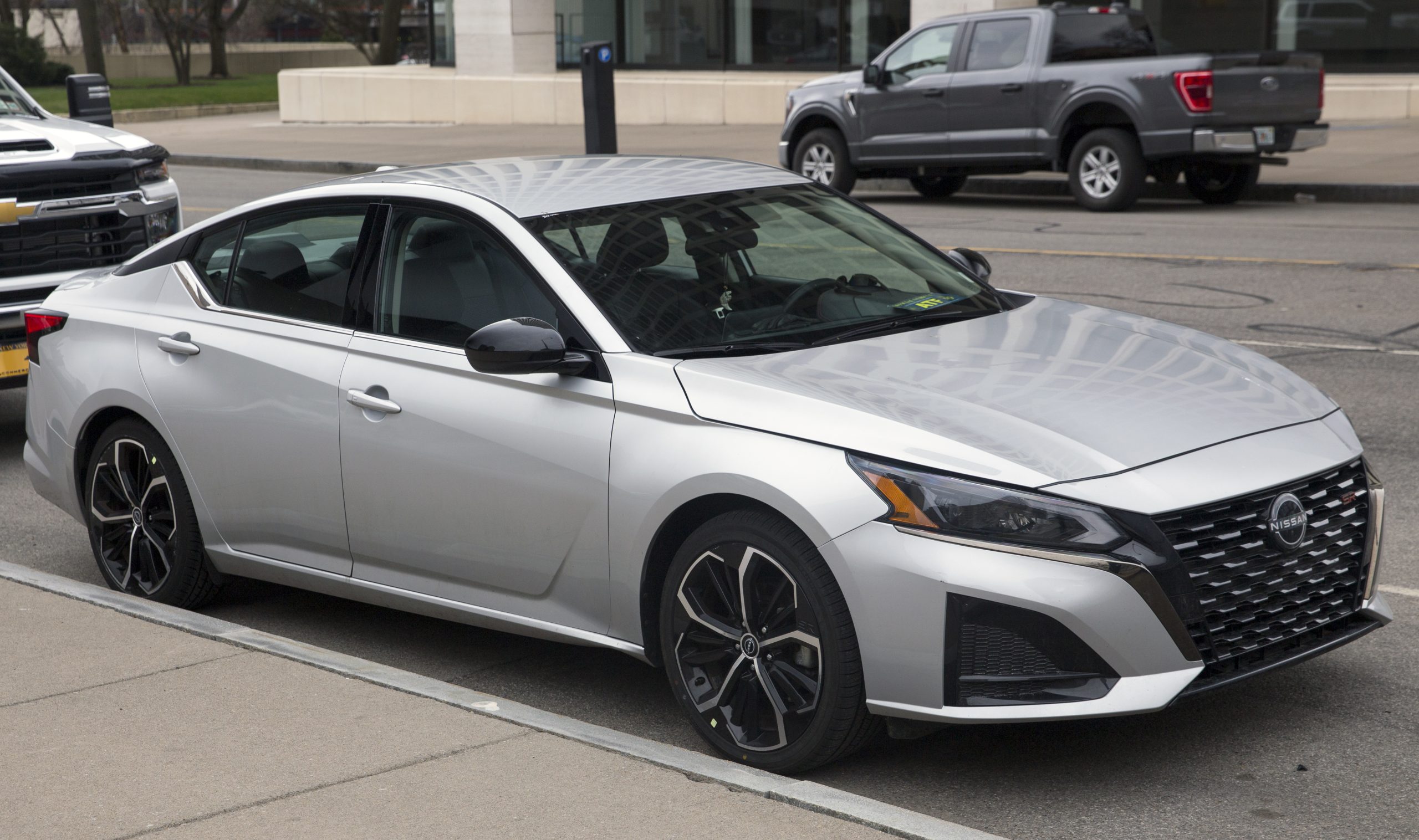
The Nissan Altima with a CVT is often cited by technicians as a sedan where the transmission can fail long before the rest of the car feels old. Mechanics complain that the steel belt and pulleys inside the unit can wear prematurely, leading to shuddering on acceleration and a delayed response when you press the throttle. Once metal debris circulates through the fluid, the internal damage usually escalates quickly, leaving you with few options beyond a full replacement or factory remanufactured unit.
From a shop’s perspective, that pattern is a nightmare, because even careful fluid changes may not prevent a weak CVT from giving up at relatively low mileage. Owners who drive mostly in stop‑and‑go traffic or tow small trailers can accelerate the wear, which is why many independent mechanics warn customers away from high‑mileage Altimas with vague service histories. If you are considering one, budgeting for a potential transmission replacement is almost mandatory.
2) Nissan Rogue CVT, frequent overheating and limp‑mode complaints
The Nissan Rogue’s CVT has a reputation among mechanics for overheating on long highway climbs or in hot climates, which can trigger a sudden drop into limp mode. Drivers describe the engine revving while the vehicle barely accelerates, a symptom that often points to internal CVT distress. Shops see these crossovers arrive with stored temperature codes and discolored fluid, both signs that the transmission has been running beyond its comfort zone for too long.
Because the Rogue is a popular family hauler, many examples are driven fully loaded, which adds stress to a marginal design. Technicians often recommend installing auxiliary coolers or advising owners to back off the throttle on steep grades, but those are band‑aids rather than cures. When a Rogue’s CVT finally fails, the cost of replacement can rival the vehicle’s resale value, which is why many mechanics quietly steer budget‑minded buyers toward conventional automatic alternatives.
3) Nissan Sentra CVT, budget compact with expensive transmission risks
The Nissan Sentra pairs an economy‑car price with a CVT that many mechanics view as a financial trap once the odometer climbs. In the bay, they see compact sedans that look tidy and well kept but suffer from harsh engagement, surging at steady speeds, or complete loss of drive. Those symptoms often trace back to internal valve body issues or belt slippage, both of which are difficult to repair piecemeal and usually push the conversation toward full replacement.
Because Sentras are common first cars for students and commuters, they are frequently driven hard and maintained on the cheap, which compounds the CVT’s weaknesses. Technicians note that even when a used Sentra seems like a bargain, the risk of a multi‑thousand‑dollar transmission bill can erase any savings. For shoppers who want a simple, long‑term commuter, many mechanics suggest looking for a manual‑transmission Sentra instead, or choosing a rival compact with a conventional automatic.
4) Jeep Patriot CVT, off‑road branding with fragile internals
The Jeep Patriot’s CVT often frustrates mechanics because the vehicle’s rugged image encourages owners to push it harder than the transmission can tolerate. Shops report Patriots that have spent time on rough trails or towing small campers arriving with whining noises, slipping under load, and metal‑laden fluid. Once those symptoms appear, the internal damage is usually advanced, and the cost of a new or rebuilt unit can exceed what many owners are willing to invest in an aging compact SUV.
Technicians also dislike how little margin for error the Patriot’s CVT offers when it comes to fluid type and service intervals. Using the wrong fluid or stretching changes can accelerate wear, yet many examples on the used market have incomplete records. For buyers drawn to the Jeep badge and upright styling, mechanics often recommend seeking a model year or trim with a traditional automatic, especially if you plan to explore gravel roads or carry heavy loads regularly.
5) Jeep Compass CVT, city crossover with costly long‑term upkeep
The Jeep Compass equipped with a CVT tends to show up in repair shops with similar complaints to its Patriot sibling, but often at lower mileage because many are used as daily urban commuters. Mechanics encounter shuddering at low speeds, hesitation when merging, and warning lights tied to transmission temperature or pressure. These issues can be intermittent at first, making diagnosis tricky and leading some owners to spend money on software updates or sensors before the underlying mechanical wear becomes obvious.
From a technician’s standpoint, that diagnostic ambiguity is part of why the Compass CVT earns so much dislike. It consumes shop time, frustrates owners, and often ends in the same expensive conclusion: the unit is failing internally. For drivers who want a small Jeep for city use, many mechanics suggest prioritizing trims with a conventional automatic or newer designs that moved away from the early CVT hardware that caused so many headaches.
6) Mitsubishi Outlander CVT, family SUV with mixed reliability record
The Mitsubishi Outlander’s CVT divides opinion, but many independent mechanics see enough failures to treat it cautiously. In their bays, Outlanders arrive with complaints of droning engine noise at steady speeds, surging on light throttle, and occasional flares in rpm without corresponding acceleration. These symptoms often indicate that the steel belt is slipping or that internal hydraulic control is no longer maintaining proper pressure, both of which can lead to sudden loss of drive if ignored.
Because the Outlander is marketed as a practical family SUV, owners often expect it to handle years of road trips and heavy cargo without drama. When the CVT falters, the repair estimate can be a shock, especially for households that chose the vehicle for its value pricing. Technicians frequently advise Outlander owners to adhere strictly to fluid change intervals and to address any early signs of shudder or slipping immediately, since catching problems early is the only realistic way to extend the life of a marginal unit.
7) Subaru Forester CVT, sensitive to maintenance and driving style
The Subaru Forester’s CVT is more refined than some rivals, yet many mechanics still approach it with caution because of how sensitive it is to maintenance and driving habits. Shops see Foresters that have missed fluid changes or spent years towing small trailers arrive with torque converter shudder, delayed engagement when shifting into drive, or warning lights tied to transmission temperature. Once those issues appear, the cost of repair can be steep, particularly on higher‑mileage vehicles out of warranty.
Technicians emphasize that the Forester’s all‑wheel‑drive system adds extra load to the CVT, making proper service even more critical. Owners who assume the drivetrain is “set and forget” can unintentionally shorten the transmission’s life, which is why many mechanics stress clear, objective maintenance schedules, echoing the kind of item‑by‑item checking described in SE 5377. If you want a Forester to last, you need to treat its CVT as a high‑priority component rather than an afterthought.
8) Subaru Outback CVT, long‑distance cruiser with high‑stakes failures
The Subaru Outback’s CVT often fails in a way that feels especially cruel to owners, because the car is built for long‑distance travel and remote adventures. Mechanics report wagons arriving after highway trips with sudden loss of power, flashing warning lights, and stored codes pointing to internal pressure or temperature problems. In many cases, the transmission has already suffered enough internal damage that rebuilding is impractical, leaving replacement as the only realistic option.
For technicians, the stakes are high because Outback owners tend to be loyal and expect their vehicles to run well past 200,000 miles. When a CVT fails at half that distance, it can sour a long‑standing relationship with both the brand and the local shop. Many mechanics now warn buyers of older Outbacks to budget carefully, verify service records, and consider extended coverage if they plan to rely on the car for cross‑country travel or remote camping trips.
9) Honda Civic CVT, efficient but unforgiving of neglect
The Honda Civic’s CVT is generally more reliable than some competitors, yet mechanics still see enough failures to treat neglected examples warily. In the workshop, problem Civics often present with juddering at low speeds, a “rubber band” feel during acceleration, or occasional slipping when merging. These issues are frequently linked to skipped fluid changes or the use of non‑approved fluids, which can accelerate wear on the belt and pulleys inside the unit.
Technicians point out that many Civic owners assume the car’s reputation for durability extends to every component regardless of maintenance, which is not the case. When a CVT has been abused, even a brand known for longevity cannot save it from an expensive failure. For shoppers, the lesson is clear: a Civic with a spotless service history can be a smart buy, but a cheap example with vague records may be hiding a transmission problem that will erase any upfront savings.
10) Honda Accord CVT, midsize sedan with complex repair demands
The Honda Accord’s CVT, used on certain four‑cylinder trims, combines smooth performance with a level of complexity that many independent mechanics dislike. When problems arise, such as hesitation off the line, flares in rpm, or harsh engagement, the diagnostic process can require specialized scan tools and detailed service information. Even then, internal wear on the belt or pulleys often leaves replacement as the only viable fix, since few shops attempt deep internal repairs on these units.
Because the Accord is a popular choice for high‑mileage commuters and ride‑share drivers, its CVT can rack up stress quickly. Technicians see cars that have spent years in heavy traffic or stop‑and‑go city use arrive with tired transmissions long before the engine shows similar wear. For owners who plan to keep an Accord for a decade or more, many mechanics recommend strict adherence to fluid intervals and a cautious test drive that checks for any hint of shudder or slipping before signing the paperwork.
11) Toyota Corolla CVT, small issues that can snowball if ignored
The Toyota Corolla’s CVT is often praised for efficiency, but mechanics still encounter enough problem cases to keep it on their watch list. In the bay, troublesome Corollas may exhibit slight shuddering when pulling away from a stop, subtle surging at steady speeds, or faint whining noises that grow louder over time. These early warning signs can be easy for owners to dismiss, yet they often precede more serious internal wear that eventually leads to costly repairs.
Technicians stress that the Corolla’s reputation for bulletproof reliability can lull drivers into ignoring minor symptoms. When those small issues are allowed to progress, the CVT can reach a point where replacement is the only realistic option, wiping out years of low running costs in a single repair. For budget‑conscious buyers, listening carefully during a test drive and insisting on documented maintenance is essential if you want the Corolla’s CVT to match the car’s overall durability.
12) Toyota RAV4 CVT, compact SUV where towing and hills take a toll
The Toyota RAV4’s CVT, used on certain markets and trims, tends to draw mechanic complaints when owners push it beyond light‑duty commuting. Shops see RAV4s that have spent time towing small trailers or climbing steep hills arrive with overheating issues, slipping under load, or warning lights tied to transmission performance. Once the fluid has been repeatedly overheated, internal components can degrade quickly, leaving the unit vulnerable to sudden failure.
From a technician’s viewpoint, the mismatch between the RAV4’s adventurous image and the CVT’s limitations is a recurring problem. Drivers expect a compact SUV to handle road trips, mountain passes, and occasional towing without drama, yet the transmission may not be up to that task over the long term. Mechanics often advise RAV4 owners to stay within conservative towing limits, monitor any change in shift feel, and consider alternative powertrains if they plan to work the vehicle hard.
More from Wilder Media Group: