


You probably hear about the splashy recalls that dominate headlines, but many significant safety actions unfold with far less attention. These quieter recalls can still affect your car, your kitchen, your kids’ gear, or even your medications, and you often have to dig to see whether you are covered. Here are 12 recalls manufacturers handled with limited public hype, yet each one carried real stakes for your safety, your wallet, or both.
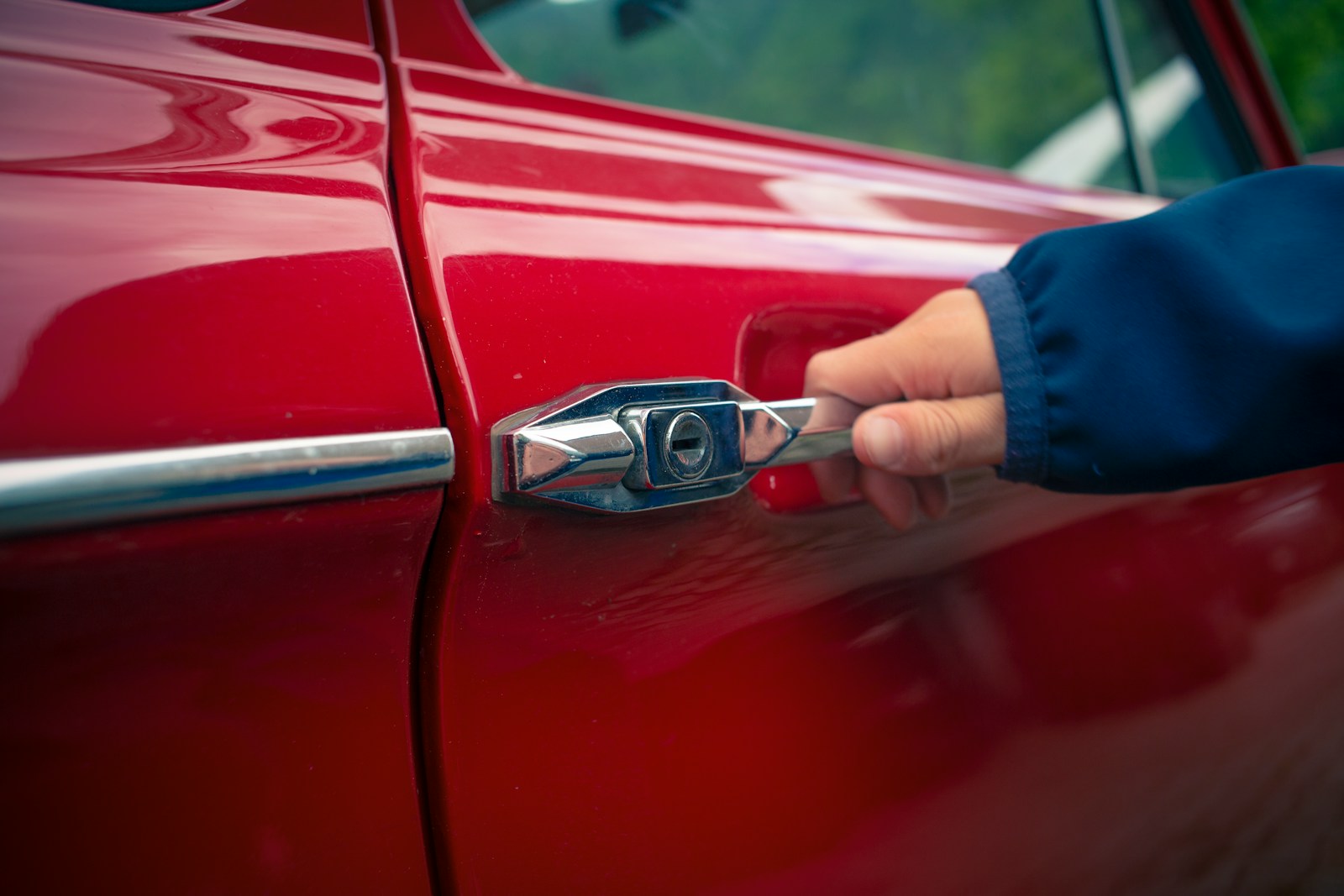
1) Ford’s door latch recall that expanded quietly across model years
Ford’s recall of vehicles with faulty door latches illustrates how a safety issue can grow while public attention fades. The company acknowledged that certain models, including specific Ford Focus and Ford Fiesta years, had latches that could fail, allowing doors to open while driving. The recall eventually covered hundreds of thousands of vehicles, but many owners only learned about it through mailed notices rather than broad campaigns. For you, that means a risk of doors popping open on the road if you missed the notice or bought a used car after the initial wave.
The stakes are obvious, since an unexpected open door can eject passengers or force you into an emergency stop in traffic. Regulators treated the defect as a safety issue, yet the recall unfolded in stages, which can leave gaps in awareness. If you drive an older Ford compact, checking your VIN against the official recall database is often the only way to confirm whether your latch was replaced, especially if you bought the vehicle secondhand.
2) GM ignition switch repairs that lingered beyond the headline scandal
General Motors’ ignition switch crisis generated intense coverage at first, but later recall expansions drew far less attention. The core defect allowed the ignition in certain Chevrolet Cobalt and Saturn Ion models to slip out of the “run” position, cutting power steering and disabling airbags. After the initial wave of scrutiny, additional affected vehicles were added, including other compact models that shared the same switch design. Many of those owners received low-key letters rather than seeing their specific cars named in follow-up news coverage.
For you, the quiet tail of this recall matters because a stalled engine with disabled airbags can turn a minor crash into a fatal one. Investigators linked the defect to multiple deaths, and internal documents showed engineers had flagged the problem years earlier. Yet as the scandal moved off front pages, some drivers never realized their car was included in later recall rounds, underscoring why periodic VIN checks are essential even when you think a controversy has passed.
3) Takata airbag inflator expansions that kept adding vehicles
The Takata airbag crisis is widely known, but many of the later recall expansions arrived with minimal fanfare. The core problem involved inflators that could rupture and spray metal fragments into the cabin, especially in humid climates. After the initial wave of high-profile announcements, additional model years and brands were quietly added, including older Honda, Toyota, and BMW vehicles that had not been part of the first lists. Owners of those aging cars often did not receive the same level of media-driven urgency.
The risk, however, did not diminish with time. Rupturing inflators were linked to multiple deaths and serious injuries, and regulators urged drivers in certain regions to seek immediate repairs. If you drive an older sedan or SUV, especially in a warm or humid state, your vehicle might have been swept into a later Takata expansion without you noticing. That makes it crucial to verify whether your airbags were replaced, rather than assuming the absence of headlines means you are safe.
4) Hyundai and Kia engine fire recalls that trickled out in stages
Hyundai and Kia faced a series of recalls tied to engine fire risks, but many of the later actions unfolded with limited publicity. Certain models equipped with Theta II engines were found to have defects that could cause stalling or fires, sometimes even when parked. After early coverage, additional Hyundai and Kia vehicles were added in separate campaigns, often framed as “product improvements” or service campaigns rather than loudly branded as safety emergencies.
For owners, the distinction in language can blur the urgency. A parked-car fire can destroy property or threaten nearby homes, and a stalled engine on the highway can trigger rear-end collisions. Yet if you only skimmed the first wave of stories, you might not realize your specific model year was added later. Checking recall details for your exact engine type and build date is critical, especially if you have noticed knocking sounds, warning lights, or unexplained burning smells.
5) Tesla’s software-based safety recalls delivered over the air
Tesla has handled several safety recalls through over-the-air software updates, which can make them feel more like routine app patches than traditional repairs. One example involved Autopilot behavior and driver monitoring, where regulators said the system could allow drivers to misuse automated features. Instead of asking owners to visit service centers, Tesla pushed updates remotely, sometimes describing them as improvements rather than emphasizing the recall label that regulators used.
For you as a driver, that approach can blur the line between convenience and accountability. A safety-critical change delivered silently in the background may not prompt you to adjust your habits or fully understand the risk that triggered it. Regulators have stressed that even software-only fixes are still recalls, with legal obligations attached. If you rely heavily on driver-assistance features, it is worth reading the specific release notes and recall documentation to see what changed and why officials insisted on the update.
6) Peloton treadmill recall that focused on a model name, not the broader risk
Peloton’s recall of its Tread+ treadmill highlighted how branding can shape public perception of a safety issue. After reports of injuries and the death of a child, the company agreed to recall Tread+ units and offer refunds or modifications. The recall centered on that specific model name, which meant some owners of other treadmills or fitness devices did not immediately realize similar hazards, such as entrapment under a moving belt, could exist in their homes even if their product was not formally covered.
For consumers, the narrow focus can create a false sense of security. The recall documentation described how children and pets could be pulled under the rear of the machine, a risk that may apply to other high-powered treadmills with similar designs. Even if your device was not part of the official action, the underlying hazard suggests you should rethink placement, supervision, and access. The Peloton case shows how a brand-specific recall can mask a category-wide safety lesson.
7) Infant inclined sleeper recalls that unfolded brand by brand
Recalls of infant inclined sleepers emerged over time, with different brands acting separately rather than through a single sweeping announcement. Safety officials linked certain designs to a risk of suffocation when babies rolled over or their airways were obstructed. Products such as inclined sleepers were pulled from the market in stages, and some companies offered refunds or vouchers quietly, relying on parents to notice recall notices or check product registration cards.
The stakes for families are severe, since unsafe sleep environments can contribute to infant deaths. Yet many caregivers received these products as gifts or hand-me-downs, without registering them or tracking brand-specific alerts. The piecemeal recall approach meant that even as one company acted, similar products from other manufacturers remained in circulation. If you care for an infant, verifying that any sleeper or lounger meets current flat, firm-surface guidance is more important than relying on whether a particular brand has issued a recall.
8) Contaminated blood pressure medications pulled from pharmacy shelves
Several blood pressure medications containing valsartan, losartan, or irbesartan were recalled after impurities linked to cancer risk were detected in certain batches. The recalls often targeted specific lot numbers from particular manufacturers, rather than every pill with the same active ingredient. Pharmacies quietly removed affected stock, and many patients only learned of the issue if their pharmacist or doctor contacted them directly, with limited broad public messaging about the scope of the contamination.
For patients managing chronic conditions, that quiet approach can be unsettling. The impurities, including nitrosamine compounds, were described as potential carcinogens when present above acceptable limits. Yet switching medications abruptly can also carry health risks, especially for people with unstable blood pressure. Regulators advised patients not to stop taking their medicine until they had a replacement, highlighting the tension between long-term risk and immediate cardiovascular control. Checking your pill bottle’s manufacturer and lot information became a crucial step in protecting your health.
9) EpiPen device malfunctions that led to targeted recalls
Certain lots of EpiPen and EpiPen Jr auto-injectors were recalled after reports that some devices failed to activate or required excessive force. The recall focused on specific batches distributed in select regions, and many patients only heard about it through their allergist or pharmacy. Because the devices are often stored for emergencies and not inspected regularly, some families continued carrying potentially faulty injectors without realizing they were affected.
The implications are serious, since a non-functioning EpiPen during anaphylaxis can be life threatening. Manufacturers advised patients to check lot numbers and obtain replacements, but the narrow scope of the recall and the lack of broad consumer advertising meant awareness was uneven. If you or your child relies on an auto-injector, periodically confirming that your device is not part of a recall and that it has not expired is essential, even if you have not seen any prominent warnings.
10) Romaine lettuce and leafy green recalls tied to E. coli outbreaks
Romaine lettuce and other leafy greens have been subject to multiple recalls linked to E. coli contamination, yet many of these actions were limited to certain growing regions or harvest dates. Regulators sometimes advised consumers to avoid romaine from specific areas, while producers quietly pulled affected lots from distribution. Because the guidance often changed as investigators traced the source, shoppers could easily miss which bags, heads, or salad kits were considered risky at any given time.
For you, the fragmented messaging can make grocery decisions confusing. A bagged salad might look identical to a safe product but come from a farm linked to an outbreak. Symptoms of E. coli infection can be severe, especially for children and older adults, and hospitalizations are common in serious cases. Checking labels for growing region information and paying attention to store-level recall notices can help, but the shifting nature of these recalls shows how vulnerable fresh produce supply chains can be.
11) Home smoke and carbon monoxide alarms recalled for failing to alert
Some home smoke and carbon monoxide alarms have been recalled after tests showed they might not sound in the presence of smoke or dangerous gas levels. In several cases, the recalls targeted particular model numbers sold through big-box retailers and online marketplaces. Manufacturers offered replacements or refunds, but the notices often relied on consumers recognizing their exact model and proactively responding, rather than on large-scale public campaigns.
The risk is stark, since a silent alarm during a fire or carbon monoxide leak can be fatal. Many households install detectors and then forget about them for years, assuming that a green light means everything is fine. If your alarm falls within a recalled range, you might never know unless you check the back label against recall information. Regular testing, battery changes, and model verification are key steps to ensure the devices you trust for early warning will actually sound when needed.
12) Portable phone chargers and power banks recalled over fire hazards
Portable phone chargers and power banks have been recalled after reports of overheating, melting, or fires, often tied to battery defects or faulty circuitry. Several brands issued targeted recalls for specific power banks, offering refunds or replacements while quietly removing listings from online stores. Because many of these devices are inexpensive and unbranded or lightly branded, owners may not connect a generic-looking charger in their drawer to a formal recall notice.
The stakes extend beyond a ruined gadget. An overheating power bank can ignite nearby materials, especially if it is charging on a bed, sofa, or inside a bag. Travelers frequently rely on these devices in hotels, cars, and airplanes, where a fire can have cascading consequences. Checking recall lists for the exact capacity, casing color, and model code of your charger, and avoiding overnight charging on flammable surfaces, can significantly reduce the risk that a quiet recall becomes a personal emergency.
More from Wilder Media Group: