

To understand which vehicles mechanics most want off the road, you have to look past glossy ads and straight into the service bay. When technicians keep seeing the same models for the same failures, patterns emerge that should matter to you as a buyer or owner. The following list highlights 12 models that many mechanics quietly wish manufacturers would discontinue, so you can better gauge long-term reliability, repair costs, and safety before committing.
1) Fiat 500: Chronic reliability headaches

The Fiat 500 has earned a reputation among many independent shops as a small car with outsized reliability problems. Technicians frequently point to recurring issues with automatic transmissions, premature clutch wear on manuals, and electrical gremlins that are time consuming to trace. When a compact car spends this much time on a lift, labor costs quickly rival the vehicle’s value, leaving you with tough decisions about whether repairs are even worth it.
Mechanics also complain that parts availability and pricing can be frustrating, especially in markets where Fiat has a limited dealer network. That means longer waits for basic components and higher bills when they finally arrive. For owners, the stakes are clear: a car that was supposed to be an affordable urban runabout can morph into a rolling money pit, which is why many technicians quietly advise shoppers to look elsewhere.
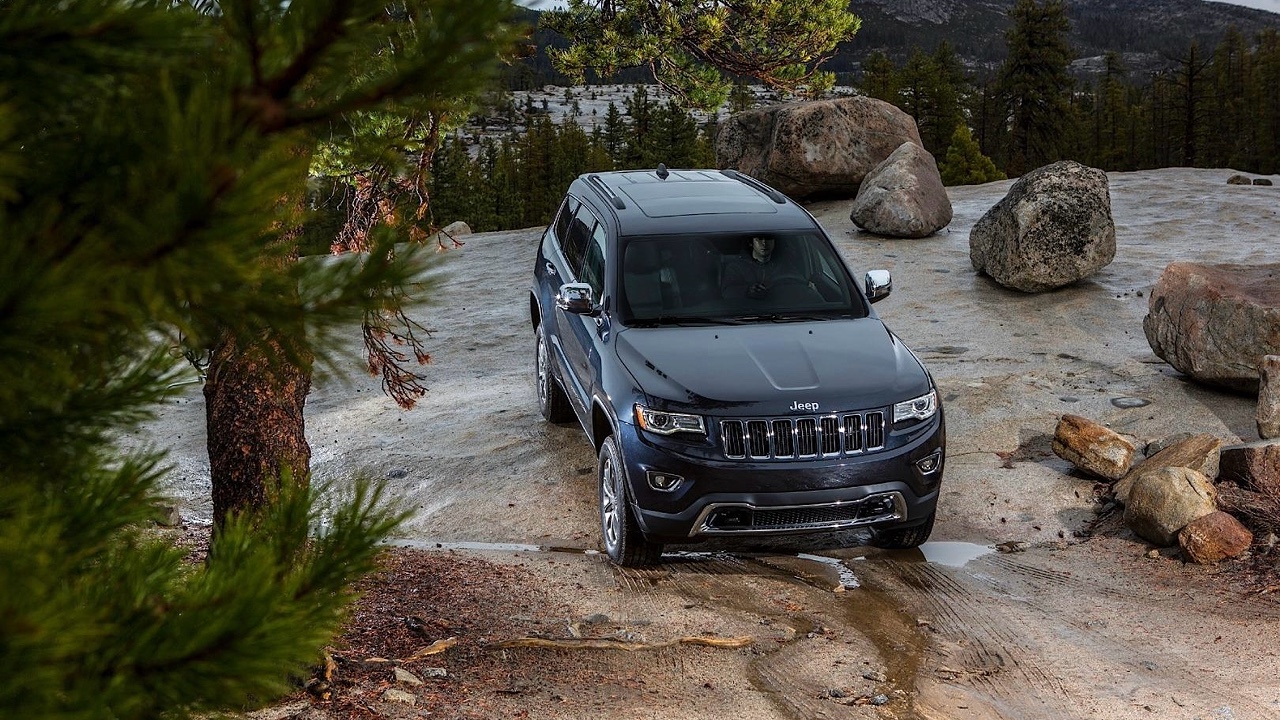
2) Jeep Cherokee (2014–2019): Transmission trouble magnet
The 2014–2019 Jeep Cherokee is notorious in service bays for its problematic 9-speed automatic transmission. Mechanics report repeated complaints of harsh shifting, hesitation, and sudden gear hunting that are difficult to fix permanently. Even after software updates and multiple visits, some owners still experience drivability issues that undermine confidence in daily commuting or long trips.
Technicians also point out that diagnosing these transmission problems can be a drawn-out process, involving test drives, reprogramming, and sometimes full replacements. That complexity translates into high labor hours and expensive parts, which can quickly exceed what many owners expected when they bought a mainstream SUV. For you, that means a model that looks practical on paper but can become a long-term reliability gamble.
3) Dodge Journey: Aging platform with mounting failures
The Dodge Journey lingers in many shops as an example of a model that stayed in production long after its engineering felt dated. Mechanics often see repeated failures in suspension components, premature brake wear, and nagging electrical issues that reflect an aging platform. When a vehicle design is stretched over many years with minimal updates, technicians say the weak points become painfully obvious in day-to-day repairs.
Because the Journey was frequently sold with heavy discounts, many owners were drawn in by low upfront prices, only to be surprised by mounting maintenance costs later. Shops report that some repairs, like HVAC system failures or engine cooling problems, can be labor intensive relative to the vehicle’s resale value. For budget-conscious families, that mismatch between purchase price and long-term upkeep is exactly why many mechanics wish this model had been retired sooner.
4) Nissan CVT models (Sentra, Altima, Rogue): Costly gearbox failures
Many Nissan models equipped with continuously variable transmissions, especially Sentra, Altima, and Rogue from certain years, are frequent visitors to transmission specialists. Mechanics cite complaints of shuddering, slipping, and complete CVT failure that often require full replacement rather than simple repairs. Because these units are complex and not easily rebuildable in-house, shops frequently have to install expensive remanufactured or new transmissions.
For owners, that means a single failure can generate a bill that rivals the remaining value of an older car. Technicians also note that regular fluid changes, which might help longevity, are often skipped because manufacturers initially promoted CVTs as “lifetime” units. When that marketing meets real-world driving, the result is a wave of costly breakdowns that leaves many mechanics wishing these gearboxes, and the models built around them, would be redesigned or discontinued.
5) Mini Cooper (early 2010s): Fun drive, fragile hardware
Early 2010s Mini Cooper models are beloved for their nimble handling, but many mechanics see them as fragile and overcomplicated. Common complaints include carbon buildup on direct-injection engines, timing chain tensioner failures, and cooling system leaks that can escalate quickly if ignored. Because the engine bay is tightly packed, even routine jobs like replacing a thermostat or water pump can require significant disassembly.
Independent shops often warn that labor times on these cars are higher than you might expect for a small hatchback, and parts prices reflect their premium branding. That combination means ownership can feel more like maintaining a luxury car than a compact commuter. For you, the stakes are clear: the driving fun may be real, but so is the risk of frequent, expensive service visits that make some technicians wish these versions of the Mini had been engineered with durability in mind.
6) BMW X5 (E70 generation): Luxury SUV with big-ticket repairs
The E70-generation BMW X5 shows up in many European specialty shops as a case study in high-end complexity aging poorly. Mechanics regularly deal with failing air suspension components, oil leaks from valve cover and oil filter housing gaskets, and malfunctioning electronic systems that control everything from parking sensors to iDrive interfaces. Each of these issues can be time consuming to diagnose and repair, especially as vehicles accumulate mileage.
Technicians also highlight the cost of parts, noting that genuine components for the X5 often carry premium pricing that shocks owners who bought used to “get a deal” on a luxury SUV. When you combine those parts costs with long labor times, even routine maintenance can feel expensive, and major failures can be financially devastating. That is why many mechanics caution shoppers that an older X5 can be a liability rather than a bargain.
7) Chrysler 200: Packaging that punishes technicians
The Chrysler 200 is widely disliked in many service bays not only for its reliability record but also for how difficult it is to work on. Mechanics often complain about cramped engine compartments that make basic tasks, such as replacing a battery or alternator, far more involved than on comparable sedans. Poor packaging means more components must be removed to access simple parts, driving up labor hours and customer bills.
Beyond the layout, technicians report recurring issues with transmission behavior, electrical glitches, and interior components that do not hold up well over time. When a car is both failure prone and frustrating to service, it quickly becomes a model that shops dread seeing on the schedule. For you, that translates into higher repair quotes and longer downtimes, which is why many mechanics quietly wish the 200 had never made it to showrooms.
8) Ford PowerShift models (Focus, Fiesta): Dual-clutch disaster
Ford Focus and Fiesta models equipped with the PowerShift dual-clutch automatic transmission have become infamous among technicians. Shops routinely see complaints of jerky launches, rough shifting, and premature clutch wear that undermine confidence in everyday driving. Many mechanics describe these units as combining the worst of manual and automatic gearboxes, with complex internals that are difficult to repair economically.
Because the transmission is central to drivability, repeated failures can sour owners on the entire car, even if the engine and chassis are otherwise solid. Technicians often find themselves explaining that software updates and clutch replacements may only provide temporary relief. For you, that means a small car that should be cheap to own can instead generate repeated, disruptive visits to the shop, which is why many mechanics wish these PowerShift-equipped models would disappear from the used market.
9) Chevrolet Cruze (1.4 turbo): Cooling and intake weak points
The Chevrolet Cruze with the 1.4-liter turbo engine is a frequent guest in general repair shops for a cluster of related issues. Mechanics often see failures in the plastic coolant outlet, water pump leaks, and problems with the intake manifold’s integrated check valve. When these components fail, symptoms can range from overheating to rough running and loss of boost, all of which require prompt attention to avoid more serious damage.
Technicians note that while individual parts are not always expensive, the pattern of repeated failures adds up over time, especially as these cars age. Owners who chose the Cruze for its fuel economy may be surprised by how often they are dealing with coolant top-offs or check engine lights. For you, that pattern makes the 1.4 turbo Cruze a risky bet compared with rivals that do not share the same weak points.
10) Volkswagen Tiguan (first generation): Carbon and timing concerns
First-generation Volkswagen Tiguan models, particularly those with early 2.0 TSI engines, are known in specialist shops for carbon buildup and timing chain issues. Mechanics frequently perform intake valve cleanings to address misfires and rough idle caused by deposits on direct-injection engines. In more serious cases, stretched timing chains or failed tensioners can lead to catastrophic engine damage if not caught in time.
These repairs are neither quick nor cheap, requiring specialized tools and significant labor. Technicians warn that owners who skip regular oil changes or ignore early warning signs, such as rattling on cold starts, increase their risk dramatically. For you, that means a compact SUV that seems practical and refined can hide expensive engine vulnerabilities, which is why many mechanics would prefer to see these early Tiguans phased out of daily use.
11) Range Rover Sport (older models): Electronics and air suspension strain
Older Range Rover Sport models are a staple in high-end independent shops, often arriving with a familiar list of complaints. Mechanics regularly deal with failing air suspension components that cause the vehicle to sag or sit at odd heights, along with complex electronic faults affecting everything from infotainment to stability control. Each system is deeply integrated, so a single failure can trigger multiple warning lights and require extensive diagnostics.
Because these SUVs were expensive when new, parts pricing remains high, and many repairs demand specialized knowledge. Technicians caution that owners who buy used to access the badge at a lower price may not be prepared for the ongoing maintenance burden. For you, the implication is clear: an older Range Rover Sport can deliver luxury and off-road capability, but at a cost that makes many mechanics wish the most failure-prone years would finally retire from daily duty.
12) Smart Fortwo: Niche city car with outsized repair costs
The Smart Fortwo often puzzles mechanics who see a tiny city car paired with surprisingly complex and finicky systems. Shops report frequent issues with the automated manual transmission, which can feel clunky and is costly to repair when actuators or clutches fail. Limited parts availability in some regions means longer wait times, turning what should be quick fixes into drawn-out ordeals.
Technicians also note that crash repairs and bodywork can be more involved than expected because of the car’s unique safety cell and panel construction. For owners, that means even minor accidents or drivetrain problems can generate repair estimates that exceed the car’s modest value. As a result, many mechanics quietly wish this niche model would fade away, steering urban drivers toward small cars that are easier and cheaper to keep on the road.
More from Wilder Media Group: