

When it comes to modern vehicles, sensors play a crucial role in ensuring optimal performance and safety. However, some cars are notorious for having sensor issues that can lead to frustrating experiences for both drivers and mechanics. Here’s a rundown of six cars that mechanics frequently mention as having sensors that tend to malfunction.
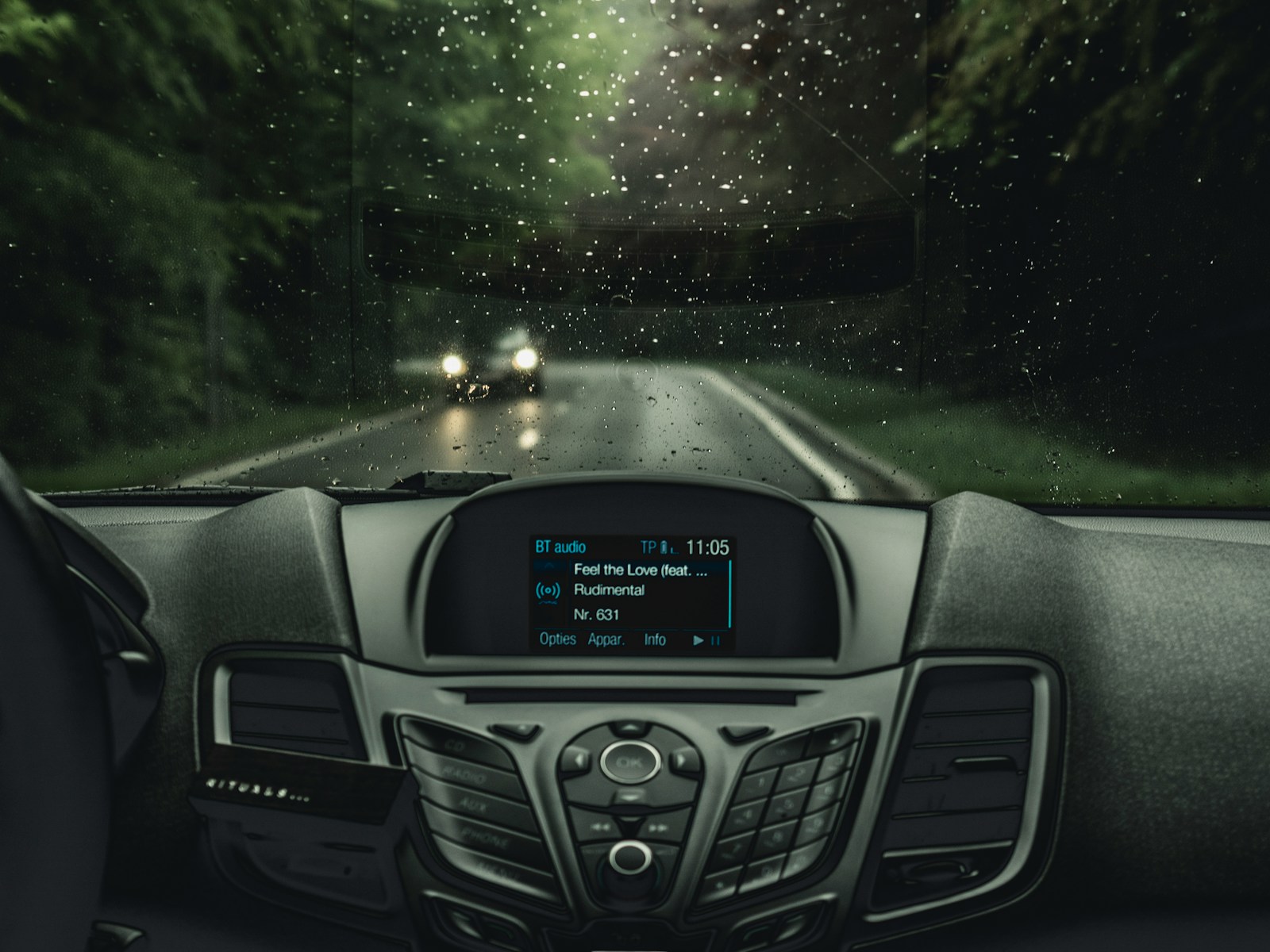
1. Ford Focus
The Ford Focus has gained a reputation for issues with its tire pressure monitoring system (TPMS) and engine sensors. These malfunctions can trigger warning lights on the dashboard, causing unnecessary concern for drivers. Mechanics often find themselves resetting the system or replacing faulty sensors to resolve the issue.
In addition to TPMS problems, the Focus may experience issues with its fuel level sensor. Inaccurate readings can lead to unexpected fuel shortages, leaving drivers stranded. Regular maintenance can help catch these problems early, but it’s a common headache for many owners.
2. Nissan Altima
Nissan Altimas, particularly older models, are known for having persistent problems with their mass airflow sensors (MAF). A malfunctioning MAF sensor can cause poor performance, reduced fuel efficiency, and even stalling. Mechanics frequently encounter this issue and recommend cleaning or replacing the sensor for optimal operation.
Furthermore, Altimas can suffer from issues with their knock sensors, which affect engine performance and emissions. A malfunction here can lead to engine knocking and decreased power. Staying on top of diagnostics can save drivers from more serious engine problems down the line.
3. Chevrolet Malibu
The Chevrolet Malibu has had its fair share of sensor troubles, especially with its oxygen sensors. These components are critical for regulating emissions and fuel efficiency. When they fail, drivers can experience poor fuel economy and increased emissions, which can also lead to costly repairs if not addressed promptly.
Another recurring issue in the Malibu is related to the ABS (anti-lock braking system) sensors. Malfunctioning ABS sensors can trigger warning lights and compromise safety. It’s essential for owners to be vigilant about these warning signs to avoid performance issues on the road.
4. Honda Accord
The Honda Accord is generally a reliable vehicle, but certain models have faced issues with their vehicle speed sensors (VSS). These sensors can fail, leading to erratic speedometer readings and potential safety concerns. Mechanics often recommend monitoring performance closely to catch these issues early.
Additionally, the Accord’s airbag sensors can sometimes malfunction, resulting in warning lights that can be a source of anxiety for drivers. Regular checks can help identify these problems before they escalate, ensuring that safety features remain functional.
5. Volkswagen Jetta
The Volkswagen Jetta has garnered attention for its problematic coolant temperature sensors. A faulty sensor can lead to incorrect readings, resulting in overheating and potential engine damage. Mechanics frequently advise Jetta owners to be proactive about sensor checks, especially in older models.
Moreover, issues with the brake light switch sensor are also common in the Jetta. This can affect various systems, including brake lights and cruise control. Addressing these malfunctions quickly can prevent further complications and ensure the vehicle operates smoothly.
6. Subaru Outback
The Subaru Outback is a popular choice for adventure seekers, but it’s not without its flaws, particularly with its oxygen sensors and fuel trim sensors. Malfunctioning sensors can lead to decreased fuel efficiency and poor engine performance, causing frustration for drivers who rely on their vehicles for outdoor excursions.
Additionally, the Outback’s rear parking sensors can also be problematic, leading to false warnings or failure to detect obstacles. These issues can create safety hazards, making it essential for owners to stay alert and seek repairs when necessary.
In conclusion, while modern technology enhances vehicle performance and safety, not all cars are created equal. Regular maintenance and staying informed about common sensor issues can help drivers avoid unexpected problems and keep their vehicles running smoothly. Always consult with a trusted mechanic if you notice any signs of sensor malfunction.