

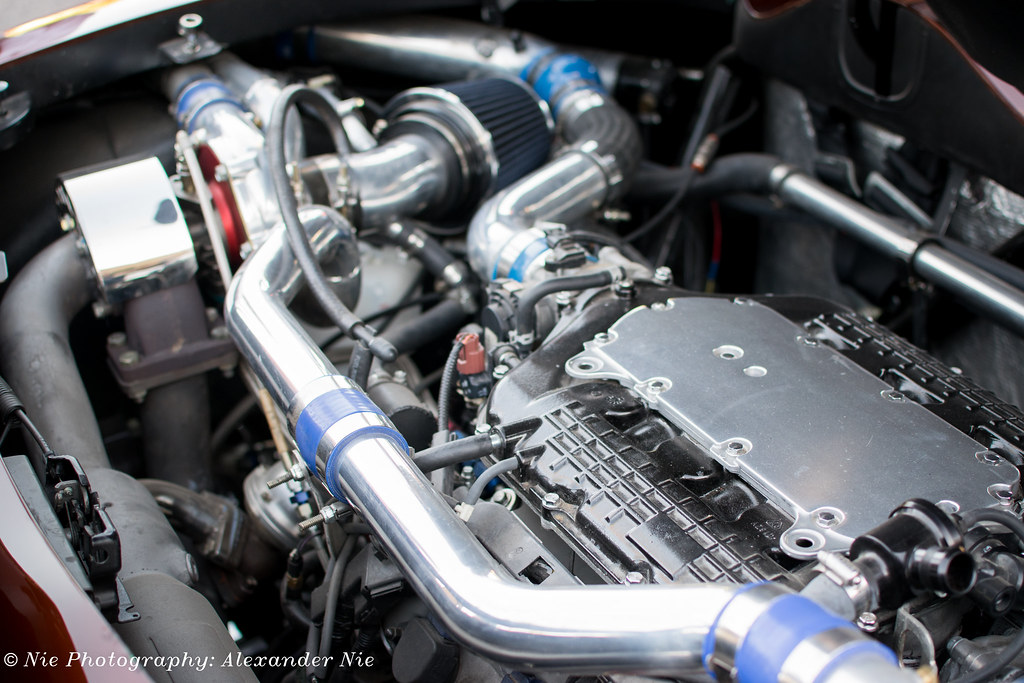
When it comes to automotive reliability, the engine is the heart of any vehicle. However, some engines have gained notoriety for their flaws, leading mechanics to believe they should have been recalled long before their issues became well-known. Here’s a rundown of six engines that mechanics insist deserved immediate attention from manufacturers.
1. Ford 5.4L V8
The Ford 5.4L V8 engine, particularly in the F-150 and Expedition models, has been plagued by issues related to spark plug failure. These plugs can become stuck, leading to costly repairs when they break off during removal. Mechanics often find themselves wrestling with this problem, which could have been avoided with a more robust design.
In addition to spark plug woes, this engine also suffers from timing chain tensioner failures. These issues can result in catastrophic engine damage if not addressed promptly, raising significant concerns about the durability of this powertrain.
2. Volkswagen 2.0T TSI
The Volkswagen 2.0T TSI engine has been under scrutiny for its oil consumption problems, which can lead to serious engine wear. Mechanics have noted that excessive oil consumption can often go unnoticed until it’s too late, potentially resulting in engine failure. A recall could have saved countless owners from expensive repairs.
Furthermore, the timing chain tensioner in this engine is known for premature failure. When it fails, it can cause severe engine damage and leave drivers stranded, raising questions about Volkswagen’s commitment to safety and reliability.
3. Honda 3.5L V6
The Honda 3.5L V6 engine, widely used in models like the Accord and Odyssey, has faced criticism for its excessive oil consumption and potential for engine failures. Mechanics have reported that the issue often stems from faulty piston rings, which can lead to significant engine damage over time.
While Honda has addressed some of these concerns, many believe that a recall would have been more appropriate given the number of affected vehicles. The reliability reputation of Honda is at stake when such critical issues arise.
4. GM 3.6L V6
The General Motors 3.6L V6 engine has been notorious for its head gasket failures and oil leaks. Mechanics frequently encounter these problems in models ranging from the Chevrolet Traverse to the GMC Acadia. The cost of repair can be substantial, leading many to argue that a recall was warranted.
This engine’s design has also been linked to timing chain issues, which can result in catastrophic failure if not addressed. The combination of these problems has led to a growing chorus of mechanics demanding a proactive response from GM.
5. Subaru 2.5L Boxer
Subaru’s 2.5L Boxer engine, found in a variety of models, has had its fair share of issues, particularly with head gasket failures. Mechanics often encounter this issue, which can lead to coolant leaks and overheating. Given the frequency of these repairs, a recall would have been a practical solution to protect consumers.
Additionally, the engine’s unique design can make certain repairs more complex and costly. Mechanics have voiced their concerns, emphasizing that addressing these issues sooner could save drivers from significant headaches and expenses.
6. Chrysler 3.6L Pentastar V6
The Chrysler 3.6L Pentastar V6 has been widely adopted across various models, but it has come under fire for its oiling issues and potential for catastrophic engine failure. Mechanics have reported problems with the oil filter adapter, which can leak and lead to severe engine damage if not caught early.
Moreover, timing chain issues have also been reported, which can cause significant problems if they fail. Many mechanics believe that Chrysler could have alleviated a lot of frustration by issuing a recall on this engine, protecting both drivers and the brand’s reputation.
These engines serve as a reminder that even the most reputable manufacturers can produce flawed designs. Awareness of these issues is crucial for drivers to make informed decisions about their vehicles and for manufacturers to improve their engineering practices.