

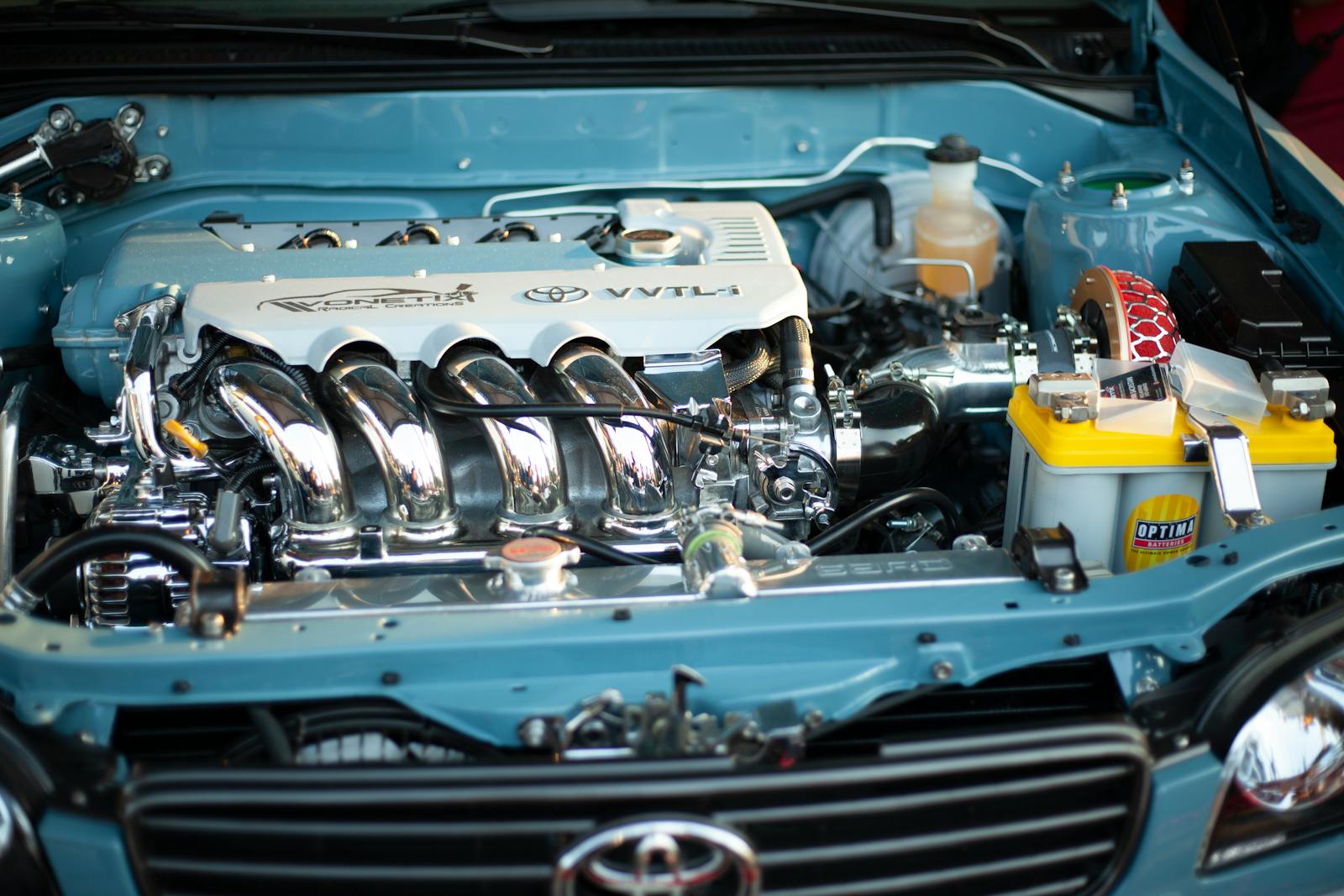
When it comes to engine performance and longevity, sludge buildup is a serious enemy. Certain engines have become notorious for this issue, leading to catastrophic failures and costly repairs. Here’s a rundown of engines that are often plagued by sludge problems, so you can be informed and proactive in maintaining your vehicle.
1. Toyota 2.0L 4-Cylinder (3S-FE)
This engine, found in many Toyota models throughout the 1990s and early 2000s, has a reputation for sludge buildup. The design includes narrow oil passages that can easily clog, especially if oil changes are neglected. This can lead to overheating and severe engine damage.
To combat this, ensure you adhere to a strict oil change schedule and consider using high-quality synthetic oils. Regularly checking oil levels can also help catch potential issues before they escalate.
2. Honda K-series Engine
The K-series engine, used in various Honda models, offers great performance but is not without its flaws. Sludge buildup often occurs due to infrequent oil changes and a design that can trap contaminants. This can hinder oil flow and cause premature wear.
Maintaining a regular oil change interval and using OEM filters can mitigate this risk. Additionally, using synthetic oil can help keep the engine clean and extend its lifespan.
3. Volkswagen 2.0T FSI
Volkswagen’s 2.0T FSI engine is known for its turbocharged performance, but it has a significant downside: sludge buildup. The combination of direct fuel injection and a tendency to trap oil can lead to severe issues if not monitored closely.
Regular maintenance is essential. Switching to a high-quality synthetic oil and performing frequent oil changes can help keep this engine running smoothly. Don’t overlook the importance of cleaning the intake valves, as they can accumulate carbon deposits that exacerbate sludge issues.
4. BMW N54 Engine
The BMW N54 engine has a strong fan base due to its performance, but it also has a hidden sludge problem. Owners have reported significant sludge buildup, especially if the oil is not changed regularly. This can lead to reduced performance and potential engine failure.
To keep the N54 healthy, ensure you use quality oil and stick to recommended change intervals. Additionally, consider regular inspections and using an oil catch can to reduce the chances of sludge accumulation.
5. Subaru EJ Engines
Subaru’s EJ series engines are popular in their lineup, but many owners face sludge issues. The horizontally opposed design can lead to oil pooling in certain areas, resulting in sludge if the oil is not changed in a timely manner.
Implementing a strict maintenance schedule is crucial. Regular oil changes and using synthetic oil can make a significant difference in preventing sludge buildup and ensuring your engine performs at its best.
6. Ford 4.6L V8
The Ford 4.6L V8 engine is often found in trucks and SUVs, but it has a reputation for sludge issues, particularly in vehicles that do not receive regular oil changes. The engine design can trap contaminants, which leads to sludge formation.
To prevent this, always use high-quality oil and change it regularly. Monitoring oil levels and quality is also essential in maintaining engine health and performance.
7. Chrysler 3.6L Pentastar V6
The Chrysler 3.6L Pentastar V6 engine has become a common choice for many Chrysler, Dodge, and Jeep vehicles. However, it has been known to develop sludge buildup, particularly in models that have experienced oil starvation.
Using the right oil and following the manufacturer’s recommended service intervals is key. Regularly checking for leaks and maintaining proper oil levels can help prevent sludge and keep your engine running smoothly.
Being informed about potential sludge-prone engines can save you from hefty repair bills and keep your vehicle running efficiently. Regular maintenance and using the right products are your best defense against sludge buildup.