

Over the past decade, certain car engines have been notorious for their reliability issues, leading to a significant number of complaints from owners. Understanding these engines can help potential buyers make informed decisions. Here’s a look at some of the most problematic engines reported in recent years.
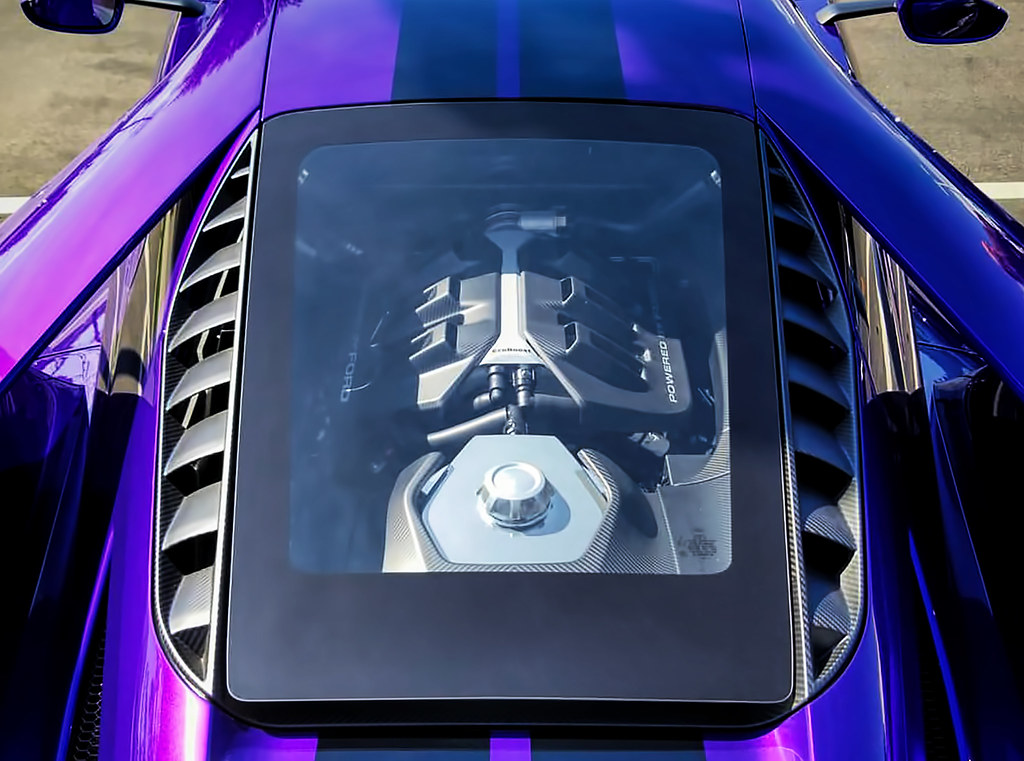
1. Ford 3.5L EcoBoost V6
The Ford 3.5L EcoBoost V6 engine has been a popular choice for many models, including the F-150 and Explorer. However, it has faced numerous complaints regarding turbocharger failures and excessive oil consumption. Owners have reported significant power loss and costly repairs, which have tarnished the engine’s reputation.
Additionally, some users have experienced issues with the timing chain, which can lead to catastrophic engine failure if not addressed. Mechanics often recommend regular maintenance checks to mitigate some of these problems, but many feel that the design flaws are inherent.
2. Chevrolet 5.3L V8
The Chevrolet 5.3L V8 engine is known for its performance in trucks and SUVs, yet it has been plagued by complaints about oil consumption and lifter failures. Many owners report the engine consuming oil at an alarming rate, necessitating frequent top-ups and leading to concerns about long-term reliability.
Furthermore, lifter issues can result in a ticking sound, indicating a need for an expensive repair or replacement. This has left many Chevy truck enthusiasts frustrated, as they expect durability from a brand known for its robust engines.
3. Chrysler 3.6L Pentastar V6
The Chrysler 3.6L Pentastar V6 has been a workhorse for several models, but it has not been without its share of complaints. Owners have reported problems with the engine’s oil pump and timing chain, which can lead to engine failure if not resolved promptly. This has caused significant concern among users who rely on these vehicles for daily driving.
Moreover, the engine’s tendency to develop coolant leaks can further exacerbate reliability issues. While some drivers appreciate the engine’s smooth performance, the potential for serious mechanical problems has led to a wave of complaints.
4. Nissan 2.5L QR25DE
Nissan’s 2.5L QR25DE engine has garnered a reputation for having numerous issues, particularly with excessive oil consumption and engine knocking. Many owners have reported that the engine starts consuming oil well before reaching high mileage, often leading to severe engine damage if not monitored closely.
Additionally, some users have experienced problems with the timing chain and overall reliability, prompting them to seek costly repairs. While this engine has been used in a variety of models, the complaints have raised red flags for potential buyers.
5. BMW N54 3.0L Inline-Six
The BMW N54 engine, known for its impressive power output, has also faced a barrage of complaints, particularly regarding turbocharger failures and fuel injector issues. Owners have noted that these problems can lead to significant performance drops, which is particularly frustrating for those who appreciate the car’s sporty nature.
Furthermore, the high-pressure fuel pump has been a consistent source of trouble, sometimes resulting in costly repairs. While the N54 is loved for its tuning potential, its reliability issues have made many owners cautious about long-term ownership.
6. Subaru 2.5L EJ25
The Subaru 2.5L EJ25 engine, while popular in various models, has been associated with head gasket failures and excessive oil consumption. Many Subaru enthusiasts have reported these issues leading to premature engine wear, which can be particularly concerning for those who drive in challenging conditions.
Moreover, the engine’s design can sometimes lead to overheating problems, further compounding reliability concerns. While Subaru has a dedicated fan base, the complaints surrounding the EJ25 cannot be overlooked, prompting potential buyers to do their homework.
7. Volkswagen 2.0L TSI
Volkswagen’s 2.0L TSI engine has been popular for its performance, yet it has faced numerous complaints regarding timing chain tensioner failures and carbon buildup. These issues can lead to significant engine damage if not addressed, which has left many owners feeling frustrated.
In addition, the engine’s turbocharging system can be sensitive, leading to potential reliability issues if proper maintenance is overlooked. For those considering a VW with this engine, it’s essential to stay informed about the common problems and be proactive in maintenance.
Recognizing these engines and their associated complaints can empower consumers to make better choices when purchasing vehicles. It’s always wise to research and consider potential issues before committing to a car, ensuring a more satisfying ownership experience.