

Throughout automotive history, there have been some engines that, quite frankly, should never have left the drawing board. Whether due to poor engineering, lack of reliability, or simply being ahead of their time, these powerplants have left a mark—often a negative one. Here’s a look at six engines that faced more criticism than accolades.
1. Chevrolet Vega’s 2.3L OHC
The Chevrolet Vega’s 2.3L engine was a bold attempt at a compact, lightweight design. However, it suffered from severe overheating issues and poor build quality, leading to frequent failures. The use of aluminum for the engine block was innovative, but it ultimately resulted in warping and premature wear.
Many owners found themselves constantly battling oil leaks and engine replacements, making it a notorious choice in the compact segment. Its reputation tainted the Vega itself, overshadowing what could have been a strong contender in the market.
2. Ford Pinto’s 2.0L
The Ford Pinto’s 2.0L engine was designed for economy, but it quickly became infamous for its poor performance and reliability. This engine was underpowered, leading to a lack of enthusiasm among drivers who craved a little more excitement. Its fuel efficiency claims were often exaggerated, leaving customers disappointed.
Moreover, it suffered from serious safety concerns, with multiple reports of fires in rear-end collisions. The combination of these issues led to a tarnished reputation for the Pinto, making this engine a prime example of how not to design a car.
3. Volkswagen’s 2.0L FSI
The 2.0L FSI engine from Volkswagen was initially praised for its direct fuel injection and potential for greater efficiency. However, it quickly became notorious for carbon buildup on the intake valves, leading to significant performance issues and costly repairs. Many owners found themselves facing expensive maintenance bills far earlier than expected.
Its tendency to consume oil further aggravated the situation, causing frustration among drivers. Despite its innovative technology, the engine fell short on reliability, proving that sometimes, advancements can come at a very high price.
4. Chrysler’s 2.7L V6
Chrysler’s 2.7L V6 engine was designed to offer a balance of power and fuel economy, but the reality was far from ideal. It was plagued by sludge buildup due to inadequate oil circulation, which led to catastrophic engine failures. Many drivers were left stranded with a dead engine long before they expected it.
Despite efforts to address the issue, the damage to its reputation was done. Owners found themselves facing costly engine replacements, turning what could have been a decent engine into one of the most reviled in Chrysler’s history.
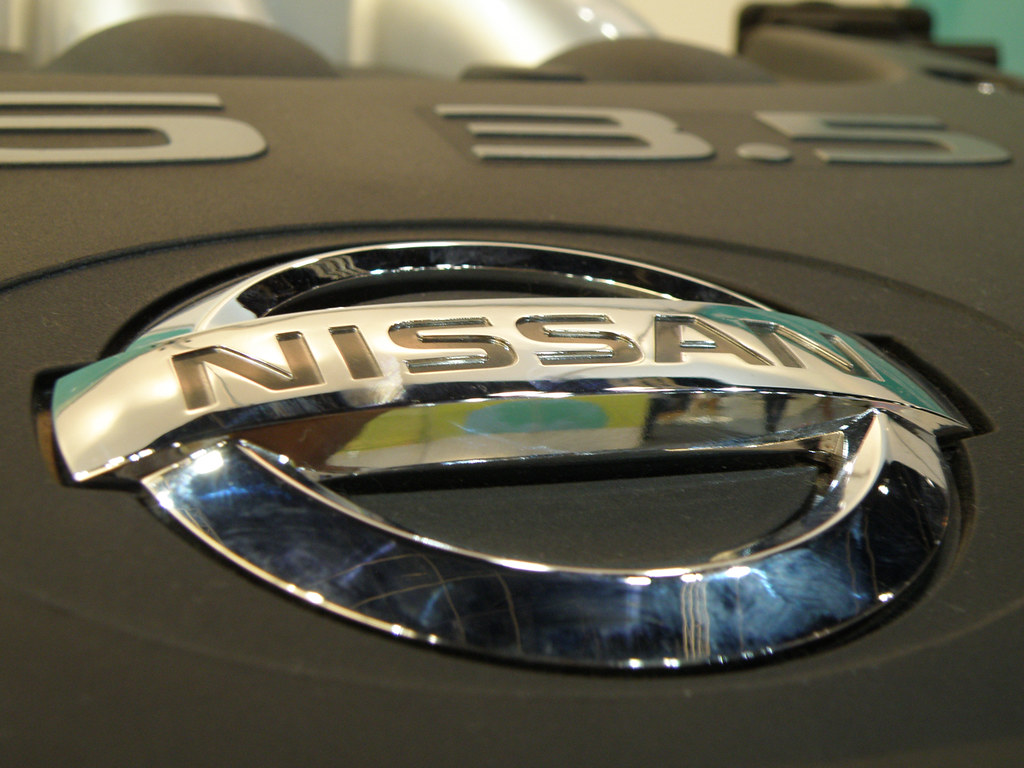
5. Nissan’s 3.5L V6 (VQ35DE)
While the Nissan VQ35DE engine has a decent performance pedigree, its early iterations were marred by an alarming tendency to develop timing chain issues. Many owners reported premature failures that left them facing hefty repair bills. It was particularly notorious in the Nissan Altima and Maxima.
The engine’s reliability was further compromised by its design, which seemed to prioritize performance over endurance. This left a sour taste for many drivers who expected more from a brand known for engineering excellence.
6. Jaguar’s 3.0L V6
The Jaguar 3.0L V6 engine aimed to blend luxury with performance, but it struggled to deliver on both fronts. Known for its excessive oil consumption and electrical issues, this engine became a headache for many owners. The high maintenance costs coupled with frequent breakdowns made it a less than appealing option.
In a brand where performance and prestige are paramount, the lack of reliability was simply unacceptable. The 3.0L V6 became a cautionary tale for those seeking the luxury of a Jaguar without the accompanying reliability.
While some engines may have appeared promising on paper, their real-world performance often tells a different story. It’s crucial for manufacturers to learn from these failures to ensure that future engines meet the expectations of drivers everywhere.