

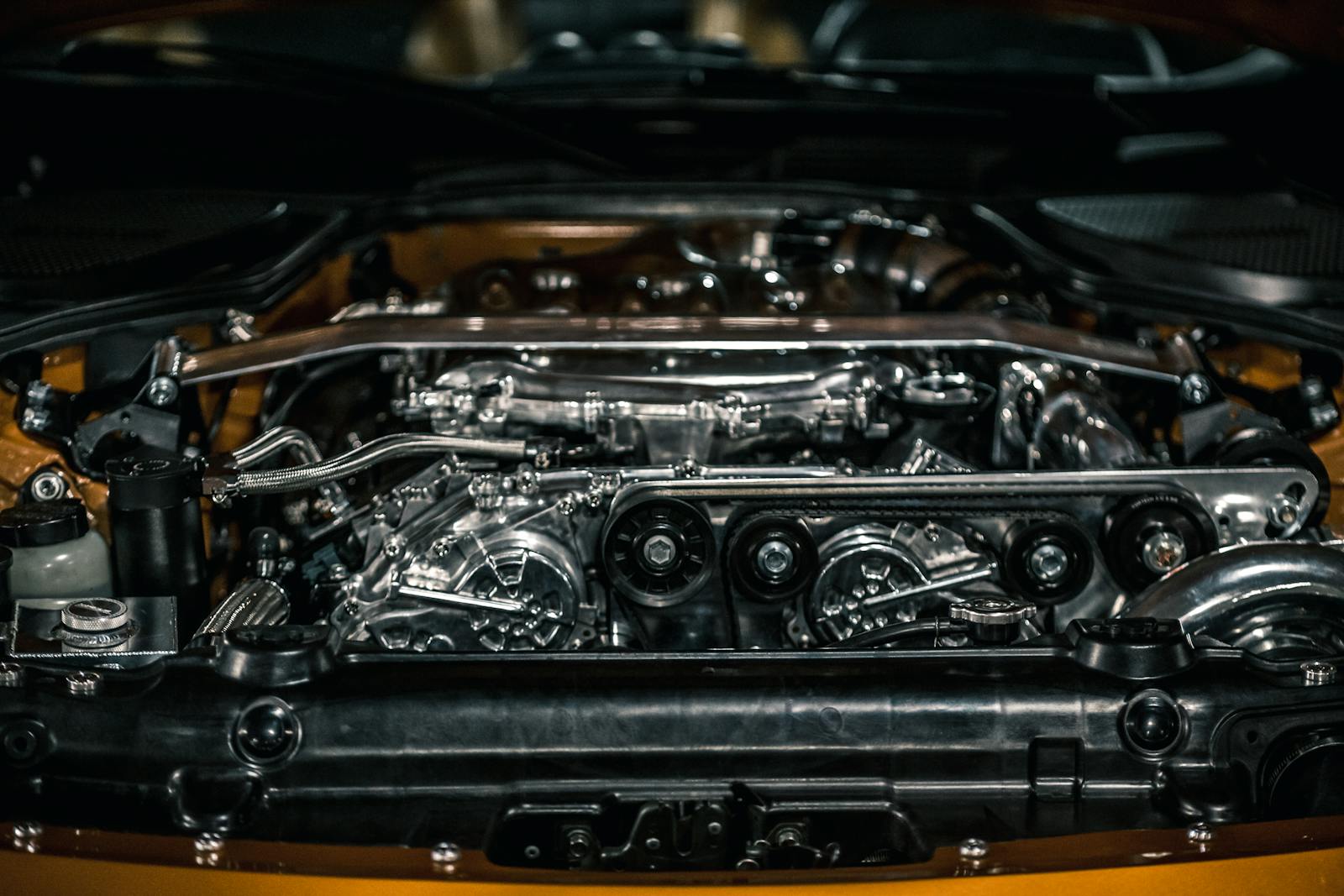
In the automotive world, engine failures can lead to catastrophic financial consequences for manufacturers. Some engines have not only disappointed drivers but have also resulted in costly legal battles. Here’s a look at six engines that caused manufacturers to lose millions in lawsuits.
1. GM’s 3.6L V6
The 3.6L V6 engine from General Motors was widely praised for its performance but became infamous due to a series of oil consumption issues. Many owners reported that the engine would consume oil at an alarming rate, leading to potential engine failure if not monitored closely. This defect led to a wave of lawsuits against GM, as consumers sought compensation for repairs and replacements.
The fallout was significant; GM had to allocate millions in settlements and repair costs, tarnishing the reputation of an engine that was supposed to be a flagship for their lineup. While improvements were made in later models, the damage to customer trust was done.
2. Ford’s 5.4L Triton V8
Ford’s 5.4L Triton V8 engine, used in popular models like the F-150, faced severe criticism due to its spark plug design. Many owners experienced spark plugs blowing out of the cylinder head, resulting in costly repairs. The design flaw led to numerous class-action lawsuits against Ford, as owners sought restitution for the unexpected repair bills.
The financial impact was substantial, leading Ford to invest heavily in redesigns and extended warranties to appease dissatisfied customers. Although the Triton engine had a loyal following, this issue highlighted the risks manufacturers face when cutting corners on design.
3. Volkswagen’s 2.0L TDI Diesel
Volkswagen’s 2.0L TDI diesel engine became notorious due to the emissions scandal that rocked the automotive industry. The engine was equipped with software designed to cheat emissions tests, leading to lawsuits that cost the company billions. The fallout was not just financial; it irreparably damaged VW’s reputation as a champion of clean diesel technology.
As a result of the scandal, Volkswagen faced numerous lawsuits, settlements, and a significant drop in consumer confidence. The company committed to a massive buyback program and invested heavily in electric vehicle technologies to regain trust.
4. Chrysler’s 3.6L Pentastar V6
Chrysler’s 3.6L Pentastar V6 engine was initially celebrated for its smooth performance and fuel efficiency. However, issues related to engine overheating and oil leaks emerged, leading to multiple lawsuits. Owners reported that these problems could lead to severe engine damage, prompting legal action against the manufacturer.
The financial repercussions for Chrysler were considerable, as they had to offer repairs and extended warranties to affected customers. While the Pentastar engine has seen improvements, the early issues left a mark on Chrysler’s credibility in the competitive market.
5. Subaru’s 2.5L Boxer Engine
Subaru’s 2.5L Boxer engine is known for its unique design and low center of gravity, but it faced significant challenges with head gasket failures. These failures often led to oil leaks and engine overheating, prompting many owners to file lawsuits against the manufacturer. The problem was widespread enough that it caught the attention of consumer advocates and led to class-action suits.
The costs associated with the lawsuits forced Subaru to address the issue head-on, including extended warranties and modifications in later models. While the Boxer engine remains a signature feature of Subaru vehicles, the legacy of these issues still lingers in the minds of some consumers.
6. Nissan’s 4.0L V6
Nissan’s 4.0L V6 engine, used in various trucks and SUVs, was plagued by a significant design flaw in its timing chain. Many owners experienced severe engine failures due to the timing chain stretching or breaking, resulting in a cascade of lawsuits against Nissan. The financial burden of repairs and replacements added up quickly for the manufacturer.
To mitigate the backlash, Nissan implemented extended warranties and committed to addressing the defect in future models. Despite the engine’s strong performance credentials, the legal battles highlighted the critical importance of thorough engineering in automotive design.
The automotive landscape is fraught with challenges, especially when it comes to engine reliability. These engines serve as cautionary tales for manufacturers, emphasizing the need for rigorous testing and quality control to avoid costly lawsuits and maintain consumer trust.