
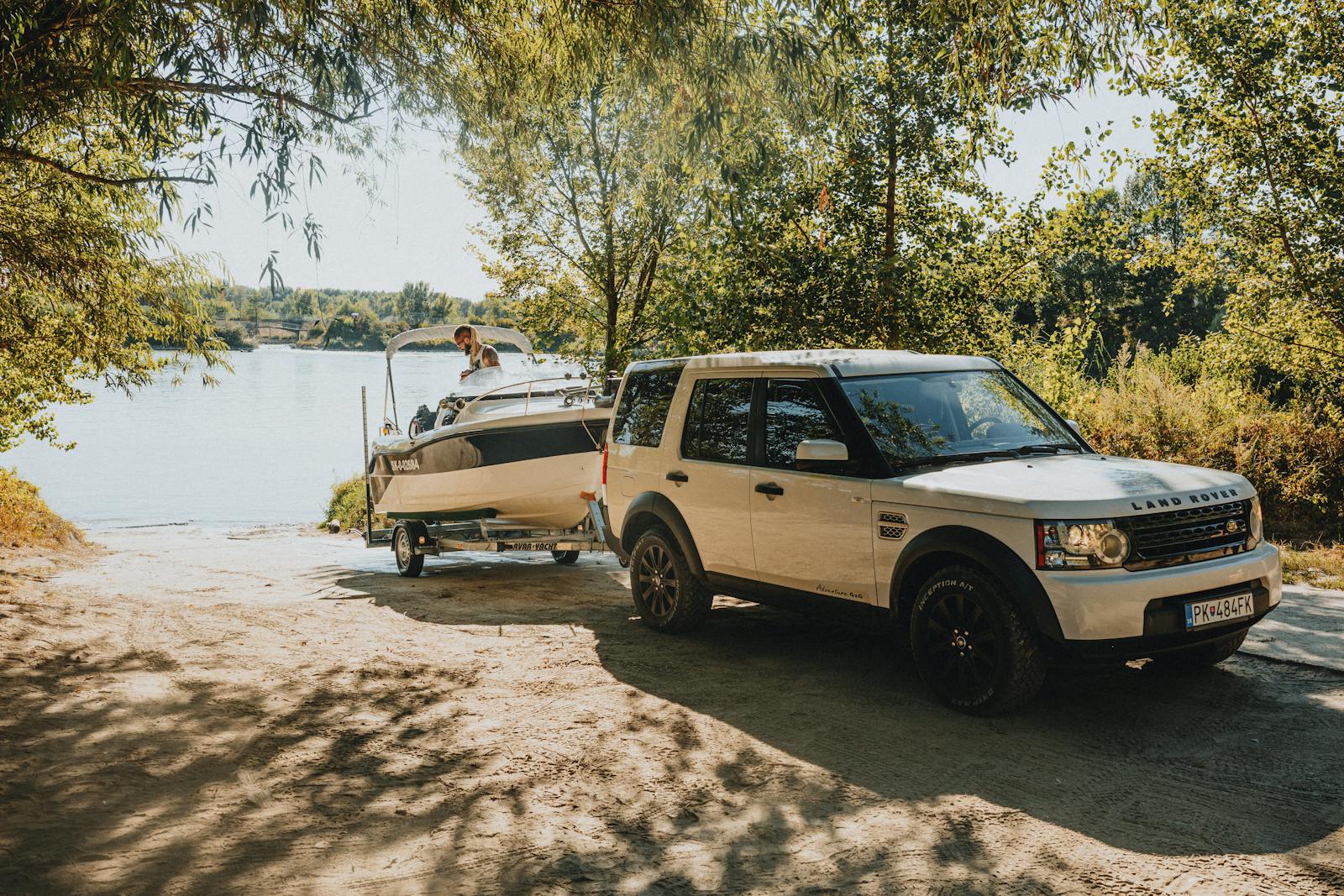

When it comes to towing, having a vehicle with a robust frame is crucial. Many vehicles marketed as capable of towing can actually fall short due to weak frame construction. Here’s a list of vehicles that, despite their appearances, are not built for heavy towing tasks.
1. Honda CR-V
The Honda CR-V is a popular compact SUV known for its reliability and fuel efficiency. However, when it comes to towing, it’s important to note that its unibody construction lacks the rigidity needed for serious hauling. With a maximum towing capacity of just 1,500 pounds, this vehicle is better suited for light loads such as small trailers or bike racks.
While it might handle a weekend getaway with lightweight cargo, owners should avoid straining its frame with heavier trailers. For anyone considering towing, there are better options on the market that offer enhanced durability and strength.
2. Subaru Outback
While the Subaru Outback is often praised for its all-wheel drive and off-road capabilities, it also suffers from a weak frame in terms of towing. With a maximum towing capacity of around 2,700 pounds, the Outback can handle small trailers, but anything beyond that risks compromising its structural integrity.
This vehicle’s design is geared more toward adventure than heavy-duty hauling. If you’re looking to tow larger loads, you might want to explore options that feature a more robust frame construction.
3. Ford EcoSport
The Ford EcoSport is a subcompact SUV that excels in urban environments but falls short in towing capabilities. With a maximum towing capacity of only 2,000 pounds, it’s not equipped for serious hauling tasks. Its lightweight frame and small size make it more suitable for city driving than for towing a boat or a camper.
Drivers should keep in mind that while the EcoSport is great for daily commutes, it’s not designed for heavy-duty towing. Those needing to pull larger trailers should consider larger SUVs or trucks with stronger frames.
4. Nissan Rogue
The Nissan Rogue is another compact SUV that often attracts buyers with its spacious interior and technology features. However, it also has a maximum towing capacity of just 1,350 pounds, which is inadequate for most serious towing needs. Its unibody construction simply doesn’t provide the necessary strength for heavier loads.
For those who enjoy outdoor activities and need to tow gear, the Rogue may pose limitations. Exploring more robust options will ensure you have the right vehicle for your towing requirements.
5. Chevrolet Trax
The Chevrolet Trax is marketed as a versatile small SUV but comes with a towing capacity that leaves much to be desired. With a maximum of 1,200 pounds, it’s primarily designed for urban maneuverability and not for towing tasks. Its lightweight frame is not built to withstand the stresses associated with heavier trailers.
While the Trax is an excellent choice for daily driving and small errands, those planning to tow anything significant should look for vehicles with more substantial frame support.
6. Kia Soul
The Kia Soul is known for its unique styling and practicality; however, when it comes to towing, it has its limitations. With a towing capacity of just 1,000 pounds, it’s not suitable for anyone looking to haul serious loads. Its frame, designed for everyday use, doesn’t support the demands of towing.
For light-duty applications, the Soul may suffice, but for anything more substantial, potential buyers should consider vehicles that are specifically designed for towing. It’s essential to choose a vehicle that matches your towing needs to avoid potential damage and safety issues.
In conclusion, while many vehicles are marketed as capable of towing, not all can withstand the demands of heavy-duty hauling. It’s crucial to assess a vehicle’s frame strength and towing capacity before making a purchase. Choosing the right vehicle can save you from headaches down the line.
More from Steel Horse Rides: