
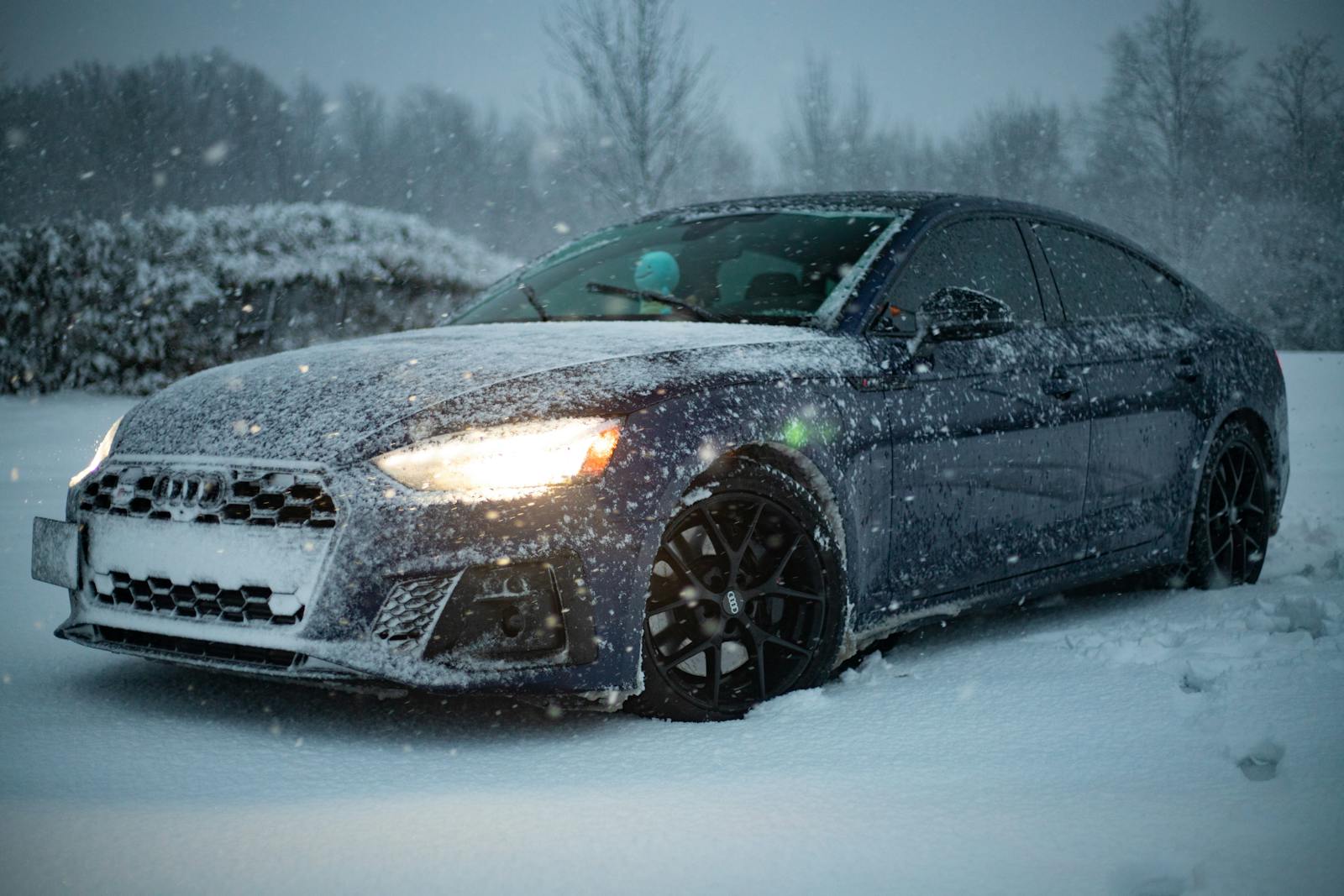

Winter can be a challenging season for car owners, especially if it’s your first time dealing with the elements in a new vehicle. Understanding the features that might falter can save you time, money, and frustration. Here are eight common car features that often break down during the first winter you own them.
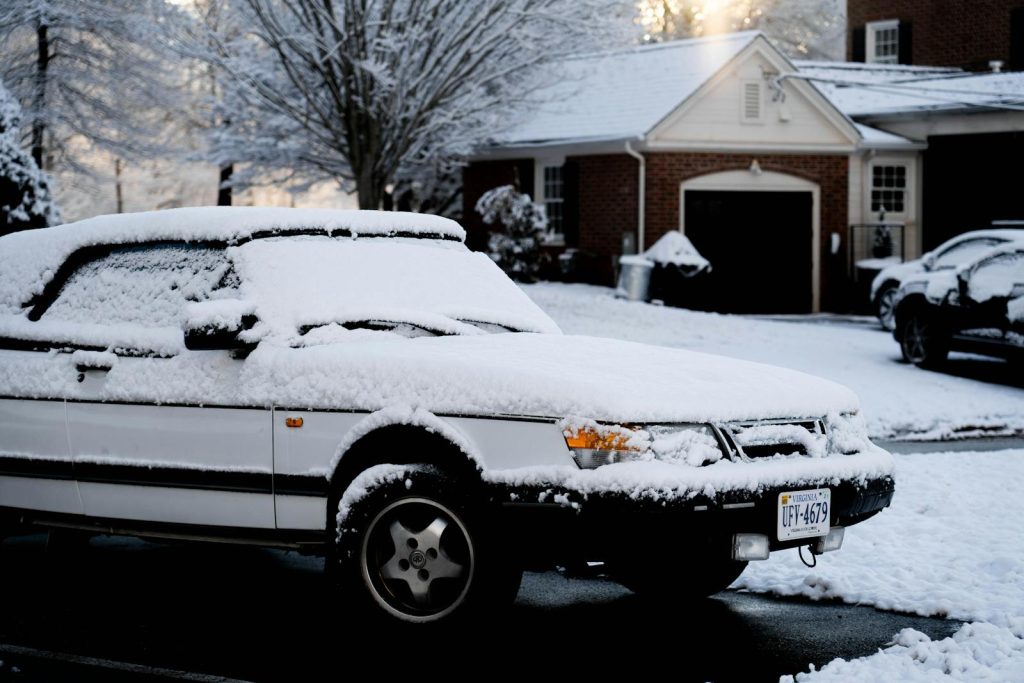
1. Battery
Cold weather can be brutal on your car battery. If your battery is several years old, the freezing temperatures can reduce its efficiency, leading to starting issues. It’s crucial to check the battery’s charge and connections before winter sets in.
A weak battery can leave you stranded in frigid conditions. Consider getting a battery test done at a service center to ensure it’s up to the challenge of winter starts.
2. Windshield Wipers
Worn-out windshield wipers often fail when you need them most, particularly during heavy snow or icy rain. If your wipers are cracking or skipping, replace them before the winter months. Visibility is critical for safe driving.
Additionally, ensure your windshield washer fluid is rated for low temperatures. Regular fluid can freeze, rendering it useless when you need to clear your windshield of slush and grime.
3. Tires
Your tires need to be winter-ready to handle icy roads and snow. Insufficient tread depth can lead to reduced traction and increased stopping distances. If you’re in a region with severe winter weather, consider investing in a set of winter tires.
Don’t forget to check tire pressure regularly, as it can drop significantly in colder temps. Maintaining the right pressure ensures better performance and handling during winter conditions.
4. Heating System
Nothing is worse than finding out your car’s heating system is malfunctioning on a freezing winter morning. If your heater blows cold air, it can be a sign of low coolant levels or a faulty thermostat.
Regularly check your coolant and heating system before winter arrives. A well-functioning heating system is essential for defrosting windows and keeping you comfortable during those long drives.
5. Brakes
Winter driving puts extra stress on your brake system. If your brakes squeal, grind, or feel spongy, it’s time to have them inspected. Snow and ice can exacerbate existing problems, potentially leading to dangerous situations.
Make sure your brake pads and rotors are in good condition. If you notice any unusual sounds or behaviors while braking, address them before the snow starts to fall.
6. Door Locks and Seals
Frozen locks and seals can be a real headache in winter, making it difficult to get into your car. Moisture can seep into door locks and freeze, rendering them useless. Regularly lubricate your locks and consider using a lock de-icer for emergencies.
Additionally, inspect door seals for cracks or wear. Compromised seals can lead to water leaks that create frost build-up inside your vehicle, causing further issues down the line.
7. Fuel System
Condensation can form in your fuel tank during cold weather, leading to water accumulation that can cause engine problems. Keeping your tank at least half full can help prevent this issue from arising.
Using a fuel additive designed to remove moisture can also help maintain your fuel system. This preventive measure can save you from potential engine troubles during the harsh winter months.
8. Lights
Visibility is paramount during winter, and malfunctioning lights can put you at risk. Regularly check all exterior lights, including headlights, brake lights, and turn signals, to ensure they’re functioning correctly.
Cold weather can cause bulbs to burn out more quickly, so it’s wise to have a spare set of bulbs on hand. Driving with proper lighting will keep you safe and compliant with road regulations.
Taking proactive steps to care for these features can make your first winter with a new car much smoother. Regular maintenance and checks will not only enhance your driving experience but also extend the life of your vehicle.
More from Steel Horse Rides: