

As the world shifts toward electric vehicles (EVs), many drivers are excited about the benefits of going green. However, the transition comes with its own set of challenges. Here are seven EV charging issues that drivers often discover too late, which can lead to frustration and inconvenience on the road.
1. Incompatible Charging Stations
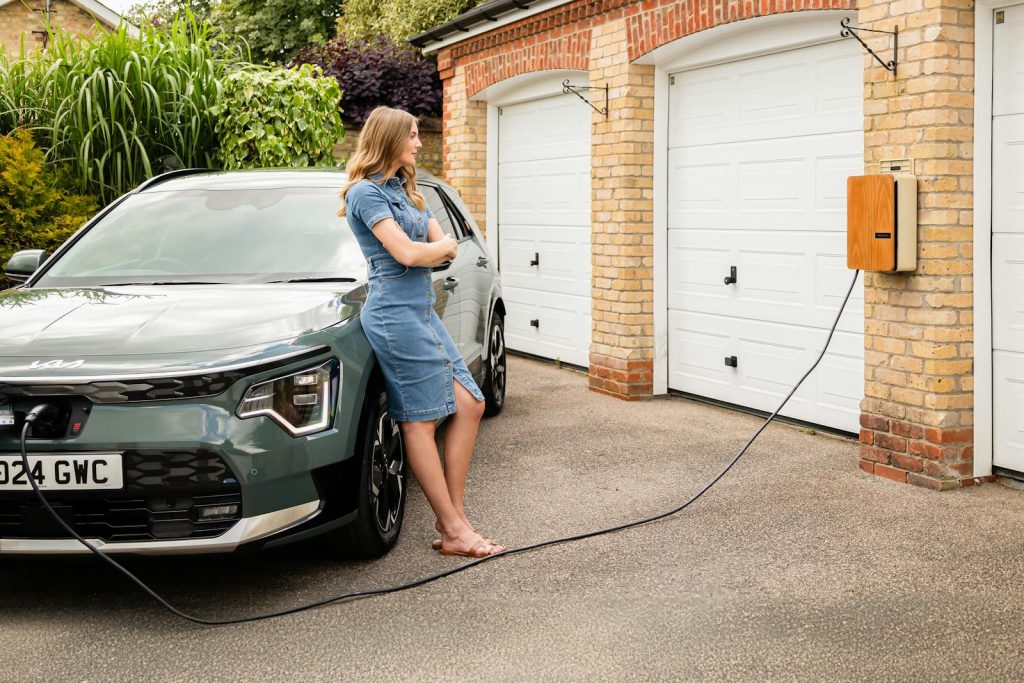
Not all charging stations are created equal. Some EVs require specific connectors, and drivers can find themselves at a charging station only to realize their car isn’t compatible. This can be particularly frustrating for those on long road trips.
Before hitting the road, it’s essential to research charging networks and confirm compatibility with your vehicle. Carrying an adapter can also help, but it’s not a foolproof solution, as not all stations will support every adapter type.
2. Charging Speed Variations
EV charging speeds can vary significantly between different types of chargers. Level 1 chargers are slow and may only provide a few miles of range per hour, whereas Level 3 DC fast chargers can replenish a battery in under an hour.
Understanding your charging options is crucial. If you’re in a hurry or planning a trip, make sure you’re aware of the charging speeds available at your stops. This knowledge can save you a lot of time and anxiety.
3. Payment Method Confusion
Many charging stations require a membership or specific payment methods that drivers might not be familiar with. Some stations are app-based, while others might only accept credit cards.
To avoid getting stuck, download relevant charging apps before you need them. Familiarize yourself with the payment options available at your preferred charging networks, and consider carrying a backup payment method just in case.
4. Location Limitations
Not all charging stations are conveniently located. Some might be in isolated areas or only accessible during business hours, which can present challenges when you’re low on battery.
Planning your route with charging stations in mind is essential. Use apps that provide real-time information on station availability and locations to ensure you’re never caught off guard.
5. Battery Degradation Concerns
Frequent fast charging can lead to battery degradation over time, impacting your vehicle’s range and performance. Many drivers don’t realize that the convenience of fast charging comes with potential long-term costs.
To prolong your battery life, try to use fast chargers sparingly. Opt for Level 2 chargers whenever possible, and maintain your battery between 20% and 80% charged to avoid unnecessary stress on the system.
6. Charging Etiquette
With the increasing number of EVs on the road, charging etiquette is becoming more important. Some drivers may park at charging stations without actually charging, causing inconvenience for those who need a charge.
Being courteous by not hogging charging spots is vital. If you’re done charging, move your vehicle promptly to allow others access. This simple act can foster a more supportive EV community.
7. Overlooking Home Charging Options
Many new EV owners underestimate the convenience of having a home charging setup. Relying solely on public charging stations can be limiting and inconvenient, especially during peak times.
Investing in a home charging station can make your life considerably easier. It allows you to charge overnight, ensuring you’re always ready to go in the morning without the hassle of searching for a public charger.
By being aware of these EV charging issues, drivers can navigate their electric vehicle experience with greater confidence and ease. Proper planning and understanding can make all the difference in enjoying the benefits of EV ownership.
More from Steel Horse Rides: