
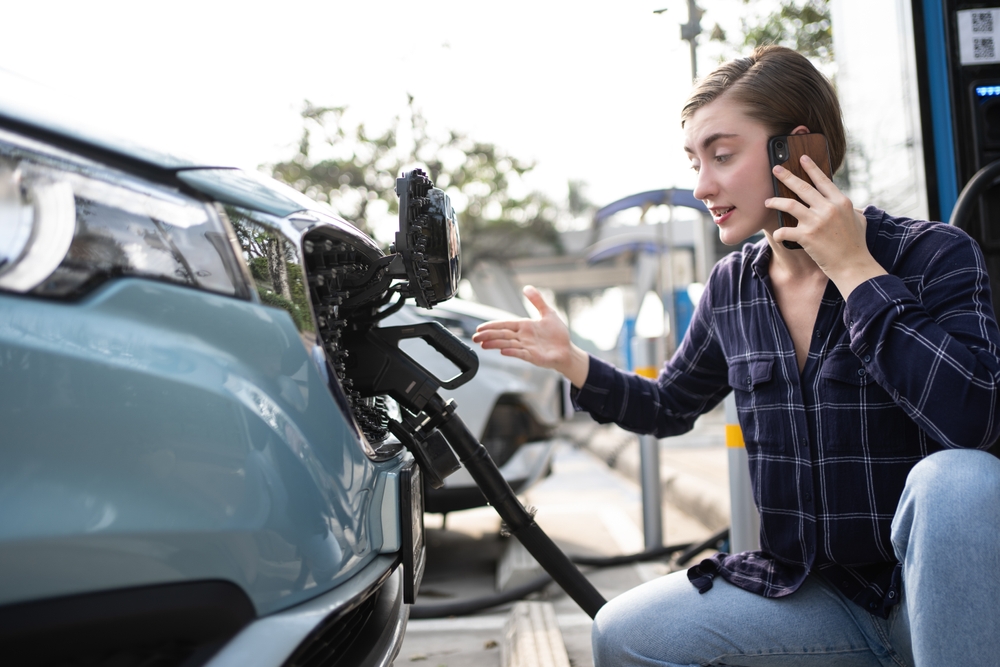

You’ve probably heard the promises of quiet, efficient, and low‑cost driving — but owning an electric car brings a different daily reality. This article shows the practical frustrations you might face, from planning longer trips to dealing with tech quirks, so you can weigh whether an EV fits your life.
You’ll learn the common pain points owners report and how each can affect your routines and costs. Keep reading to see what to expect and how to decide if the tradeoffs match your priorities.
Limited driving range causing range anxiety

You worry the battery won’t last for longer trips, especially in cold weather or on highways. Shorter real-world range than the advertised number can make planning stressful.
Finding chargers en route feels like extra work, and unexpected detours raise the stakes. Chargers can be busy or slow, which adds to the uncertainty.
Range anxiety can push you to charge more often than needed, reducing convenience. That persistent planning and hesitation is a common gripe among EV owners.
Long charging times compared to refueling
You’ll notice charging takes longer than filling a gas tank, especially on Level 1 or Level 2 chargers. Home charging is convenient overnight, but may add hours to top up from low state of charge.
Public DC fast chargers cut time sharply, often reaching 80% in 20–60 minutes depending on car and station. Still, that’s usually slower than the few minutes it takes to refuel, so plan stops and routes with charging in mind.
Inconvenient availability of charging stations
You worry about finding a charger when you need one, especially on longer trips or in crowded urban areas.
Public chargers can be sparse, busy, or offline, which adds planning and stress to travel.
Home charging helps most owners, but not everyone has that option, so you rely on inconsistent networks.
That uncertainty can change when and where you go, and sometimes forces you to wait or detour.
Frequent software glitches and infotainment issues
You can run into frozen screens, dropped phone connections, or slow navigation during a drive.
These glitches interrupt convenience and make routine tasks feel frustratingly unreliable.
Over-the-air updates sometimes fix problems, but they can also introduce new bugs.
That means you may need repeated patches and occasional dealer visits to restore full functionality.
High initial purchase price
You’ll often pay more up front for an electric car than for a comparable gas model. That higher sticker price can push the purchase out of reach even if running costs are lower.
Tax credits and rebates can help, but they don’t always close the gap. You should factor incentives, dealer discounts, and expected resale value before deciding.
Battery degradation over time
You’ll notice range slowly drops as the battery loses capacity with years and miles. This process is normal and gradual for modern EVs, not a sudden failure.
Your charging habits and extreme temperatures speed up wear, so avoiding constant fast charging and high-heat exposure helps preserve capacity. Many owners see modest loss over 5–10 years, and manufacturers often cover batteries with warranties.
Cold weather reducing battery performance
You’ll notice shorter range when temperatures drop because lithium-ion batteries slow their chemistry and deliver less usable energy.
Heating the cabin and battery management systems also draw extra power, so trips feel shorter than in mild weather.
Preconditioning while still plugged in and planning for reduced range help avoid surprises and keep you moving.