

You’ll explore how celebrated names once synonymous with raw power also produced some of the most disappointing, problematic models in muscle-car history. This article shows which seven muscle cars failed to deliver on performance, reliability, or safety, and why those failures matter to anyone who cares about classic and modern performance cars.
Expect concise profiles that cover design missteps, mechanical weaknesses, and the external pressures that eroded muscle — from emissions rules and the oil crisis to poor engineering choices and quality control. You’ll get a clear sense of how each model tarnished its brand’s reputation and what lessons they offer for enthusiasts, collectors, and buyers.
Pontiac GTO (2004-2006) – plagued by serious quality issues
You might love the GTO’s V8 roar, but these models brought persistent reliability headaches. Owners reported frequent electrical faults, interior accessory failures, and wheel/hub problems that hit daily usability.
You could face coolant loss and check-engine alerts more often than with comparable cars. Repair costs and repeated trips to the shop made ownership frustrating for many buyers.
Chevrolet Camaro (various models) – notable for engine fires under the hood

You may see reports of Camaros from multiple years experiencing engine fires linked to fuel, electrical, or cooling-system failures.
Owners often describe sudden smoke or flames from the engine bay while driving, which creates immediate safety hazards.
If you’re shopping used, check service records for recalls and repairs related to fuel lines, oil leaks, or electrical shorts.
Have a trusted mechanic perform a thorough inspection, focusing on hoses, wiring harnesses, and any prior fire damage.
AMC Gremlin – unconventional design and weak performance
You’ll notice the Gremlin’s truncated rear and odd proportions immediately; they made it memorable but divided opinions.
Its short wheelbase came from chopping a Hornet, so interior space and cargo practicality felt compromised.
You could buy modest engines, but they rarely delivered the muscle-car thrills buyers expected.
That mismatch between sporty intent and modest performance left many drivers disappointed.
Ford Mustang II – lost muscle during oil crisis and emissions era
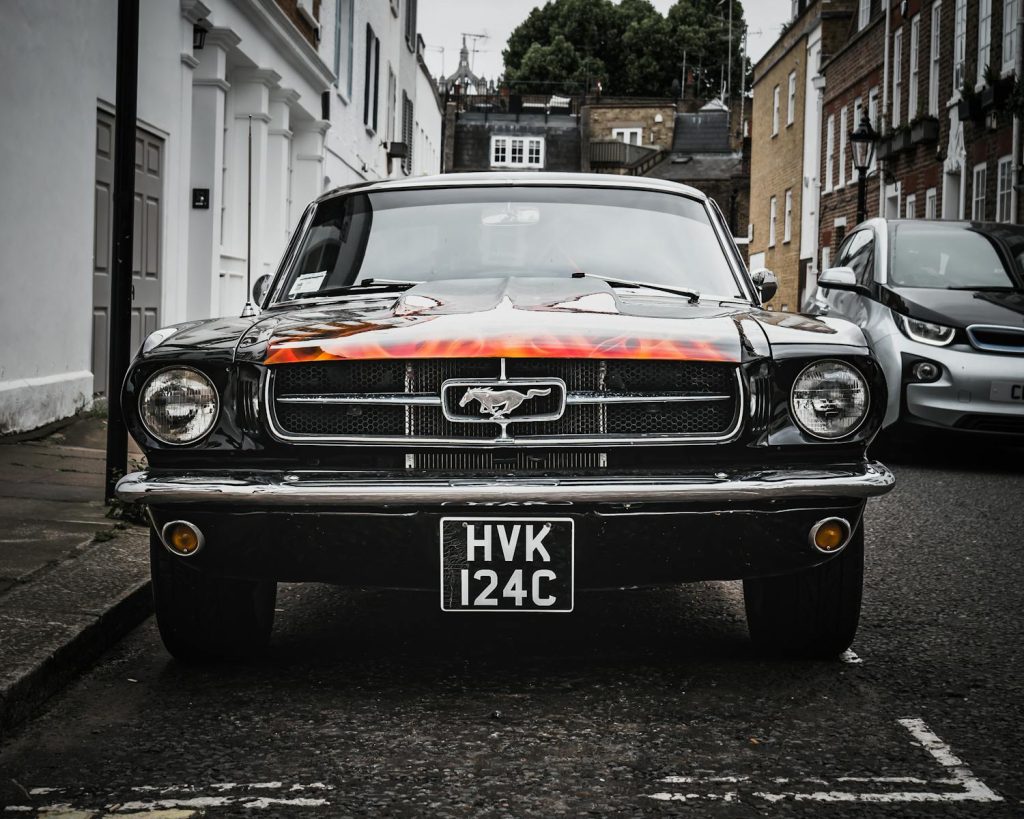
You saw the Mustang badge on a much smaller, softer package in the 1970s. The Mustang II traded big V8 power for smaller engines as fuel prices and emissions rules tightened.
It handled and felt different, and many enthusiasts felt it lost the raw performance that defined earlier Mustangs. You can still appreciate it as a product of its time, designed to meet new realities rather than chase horsepower.
Chevrolet Monte Carlo – disappointment in muscle car lineage
You might expect “Monte Carlo SS” to mean raw V‑8 thunder, but several generations traded performance for comfort and style. Those later models often felt like cruisers with a muscle badge rather than true performance cars.
If you own one from the 1990s–2000s era, you’ll notice modest power and electronics that age poorly. The name carried heritage, yet many buyers remember unmet expectations more than glory days.
Pontiac GTO (1974) – sharp decline in performance and popularity

You’ll notice the 1974 GTO looks smaller and quieter than earlier models. Pontiac moved the name onto a compact Ventura-based body, which disappointed many enthusiasts.
Your car’s power options were reduced and emissions rules cut performance sharply. That left the GTO badge feeling mismatched with the driving experience.
Collectors often skip 1974 models due to lower production appeal and resale value. If you value pure muscle-car pedigree, this year usually ranks near the bottom.
Dodge Demon (1971) – underpowered for its muscle reputation
You might expect thunder from the 1971 Dodge Demon name, but many buyers found its base 225-ci slant-six far from muscle-car loud. Even the better-known Demon 340 balanced a smaller, high-revving V8 against a light body instead of chasing big-block torque.
If you want classic looks and nimble handling, the Demon can still charm you. For straight-line muscle cred, though, it often left owners wanting more grunt.
More from Steel Horse Rides: