


You’re curious whether the electric vehicle hype matches real-life costs, trade-offs, and everyday hassles. This article shows where EVs can cost you more time, money, or convenience than you expect, so you can decide if switching still makes sense for your situation.
You’ll see common pain points like purchase price, charging hassles, insurance and battery issues, and how changing model availability can affect resale value. Stay tuned to weigh the promised benefits against practical drawbacks before you commit.
High initial purchase price compared to ICE vehicles
You’ll often pay more upfront for an EV than for a comparable ICE car, largely because batteries and new tech add cost.
That higher sticker can deter buyers even if running costs later may be lower.
Incentives can help, but they vary by location and may not fully close the gap.
You should factor incentives, financing, and expected resale values when comparing true affordability.
Costly battery replacements over time
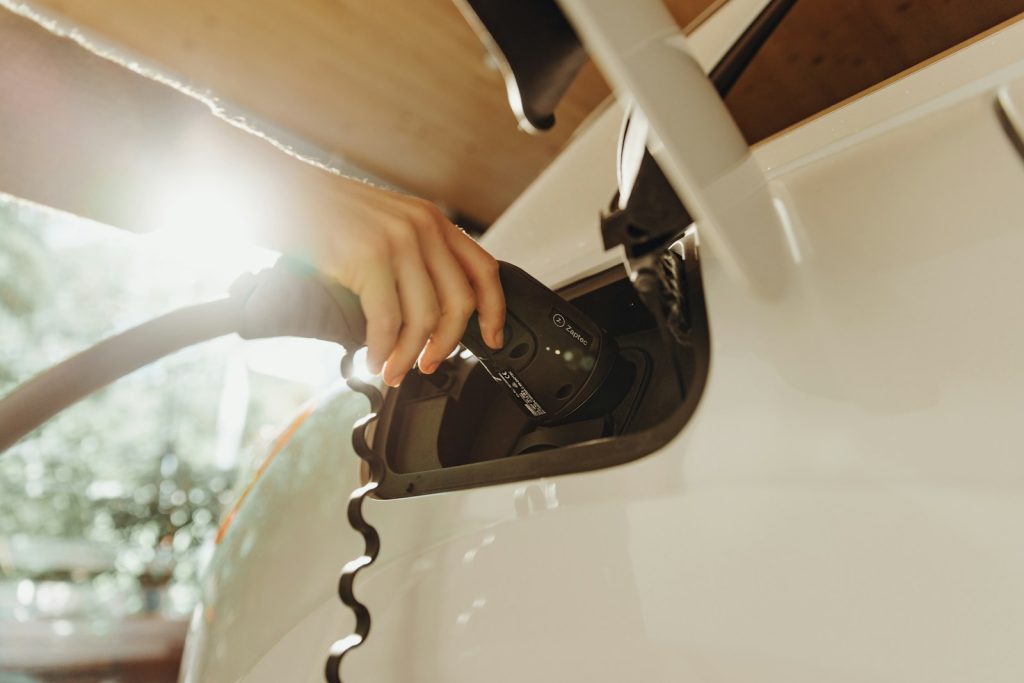
You may face steep battery replacement bills if your EV’s pack fails after warranty.
Typical out-of-warranty costs often range from about $5,000 to $16,000 depending on make and pack size.
Battery life usually exceeds 100,000 miles, so replacement is uncommon for new cars.
But if you buy used, reduced capacity or an older vehicle can make a full pack swap a significant expense.
Limited and inconvenient charging infrastructure
You may find charging stations scarce, especially in cities and apartment complexes where installation lags behind demand. Long waits and broken chargers can turn a short trip into a time-consuming errand.
If you rely on public chargers, unpredictable availability and slow charging speeds can disrupt your routine. That inconvenience makes EV ownership less practical for many people who need reliable, quick refueling.
Higher insurance premiums for EV owners
You may pay more to insure an electric vehicle than a comparable gas car. Insurers factor in higher repair costs, specialized parts, and expensive battery work that lengthen repair time.
Your premiums can be 10–25% higher in many cases, and some 2025 estimates put the gap even larger. You can still lower costs by raising deductibles, bundling policies, or hunting for EV-specific discounts.
Battery degradation reducing range and resale value
You’ll see EV battery capacity drop over years of use, which shortens your driving range and can alter daily convenience.
Reduced range makes long trips harder and can increase charging frequency, affecting how you plan drives.
A visibly degraded battery lowers resale value because buyers pay for reliable range and longevity.
That decline can leave you with a car that’s worth noticeably less than a comparable ICE vehicle after several years.
Longer charging times compared to fuel refills
You’ll notice charging an EV usually takes far longer than filling a gas tank. Even with fast chargers, top-ups often require 20–45 minutes, and home charging can take several hours.
This affects spontaneous travel and quick errands; you must plan longer stops or charge overnight. Battery size, charger power, and charging network availability determine how long you wait.
Reduced variety as some EV models are discontinued
You may find fewer electric models to choose from as automakers trim lineups and cancel projects.
That means your options can shrink, especially for niche body styles or midrange price points.
If a model you wanted gets axed, you might pay more for remaining choices or settle for features you don’t prefer.
Limited variety can slow competition and leave you with fewer trade-in or resale alternatives.
More from Steel Horse Rides: