
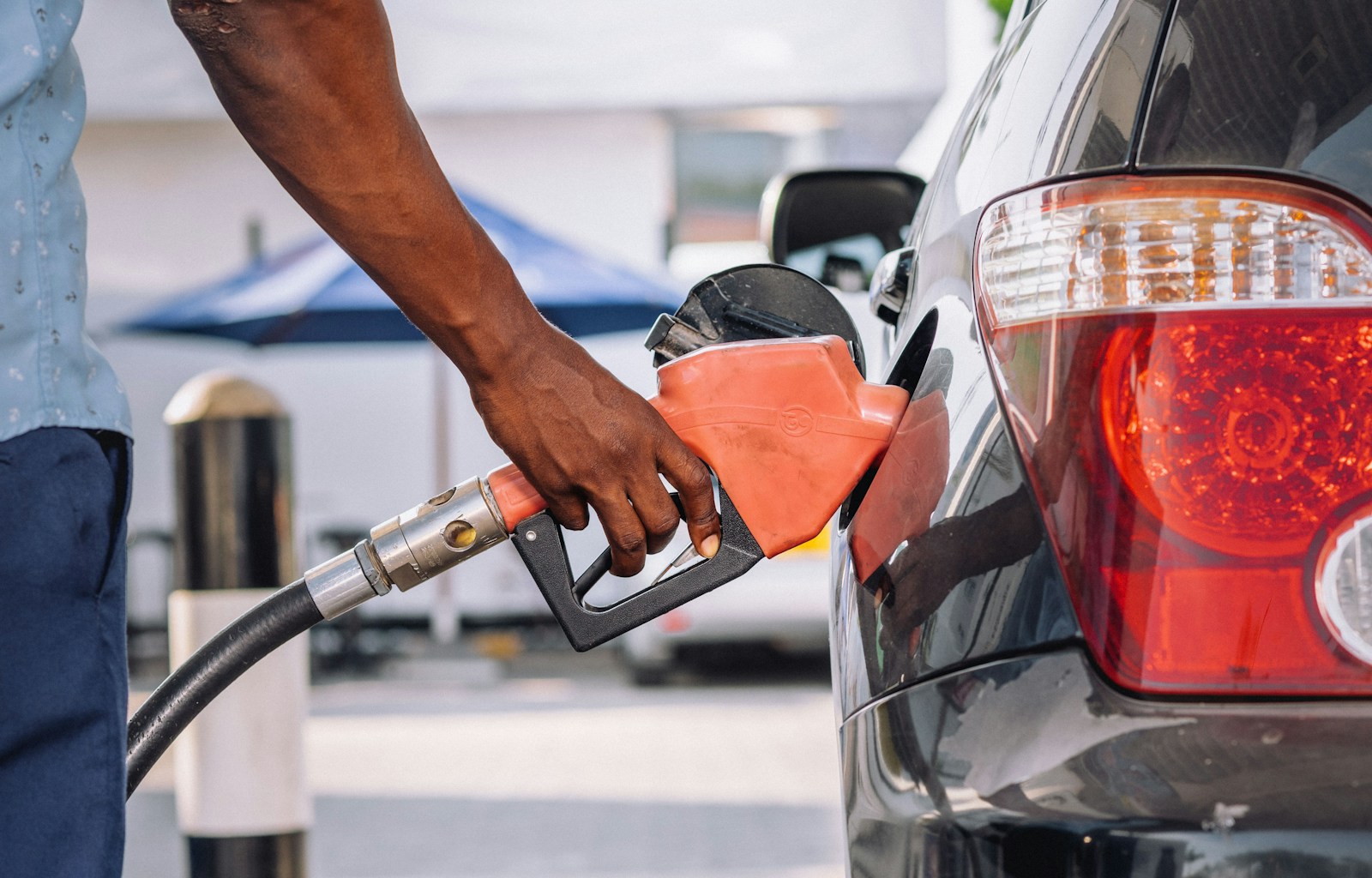

You probably treat fueling as a quick, forgettable chore, but small habits at the pump can cost you time, money, or safety if you’re not careful. This article shows seven common gas-pump mistakes you may be making and how avoiding them keeps your car and wallet in better shape.
You’ll get straightforward, practical tips that cover everything from distracted fueling and cellphone use to handling static, heat, and simple post-fill tasks like tightening the gas cap. Keep reading to spot easy fixes that make your next stop at the pump safer and less stressful.
Leaving your engine running while pumping gas
You should turn off your engine before you start fueling. Running engines can create heat and electrical activity that raise the small risk of ignition.
Some places prohibit leaving a car running and local laws or station rules may fine you. It also increases chance of spills or vapor buildup around your vehicle.
Switch off auxiliary power like phone chargers and portable heaters too. That simple step reduces static and keeps everyone safer while you pump.
Using a cell phone at the pump
You can get distracted by calls or texts and forget basic safety steps, like replacing the nozzle.
Phones may also carry static charge; touching your device then the pump can create a small shock.
If you need to use your phone, step away from the pump and finish the call or text first.
Keep your phone in your pocket or car to stay focused and reduce risk.
Ignoring static electricity by not touching metal before fueling
You can build static on your body, especially in dry weather or after sliding across a seat. Touch a metal part of your car away from the filler to discharge that charge before you grab the pump.
If you must re-enter your vehicle while fueling, do the metal touch again. This simple habit lowers the small risk that a static spark could meet fuel vapors.
Overfilling the gas tank beyond the auto shut-off point
Topping off after the pump clicks off can push fuel into the EVAP system and vent lines, which may cause sensor errors or fuel odors.
If you spill fuel on your car or the ground, wipe it up carefully and avoid smoking or running the engine until it evaporates.
A one-time overfill rarely ruins your vehicle, but repeated topping-off increases risk and repair costs.
Listen for the automatic shut-off and resist the urge to squeeze more petrol in—your tank already holds what it needs.
Not tightening the gas cap properly after refueling
If you don’t click the cap back on, fuel vapors can escape and trigger your check engine light.
A loose cap also lets dirt into the tank and can upset fuel-system pressure, which may affect idle and efficiency.
Always turn until you hear a clear click.
If the cap feels damaged or won’t seal, replace it—caps are inexpensive and prevent bigger problems.
Distracted fueling, like eating or chatting while pumping
You might think a quick bite or chat is harmless, but distractions raise real risks at the pump. Looking away can make you miss overflow, forget to stop the nozzle, or leave the engine running.
Keep your phone and food inside the car until fueling finishes. Stay present and watch the pump; it takes just seconds to prevent spills and costly mistakes.
Pumping gas in extreme heat without precautions
High heat raises gasoline vapor pressure, so avoid topping off your tank when it’s sweltering. Keep your engine off and minimize time at the pump to reduce vapor buildup.
Park in shade if possible and close windows to limit cabin heat. Carry a bottle of water and sunscreen if you’ll be outside for more than a minute or two.
Touch metal parts cautiously; they get hot quickly. If you smell strong fuel or see pooled liquid, step back and tell the attendant immediately.
More from Steel Horse Rides: