

You’ll find a mix of style, engineering, and cultural stories in this roundup of seven classic cars that shaped automotive taste and still spark enthusiasm today. This article helps you recognize what made each model memorable and why they continue to matter—so you can appreciate their design, performance, and lasting influence.
Turn the page to explore icons from American muscle to European grand touring and racing legends, and let the history and personality of each car guide your curiosity.
Ford Mustang

You’ll recognize the Mustang’s long hood and short rear deck instantly; its 1964 debut created the “pony car” segment.
You can find early Mustangs with simple, affordable design that appealed to young drivers and helped Ford sell far more than expected.
You’ll see the Mustang evolve across generations—convertibles, fastbacks, and special editions—all keeping a focus on sporty style and accessible performance.
If you love American muscle, the Mustang remains a touchstone in automotive culture.
Chevrolet Impala
You’ll recognize the Impala’s long, graceful lines and roomy interior from photos and driveways alike. It debuted in 1958 as Chevrolet’s full-size flagship and quickly became a favorite for comfort and style.
Across decades the Impala shifted from luxury cruiser to powerful V8 icon, with the 1960s models especially admired by collectors. If you value classic American presence and easy highway manners, the Impala likely fits your tastes.
Jaguar E-Type
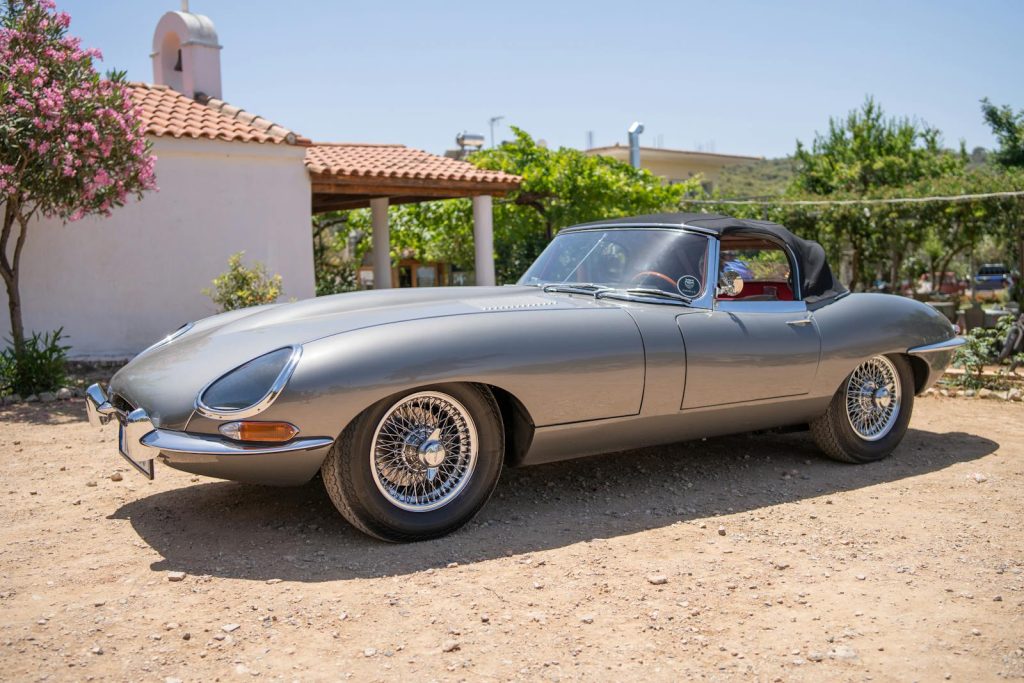
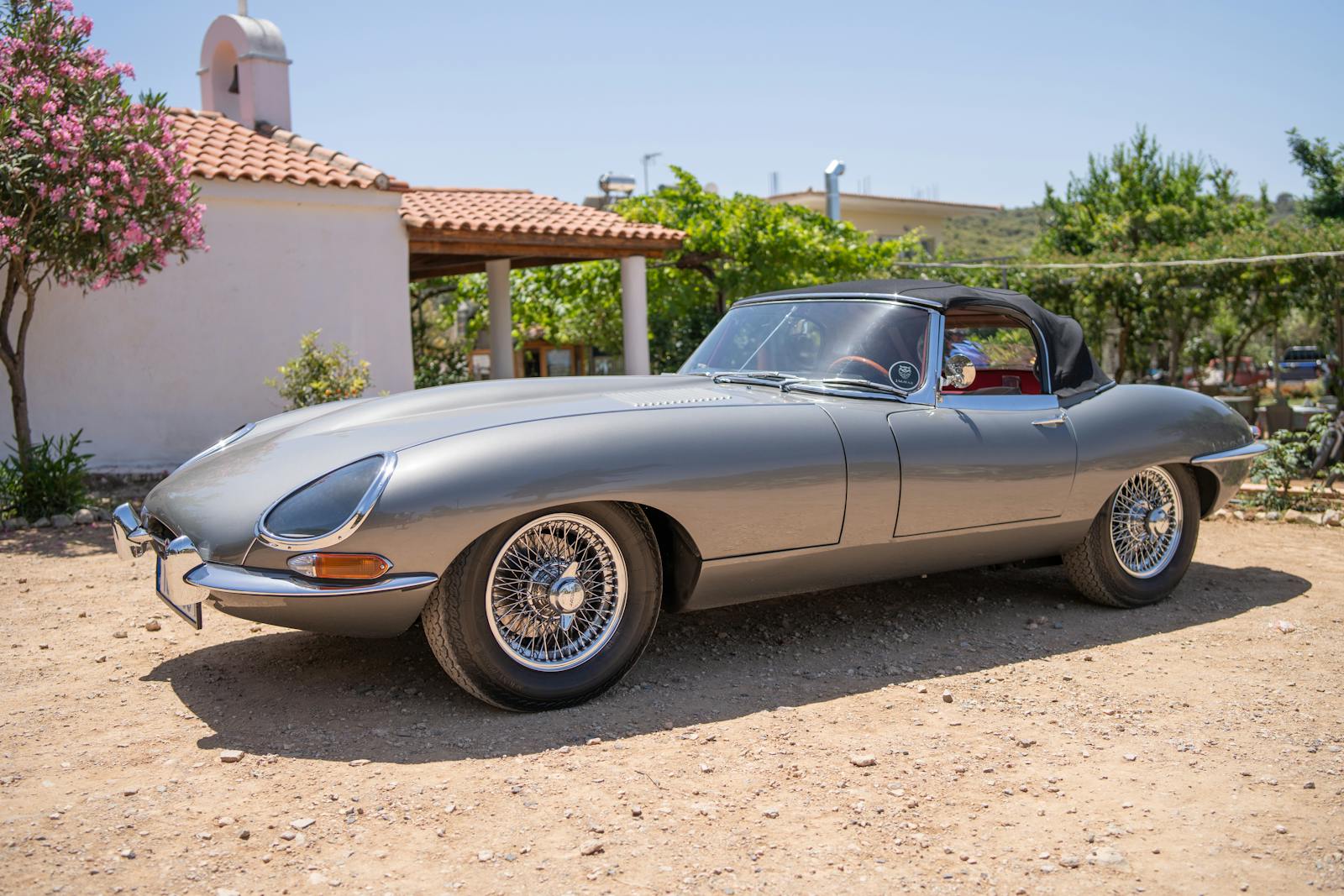
You’ll recognize the Jaguar E-Type by its long hood and elegant curves that helped redefine sports-car styling after 1961.
Behind that beauty, it offered advanced engineering for its time — independent rear suspension and strong straight-six or later V12 engines — so driving felt thrilling and refined.
Collectors prize its design and history, and Jaguar even launched a Reborn program to restore E-Types to like-new condition for modern owners.
Porsche 911
You’ll recognize the Porsche 911 by its timeless silhouette and rear-engine layout.
It debuted in the 1960s and quickly became a benchmark for driving feel and engineering.
Owning one puts you in a long line of enthusiasts who prize precision and balance.
Whether early air-cooled models or later water-cooled variants, the 911 rewards skilled driving with engaging feedback.
Cadillac Eldorado
You’ll recognize the Eldorado for its long, luxurious profile and Cadillac’s commitment to comfort. It debuted in the 1950s and evolved across multiple generations into an icon of American personal luxury.
You get advanced features on later models, like front-wheel drive in the late 1960s and bold styling through the 1970s. Collectors prize its mix of presence, refinement, and era-defining details.
Ferrari 250 GTO
You’ll recognize the Ferrari 250 GTO by its elegant, purposeful lines and racing history from the early 1960s. Built in very small numbers between 1962 and 1964, it paired a V12 engine with chassis and aerodynamics tuned for competition.
Collectors prize it for rarity, engineering, and period success on track. You’ll likely see it described as one of the most iconic and valuable classic cars because of its pedigree and scarcity.
Mercedes-Benz 300SL Gullwing
You’ll recognize the 300SL by its dramatic gullwing doors and sleek, aerodynamic lines.
It debuted in the mid-1950s and brought race-derived engineering—like direct fuel injection—to a road car.
Driving one feels connected to motorsport history, yet the cabin remains surprisingly refined.
Collectors prize its rarity and craftsmanship, so well-preserved examples command high respect and value.
More from Steel Horse Rides: