

You probably grew up picturing sports cars as thrilling, desirable machines — but the market has shifted. This article shows which once-coveted models fall short today and why they’ve lost appeal, so you can spot potential pitfalls whether you’re buying, selling, or just curious.
You’ll move through examples from discontinued icons to niche models that never found buyers, with clear reasons behind each decline. Expect straightforward takes on how pricing, practicality, and changing tastes reshaped the fate of classics like the Camaro, Viper, and others.
Chevrolet Camaro (discontinued)

You once looked at the Camaro as a symbol of raw American muscle, but shifting tastes moved buyers toward SUVs and electrified options.
Chevrolet ended the Camaro’s run by model year 2024, citing slipping sales and changing market demand.
If you want similar thrills today, the Corvette or used performance coupes fill that niche.
Buying a late-model Camaro can still give you classic styling and V8 sound, though resale and parts support may decline over time.
Dodge Viper
You remember the Viper for its raw V10 power and minimal driver aids. It rewarded skill but could intimidate less experienced drivers.
Its old-school nature and rising safety and emissions costs made it harder to justify for buyers and makers. You’ll still find devoted collectors, but everyday demand has dwindled.
Audi R8 (early models)
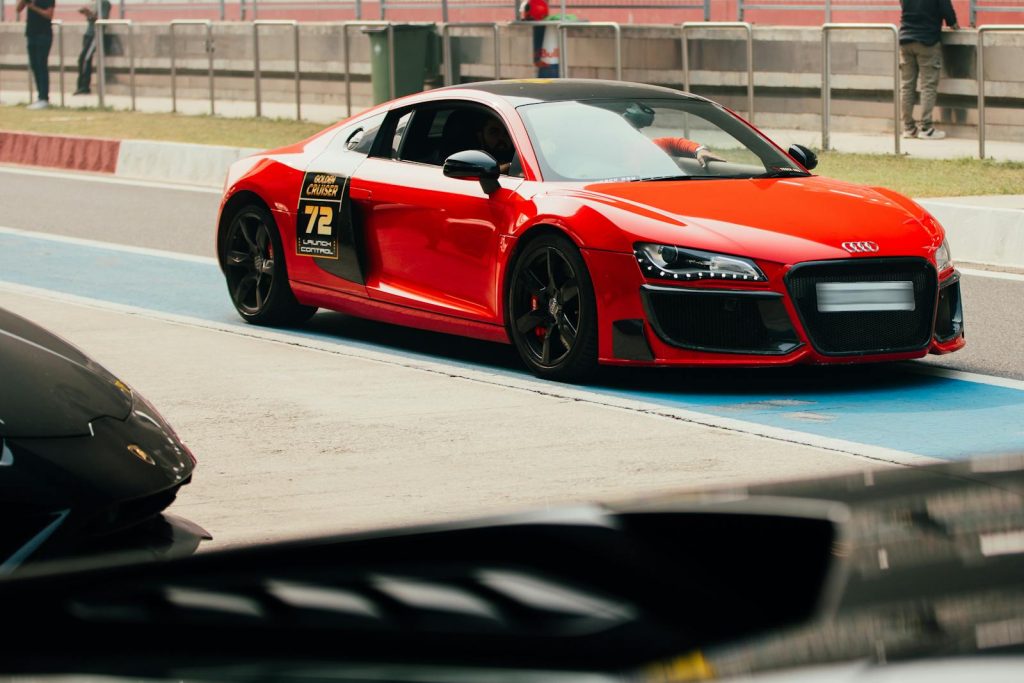
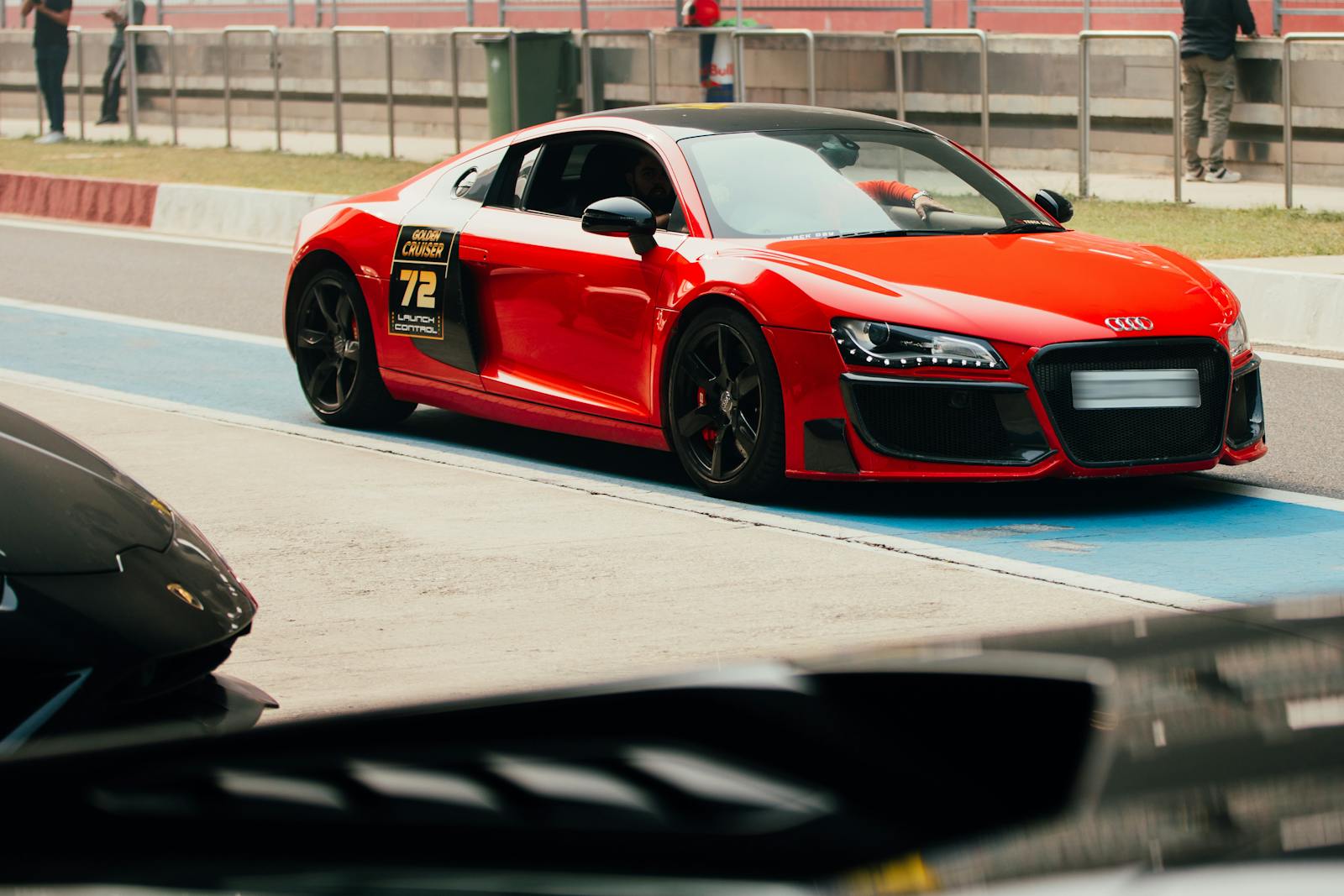
You loved the R8 for its V10 growl and mid-engine balance when it first arrived. Early models felt exotic yet usable for daily drives, with Audi’s quattro tech adding confidence in corners.
Now you may find maintenance and running costs steep compared with newer alternatives. Parts and specialist service can be expensive, and depreciation hit some early examples hard.
If you want vintage supercar character without modern complexity, an early R8 can still charm — but check service history closely before you buy.
Alfa Romeo 4C
You might have loved the 4C for its light carbon-fiber tub and sharp handling, but buyers moved on as practicality and dealer support became concerns. Limited production and a small engine gave it character, yet maintenance costs and scarce parts made ownership awkward.
Alfa tried brief revivals and special editions, but demand never returned to mainstream levels. If you like rare, quirky sports cars, the 4C can still appeal — just be ready for compromises.
Fiat 124 Spider
You might remember the 124 Spider as a charming, compact roadster with classic Italian styling.
Its modest engine and small size leave you wanting more compared with bigger, quicker sports cars.
If you drive one, you’ll enjoy light steering and open-top fun, but you’ll also notice it lacks punch.
Modern buyers tend to prefer more power or space, which has pushed the 124 Spider toward the used-car market.
Volkswagen Scirocco
You might remember the Scirocco for its sharp styling and fun handling from the ’70s and its brief return in 2008. It stopped selling again after weak sales, so you won’t find it new in showrooms anymore.
If you liked a sporty hatch that felt driver-focused, the Scirocco had charm and agility. Today, buyers gravitate toward crossovers and hot hatches with stronger resale and dealer support, which left the Scirocco sidelined.
Lotus Elise (older versions)
You loved the Elise for its featherlight chassis and raw steering.
Now, older examples demand careful inspection for tired suspension, corroded subframes, and hard-to-find parts.
You’ll find engines that feel sprightly but may need costly rebuilds as mileage climbs.
If you want classic Lotus purity, expect compromises in comfort and modern safety features.
More from Steel Horse Rides: