
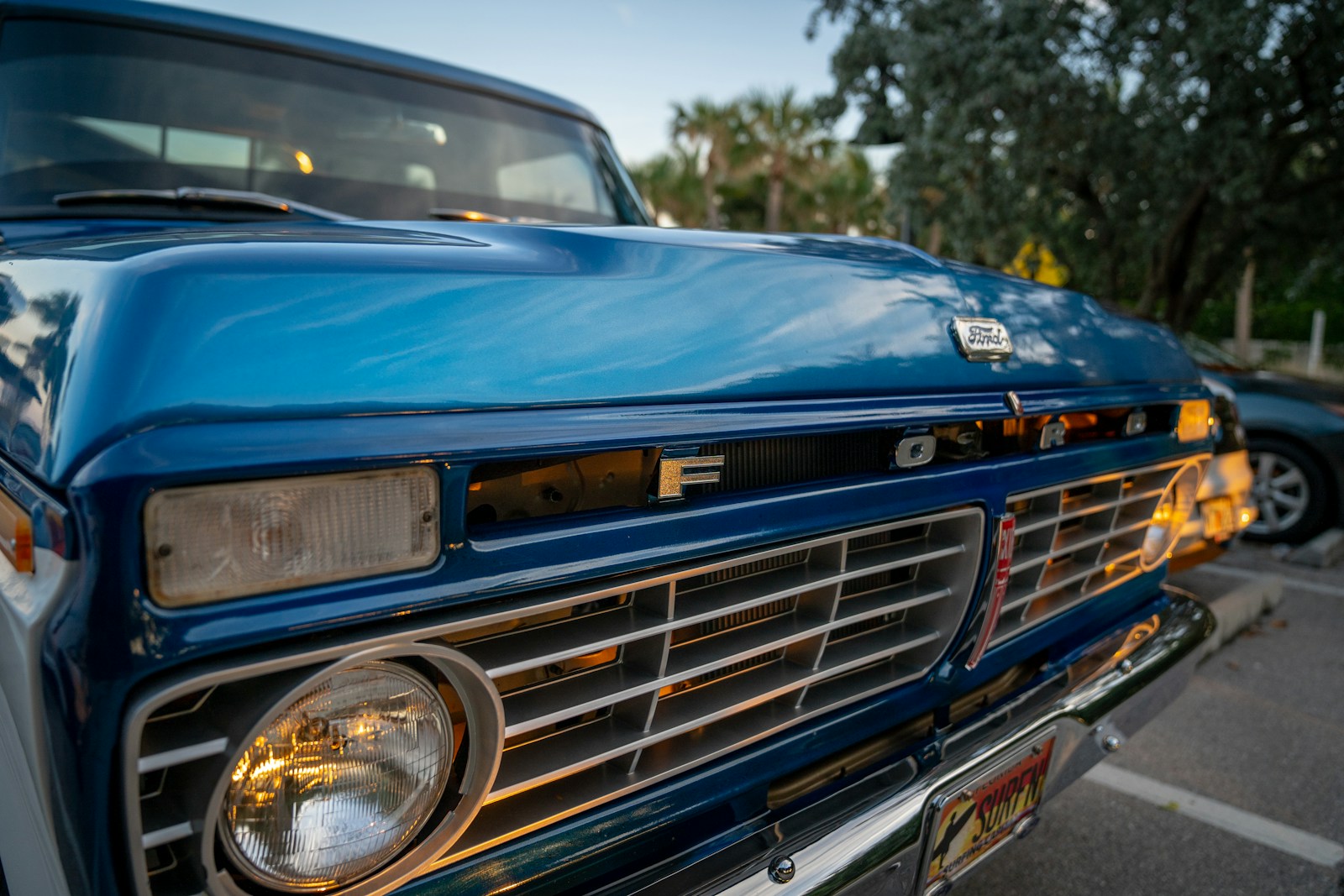

You’ve probably admired classic pickups from afar, but not every vintage truck earns that nostalgic glow. This article points you toward seven models that fell short of expectations—vehicles that collectors, mechanics, and casual owners often avoid for practical flaws, limited appeal, or odd design choices. You’ll learn which pickups underwhelm and why they remain unpopular, so you can skip costly mistakes or spot overlooked opportunities.
Expect a straightforward look at each model’s quirks, ownership headaches, and the market realities that keep them unloved. The goal is to give you clear, useful context before you hunt for a project truck or decide what to avoid at a swap meet.
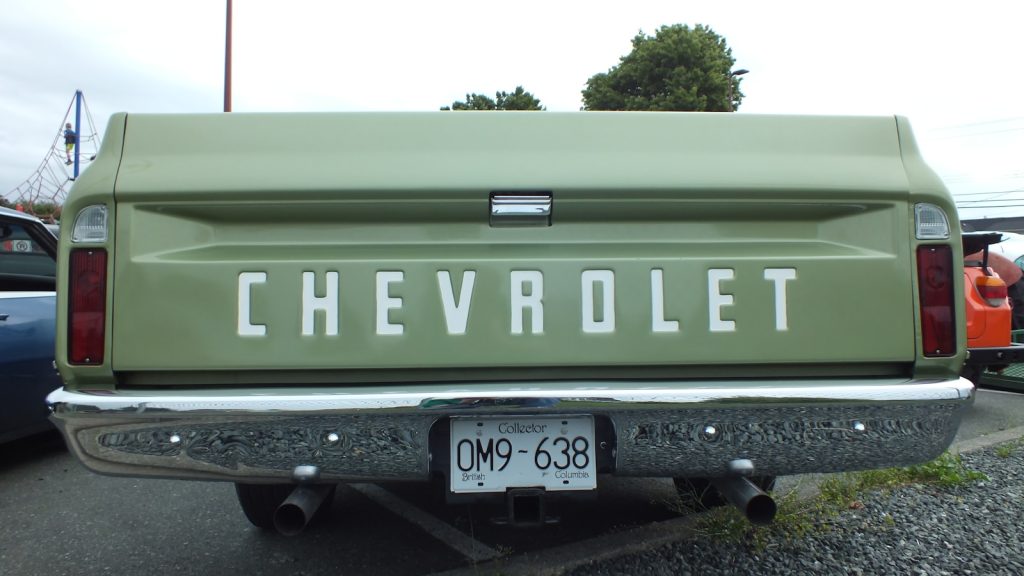
You might expect charm from a tiny vintage pickup, but the 1972 Chevrolet LUV often disappoints owners looking for classic American ruggedness. It’s a rebadged Isuzu Faster, so your truck feels more Japanese-compact than traditional Chevy.
You’ll appreciate the fuel economy, yet the light construction and simple amenities leave much to be desired. If you want a true vintage truck character, this one can feel out of place in a classic collection.
Ford Courier (1970s)
You’ll spot the Courier as Ford’s compact, Mazda-built answer to the 1970s mini-truck craze.
It offered simple mechanics and good fuel economy, but it lacked the rugged image many truck buyers wanted.
You might find its small size handy in tight city spaces, yet its styling and badge confusion—sometimes “COURIER,” sometimes “FORD”—left some buyers cold.
If you want a practical vintage runabout rather than classic truck prestige, the Courier could still suit your needs.
Dodge Lil’ Red Express Truck
You might expect a flashy truck to win fans, but the Lil’ Red Express often divides opinion.
It looked like a hot rod with tall exhaust stacks and bright red paint, yet its styling felt over-the-top to many buyers.
You may appreciate its police-interceptor V8 power and quickness for the era.
But others saw it as a quirky emissions-era loophole — loud, attention-seeking, and not to everyone’s taste.
1970s International Harvester Scout Pickup
You might find the Scout rugged but quirky compared with other 1970s pickups. Its boxy design and truck-based origins give it character, yet interior comfort and ride quality lag behind modern expectations.
If you value originality, Scouts can be appealing, but you should expect mechanical idiosyncrasies and limited parts availability. That makes restoration a commitment rather than a casual weekend project.
AMC Rebel Truck
You might spot an AMC Rebel Truck and do a double-take; AMC built Rebels as midsize cars from 1967–1970, not as mainstream pickups.
As a truck concept or rare conversion, it carries odd proportions and scarce parts, so owning one demands patience and parts-hunting.
If you want something practical, this isn’t it.
Collectors sometimes like the novelty, but you’ll face limited support and unconventional fitment for repairs.
Nissan 720 (early models)
You might find early Nissan 720s practical but plain; they aimed for utility over charm.
These trucks were simple, inexpensive, and built to work, which left little room for style or refinement.
If you value comfort or modern features, the early 720 will feel spartan and noisy.
Parts and enthusiast interest exist, but many owners saw them as disposable rather than desirable.
Chevrolet El Camino (less popular trims)
You might expect the El Camino to be loved across the board, but some trims never caught on.
Mid- and late-1980s base models traded character for economy, leaving buyers wanting more personality and power.
If you value comfort over sport, you’ll find certain luxury-oriented packages felt out of place on a car-truck hybrid.
Owners often report those trims have lower resale and fewer enthusiast buyers, so your options may be harder to sell later.
More from Steel Horse Rides: