

You’ll travel back to a decade when cars defined identities and turned daily drives into statements of style and power. This article shows eight standout 1960s models that shaped design, performance, and car culture—so you can see what made each one unforgettable.
Expect concise profiles that cover how these cars looked, how they felt on the road, and why collectors still chase them. You’ll move from American muscle and sleek sports cars to charming classics, getting a clear sense of each model’s lasting appeal.
1964 Ford Mustang
You’ll find the 1964 Mustang changed expectations for affordable sportiness with its long hood, short deck, and roomy four-seat layout. It offered choices from an economical inline-six to a potent 289 V8, so you could tailor performance to your taste.
Ford sold hundreds of thousands in the first year, turning the Mustang into the template for the “pony car” segment. Its youthful styling and accessible price made it a cultural icon you still see at shows and in movies.
1969 Chevrolet Camaro SS
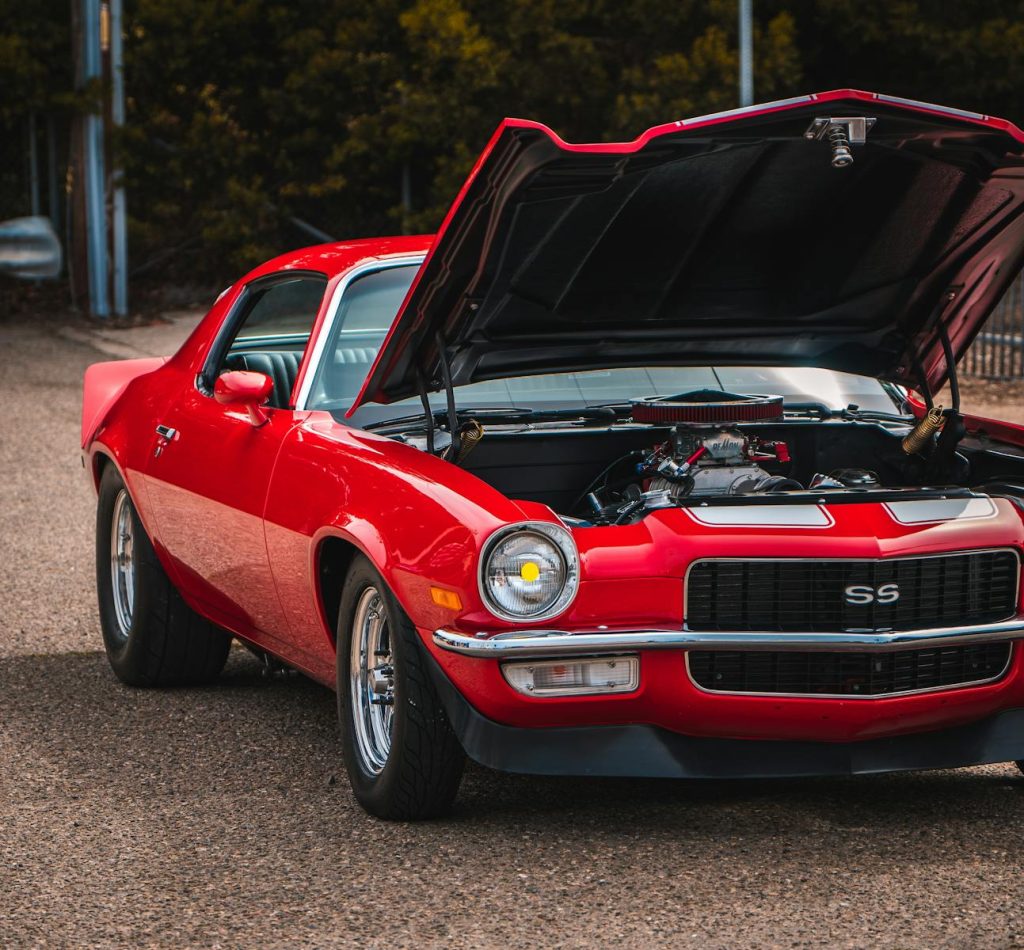
You’ll notice the 1969 Camaro SS blends aggressive styling with strong V8 options, giving you raw, driver-focused appeal. Its sharpened lines and muscular stance made it a standout among late-60s muscle cars.
You can choose from several trims that year, including SS and the performance-oriented Z/28 and rare COPO variants. That variety means you can find a Camaro tuned for cruising, strip work, or show-quality restoration.
1966 Shelby Cobra 427
You’ll feel the 427 Cobra’s reputation the moment you learn its engine swapped a lightweight roadster into a race-ready beast. Shelby widened the chassis and upgraded suspension to handle the big-block power.
If you hunt classic thrills, the Cobra’s rarity and race pedigree make it a standout. Prices and demand reflect its lasting appeal, yet the car’s simple, muscular design remains what draws you in.
1967 Pontiac GTO
You’ll notice the 1967 GTO refines the raw muscle of earlier years with cleaner lines and bolder presence. Its available Ram Air engines and stout V8s give real-road performance without gimmicks.
You get classic muscle-car styling—quad headlights, a sculpted hood, and wide stance—that still reads modern. Collectors prize these models for their balance of style, power, and relative rarity.
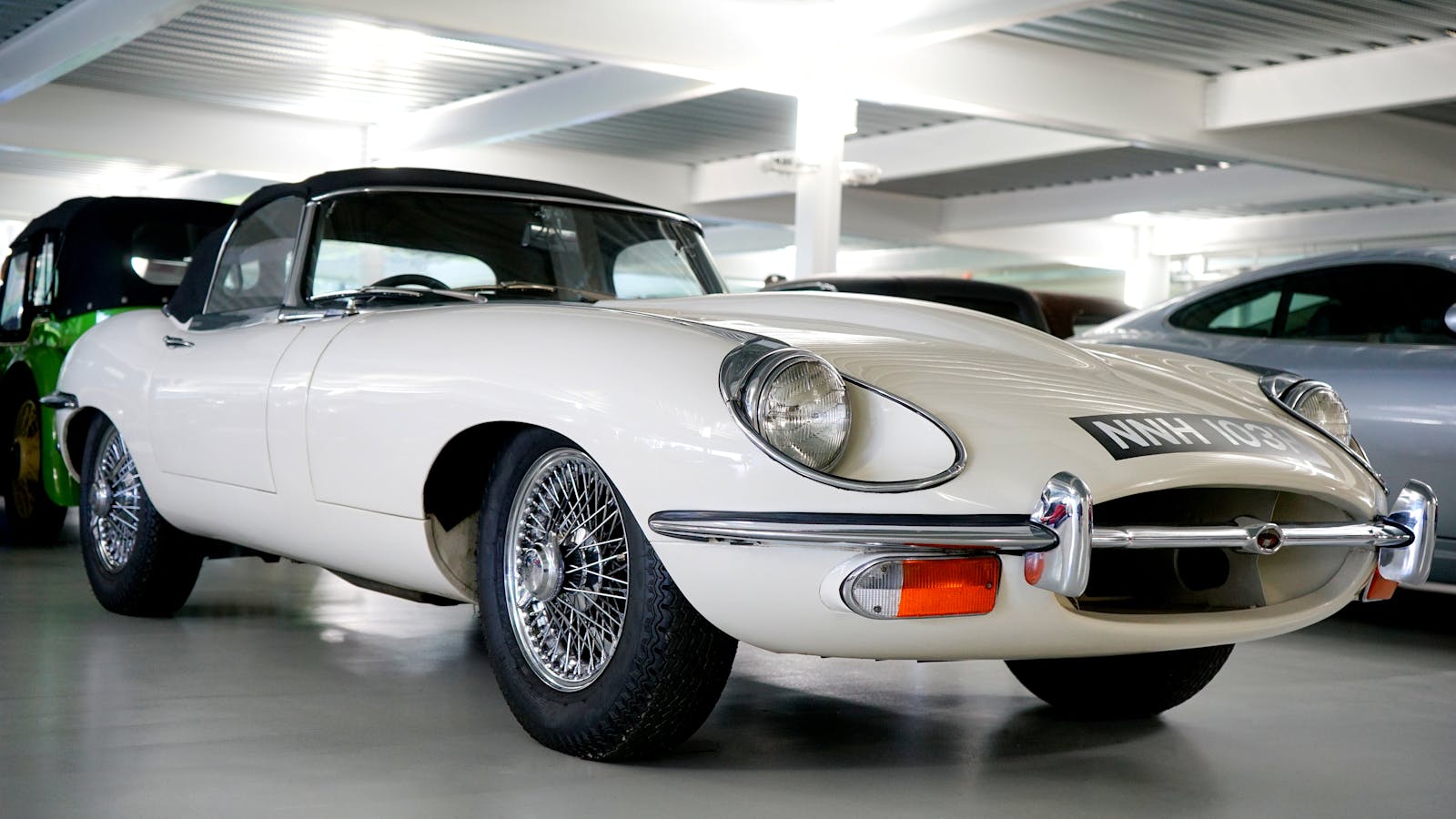
1963 Jaguar E-Type
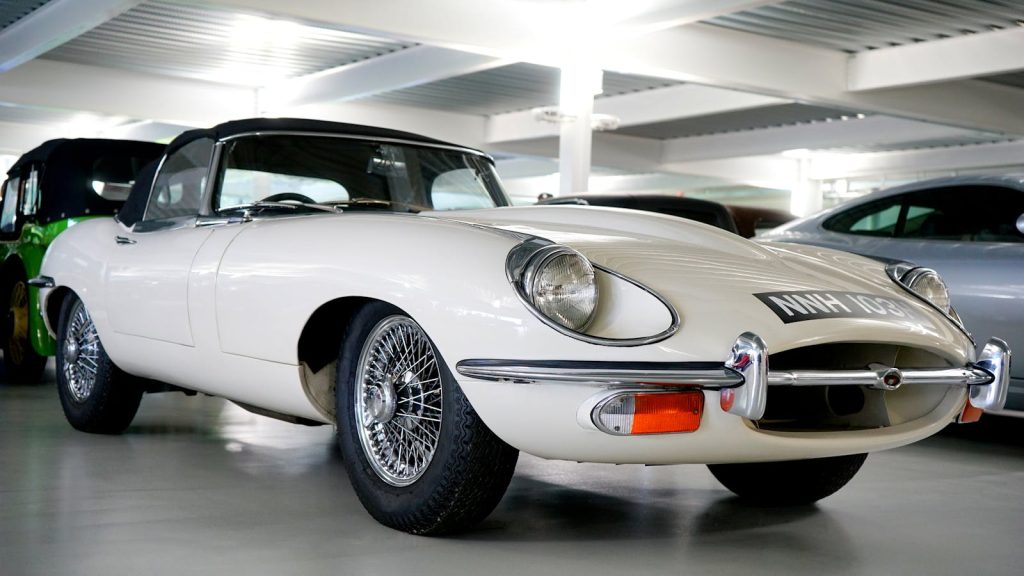
You’ll notice the 1963 Jaguar E-Type pairs stunning, flowing lines with serious performance. Its long bonnet and low stance made it look faster than many cars that actually were.
You get a 3.8‑litre inline‑six that delivered lively acceleration for the era. Owners still praise its balanced handling and timeless style.
1969 Dodge Charger R/T
You’ll notice the 1969 Charger R/T’s bold grille and revised taillights give it a tougher, more aggressive stance than earlier Chargers.
Its available 440 Magnum V8 delivered strong, usable power for street and strip, while the R/T badge marked it as a performance-focused model.
You can spot the Charger in period movies and racing lore, which helped cement its muscle-car reputation.
Driving or owning one today connects you to the peak of 1960s American performance and style.
1965 Chevrolet Corvette Sting Ray
You’ll notice the 1965 Sting Ray blends sharp styling with serious performance.
It introduced four-wheel disc brakes as standard, improving stopping power for spirited driving.
You can choose from small-block fuel-injected V8s or the mid-year big-block 396 cu in V8.
That big-block option brought much higher horsepower while ending factory fuel injection that year.
This Corvette remains a favorite for collectors who value classic looks and authentic 1960s performance.
1968 Volkswagen Beetle
You’ll recognize the 1968 Beetle by its classic rounded shape and simple, friendly design. It added practical updates that year, like taller taillights, vertical sealed-beam headlights, and the fuel filler moved to the fender.
You get an air-cooled flat-four engine that’s easy to maintain and a driving feel focused on reliability rather than speed. The Beetle’s pop-culture fame from films like The Love Bug helped cement its status as a beloved, accessible car.
More from Steel Horse Rides: