
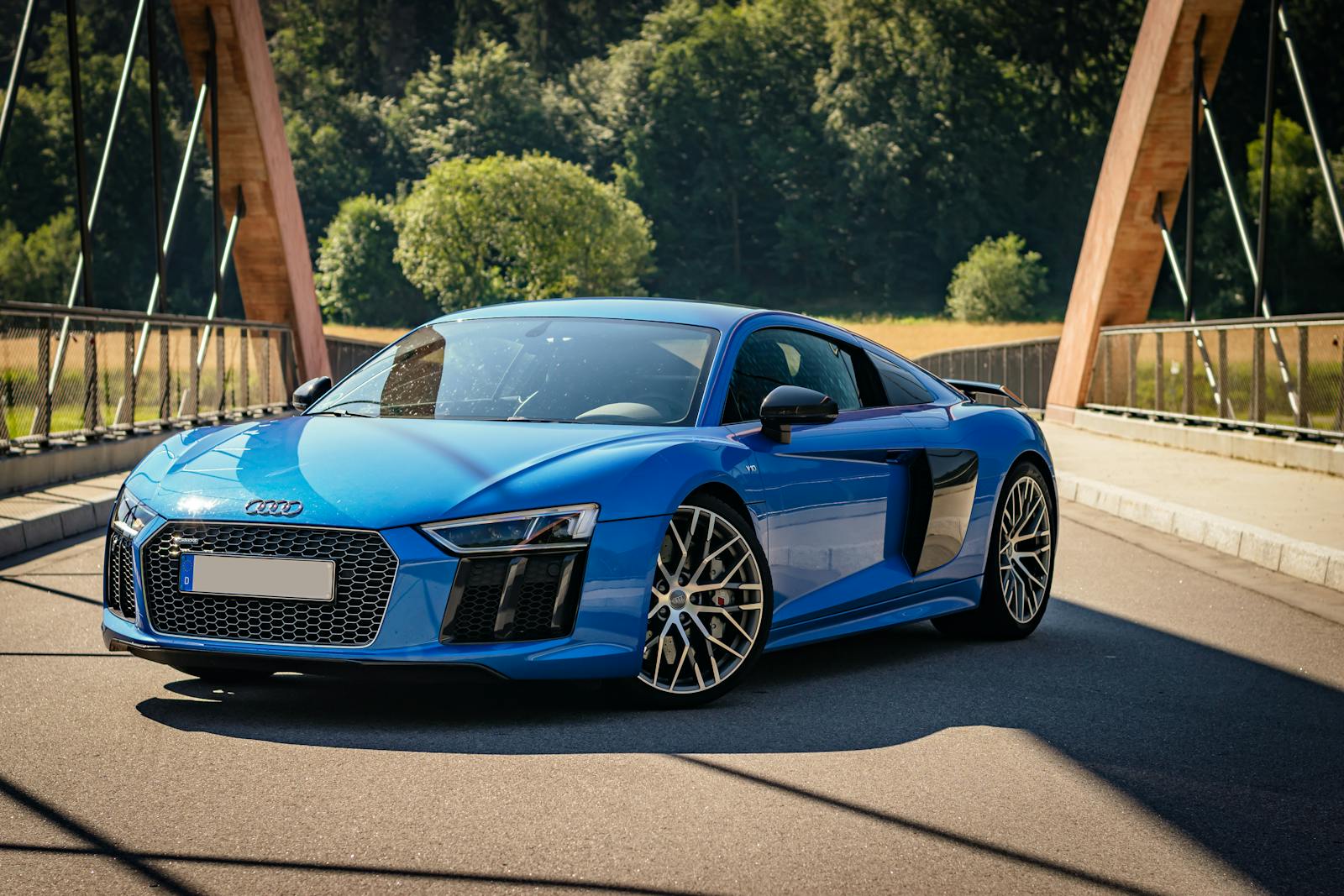

You probably love the idea of a sleek, fast car—but the market has changed, and some once-celebrated sports cars now sit unsold. This article shows which models have faded from favor and why they might not be worth your time or money today.
You’ll see examples spanning mainstream legends and niche exotics, plus the common reasons they fell out of favor so you can spot warning signs before you buy. Stay tuned to understand how shifting tastes, costs, and practicality reshaped the sports-car landscape.
Chevrolet Camaro

You probably recognize the Camaro as a long-running American muscle car with strong styling and available V8 power. Recent years saw Chevrolet wind down the model, including ending the turbo four-cylinder and planning final 2024 production runs.
If you loved raw V8 feel, you might miss it; if you prioritize efficiency or modern tech, newer alternatives may suit you better. Availability and resale values have shifted as the market moves toward SUVs and electrification.
Dodge Viper
You remember the Viper as a raw, V10-powered American icon that prioritized brute force over driver aids.
Its lack of modern tech and rising emissions and safety costs made it hard to sell in a market shifting toward refined, electrified sports cars.
You might still spot Vipers in private collections or occasional dealer “zombie” sales, but practical buyers moved on.
Owning one now often means embracing higher running costs and limited daily usability.
Audi R8
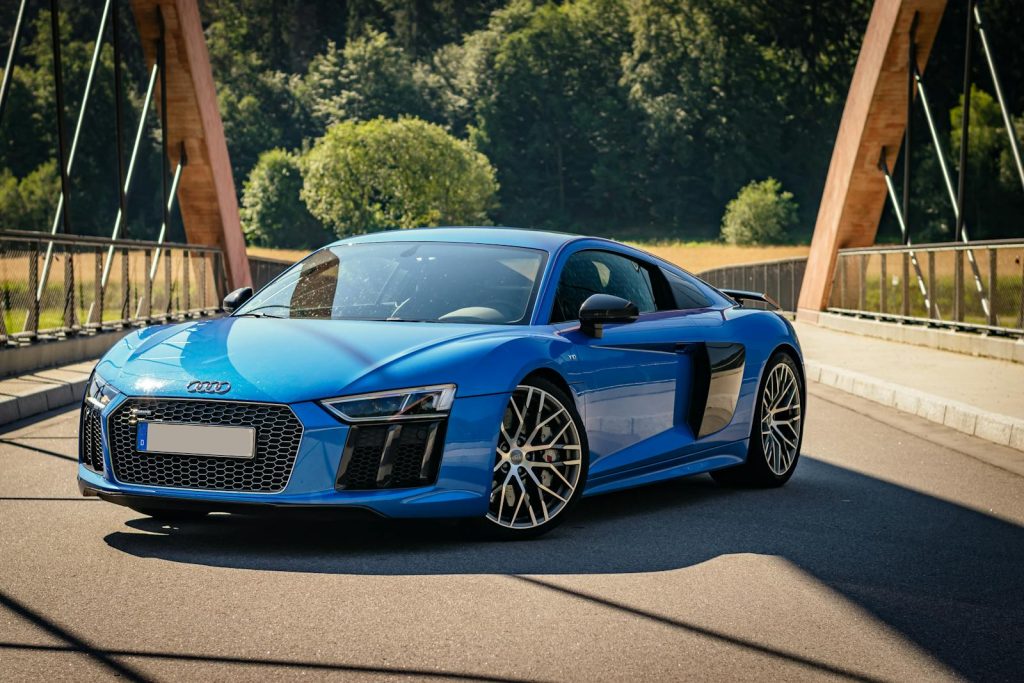
You probably loved the R8 for its exotic looks and V10 soundtrack, but demand faded as buyers shifted toward electrified and crossover performance models.
Audi ended R8 production and has no plans to bring back a direct internal-combustion successor, so finding a new one from the factory is no longer possible.
If you own one, its uniqueness may help resale among enthusiasts, though market interest has narrowed.
For most buyers today, an electric or versatile sports crossover feels more practical than a two-seat mid‑engine supercar.
Fiat 124 Spider
You might remember the 124 Spider as a charming, lightweight roadster that shared bones with the Mazda MX-5. It looks pretty and handles well, but many buyers felt it lacked the power and presence they wanted in a modern sports car.
Rust-prone heritage and Fiat’s uneven U.S. reputation also hurt resale appeal. If you value style and nimble driving over outright performance, it can still be a fun, affordable choice.
Volkswagen Scirocco
You probably remember the Scirocco’s sharp coupe lines and engaging handling from older models.
It offered sporty flair without the high price of true sports cars, yet sales dwindled in recent years.
If you hoped for a revived model, Volkswagen ended production after weak demand and limited market exposure.
That means fewer parts and resale interest today, so buy carefully if you see one for sale.
Alfa Romeo 4C
You might remember the 4C for its lightweight carbon-fiber tub and sharp handling, but few buyers wanted its spartan interior and limited practicality. Its raw, analogue driving feel appeals to enthusiasts, yet daily usability and creature comforts fall short for most buyers.
Production stopped in 2020, and Alfa Romeo has only flirted with limited revivals. If you crave a focused weekend toy, it still rewards; for everyday ownership, it demands compromises.
Nissan 370Z
You might remember the 370Z as a raw, naturally aspirated V6 sports car with a manual option and rear-wheel drive. Its design and platform stayed largely unchanged for years, so it feels dated compared with newer rivals.
If you want simple driving thrills and an affordable entry into sports-car ownership, it still delivers. But buyers moved on to fresher styling, forced induction powertrains, and more tech, leaving the 370Z less desirable in today’s market.
More from Steel Horse Rides: