
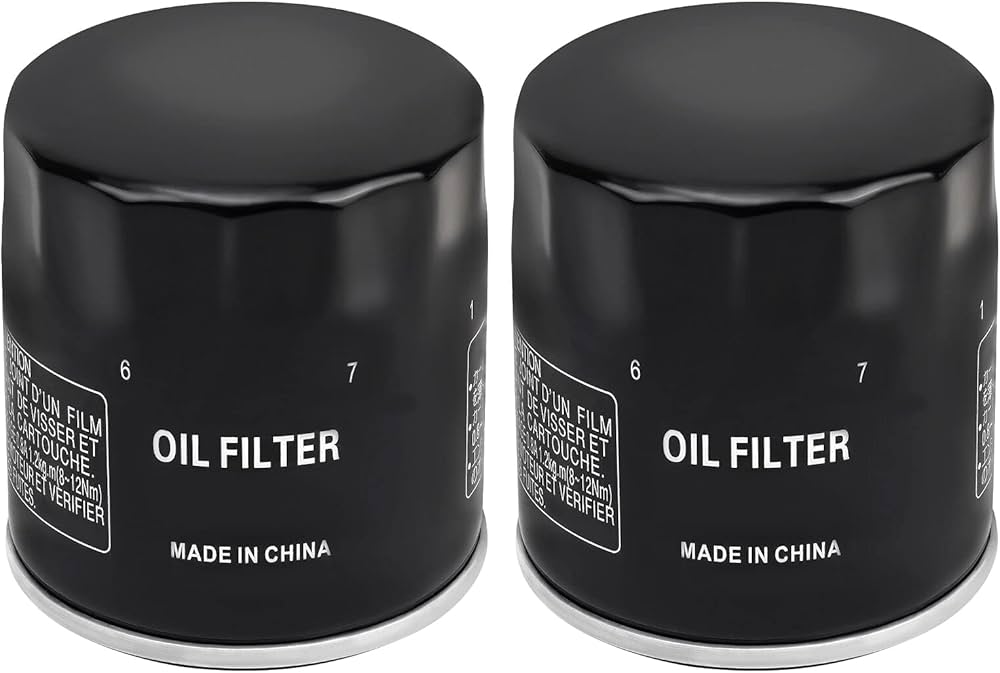

You spend money and time maintaining your car; choosing the wrong oil filter can undo both. You’ll learn which common filter types and brands tend to underperform so you can avoid products that risk poor filtration, leaks, or premature failure.
This article guides you through common problem sources—from low-cost house-brand filters to certain mainstream and manufacturer-branded lines—so you can spot warning signs and pick safer options for your engine.
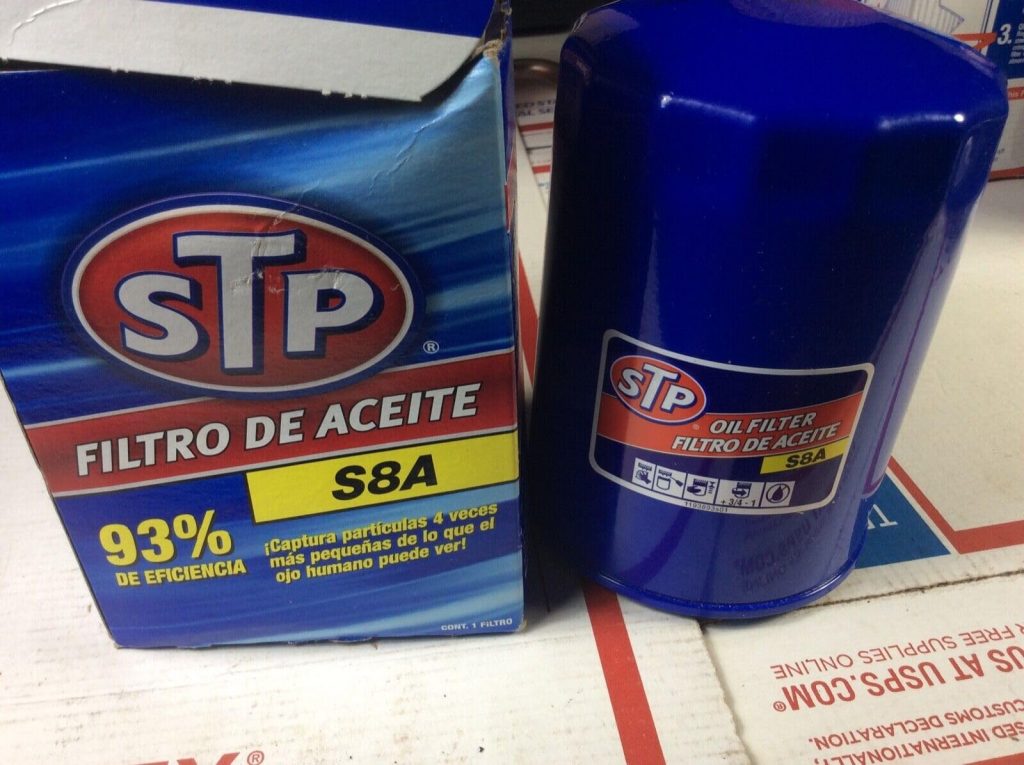
Fram Oil Filters
You may see Fram filters widely available and affordably priced, but some of their lower-end models have quality concerns. Reports and user tests note issues like cardboard end caps and weaker media that can degrade faster than metal-capped, higher-grade filters.
If you want to avoid potential risk, choose Fram’s higher-spec lines or pick a reputable alternative with better materials and consistent test results. Check filter construction and independent test data before you buy.
Supertech Oil Filters
You might see Supertech filters sold cheaply at big-box stores, but price often reflects lower-quality materials. Poor sealing and inconsistent media can let contaminants pass through, increasing wear on your engine over time.
If you need a budget option, compare particle capture ratings and canister construction before you buy. Picking a reputable OEM or well-reviewed aftermarket brand gives your engine better protection.
Frantz Filters
You may see Frantz Filters marketed as a legacy brand, but owners report inconsistent build quality and filtration performance.
That inconsistency can risk reduced protection compared with higher-rated alternatives.
If you consider Frantz, inspect materials and efficiency specs closely, and compare them to OEM or reputable aftermarket filters.
Choosing a filter with verified micron ratings and good user reviews helps protect your engine and oil life.
Generic/No-Name Brands
You might save a few dollars with generic oil filters, but quality varies widely.
Many no-name filters use inferior media and inconsistent sealing, which can let debris pass or cause leaks.
If your engine depends on reliable filtration, choose a tested brand with clear specifications.
Check user reviews and manufacturer details before trusting a generic part with your car.
Car Manufacturer Branded Filters
You might assume filters sold under a carmaker’s name always match OEM quality, but that isn’t guaranteed across all models or regions.
Some branded filters are produced by third-party manufacturers under license, so quality can vary between batches.
Check fitment and specifications for your exact engine rather than relying on the logo alone.
If in doubt, compare media type, bypass valve specs, and reviews from technicians you trust before you buy.
Purolator Cheap Lines
You might encounter Purolator filters labeled as budget or “one” lines that use thinner media. These cheaper versions have had reports of torn media, which can let unfiltered oil circulate in your engine.
If you want to avoid risk, choose Purolator models with clearer specifications or a higher-grade line. Inspect filters for solid construction and prefer options with positive user reviews and manufacturer warranty.
More from Steel Horse Rides: