


You keep hearing that electric vehicles are the future, yet when you look around the parking lot, the future still feels oddly familiar. Sleek battery-powered crossovers are parked right next to gasoline SUVs that look, cost, and behave a lot like what you already own. If EVs are supposed to be a revolution, you are entitled to wonder why they still struggle to stand out, and why the sticking points go far beyond styling or screen-heavy dashboards.
The short answer is that you are not just choosing between two body shapes or lighting signatures. You are weighing a different ownership model, a new fueling network, and a fast-changing policy landscape, all while carmakers wrestle with their own internal “speed to market” and software challenges. Design is the part you can see, but the real friction lives in price tags, plugs, and the uneasy feeling that the rules of the game might change again before your next trade-in.
The EV “enthusiasm gap” starts long before the showroom
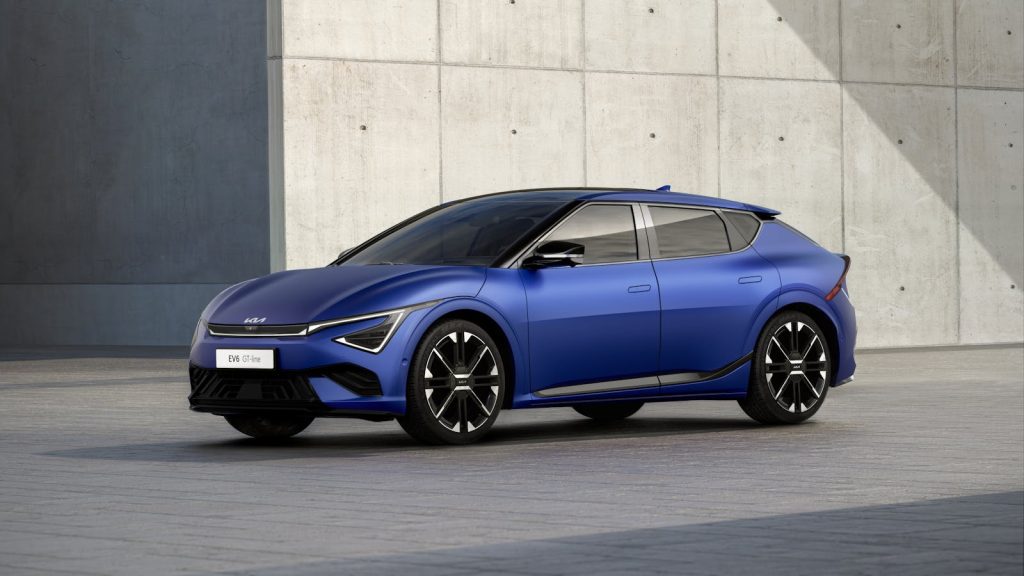
By the time you start seriously shopping, you have already absorbed a steady stream of mixed signals about electric cars. You hear that they are quick and quiet, then you hear that charging is a hassle and resale values are shaky. That tension shows up in what some analysts now call The EV Enthusiasm Gap, a widening space between the hype around electrification and the comfort level of mainstream buyers. Since 2023, the number of electric models has climbed, but that has collided with subsidy cuts, trade tensions, and what one industry overview describes as The Speed to Market Crisis, The Software, Defined Vehicle Revolution, and a Market Crisis that leaves you wondering whether the car you buy today will feel obsolete tomorrow.
That hesitation is not just emotional, it is structural. Research on why the EV market has stalled borrows Geoffrey A. Moore’s idea of a “chasm” between early adopters and the early majority, and finds that electric cars are stuck right at that gap. Early adopters were willing to live with patchy charging and quirky software because they liked being first. You, and most of your neighbors, are not. You expect a new vehicle to fit seamlessly into your life, and when it does not, you quietly default back to a familiar gasoline crossover that feels like a safer bet.
Price, value, and the stubborn math of “High Purchase Costs”
Even if you love the idea of driving on electrons, the first number you see is the one on the window sticker. For many households, that is where the EV story stalls. Analysts who map out the biggest obstacles to plug-in adoption put High Purchase Costs at the top of the list, noting that battery packs, complex electronics, and limited economies of scale still keep many electric models priced above comparable gasoline cars. You might hear that total cost of ownership is lower, but when you are signing a finance contract, the monthly payment is what counts, and that is where EVs often lose.
That gap is especially sharp if you are shopping the used market or trying to stay under a strict budget cap. A detailed framework on barriers to electric vehicle adoption points out that high upfront prices, limited model availability, and uncertainty about battery life all feed into the same hesitation. The authors highlight that, in many regions, high costs and insufficient charging infrastructure are the most critical issues, which means you are being asked to pay more for a product that still comes with more caveats. Consumer guides try to counter that by stressing that EVs can save money long term, and that Charging at home can be cheaper than gasoline, but that argument only lands if you have the cash, credit, or incentives to get into the car in the first place.
Choice overload, limited supply, and the problem of “sameness”
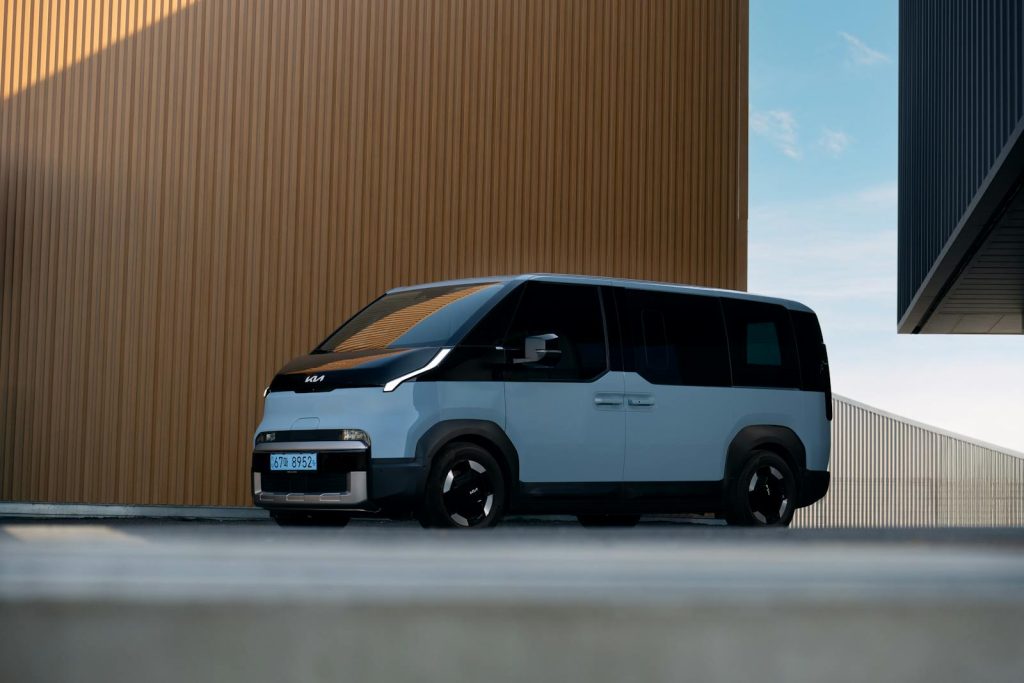
On paper, you have more electric options than ever, from compact hatchbacks to hulking three-row SUVs. In practice, the mix can feel oddly narrow. Many brands have converged on similar crossover silhouettes, similar battery ranges, and similar screen-heavy interiors, which makes it hard for you to see what truly sets one apart. Academic work on Supply and choice of vehicles notes that limited variety in body styles, trims, and price points can push potential buyers away right at the moment they are ready to commit. Hence it tends to drive away a potential customer who is in the latter stages of purchase, especially if the only EVs on the lot are expensive, fully loaded versions that do not match your budget or taste.
That sameness is not just aesthetic, it is strategic. Automakers are racing to build what they call “software-defined vehicles,” but the transition is uneven. Industry observers describe The Software, Defined Vehicle Revolution as a shift where code, not chrome, becomes the main differentiator, yet many EVs still ship with glitchy infotainment, confusing driver-assistance menus, or subscription-locked features. When every cabin is dominated by a big touchscreen and a similar app grid, you are left comparing minor software quirks instead of clear, compelling identities. That makes it easier to shrug and decide that if everything feels like a beta test, you might as well stick with the powertrain you already understand.
Charging, range, and the invisible infrastructure problem
Even if you find an EV you like and can afford, you still have to solve the question of where and how you will charge it. For drivers with a private driveway, that might be as simple as installing a Level 2 charger. For renters, apartment dwellers, or anyone who relies on street parking, it is much more complicated. A major review of Challenges to Expanding EV Adoption and Policy Responses notes that public Charging Infrastructure in the United States remains far below national targets, which keeps range anxiety alive even as battery capacities improve. Since federal and state programs have poured money into new plugs, the network is growing, but not yet at a pace that makes you forget about planning every long trip around charging stops.
Researchers who Evaluated and Identified emerging barriers to full electrification of the light-duty vehicle sector classify infrastructure issues as a mix of technical, economic, and social obstacles. They point to the availability and reliability of charging stations as a central concern, especially for drivers without home access. Consumer surveys echo that pattern, finding that Issues related to range, price, and charging remain top concerns for people considering their first EV. Factors that would change their minds include more visible fast chargers along highways, easier payment systems, and clearer information about real-world range in cold or hot weather. Until those pieces are in place, you are being asked to trust an infrastructure that often feels half built.
Policy whiplash, industry headwinds, and what it means for your next car
Behind your personal decision sits a much bigger tug-of-war between regulators, automakers, and energy planners. In the United States, President Donald Trump has set ambitious goals for national charging coverage and domestic manufacturing, but implementation has been uneven. Analysts tracking Adoption in a Progress Report on the U.S. electric vehicle industry note that the sector broadly agrees on the main obstacles to faster growth, including charging gaps, High Purchase Costs, and consumer uncertainty. They also warn that shifting incentives, tariffs, and trade disputes can slow investment in new plants and batteries, which eventually shows up in the prices and choices you see at the dealership.
Academic and policy reviews converge on a similar message: the barriers are intertwined. A study that Sep and However uses to frame EV adoption argues that high costs, insufficient infrastructure, and technological uncertainty reinforce each other, making it harder for the market to tip into a self-sustaining cycle. Another overview of High Purchase Costs and other obstacles stresses that you need clear, stable signals about incentives, fuel savings, and resale values before you will confidently choose an all-electric future. Until policy, infrastructure, and product strategy line up, EVs will keep feeling like a niche, even when they are parked right in front of you.
More from Wilder Media Group: