


As automakers race to cut emissions and electrify their lineups, service departments are quietly becoming the next frontier for climate action. When a dealership launches an eco-friendly service program today, it is no longer a niche branding exercise, it is a strategic response to pressure from manufacturers, regulators, and customers who expect cleaner operations. You are stepping into an industry moment where sustainability is reshaping how vehicles are sold, serviced, and powered for years after they leave the lot.
The new program you are watching emerge sits inside a broader shift in dealership operations, from energy use in the shop to how you handle waste oil and promote electric vehicles. The stakes are high: the choices you make on lighting, equipment, and charging infrastructure now will determine whether your store keeps pace with the “green dealer” wave or gets left explaining why it still runs like a 1990s service bay.
The new service program and why it matters now
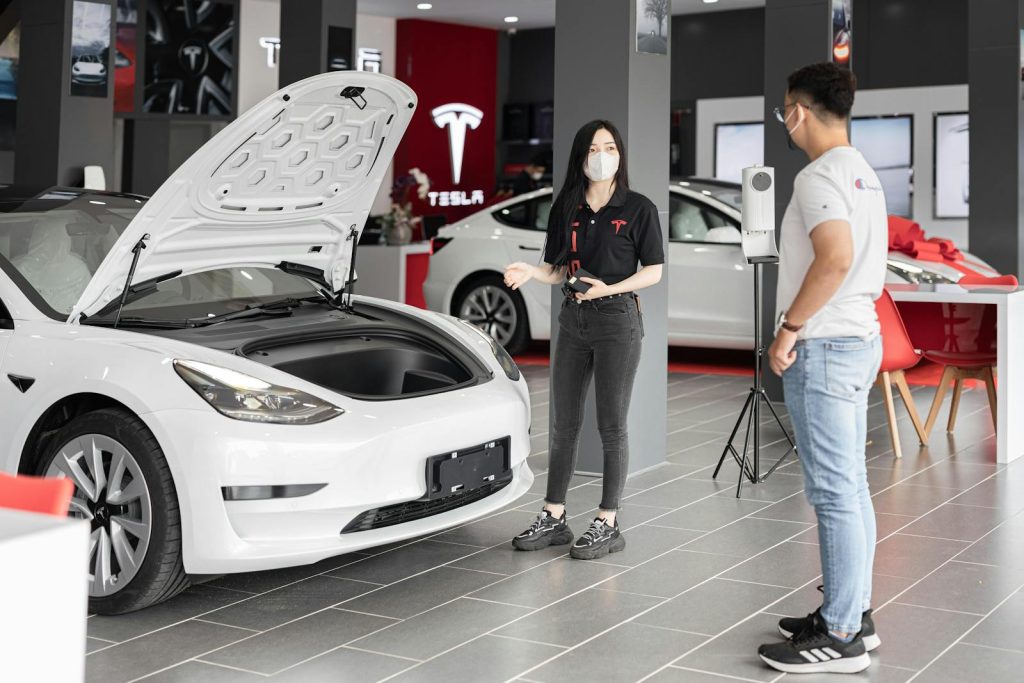
The eco-focused service program your dealership is rolling out is landing in a market where sustainability has moved from optional to expected. Industry guidance on eco-friendly practices in car dealerships describes a “New Era of Dealership Operations” in which energy use, water consumption, and waste streams are scrutinized as closely as monthly sales reports. You are not just adding a recycling bin in the lounge, you are aligning your service lane with a structural push that rewards dealers who invest in sustainability with lower operating costs and stronger manufacturer support.
That context matters because your customers increasingly expect to see environmental responsibility reflected in the way you maintain their vehicles, not just in the brochures for new hybrids and EVs. The same analysis that highlights how Chevrol dealers are adapting to this “New Era of Dealership Operations” makes clear that the push for eco-friendly practices is reshaping the entire dealership landscape, from rooftop solar to how you spec your next alignment rack. When you frame your new service program as part of that larger transformation, you give service advisors and technicians a story that connects their daily routines to a bigger industry shift rather than a one-off marketing campaign.
How manufacturers are hardwiring sustainability into the store
If you want to understand where your new program is heading, look at how factory-backed initiatives are already redefining what a compliant dealership looks like. At Scott Robinson Honda, the Scott Robinson Honda team earned recognition under a Green framework that explicitly brands the store as “Championing Environmental Sustainability,” tying everyday practices in the service department to measurable environmental performance. That kind of Green recognition is not just a plaque on the wall, it is a signal that the manufacturer expects you to treat energy, water, and waste as core KPIs alongside CSI scores.
Other brands are moving in the same direction, which means your eco-friendly service program is part of a competitive race, not a solo experiment. Toyota has built its Innovative Dealer Environmental Excellence Program (D.E.E.P.) as a voluntary, easy-to-implement framework that helps dealers cut carbon and improve environmental performance through structured steps. FORD has gone further by having Ford Motor Company publicly state that its FORD ANNOUNCES DEALER SUSTAINABILITY PROGRAM to its DEALER network is designed to improve energy efficiency and lower operating costs, making sustainability a direct lever on profitability. When your OEMs are wiring these expectations into facility standards and incentive programs, your local service initiative becomes a way to stay ahead of compliance rather than scramble to catch up.
Inside the bay: practical steps that cut emissions and costs
The most credible eco-friendly service programs start with the basics you can see and measure in the shop. Guidance on implementing eco-friendly dealership practices points to a simple first move, Transition to Energy-Efficient Lighting by Switching to LED fixtures across showrooms, service bays, and outdoor lots. That single change, especially when paired with smart controls, can push savings even further by cutting your electricity use every hour the building is open. When you fold that into your service program, you are not just “going green,” you are freeing up budget that can fund technician training or new diagnostic tools.
Dealers that have already walked this path show how incremental changes add up to a credible sustainability story. At Jeff Gordon Chevrolet, the team describes how “By making little changes around the facility, recycling what we can, and upholding high standards in safety and disposal practices,” they have been able to advance their sustainability journey without disrupting core operations. Crippen GMC has been recognized through a Through your dedication message that explicitly thanks the store for driving eco-friendly initiatives that few automotive dealers have achieved. When you build your service program around these kinds of concrete, auditable steps, you give technicians a clear checklist and give customers a transparent view into what “green service” actually means.
From the service lane to the grid: EVs, charging, and the supply chain
Your eco-friendly service push also has to account for the vehicles you are maintaining, especially as electric trucks and SUVs hit your drive in larger numbers. Infrastructure providers are already trying to pull dealers into the charging ecosystem, with Greenlane positioning its Greenlane “Charge On Us” dealer program as a way to address the urgent need for publicly available, nationwide electric charging infrastructure for commercial vehicles. When you integrate that kind of charging access into your service offering, you are not just rotating tires on an electric truck, you are helping solve a grid and infrastructure problem that has been holding back EV adoption.
Upstream, automakers and suppliers are trying to clean up the energy that powers the parts you install every day. A coalition of Automotive Industry Leaders has used its Automotive Industry Leaders Launch announcement to describe a Transform: Auto Program built to Help Suppliers Add Renewable Energy and Reduce Emissio across the supply chain. A companion statement on Our Transform Auto initiative explains that the program seeks to accelerate the transformation of the automotive supply chain to run on renewable power. When your service department chooses parts and fluids from suppliers participating in that shift, your local eco program becomes part of a much larger emissions reduction effort that stretches from the grid to the garage.
The political crosswinds dealers must navigate
Even as you invest in greener service operations, you are operating in a political environment where dealer groups are pushing back on some climate policies. Earlier this year, The California New Car Dealers Association funded a media buy targeting the state’s emissions rule, with The California New Car Dealers Association backing an ENERGYWIRE-detailed campaign to slow the California EV mandate through the congressional review process. A related report describes how Car dealers launched an ad campaign to delay the California EV mandate, with California EV policy and Copy details becoming flashpoints in the debate. That tension means your customers may see headlines about dealers resisting EV rules at the same time you are promoting a greener service experience.
For your store, the challenge is to separate the politics of statewide mandates from the practical steps you are taking to cut waste and emissions in your own operation. Programs like the Chevrolet Green Dealer Program, where Jansen earned the status of being a 2016 Chevrolet Green Dealer Program recipient, show how a dealership can align with environmental goals while still voicing concerns about specific regulations. According to that recognition, Jansen Che invested in upgrades across a large-square-foot service department to meet the automaker’s standards. When you communicate your own eco-friendly service program in that spirit, you give customers a clear message: regardless of the policy fights in Sacramento or Washington, your store is taking concrete, verifiable steps to run cleaner and more efficiently every time a vehicle rolls into the bay.
More from Wilder Media Group: