

European lawmakers promised a clean break with combustion engines by 2035. Instead, after a year of slowing electric vehicle sales and a wall of industry pressure, they have ended up with a looser rulebook that keeps petrol and diesel technology alive far longer than climate advocates expected. The shift shows how quickly political resolve can bend when jobs, supply chains and global competition all start pulling in the opposite direction.
At the heart of the change is a decision to water down the original zero-emission mandate and give carmakers more room to keep selling hybrids and combustion models that run on alternative fuels. The result is a softer landing for the auto industry, but also a more complicated path for Europe’s climate goals and its ambition to lead the global EV race.
From hard ban to flexible phase down
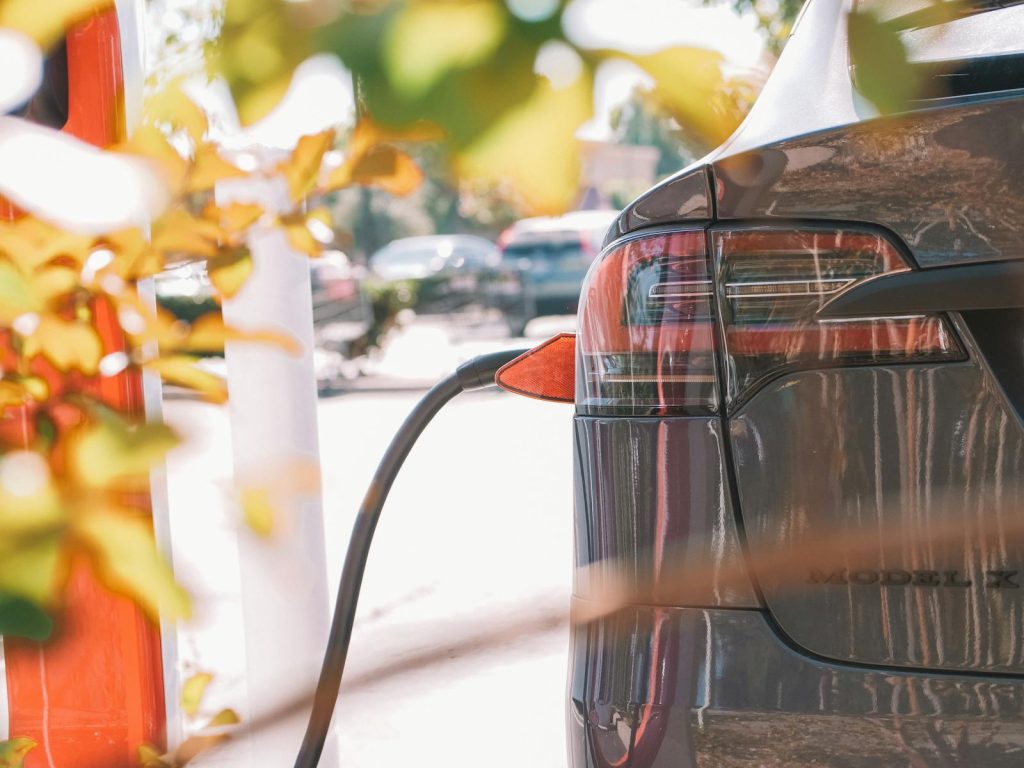
What was once billed as a straight ban on new internal combustion engines has morphed into a more flexible phase down. Instead of insisting that every new car and van sold from 2035 be fully zero emission, the European Union is now moving toward a framework that replaces that absolute requirement with a broader target to cut fleet emissions by 90% from 2021 levels, leaving space for a limited share of combustion models that rely on e-fuels and biofuels. The official line is that this keeps pressure on manufacturers while acknowledging that some niches, from performance cars to rural workhorses, may not be ready to go fully electric by that date, a balance reflected in the Commission’s plan that from 2035 onwards carmakers must hit a 90% reduction in tailpipe emissions with the remaining 10% covered by low carbon fuels.
The new approach also explicitly opens the door to alternative technologies that had been sidelined in the original debate. Instead of phasing out combustion entirely, the package leans on a mix of battery electric vehicles, plug-in hybrids and engines designed to run on synthetic or bio-based fuels, a shift that tracks with a broader set of Background and Policy Shifts that highlight alternative fuels and hybrid technologies as part of the long term mix. For lawmakers who once sold the 2035 rule as a clean break, it is a notable retreat, but for manufacturers staring at uneven charging networks and wary consumers, it looks more like overdue realism.
Backlash that started years ago
The political climbdown did not come out of nowhere. When the European Parliament first backed a 2035 zero emissions target, industry groups were already warning that the timeline was too aggressive and that the supporting infrastructure was nowhere near ready. In PARIS, major automakers and suppliers lined up to tell lawmakers that the auto industry’s main concerns had not been addressed, and that the vote risked outpacing what factories, workers and customers could handle, a message captured when Industry groups express concern about the 2035 zero emissions target.
That early pushback hardened as the market picture changed. EV demand that once looked unstoppable began to cool, and carmakers complained that the rules were locking them into massive investments just as consumers were hesitating. By late 2025, Carmakers and suppliers were openly arguing that the EU’s plan risked undermining the momentum that had built up over the last year, while climate groups, usually on the other side of the table, were also criticizing the package for failing to deliver a clear path to deep decarbonization, a rare moment of alignment captured when Automakers and climate groups unite to criticize The European Union’s EV plan.
Slowing EV growth and global competition
Underneath the politics sits a simple market reality: Growth Has Slowed. After a decade of double digit expansion, electric vehicle sales in Europe have hit a more hesitant phase, squeezed by higher borrowing costs, patchy charging infrastructure and consumer anxiety about resale values. Analysts tracking the sector have warned that this slowdown has big implications for industry, jobs and emissions, especially given that road transportation is a major source of greenhouse gases, a concern laid out in detail in an assessment of how EV Growth Has Slowed, Here is What That Means for Industry, Jobs and Emissions.
At the same time, Chinese manufacturers have been flooding global markets with cheaper EVs, putting European brands under intense price pressure just as they are being asked to retool factories and supply chains. The EU’s softer stance on combustion engines is partly a defensive move against that competition, but it also risks handing more ground to rivals that are doubling down on full electrification. The fear that Western brands could end up ceding the future to Chinese rivals is not abstract, with The EU’s policy reversal on the combustion ban triggering warnings that Western automakers risk a cascade of strategic retreats that could leave them permanently behind, a scenario spelled out when The EU was accused of encouraging Western automakers to retreat from EVs and risk ceding the market to Chinese rivals.
Lobbying blitz from BRUSSELS to boardrooms
Inside Europe, the softening of the rules is the product of an intense lobbying campaign that stretched from BRUSSELS corridors to corporate boardrooms. In the run up to the latest proposals, the Stellantis chair publicly urged the EU to weaken its green car rules, arguing that the sector needed more flexibility to protect supply chains and balance sheets, and warning that the auto sector had just three weeks to convince policymakers to build in those escape valves, a plea that crystallized in a push from BRUSSELS when Stellantis chair presses the EU to gut the 2035 combustion engine ban.
That pressure built on years of advocacy from figures like De Meo, the former president of ACEA, who had long argued for more lenient emission targets and welcomed any sign that Brussels might ease off. National governments also played their part, with Paris still defending the combustion engine as part of its industrial strategy and political leaders insisting that the transition had to be managed in a way that protected domestic jobs, a stance that came through clearly when Mar reporting on ACEA highlighted how De Meo and Paris still defend the combustion engine.
Softening rules, split reactions
Once the European Commission signaled it would ease its stance on post 2035 car emissions rules, the reactions were immediate and sharply divided. Industry groups welcomed the move as a pragmatic step that would keep Europe’s carmakers competitive, while environmental NGOs blasted it as a step backwards that risked locking in higher emissions for longer. In Germany, the influential VDA lobby praised the Commission’s attempt to balance climate goals with industrial realities, even as critics warned that Softening EU fleet limits would ultimately hurt Europe’s car industry by slowing innovation, a clash captured when Softening EU fleet limits was described as a step backwards for Europe’s car industry by an NGO.
The revised stance also exposed deep rifts within the EV sector itself. Carmakers are divided over the softer 2035 deadline, with some arguing that it gives them breathing room to manage the transition and others warning that it muddies the investment signal just when clarity is needed most. Disagreement is not limited to startups, as established manufacturers and suppliers have lined up on different sides of the debate, a split that surfaced in the Take Charge Europe letter and was highlighted when Carmakers were described as divided, with Disagreement spreading Within the sector.
Rollbacks, relents and the fine print
On paper, the EU is not scrapping its climate ambitions, but the language has clearly shifted. Under the revised plan, the bloc would roll back the strict 2035 ICE ban and instead focus on that 90% emissions cut from 2021 levels, effectively allowing a small share of combustion vehicles to remain on sale past 2035 as long as they rely on low carbon fuels. That nuance matters for companies planning model lineups and engine platforms, and it is spelled out in detail in the description of how the European Union Rolls Back 2035 ICE Ban as EV demand softens and targets shift to a 90% cut from 2021 levels.
Politically, the shift is being sold as a “relent” rather than a full reversal, a way to respond to auto industry pressure without abandoning the broader direction of travel. Officials have stressed that intermediate 2030 targets will also be adjusted to reflect the new reality, a point underscored when reports noted that the EU would relent on the combustion engines ban after auto industry pressure and revisit intermediate 2030 targets as well, a recalibration described when EU to relent on combustion engines ban after auto industry pressure.
Global echoes and unfinished business
Europe’s pivot is already rippling beyond its borders. In the United States, U.S. automakers are shifting production plans toward more hybrids and traditional models, citing softer demand for pure EVs and fewer government incentives, a trend that mirrors the European debate and raises questions about whether Western manufacturers are collectively easing off the accelerator just as they face a wave of competition from Asia, a concern laid out when U.S. automakers pull back from electric vehicles amid shifting incentives.
Inside Europe, the story is not finished either. The European Union has shifted into reverse on the original 2035 ICE ban, but the changes are still at the proposal stage and need to be ratified by the European Parliament and member states, a reminder that the political fight is far from over and that combustion engines could remain on sale past 2035 in more than just niche segments, a caveat spelled out when Europe shifts into reverse on the EU 2035 ICE ban. According to Reuters, the policy change still requires approval from member state governments and the European Parliam, a procedural hurdle that could yet reshape the final outcome, as highlighted when According to Reuters the eased petrol and diesel car ban still needs sign off from member state governments and the European Parliam.
Loosening the rules without losing the plot
For now, the EU is trying to present its new line as a smarter, more flexible way to reach the same destination. Officials talk about a clean and competitive automotive sector that can cut emissions sharply while staying globally relevant, and they point to the mix of EVs, hybrids and low carbon fuels as proof that there is more than one way to decarbonize. Supporters argue that instead of phasing out combustion engines on a fixed date, the bloc is creating a framework that gradually tightens the screws on emissions over the long term, a philosophy that underpins the way the EU Loosens Emissions Rules as Europe’s Automotive Industry Faces Backlash while still stressing its Background Commitment to zero emissions.
Critics counter that the new rules risk losing the plot entirely. By easing petrol and diesel restrictions amid pressure from Chinese EVs, they say, Europe is sending a muddled signal to investors and consumers about where the market is heading, and making it harder to build the charging networks, battery plants and green steel facilities that a full scale transition would require. The tension between flexibility and focus will define the next phase of the debate, and it is already visible in the way Europe’s policy reversal has been framed as both a necessary correction and a dangerous wobble in the race to decarbonize transport, a duality that sits at the heart of the decision to Roll Back 2035 ICE Ban just as EV demand softens.
More from Wilder Media Group: