
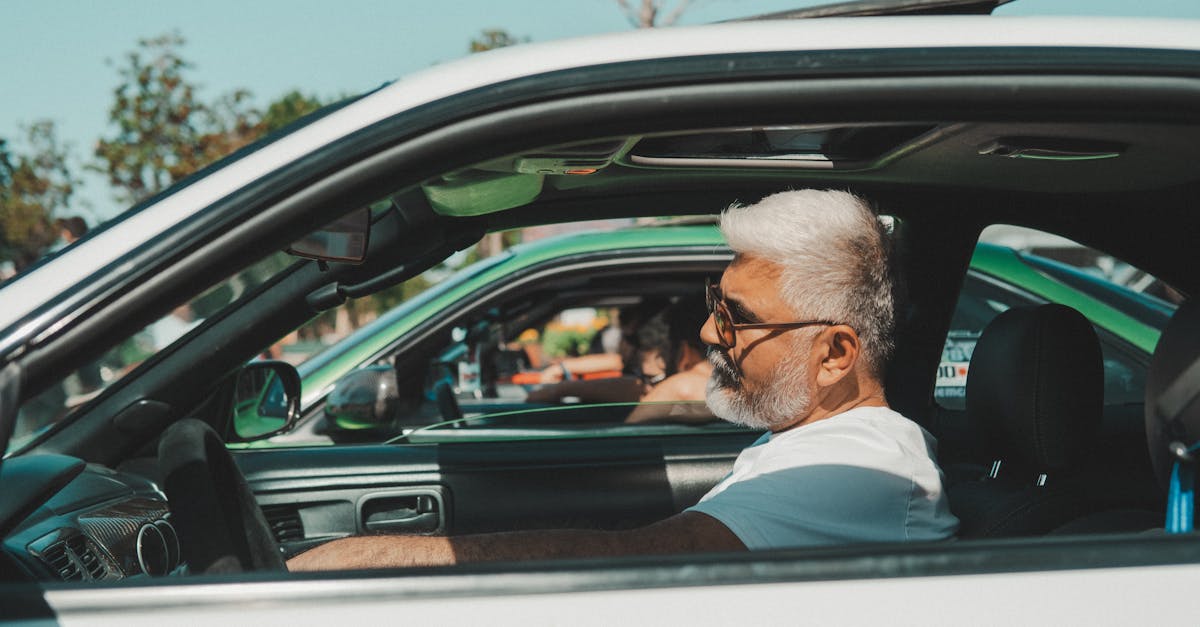

As driving technology evolves, so do the habits associated with it. Many older drivers, having been on the road for decades, may cling to practices that were once standard but are now outdated and potentially dangerous. Here’s a look at some driving habits older drivers still have that can pose risks on today’s busy roads.
1. Ignoring Blind Spots
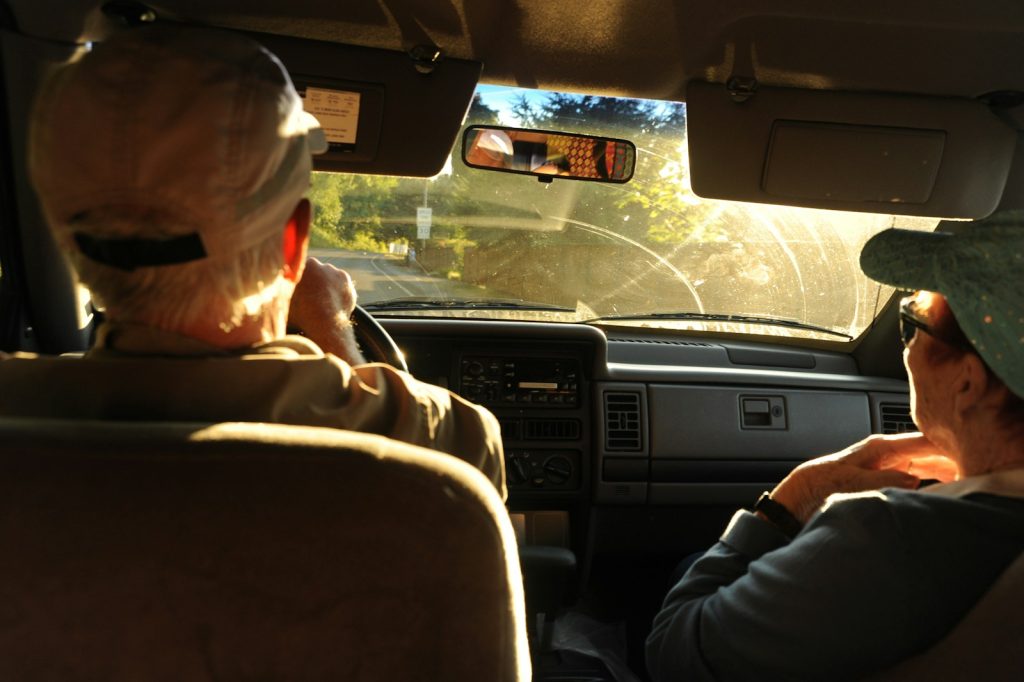
Older drivers often rely on their mirrors alone, neglecting to check blind spots before making lane changes. This oversight can lead to dangerous situations, especially in heavy traffic where other vehicles can quickly appear in areas not visible in mirrors.
Modern vehicles come equipped with advanced safety features like blind-spot monitoring systems. Encouraging older drivers to utilize these technologies can significantly reduce the risk of accidents and enhance overall road safety.
2. Over-Reliance on Cruise Control
Cruise control has long been a favored feature for older drivers, providing a sense of comfort on long stretches of highway. However, over-reliance on this feature can lead to complacency, reducing their responsiveness to sudden changes in traffic conditions.
Older drivers should be encouraged to remain engaged and attentive, even when using cruise control. Staying alert can help them react more swiftly to obstacles or emergencies, keeping both themselves and other road users safe.
3. Slow Reaction to Traffic Lights
Some older drivers may hesitate at traffic lights, particularly those that change quickly. This delay can be attributed to slower reflexes or a cautious driving style, which can create confusion for drivers behind them and increase the risk of rear-end collisions.
It’s essential to remind older drivers to stay aware of traffic light patterns and adjust their speed accordingly. Practicing defensive driving techniques can help them navigate intersections more safely and confidently.
4. Neglecting Regular Vehicle Maintenance
While many older drivers value their vehicles, some may overlook the importance of regular maintenance. This can lead to performance issues, such as faulty brakes or worn tires, which can compromise safety on the road.
Encouraging older drivers to prioritize routine check-ups and maintenance can significantly enhance their vehicle’s reliability. A well-maintained car not only performs better but also provides peace of mind, allowing drivers to focus on the road ahead.
5. Inadequate Use of Turn Signals
Using turn signals is crucial for communicating intentions on the road, yet some older drivers may forget or neglect to use them. This can lead to confusion for other drivers and increase the likelihood of accidents during lane changes or turns.
Reinforcing the habit of signaling can improve overall traffic flow and safety. Older drivers should be reminded that using turn signals is not just a courtesy; it’s a vital part of safe driving that benefits everyone on the road.
6. Driving Too Slowly
While cautious driving can be beneficial, driving significantly below the speed limit can be just as dangerous as speeding. Older drivers might feel safer at lower speeds, but this can disrupt traffic patterns and lead to frustration among other motorists.
Encouraging a balanced approach to speed can help older drivers maintain safety without impeding traffic flow. Understanding their vehicle’s capabilities and the road conditions can empower them to make safer speed choices.
7. Difficulty with New Technology
As vehicles become more technologically advanced, some older drivers may struggle to adapt to features like touchscreen controls, navigation systems, and advanced driver-assistance systems. This can lead to distractions and unsafe driving behaviors.
Offering guidance and support in using these technologies can help older drivers feel more confident and less overwhelmed. Familiarity with their vehicle’s features can enhance safety and driving enjoyment.
By recognizing and addressing these potentially dangerous habits, we can help older drivers adapt to modern road conditions and technologies. Encouraging safe practices not only protects them but also contributes to safer roads for everyone. It’s time to bridge the gap between experience and current driving standards.
More from Steel Horse Rides: