

Owning a Jeep can be an exhilarating experience, but potential buyers often overlook some key downsides that can impact their enjoyment and wallet. Here’s a rundown of those unexpected challenges you might face as a Jeep owner.
1. Fuel Efficiency Woes
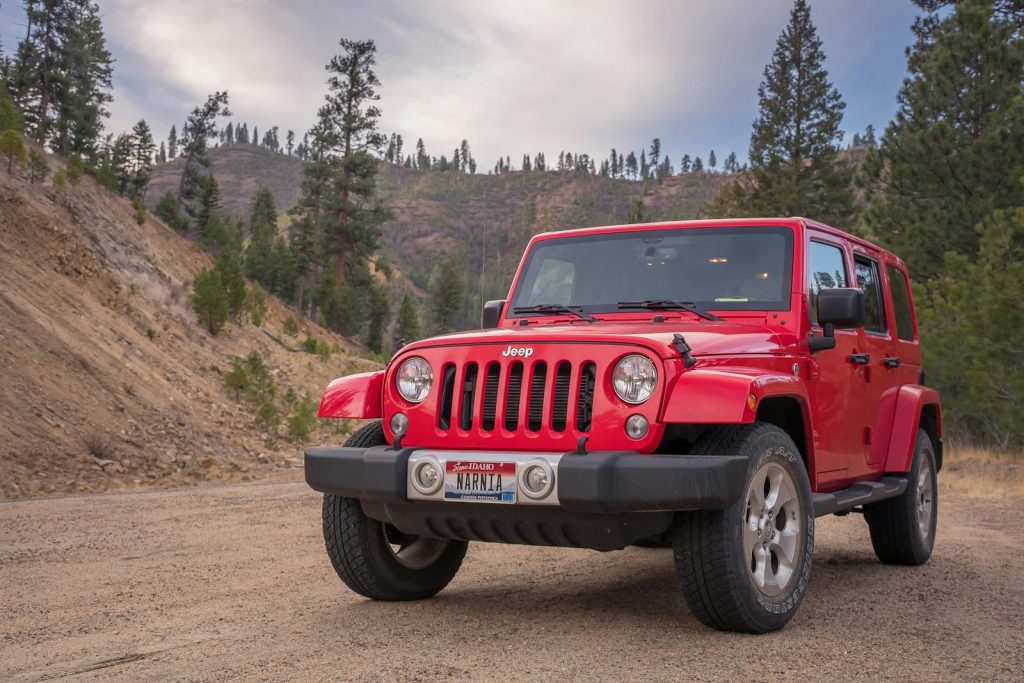
Many Jeep enthusiasts are drawn to the rugged design and off-road capabilities, but they often underestimate the fuel consumption. The iconic boxy shape and weight of these vehicles generally lead to lower miles per gallon compared to standard SUVs or sedans.
As a result, you might find yourself at the gas station more often than anticipated. This can add up, especially if you’re planning to use your Jeep as a daily driver rather than just for weekend adventures.
2. Road Noise and Comfort
While Jeeps are designed for off-road prowess, that capability often comes at the expense of a quiet and smooth ride. The open-air options can lead to significant wind noise, and the suspension is tuned for rugged terrain rather than highway comfort.
If you’re used to the plush ride of a luxury SUV, the transition may leave you feeling jostled and fatigued on longer trips. This can be a surprise for those who expect a quieter cabin experience.
3. Limited Cargo Space
Despite their size, many Jeep models are not as spacious as they appear. The interior design prioritizes off-road functionality, which can limit cargo space compared to other vehicles in the same class.
4. Maintenance and Repairs
Owning a Jeep can sometimes lead to unexpected maintenance costs. While they are built for rugged use, the complexity of certain models can result in higher repair bills than you might anticipate.
Parts can also be pricier, especially for specialized components designed for off-road performance. It’s wise to budget for these potential expenses to avoid being caught off guard.
5. Insurance Costs
Jeep owners often discover that their insurance rates can be higher than expected. This can be attributed to factors such as higher theft rates, the vehicle’s off-road capabilities, and the associated risks of driving a more rugged vehicle.
Before finalizing your purchase, it’s a good idea to check insurance quotes, as these costs can significantly impact your overall budget for ownership.
6. Off-Roading Limitations
While Jeeps are lauded for their off-road capabilities, not all models are created equal. Many buyers may assume that any Jeep can tackle extreme terrains, but some trims are better suited for everyday driving.
This mismatch can lead to disappointment when trying to push the vehicle beyond its limits. It’s essential to understand which model fits your off-roading aspirations to avoid any surprises.
7. Resale Value Concerns
Jeep owners might be shocked to learn that resale values can fluctuate significantly. While some models retain their value well, others depreciate faster than anticipated, especially if they’re not maintained properly.
Keeping up with regular maintenance and being mindful of modifications can help, but it’s crucial to research the model you’re interested in to understand its long-term value.
Overall, while Jeep ownership can be incredibly rewarding, it’s essential to be aware of these downsides before committing. Knowledge is power, and being prepared can lead to a more satisfying ownership experience.
More from Steel Horse Rides: