

New vehicles from the prior model year are stacking up on dealer lots, and that overhang is starting to reshape what shoppers pay. As automakers push fresh 2026 inventory into showrooms, unsold 2024 and 2025 models are forcing discounts, richer incentives, and tougher choices for buyers who care about both price and long term value. The result is a market where timing, model year, and negotiation strategy matter more than they have in years.
Dealers are under pressure to clear space, but the impact is uneven, hitting some brands, body styles, and powertrains harder than others. For consumers willing to accept a “leftover” model year, the payoff can be thousands of dollars in savings, while those chasing the newest badge may find themselves paying a premium that could take years to justify.
How leftover model years became a pricing problem
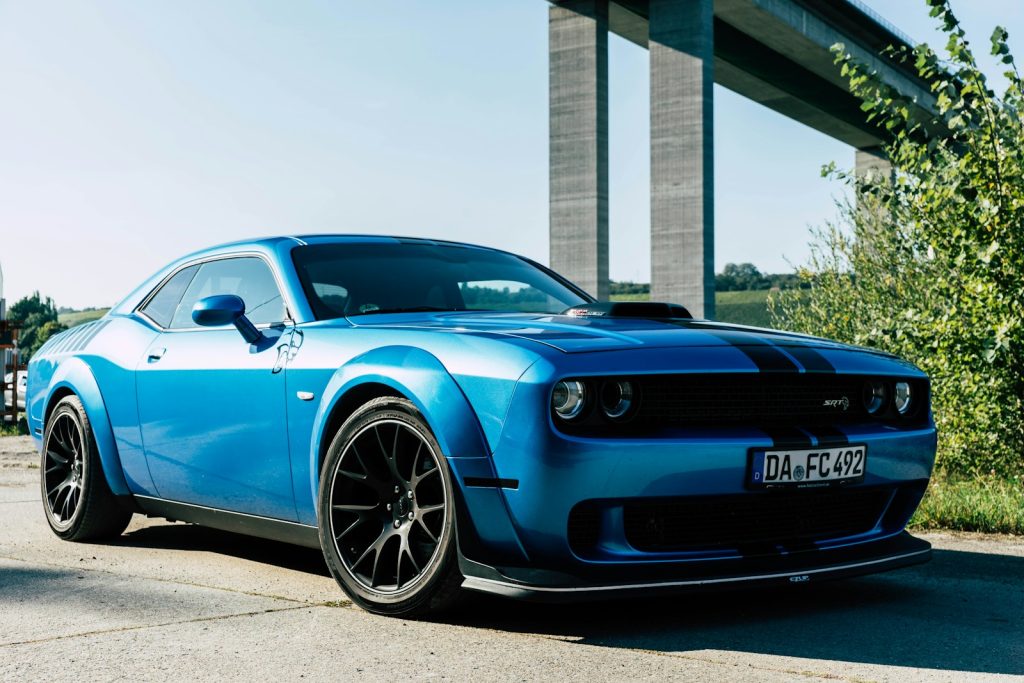
The current glut of prior model year vehicles is not a simple seasonal blip, it is the product of an industry that misjudged demand as supply chains normalized. A detailed look at new car deals shows a high supply of leftover 2024 inventory, with the list dominated by Stellantis models sold under the Dodge, Jeep, Alfa Romeo nameplates. When so many units from a single corporate group linger unsold, it drags on pricing not only for those brands but for competing models that must stay competitive.
That overhang is layered on top of a broader pattern of overstocked models, including specific electric vehicles and luxury SUVs that have not moved as quickly as expected. While overall leftover EV inventory is relatively small, one analysis found that the Genesis GV60 leads among 2024 electric models, with exactly 21.8% still available, alongside other slow moving nameplates such as the Dodge Charger EV and Chevrolet Silverado EV. When nearly a quarter of a model’s production remains on lots as the next year’s version arrives, dealers have little choice but to cut prices or sweeten incentives to get shoppers’ attention.
The model year calendar that sets up the discount window
To understand why leftover vehicles are exerting so much pressure, it helps to look at the industry’s calendar. Automakers traditionally start releasing next year’s models in late summer and early fall, and by September the trucks that deliver those vehicles are in full swing, filling lots with fresh inventory at a pace that is faster than any other time of year, as explained in a video that notes how Automakers flood dealers with new stock. That timing means any remaining prior model year units instantly look older, even if they have never been titled.
As the year winds down, that mismatch between old and new inventory becomes a financial problem for retailers. Forecasts for year end sales have highlighted that if shoppers are hunting for the deepest discounts in November and December, they should focus on leftover 2025 models, because 2026 vehicles will not see the same level of markdowns while they are still fresh, a pattern laid out in a year end forecast. The transition period between model years is also when dealerships typically drop prices or offer incentives to make room, a trend that has been underscored in coverage of 7 2025 cars under $50K that are still waiting for buyers.
Why early January has become a bargain hunter’s sweet spot
Once the calendar flips, the psychological gap between model years widens, and that is when leftover vehicles can become outright bargains. Consumer facing guidance is blunt on this point, noting that, Yes, cars are generally cheaper after the New Year, and that early January is often when dealers are most willing to negotiate and act quickly on remaining stock, as explained in a piece titled Are Cars Cheaper After the New Year. By then, those vehicles are technically one model year “older” on paper, even if they have only delivery miles on the odometer.
Another analysis of seasonal pricing patterns reinforces that, Yes, car prices typically go down in the New Year as dealerships aim to clear out prior model year inventory. That report points to model year transitions and inventory management as key drivers, noting that retailers often resort to reduced MSRP adjustments and extra incentives to move the metal, a dynamic detailed in a guide that asks Do Car Prices Go Down in the New Year. For shoppers, that means the first weeks of January can combine the urgency of year end quotas with the added stigma of driving away in “last year’s” model, a combination that tilts leverage toward the buyer.
How deep the discounts can go on leftover models
The presence of tens of thousands of unsold vehicles from the prior model year is not just a theoretical issue, it is translating into concrete percentage targets for negotiations. One detailed breakdown of dealer inventory reported that about 85,000 new 2024 vehicles remained unsold in late 2025, and advised shoppers that, Your Target should be to Negotiate roughly 15 to 20% Off MSRP on most leftover 2024 models, a benchmark laid out in a guide that bluntly labels those cars as the most negotiable at year end, captured in the phrase Your Target, Negotiate, Off MSRP, Here. That kind of discount would have been almost unthinkable during the tight supply years when buyers routinely paid over sticker.
Brand specific pressure is also surfacing. A widely shared video analysis notes that Nissan and Stellantis continue to struggle tremendously, with no silver lining in sight, while premium brands such as BMW, Audi, and Mercedes Benz are also being pulled into heavier discounting, with one promotion code, AUGD2, advertised for 18% Off in a discussion of how end of year discounts will hit harder than ever, as described in a segment that singles out Nissan and Stellantis. When mainstream and luxury brands alike are cutting that deeply, it signals that leftover inventory is not just a niche problem but a structural force in pricing.
Which vehicles are piling up, and why it matters
Not all leftovers are created equal, and the mix of what is sitting on lots helps explain where pricing pressure is most intense. A study of new car deals found that the high supply of leftover 2024 inventory is dominated by Stellantis products, particularly under the Dodge, Jeep, and Alfa Romeo badges, with a wide range of trucks, SUVs, and luxury SUVs lingering on lots, a pattern highlighted in a Dec overview. When a single manufacturer has so many slow moving models, it can be forced into aggressive incentives that ripple across segments, especially in categories like midsize SUVs where shoppers can easily cross shop rival brands.
Electric vehicles are another flashpoint. While overall leftover EV inventory is small, the fact that the Genesis GV60 has 21.8% of its 2024 stock still available, alongside the Dodge Charger EV and Chevrolet Silverado EV, suggests that some battery powered models overshot current demand, as detailed in a report that begins with the word While. Overstocked EVs can drag on pricing for both electric and gasoline rivals, since shoppers weighing total cost of ownership may be swayed by steep markdowns on high tech models that were originally priced at a premium.
How leftover stock is reshaping negotiation tactics
With so many prior model year vehicles in play, negotiation strategy is evolving from “take it or leave it” to something closer to the pre shortage norm. Consumer advocates now encourage buyers to collect multiple offers, advising that, After you receive at least 7 price bids, including the ones through CarsDirect and TrueCar.com, you should compare and determine which dealer offered the best deal, guidance laid out in a step by step playbook that emphasizes the word After. The existence of online platforms that aggregate offers, such as the pricing tools at TrueCar, makes it easier for shoppers to see where leftover inventory is prompting deeper cuts.
Dealers, for their part, are using incentives and financing to protect headline prices while still moving aging stock. Some are leaning on manufacturer support tied to specific models with high days on lot, while others quietly discount prior model years more heavily than new arrivals to steer value conscious buyers toward the vehicles they most need to clear. The broader market context, where analysts note that the car market has reached a tipping point and that shoppers are increasingly sensitive to monthly payment and insurance costs, adds further pressure, a theme captured in a video that frames the current environment by saying that the car market today has officially shifted, with one speaker addressing his Dad while discussing how buyers are shopping and comparing.
When buying last year’s model makes financial sense
For individual shoppers, the key question is whether the savings on a leftover model outweigh the hit from driving an “older” vehicle in terms of depreciation and features. One advisor who works directly with buyers argues that it all comes down to how long a person keeps their car, noting that if someone flips vehicles every 3 to 4 years, choosing the older model year can cost more in the long run, but if they hold on longer, the upfront discount can dominate. In a widely shared example, that advisor explains that they just bought a 2025 model with a roughly $7,000 difference compared with a newer alternative, a scenario described in a clip that is tagged with Dec. That kind of gap can easily offset an extra year of depreciation on paper.
Other experts echo that sentiment, asking shoppers directly, Are you open to last year’s model, and suggesting that if the answer is yes, they are in for a real treat in terms of savings. The same guidance warns that waiting for future model years could mean paying more, especially if interest rates or manufacturer pricing move higher, a tradeoff spelled out in a discussion that starts with the word Are. For buyers who plan to keep a vehicle for a decade or longer, the model year on the registration often matters far less than the thousands saved at signing.
Timing purchases around the automotive sales cycle
Beyond model year labels, the broader automotive sales cycle shapes when leftover inventory exerts the most pressure. A detailed explanation of that cycle notes that, Why Timing Matters is rooted in how the Automotive Sales Cycle works, with predictable phases when new models arrive, incentives spike, and older stock must be cleared, a framework laid out in a guide titled Why Timing Matters. During the overlap between outgoing and incoming model years, buyers often have the most flexibility, since both versions remain available and dealers are motivated to steer shoppers toward whichever units are most overstocked.
That timing also intersects with broader consumer trends. A feature on year end savings highlights 10 best cars for discounts as dealers clear leftover inventory, and pairs that with a look at 3 Used Cars That Could Drop in Price in 2026, According to Auto Experts, including commentary from Brooke Barley on how new car incentives can spill into the used market, as described in a piece that emphasizes Used Cars That Could Drop, Price, According, Auto Experts, Brooke Barley. When leftover new vehicles are heavily discounted, late model used cars that compete directly often have to follow, creating a second wave of price pressure that rewards patient shoppers.
How macro forces and tariffs interact with dealer level pricing
Even as leftover inventory drives discounts, other forces are pushing in the opposite direction. Trade policy and tariffs on imported auto parts have raised concerns about higher production and repair costs, but analysts caution that, But for now, we are seeing a lot more of the pricing dynamics play out at the dealership level because of supply and demand, rather than purely from tariffs. One segment explains that while parts and repair costs may go up in price over the year, the immediate impact on new vehicle transaction prices is being overshadowed by dealer level competition and inventory imbalances, a nuance captured in a discussion that begins with the phrase But for.
At the same time, market watchers argue that the car market has reached a tipping point, with shoppers more informed and more willing to walk away than during the shortage era. One video analysis frames the current environment as a reset, noting that buyers are shopping and comparing on auto insurance and total cost, and that the car market today has officially shifted toward a more balanced state, a sentiment expressed in a clip that underscores that the car market has reached a tipping point. In that context, leftover model year vehicles are not just a seasonal quirk but a key lever in how pricing power is redistributed between dealers and consumers.
Supporting sources: These New Cars Are Piling Up on Dealer Lots As Prices Hit ….
More from Wilder Media Group: