


America’s new-car lots are crowded again, and the overhang from 2025 model-year production is starting to dictate who has leverage in the showroom. After years of tight supply and markups, excess inventory is forcing discounts, richer incentives, and more flexible negotiations, particularly on slower-moving models and segments. The shift is uneven, but the sheer volume of unsold vehicles is reshaping how deals are structured and which buyers benefit most.
Instead of a simple return to pre-pandemic norms, the market is undergoing a reset in which brands, body styles, and powertrains are being repriced in real time. Dealers are juggling 2024 and 2025 stock while 2026 arrivals roll in, and that pileup is pushing them to cut prices, stretch financing, and sweeten trade-in offers to keep metal moving. For shoppers who understand how this excess is distributed, the current moment offers some of the most negotiable conditions in years.
The scale of the 2025 inventory overhang
The first sign that the balance of power was shifting came as new-vehicle supply climbed back above pre-pandemic comfort levels. By Mar, analysts were already flagging that new car inventory had swelled to more than 2.99 m unsold vehicles, a figure that would have been unthinkable during the chip shortage. That stock included a heavy mix of 2024 and 2025 model-year cars and trucks, many of them built on optimistic sales forecasts that never materialized as borrowing costs stayed high and consumers grew more cautious.
As the year progressed, the backlog turned into a full-fledged glut. By late in the year, industry observers were describing High end-of-year inventory as 2024 and 2025 models piled up while 2026 units were already arriving. In some segments, such as compact crossovers and certain domestic sedans, days’ supply stretched far beyond the 60-day benchmark dealers typically target. The result is a market where excess 2025 stock is not a marginal issue but a defining feature of how pricing and incentives are set.
From scarcity to “Too Many Cars, Not Enough Buyers”
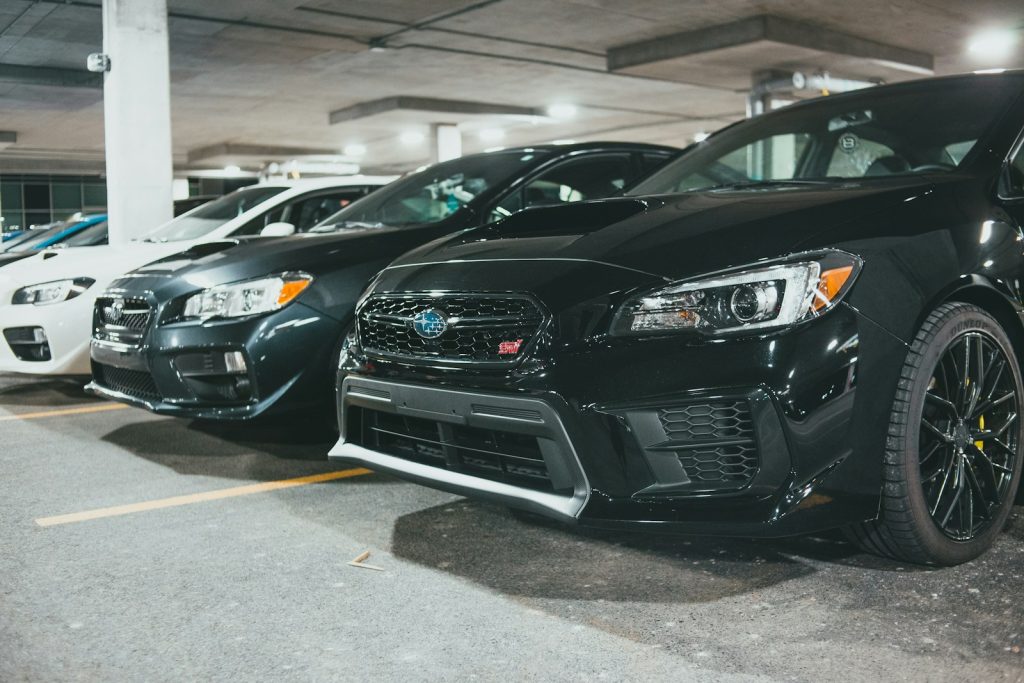
The emotional tone of the market has flipped from fear of missing out to fear of being stuck with aging stock. Earlier in the year, analysts captured the mood with the blunt assessment “Too Many Cars, Not Enough Buyers,” a phrase that neatly sums up the imbalance now driving deal-making. Presidents Day promotions, traditionally strong but manageable, turned into aggressive clearance events as retailers tried to thin out 2025 allocations before spring shipments landed, with “Presidents”, “Day” and “Deals Are Heating Up” becoming shorthand for a buyer-friendly holiday stretch.
That imbalance is not just anecdotal. Rising supply has collided with affordability concerns, as higher loan rates and record transaction prices have pushed some shoppers to delay purchases or downsize their ambitions. Consumer advocates noted that it had been “really tough to score a good deal” in prior years, but that the new environment was finally giving buyers a chance to “score big” on new vehicles as automakers rolled out significant discounts to attract buyers. The phrase “MORE” and “Tremendously” important three-row models, especially family-sized SUVs, became a focal point as brands used them to lure shoppers back into showrooms.
How excess stock is changing negotiation dynamics
With lots filling up, the old pandemic-era script of “take it or leave it” pricing has given way to a more traditional back-and-forth, but with a twist. Dealers now have a strong incentive to move specific VINs that have been sitting longest, particularly 2025 units that risk becoming stale once 2026 versions are widely advertised. That pressure is most visible on models with high days’ supply, where managers are more willing to discount, throw in accessories, or over-allow on trades to clear space. Reports on the New Car Market in Nov described a landscape where Buyers have more power, precisely because Inventory Levels Are Up and That Matters for how far a salesperson can bend on price.
At the same time, the negotiation is no longer just about the sticker. To protect residual values and brand image, some automakers are leaning on hidden incentives, such as dealer cash, low-APR financing, or lease subventions that quietly lower monthly payments without slashing MSRP. Shoppers who understand that 2025 models are under the most pressure can use that knowledge to push for a larger share of those factory funds. The result is a more nuanced bargaining environment, where the most negotiable cars and trucks are often those that combine high inventory with looming model-year changeovers and tepid demand.
Luxury and SUVs: where “Many” discounts are deepest
Excess 2025 inventory is not spread evenly, and the luxury SUV segment has emerged as one of the most heavily discounted battlegrounds. As the year wore on, Many luxury SUVs were reported to be getting big price cuts before the end of 2025, a direct response to Dealers having more cars than buyers in a high-payment environment. Rising loan rates and expensive monthly obligations have cooled demand for premium crossovers, leaving some nameplates with bloated stocks and forcing retailers to advertise thousands off MSRP or heavily subsidized leases to keep them moving.
That trend dovetails with broader observations that Luxury segments are among the most negotiable in the current market. Earlier in the year, analysts highlighted that Luxury car sales were under particular pressure as new car inventory rose, making upscale brands more willing to deal than they had been during the shortage years. For shoppers willing to accept a 2025 build instead of waiting for a 2026 refresh, the combination of factory incentives and dealer discounts can translate into unusually attractive out-the-door prices on high-end SUVs that once commanded markups.
EVs and the “Buyers May See Deeper Discounts” moment
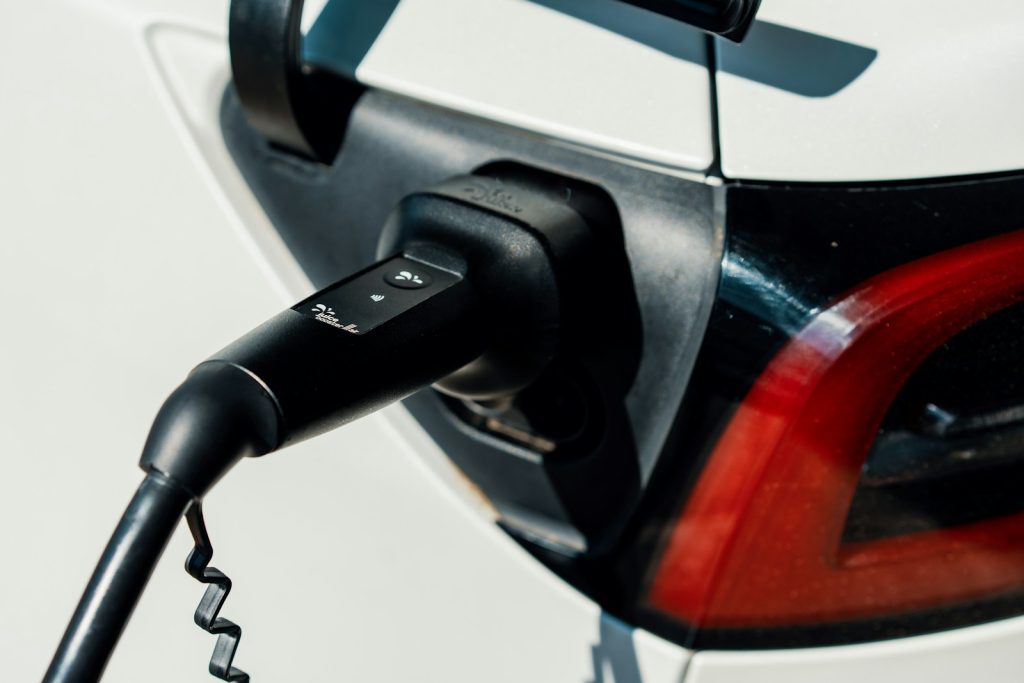
Electric vehicles sit at the center of the 2025 overhang, with unsold 2024 and 2025 EVs stacking up on some lots as adoption grows more slowly than early forecasts suggested. Industry observers have noted that Several of these models face uncertain futures, including production pauses or strategic shifts, which adds urgency for dealers to clear them out. That uncertainty, combined with the need to make room for updated batteries and software in 2026 models, is pushing retailers to experiment with some of the most aggressive EV pricing seen in years.
For shoppers, that means Buyers May See Deeper Discounts as Unsold 2024–2025 Models Pile Up, Even without the federal $7,500 EV tax credit in play for every model. Dealers are cutting prices to levels that would have seemed implausible a few years ago, particularly on older-platform EVs that lack the latest charging speeds or range. The dynamic is especially pronounced in three-row electric SUVs, which were described as “Tremendously” important to families but are now being discounted to compete with more affordable hybrids and efficient gas models.
Year-end “Great RESET” and the $867 billion overhang
By the final quarter, some analysts began describing the situation as a structural reset rather than a temporary blip. One widely shared assessment framed it as the “Great RESET of 2025,” arguing that it had “never been a better time to buy if you are a buyer” and that “the buyer’s got all the power” as dealers in some regions struggled to keep floorplan costs under control. In that commentary, captured in a video titled Oct, the speaker bluntly stated that they would “hate to be the seller right now,” underscoring how the leverage has swung toward consumers as lots overflow with unsold stock.
Another viral breakdown of the market’s excess painted an even starker picture, describing “thousands of trucks ready for sale just sitting unused in lots” and estimating that there was $867 billion in unsold cars suffocating America’s auto sector. While that figure aggregates inventory value across manufacturers and regions, it captures the scale of the problem facing automakers that ramped up production just as demand cooled. The reference to Sep and America in that analysis underscores how national in scope the issue has become, with ripple effects on pricing, incentives, and even future product planning.
Model-year changeovers and “Why the best deals pop now”
One of the most direct ways excess 2025 inventory is reshaping deals is through the timing of model-year changeovers. Retailers have always used the arrival of new model years to clear out older stock, but the current glut has turned that routine process into a high-stakes clearance race. As one dealer group explained, Why the best deals pop now is simple: Model-year changeover forces stores to make room for incoming shipments, often triggering special pricing, especially during a new vehicle sale. When that routine cycle collides with already elevated inventory, the discounts on outgoing 2025 units can be unusually steep.
This pattern is visible across brands, from mainstream trucks to niche crossovers. Dealers sitting on large allocations of 2025 Chevy, GMC, and Buick models, for example, are leaning on factory support to advertise below-MSRP pricing and bundled incentives that would have been rare during the shortage years. The same logic applies to other manufacturers, where 2025 trims that differ only slightly from 2026 versions are being marked down to avoid carrying them into another calendar year. For buyers who can live without the latest grille or software tweak, the model-year handoff is becoming one of the most lucrative windows to negotiate.
Dealer pain, consumer opportunity
Behind the eye-catching discounts is a more painful reality for retailers, who are paying interest on every unsold vehicle sitting on their lots. Reports on Dealers facing a year-end inventory glut describe showrooms where 2024 and 2025 models pile up while 2026 units keep arriving, creating a financial squeeze that leaves little choice but to deal. High floorplan costs, combined with softening demand in certain segments, are forcing managers to accept thinner margins on individual sales in order to protect cash flow and avoid carrying aging stock into the next year.
For consumers, that dealer pain translates into leverage, but only if they are willing to shop around and target the right vehicles. The most compelling opportunities tend to be on models with visibly large on-lot inventories, slower sales histories, or imminent redesigns. Shoppers who understand that a 2025 compact SUV or mid-size sedan is costing the store money every day it sits can push more confidently for price reductions, accessory throw-ins, or favorable financing. The current environment rewards patience and information, turning what used to be a one-sided negotiation into a more balanced exchange.
How buyers can navigate the 2025 reset
With so much excess inventory in play, the key for shoppers is to align their timing and expectations with where the pressure is greatest. That often means focusing on 2025 models rather than chasing the very latest 2026 release, especially in segments where supply is visibly abundant. Checking local lots for rows of identical trims, monitoring online listings for repeated price drops, and paying attention to which vehicles are being heavily advertised can all signal where dealers are most motivated. Insights from the Key Takeaways of spring inventory reports, combined with on-the-ground observations, can help buyers zero in on the most negotiable options.
Shoppers should also be prepared to think holistically about the deal structure, not just the sticker price. In a market where automakers are using hidden incentives and subsidized financing to move metal, a slightly higher MSRP can still translate into a better overall package if it comes with a lower APR, a stronger warranty, or generous lease terms. At the same time, buyers should remember that not every vehicle is discounted equally; hot-selling trucks or newly redesigned models may still command firm pricing. The 2025 reset is less about universal bargains and more about targeted opportunities, especially where Unsold 2024–2025 Models Pile Up and dealers are eager to turn the page.
More from Wilder Media Group: