

Corroded battery terminals are one of those small problems that quietly turn into big headaches, from slow cranking on a cold morning to a car that suddenly will not start in a grocery store parking lot. You might have heard that splashing soda on the mess is a clever hack, but that shortcut can actually damage parts, create sticky residue, and mask deeper issues. If you want your battery to last and your electrical system to stay reliable, you need a method that is safe, repeatable, and grounded in how batteries really work, not in garage folklore.
The good news is that you can clean corrosion properly with simple tools you already own, and you do not need to raid the fridge for cola to do it. By understanding what that blue‑green or white crust actually is, why it forms, and how to neutralize it without harming cables or paint, you can keep everything from a 2015 Honda Civic to a 2022 Ford F‑150 starting cleanly and consistently.
Why the soda myth refuses to die
The idea of pouring cola on a battery terminal has been around for decades, helped along by viral videos where corrosion seems to vanish in seconds. The logic sounds simple: soda is acidic, corrosion is crusty, so the fizz must be doing something right. That story is reinforced by the fact that major drink makers openly describe the tangy bite of their beverages, with the official Coca‑Cola site detailing how its formulas balance sweetness and acidity to create that familiar flavor. When you see corrosion bubble away under a sugary drink, it is easy to assume you have found a cheap, clever fix.
What those clips rarely show is what happens after the camera stops rolling. The same acids that can loosen corrosion are not designed for automotive metals, and the sugar, dyes, and flavorings are happy to stay behind on your battery case and terminals. Over time, that sticky film attracts dirt, can trap moisture, and may even accelerate the very corrosion you were trying to remove. The myth survives because the first few minutes look impressive, but the long term results are far less friendly to your charging system.
How battery corrosion actually forms
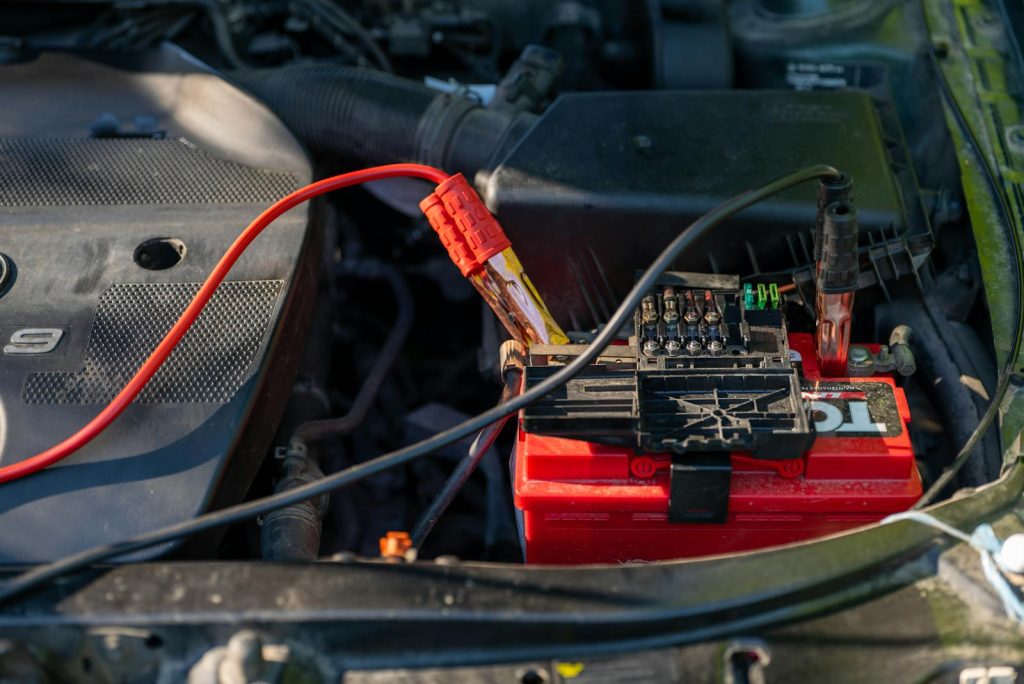
To pick the right cleaning method, you need to understand what you are fighting. On a typical 12‑volt lead‑acid battery, the fluffy white or blue deposits around the posts and clamps are usually a mix of dried electrolyte and oxidized metal. As the battery charges and discharges, tiny amounts of hydrogen gas and acid vapor escape around the seals and posts. When that vapor meets air and moisture, it reacts with the lead and copper in your terminals, building up the crust that eventually interferes with current flow.
Corrosion is especially common on batteries that are overcharging, running hot, or mounted near road spray, which is why you often see it on older sedans and work trucks that spend their lives in stop‑and‑go traffic. Guides that walk you through how to clean car battery corrosion safely emphasize that the powdery buildup is not just ugly, it is caustic enough that you do not want it on your skin or in your eyes. Treating it like a serious chemical residue, not just dirt, is the first step toward choosing a cleaner that neutralizes it instead of smearing it around.
Why soda can make the problem worse
Once you know that corrosion is the result of acid vapors and metal reacting, it becomes clear why adding more random acids is not a smart strategy. Cola is formulated for taste, not for compatibility with lead, copper, and plastic battery cases. Reporting that warns you not to use soda to remove corrosion points out that the drink can actually worsen the chemical reaction, especially if it seeps into cracks around the posts or under the plastic caps where you cannot rinse it away completely.
Then there is the sugar. When you pour a soft drink over your battery, the liquid may run off, but the dissolved sugars and additives cling to surfaces and dry into a tacky film. That residue is excellent at holding onto dust, road grit, and moisture, all of which can create new pathways for corrosion and even encourage stray current leaks between terminals. Instead of a clean, dry connection, you end up with a sticky mess that is harder to inspect and more likely to cause trouble the next time temperatures swing or humidity spikes.
What professionals actually recommend instead
People who work with batteries every day tend to favor simple chemistry and predictable results over flashy tricks. When drivers ask whether they should use cola or something else, experienced mechanics consistently steer them toward a basic alkaline solution. In one discussion about whether to use cola or a neutralizer, a contributor bluntly advises, use the baking soda and water because it is cheaper than specialty terminal cleaner and works well with a standard wire brush.
That advice lines up with step‑by‑step guides that walk you through disconnecting the negative cable first, mixing a small amount of baking soda with water, and applying it directly to the corrosion so it can neutralize the acidic residue. Detailed walkthroughs on cleaning your battery terminals stress that you do not need exotic tools, just ordinary household materials, a brush, and some patience. The goal is not to blast the corrosion off in one dramatic pour, but to dissolve it safely, scrub the metal bright, and then dry everything thoroughly so the reaction does not restart as soon as you close the hood.
The real risks of ignoring corrosion
Leaving that fuzzy buildup alone is not just a cosmetic choice. As corrosion thickens around the posts and clamps, it increases electrical resistance, which means your starter motor has to work harder to pull the same current. Over time, that can translate into slow cranking, dim headlights at idle, and strain on alternators that are already working to keep up with modern loads like heated seats and big infotainment screens. Reporting that urges drivers to stop relying on soda notes that neglecting corrosion buildup can lead to sparks or shorts while you are working under the hood, especially if tools bridge the gap between compromised terminals.
There is also a safety angle that goes beyond whether your car starts. Corroded connections can heat up under load, and in extreme cases that heat can damage plastic battery cases or nearby wiring insulation. If you are dealing with a vehicle that already has aftermarket accessories tied into the battery, such as a winch on a Jeep Wrangler or an amplifier in a Subaru WRX, poor connections can cause intermittent failures that are hard to trace. Cleaning and protecting the terminals is a relatively cheap insurance policy against those headaches, and it is far more effective than dousing the area in soda and hoping for the best.
Step‑by‑step: a method that actually works
A proper cleaning routine starts before you ever touch the corrosion. You should shut the engine off, remove the key, and put on gloves and eye protection so the alkaline cleaner and any loose acid crystals do not reach your skin. Guides that outline the cleaning process before you start emphasize disconnecting the negative terminal first, then the positive, to reduce the risk of accidental short circuits. Once the cables are off, you can sprinkle baking soda directly on the affected areas or apply a premixed solution, letting it fizz as it neutralizes the acid.
After the reaction slows, a stiff brush or dedicated terminal cleaner tool helps you scrub the posts and clamps until the metal is bright and free of residue. Some how‑to guides recommend rinsing with clean water and then drying with disposable shop rags so no moisture remains trapped around the posts. Detailed instructions on how to deep clean the battery posts also suggest installing anti‑corrosion washers and using a small amount of dielectric grease on the terminals before you reinstall the clamps, which helps seal out future moisture and vapors.
Cola vs baking soda vs water: what the evidence shows
When you compare cleaning options side by side, the differences become clearer. Hot water alone can rinse away loose crystals, but it does not neutralize the underlying acid, so corrosion can return quickly. Baking soda mixed with water, on the other hand, reacts with the acidic residue and converts it into a safer compound that is easier to wipe away. In a technical discussion that pits cola vs baking soda vs water, contributors note that while cola can have some effect, hot water and proper neutralizers are more controllable and do not leave behind sticky contaminants.
That is why many professional detailers and DIY enthusiasts settle on a two‑stage approach: neutralize with baking soda, then rinse with clean water, and finally dry thoroughly. If you want to go a step further, you can use a dedicated battery terminal cleaner spray that is designed to change color when it has fully reacted with the acid, giving you a visual cue that the area is safe. What you do not see in serious technical guidance is anyone recommending cola as a first choice, because its side effects outweigh its limited cleaning benefit.
How detailers keep terminals clean long term
People who detail cars for a living think about batteries not just as starting components but as part of the overall presentation and reliability of the engine bay. They favor tools and products that are predictable, repeatable, and safe for paint and plastics. One guide that explains what you need for the job of cleaning car battery terminals recommends a detail brush, a neutralizing cleaner, and protective sprays rather than household soda, and it walks through using those tools methodically so the terminals stay bright and functional.
After cleaning, detailers often apply a thin coat of dielectric grease or a specialized protectant to the posts and clamps, then ensure the connections are tight and free of movement. They may also check for cracks in the battery case or frayed cable insulation that could invite future corrosion. The focus is on prevention as much as cure, which is why they avoid anything that might introduce new contaminants or leave behind residues that attract grime. In that world, soda is not a clever hack, it is a shortcut that creates more work later.
Why the soda trick belongs at the bottom of your list
By the time you weigh the chemistry, the safety concerns, and the long term reliability of your electrical system, the case against cola on battery terminals is straightforward. It is a longstanding myth that persists because it looks dramatic in the moment, but detailed reporting on why you should stop using soda to clean battery terminal corrosion makes clear that it should sit at the bottom of your list of options, not the top. You have access to better tools in your own kitchen cupboard, and they do not come with sticky side effects.
If you stick to a simple routine of disconnecting the battery safely, neutralizing corrosion with baking soda and water, scrubbing the metal clean, and protecting it with grease or washers, you will get more consistent starts and fewer electrical mysteries. Whether you drive a compact commuter or a full‑size pickup, treating your battery like a critical component instead of a chemistry experiment will pay off every time you turn the key or push the start button. The soda can belongs in the cupholder, not on your battery.
More from Wilder Media Group: