

Used electric vehicles are no longer niche experiments for early adopters; they are now some of the cheapest cars on the lot. With prices falling across the board and real inventory sitting on dealer sites and classifieds, shoppers can find affordable used EVs that are actually available right now. The key is understanding how the price drops compare with gas cars, which models sit under $10,000, and what tradeoffs come with those savings.
1) Used EVs Now Outpacing Gas Cars in Affordability
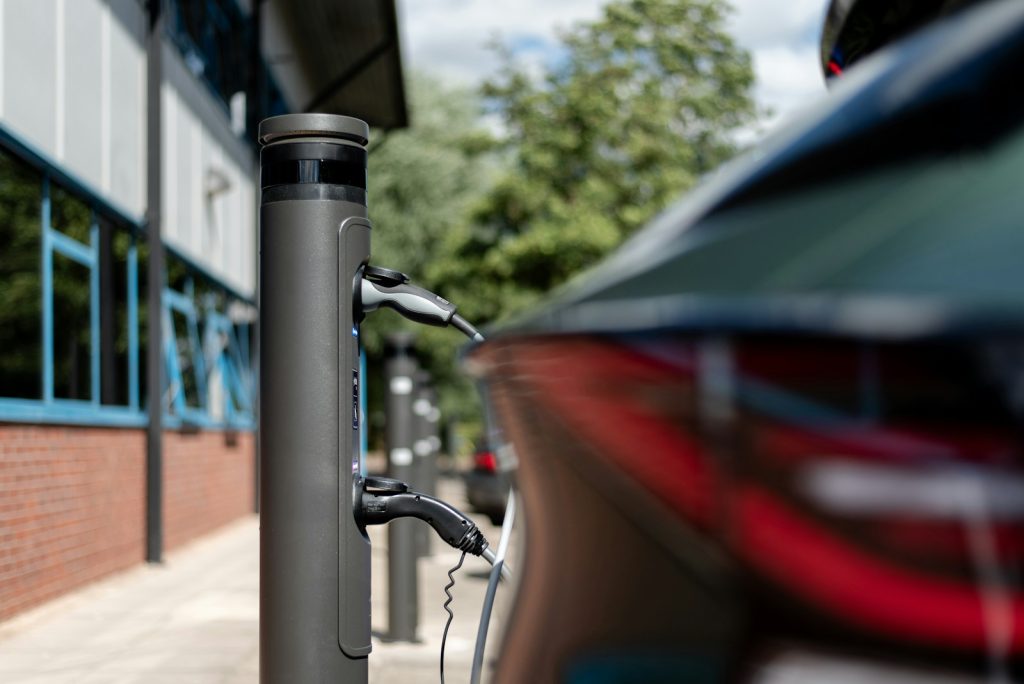
Used EVs are now undercutting comparable gasoline models on price, a reversal of the long‑held assumption that electric cars always cost more. Reporting on the national market shows that the price gap between used electric and gas cars has narrowed to just $900, the lowest difference yet, effectively putting many battery‑powered hatchbacks and crossovers in the same budget bracket as aging compact sedans. For buyers who simply want the lowest monthly payment, that shrinking spread means an EV can now be the cheaper choice at signing.
That shift matters because fuel and maintenance costs already favor electric powertrains, so a lower purchase price compounds the savings. When a used EV sells for roughly the same money as a gas car, drivers can cut gasoline spending, skip oil changes, and still stay within a tight budget. The result is that affordability no longer requires sacrificing modern tech features like instant torque, quiet operation, and advanced driver‑assistance systems that arrived earlier on many EVs than on equivalent gas models.
2) Record-Low Prices on the Used EV Market
Record discounts are now rippling through the used EV market, pushing prices to levels that would have seemed unlikely just a few years ago. Analysts tracking resale values report that Looking at the whole market, the average used EV price fell by 34 percent to $44,160, a dramatic reset that reflects both improving supply and softer demand for older battery tech. Separate Industry data finds late‑model used EVs dropping into the low $30,000s, with mainstream models now priced like mid‑trim crossovers.
These declines are not limited to luxury brands; they filter down to compact hatchbacks and small SUVs that once commanded steep premiums. As new EV incentives and fresh models arrive, older vehicles cycle into the used pool faster, pushing values down further. For cost‑conscious shoppers, this creates a rare window where technology that was recently out of reach is suddenly attainable, while sellers must compete harder on price, warranties, and battery‑health disclosures.
3) Weighing the True Value of Budget Used EVs
With prices tumbling, the central question becomes whether these cheaper EVs are actually a good deal over time. Analysts examining why used EVs have never been cheaper point to battery degradation, limited fast‑charging speeds, and shorter driving ranges as the main tradeoffs that can erode value if buyers are not prepared. Early compact models may deliver less real‑world range than when new, especially in cold climates, which can be a serious constraint for commuters with longer daily drives or limited home charging.
However, for urban drivers with predictable routes and access to overnight charging, those compromises can be manageable, especially when the purchase price is thousands below a comparable gas car. Lower maintenance needs and the absence of complex transmissions or exhaust systems can offset some battery concerns. The key value test is whether the buyer’s daily use fits within the reduced range and whether any remaining battery warranty coverage or documented health checks provide confidence that the pack will last through the planned ownership period.
4) Sub-$10,000 Gems Ready for Purchase
At the lowest end of the market, several used EVs now sell well under the psychological $10,000 threshold. Shopping guides highlight These Used models that Cost Well Under $10,000, describing them as Affordable Used options that budget shoppers can realistically find in online listings. Writer Greg Fink notes that these cars often include early Nissan Leafs, Fiat 500e hatchbacks, and older compliance‑market models that were originally sold in limited regions but now circulate nationwide.
Because these vehicles sit at the bottom of the depreciation curve, their remaining value is tied closely to battery condition and local charging access. Buyers willing to accept shorter ranges, often under 100 miles per charge, can secure extremely low purchase prices that rival high‑mileage subcompact gas cars. For second‑car duty, short‑hop commuting, or student drivers, the combination of low upfront cost and minimal fueling expense can make these sub‑$10,000 EVs some of the most cost‑effective transportation available.
5) Marketplace Picks Available Today
Beyond headline numbers, specific models are surfacing in current listings as strong, affordable bets. Curated marketplace roundups of used EVs now cheaper than gas cars point to vehicles like the Chevrolet Bolt EV, Hyundai Ioniq Electric, and earlier Tesla Model 3 examples that have slipped into mainstream price territory. These cars typically offer more range and faster charging than the very cheapest sub‑$10,000 options, yet still undercut many comparable gasoline crossovers on total cost of ownership.
Shoppers looking for a proven nameplate can also consider the Nissan Leaf, which has been evaluated in detail in a Nissan Leaf review that underscores its practicality as a British‑built EV. Combined with broader analysis that used EVs are cheaper than ever, these marketplace highlights show that affordable electric options are not theoretical. They are sitting on dealer lots and classifieds right now, waiting for buyers who understand how to match range, charging, and budget to their daily lives.
More from Wilder Media Group: