
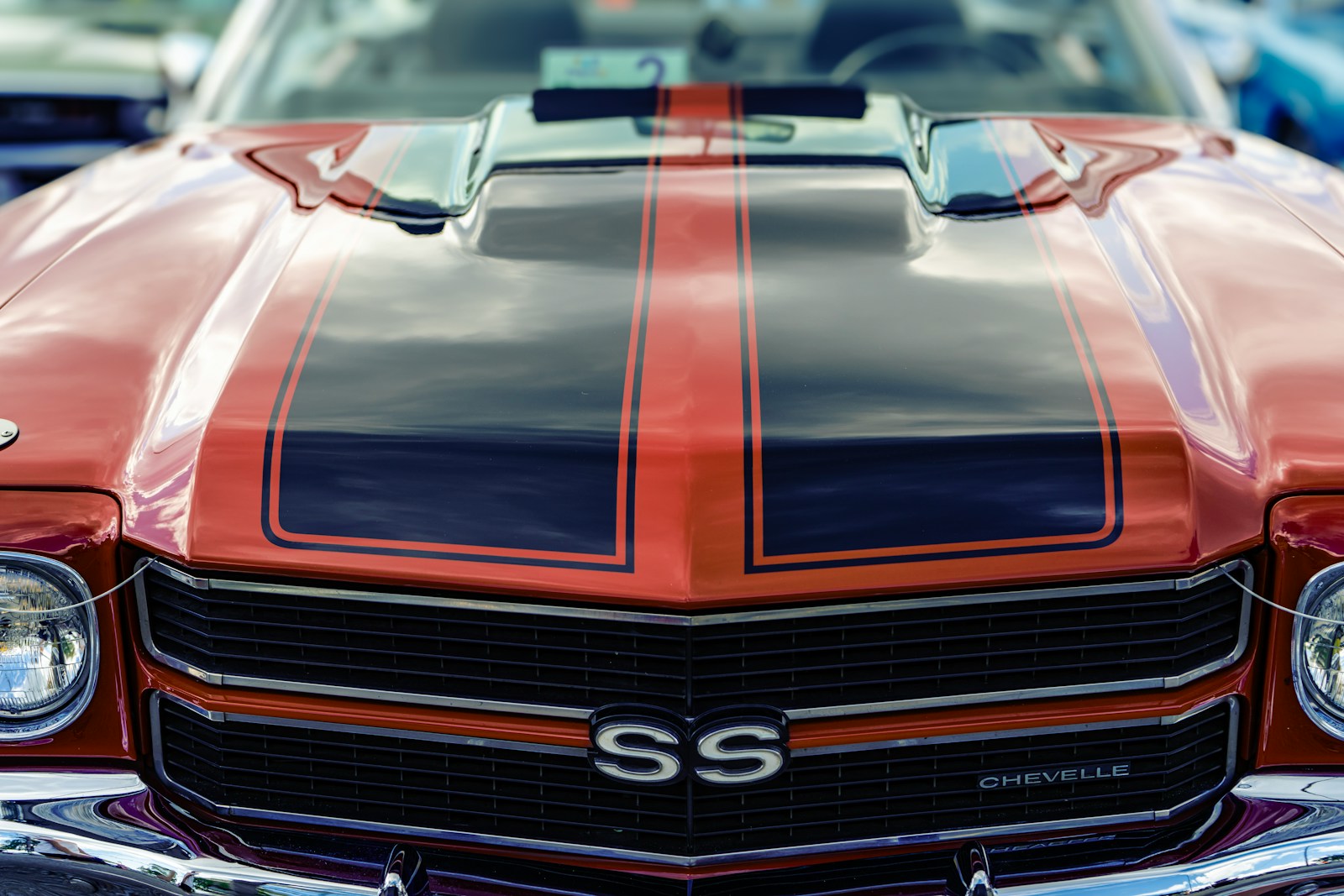

The 1970 Chevelle SS 454 LS6 has long been treated as the undisputed monarch of American muscle, a car enthusiasts place on a pedestal as the ultimate street weapon of its era. Yet the legend often blurs key context about how it actually stacked up against rivals, how it was used, and why its reputation has grown so large. Looking closely at performance data, period street lore, and today’s collector market shows a more nuanced picture, where the LS6 was a fearsome player but not the singular “king” many assume.
The LS6 myth and how it took hold
The Chevelle SS 454 LS6 earned its aura from a simple formula: a midsize body wrapped around one of the most brutal big blocks Detroit ever sold over the counter. On paper, it delivered towering power, a menacing stance, and the kind of quarter mile numbers that made other drivers think twice at a stoplight. Over time, that combination hardened into a myth that the LS6 sat alone at the top of the muscle car food chain, a perception repeated so often that it can feel like settled fact rather than a story that grew in the retelling.
Part of that mythmaking comes from how enthusiasts remember the early 1970s as a brief, blazing peak before emissions rules and insurance costs cut the party short. In that compressed window, the Chevelle SS became a shorthand for raw American performance, and the LS6 package, with its race-bred hardware and limited production, naturally floated to the top of the conversation. The car’s legend has since been amplified by magazines, auction headlines, and online forums, which tend to highlight the wildest claims and the quickest examples, not the full spectrum of what actually ran on the street.
Street hierarchy: “Big Dogs” but not alone
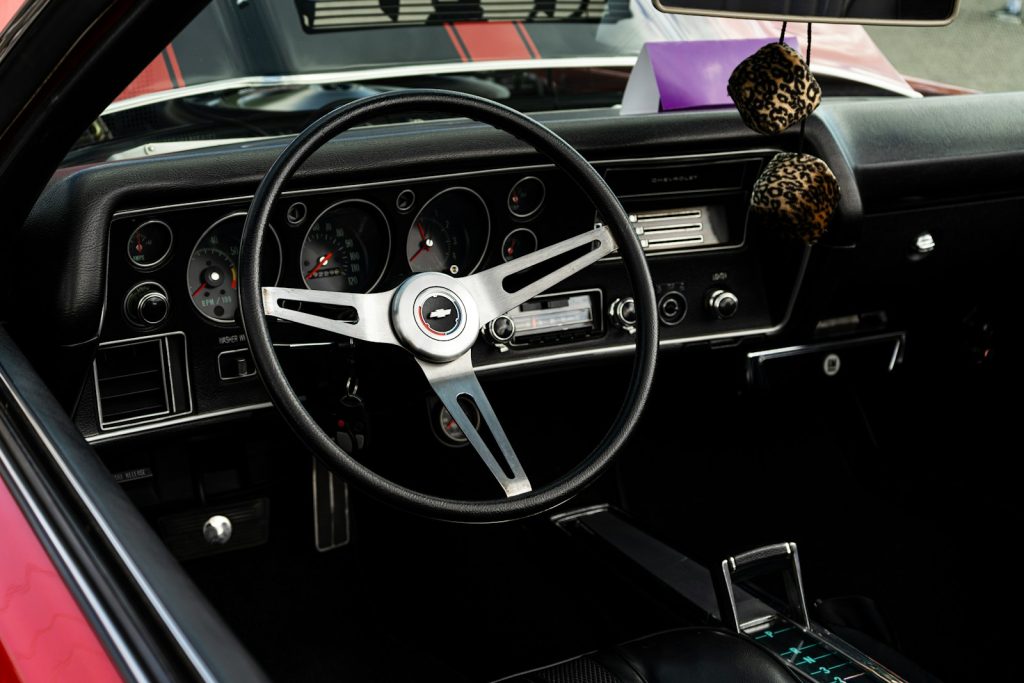
Period accounts make clear that the LS6 Chevelle was one of the most feared cars on American roads, but they also show it shared that space with several equally serious machines. Contemporary observers described how, in the street scene of 1970, there were the “Big Dogs and then there was everyone else,” and the LS6 sat firmly in that top tier. Its combination of a stout big block and relatively straightforward chassis meant that, in the right hands, it could dominate casual stoplight races and organized grudge matches alike.
That same reporting stresses that raw power was only part of the equation, and that “Having 400 cubic” inches or more under the hood did not automatically guarantee victory. Driver skill, traction, gearing, and tuning all shaped outcomes, which meant that an LS6 could be humbled by a better prepared rival even if it carried more displacement on paper. The description of the street “hierarchy” in period coverage of the In the hierarchy of the era underlines that the Chevelle SS was a Big Dog, but it was not the only predator roaming the boulevard.
Fastest of 1970? The data says otherwise
When enthusiasts crown the LS6 as the ultimate muscle car, they often imply it was the outright quickest thing available in 1970. Performance testing and later analysis complicate that claim. Rankings of the “Top 10 Fastest Muscle Cars of 1970” list multiple contenders that could match or beat the Chevelle in stock form, depending on the test and conditions. In those comparisons, the LS6 is impressive but not untouchable, and it sometimes trails lighter or more focused rivals that made better use of their power.
One such ranking points to the 1970 Plymouth Cuda equipped with the legendary 426 Hemi as a benchmark answer to the question, “What was the Fastest Muscle Car in 1970?” That same rundown of the Top 10 Fastest Muscle Cars of the year highlights how the 426 cubic inch Hemi combination could edge out rivals in published quarter mile times. The Chevelle SS 454 LS6 appears in that performance conversation, but the presence of the Plymouth Cuda and other heavy hitters shows that the LS6 was part of a small, elite group rather than a solitary champion.
Context from the broader 1970s performance landscape
Looking beyond a single model year, the LS6 also has to be measured against the broader wave of high performance cars that defined the early 1970s. The decade opened with a rush of chrome, big blocks, and escalating horsepower figures, as manufacturers chased bragging rights on the drag strip and in showrooms. Lists of the Fastest Cars of the 1970s show how crowded the field became, with multiple brands offering machines that could run deep into the 13 second range or better in the quarter mile.
In that context, the Chevelle SS 454 LS6 stands out as one of the most potent street cars Chevrolet ever built, but it is surrounded by peers from Dodge, Plymouth, Ford, and other divisions within General Motors. The presence of cars like the Hemi Cuda, high compression big block Camaros, and other specialty models underscores that the LS6 was part of a horsepower arms race rather than a lone supercar. When enthusiasts look back and single it out as the uncontested king, they risk flattening a much richer and more competitive performance landscape.
Power, weight, and real-world performance
On paper, the LS6 specification is formidable, with a high compression 454, aggressive camshaft, and heavy duty internals that made it a natural for drag racing. Yet raw output is only one part of the performance equation. The Chevelle’s midsize body and generous equipment list meant it carried more weight than some of its rivals, which could blunt its advantage in a straight line. Lighter cars with slightly less power, especially those with optimized gearing and traction, could run neck and neck with an LS6 or even pull ahead in real world conditions.
Period testers and modern analysts alike have noted that the difference between the quickest muscle cars of 1970 often came down to a few tenths of a second, a margin easily erased by driver reaction time or track prep. That reality fits with the street “hierarchy” described in coverage of the LS6, where the Chevelle SS was feared but not invincible, and where outcomes were “dependent on driver ability” as much as on displacement. The myth of an all conquering LS6 tends to gloss over those nuances, turning a very fast car among several into a singular legend.
Rarity, documentation, and the value of the LS6
Another reason the LS6 has been elevated in enthusiast culture is its relative scarcity and the difficulty of proving which cars are genuine. Chevrolet did not keep detailed, easily accessible production records for every configuration, which has left historians and collectors piecing together data from surviving paperwork and period documentation. As a result, the exact number of Chevelle SS 454 LS6 cars built is still debated, and the market places a premium on examples with rock solid provenance.
That uncertainty is magnified in the case of the very rarest variants, such as the handful of LS6 convertibles that have surfaced. Reporting on the “History And Mystery Of The Rarest Chevy Chevelle In Existence” notes that “With Chevy’s lacking production numbers, the high value of the Chevelle SS, and the challenge of proof, a real-deal 45” year old LS6 with full documentation can command extraordinary sums, with at least one example having sold for over a million dollars. The combination of incomplete factory records and intense demand has turned the LS6 into a kind of automotive treasure hunt, which in turn feeds its aura as something beyond an ordinary muscle car.
Collector hype versus period reality
The modern collector market often treats the LS6 Chevelle as a blue chip asset, a car that sits near the top of any list of desirable American performance machines. Auction catalogs and private sales highlight its rarity, its specification, and its place in muscle car lore, which reinforces the idea that it must have been the ultimate street machine of its time. Yet period road tests and street racing accounts suggest a more grounded reality, where the LS6 was one of several apex predators rather than a singular phenomenon.
That gap between period reality and modern perception is common in the collector world, where scarcity and storytelling can matter as much as raw performance. The Chevelle SS 454 LS6 benefits from its dramatic specification, its connection to the final years of the classic muscle era, and the mystique created by incomplete production data. Those factors help explain why a documented LS6 can bring seven figure prices, as noted in coverage of the rarest With Chevy Chevelle SS examples, even though other cars from the same period were just as quick or quicker in stock form.
Rivals that challenge the “king” narrative
Several specific rivals undermine the idea that the LS6 Chevelle towered over everything else. The 1970 Plymouth Cuda with the 426 Hemi is the most obvious challenger, frequently cited in performance rankings as the answer to “What was the Fastest Muscle Car in 1970?” Its combination of a high revving big block, relatively compact body, and drag strip friendly gearing made it a terror in magazine tests and on the street. Other Mopar offerings, such as Hemi powered Chargers and Road Runners, also operated in the same performance neighborhood.
Within General Motors, the Chevelle SS 454 LS6 faced internal competition from cars like the Camaro and Nova when equipped with strong big block or high winding small block engines. Ford and Mercury fielded their own heavy hitters, including 428 and 429 powered intermediates that could run with the best from Chevrolet. The presence of these rivals in lists of the fastest cars of the era, including the What and “Fastest Muscle Car” discussions around the Plymouth Cuda and others, shows that the LS6 was part of a tight pack at the top rather than a solitary ruler.
Why the LS6 still matters, even without the crown
Stripping away the “muscle car king” label does not diminish what the 1970 Chevelle SS 454 LS6 achieved. It remains one of the most aggressive factory combinations of engine and chassis that Chevrolet ever offered to the public, a car that captured the spirit of its time with unusual clarity. Its blend of brute force, everyday drivability, and clean styling has ensured that it stays near the center of any conversation about American performance, even as historians refine the details of how it actually stacked up.
What changes, with a more nuanced view, is the understanding of the LS6’s place in history. Rather than a lone monarch, it becomes part of a small circle of “Big Dogs” that defined the outer limits of street performance at the dawn of the 1970s. Recognizing that shared throne, supported by period rankings of the fastest cars and by the broader context of the Volo Museum overview of 1970s performance, gives the Chevelle SS 454 LS6 a more accurate and arguably more interesting legacy: not as an untouchable king, but as one of several titans that pushed the muscle car era to its absolute edge.
More from Wilder Media Group: