
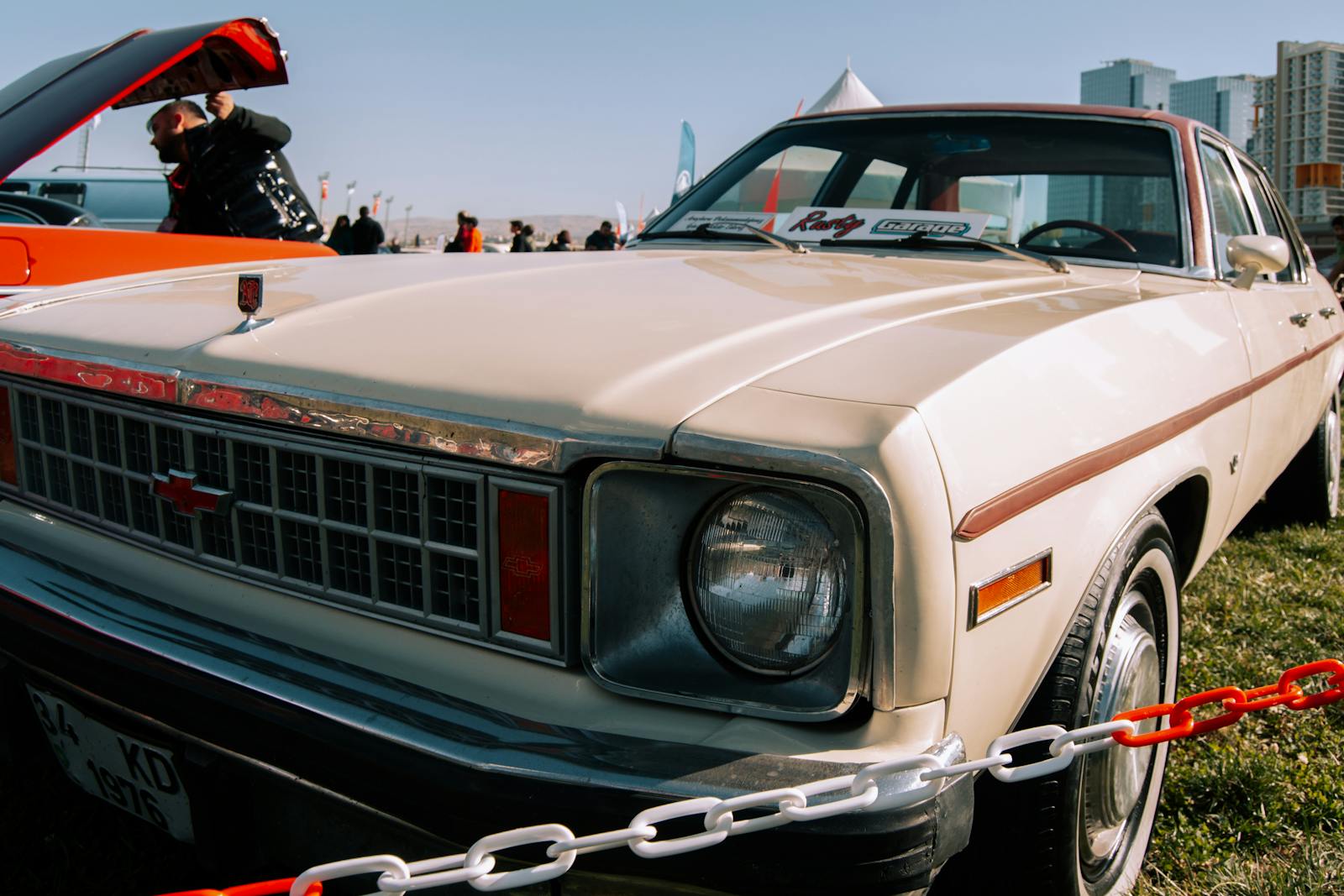

Chevrolet has built plenty of headline-grabbing muscle cars, yet one of its sharpest track-focused creations has quietly slipped into the shadows. The Chevy II Nova, especially in its hotter configurations, now delivers the kind of analog speed and balance that modern enthusiasts chase, but at prices that still undercut the usual blue-chip classics. As collectors chase big-block icons, this compact V8 sedan has become a rare case where historic performance and relative affordability still intersect.
That combination of old-school character and modern-day value is why the Nova is increasingly framed as a forgotten track weapon that rewards drivers who care more about lap times and feedback than auction glamour. With a real 1960s V8 feel, simple mechanicals, and strong parts support, it offers a way into serious vintage performance without the “second mortgage” tax that now follows many period rivals.
The Chevy II Nova’s Overlooked Performance Legacy
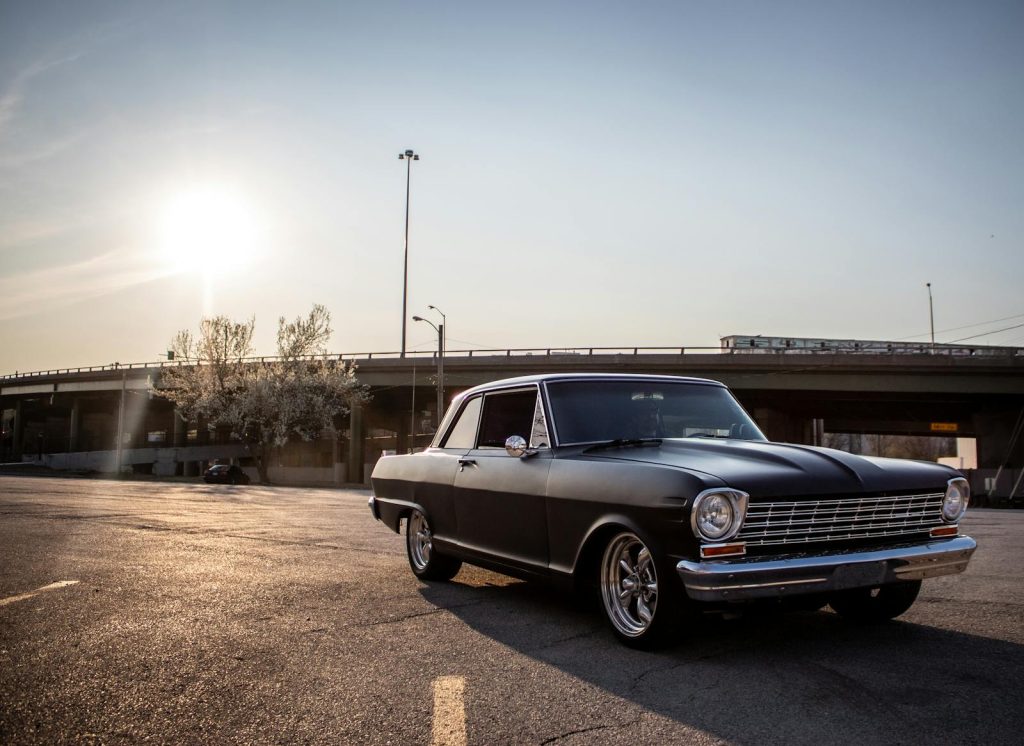
From the outset, the Chevy II Nova was never meant to be a halo car, which is precisely why its performance story is so often overlooked. Chevrolet positioned it as a compact, practical model, yet the chassis and engine bay were flexible enough to accept serious V8 power, turning a sensible commuter into a surprisingly capable track platform. While Camaros and Chevelles soaked up the limelight, the Nova quietly evolved into a car that grassroots racers and tuners could adapt for road courses, autocross, and drag strips alike.
That dual identity, part family sedan and part sleeper hot rod, has helped the Nova age differently from its more glamorous siblings. Instead of being locked into concours-level restoration culture, many examples have lived as driver-focused builds, with uprated suspension, better brakes, and stout small-blocks that thrive on track use. As modern coverage of the Chevy II Nova’s performance potential has highlighted, the car’s compact footprint and relatively low weight give it an agility advantage that is easy to miss if one only looks at period marketing brochures.
Why Enthusiasts Call It a “Forgotten Track Weapon”
Enthusiasts increasingly describe the Nova as a forgotten track weapon because it delivers the core ingredients of a classic performance car without the inflated expectations that surround more famous nameplates. On a circuit, a well set up Nova can feel remarkably modern in its responses, with a responsive front end and predictable rear-drive balance that rewards smooth inputs. Drivers who sample one on track often come away surprised that a car with such a modest image can carry so much speed and communicate so clearly through the steering and chassis.
Part of that reputation comes from the way the Nova bridges eras. It offers a real 1960s V8 feel, with the sound, vibration, and throttle response that define the period, yet its simple suspension layout and straightforward construction make it easy to tune for modern tires and braking hardware. Reporting on the model’s current appeal notes that this blend of analog character and tunability, combined with strong parts support, has turned the Nova into a favorite among budget-conscious track-day drivers who want something more distinctive than a late-model pony car but less fragile than a museum-grade collectible.
Analog V8 Character Without the Collector Tax
One of the Nova’s biggest draws is that it delivers an authentic muscle-era driving experience without demanding the kind of money that headline auction cars now command. The small-block V8 options, especially when paired with manual transmissions, give the car a punchy midrange and a mechanical connection that modern turbocharged engines rarely match. On track, that means the driver can lean on a broad torque curve rather than chasing high revs, which suits the Nova’s compact, tossable nature and makes it approachable for intermediate drivers.
Crucially, the Nova has not yet been fully swept up in the speculative wave that surrounds more famous Chevrolets. While values have risen for clean and well-prepared examples, they still sit below the stratospheric figures attached to big-block Camaros and Chevelles with similar performance. Coverage of the car’s current market position emphasizes that it offers simple mechanics and strong parts support without the “you need a second mortgage” price tag that now shadows many 1960s V8 icons, which is why it is increasingly framed as a performance bargain rather than a pure investment piece.
Simple Mechanics and Deep Parts Support
The Nova’s mechanical simplicity is a major reason it works so well as a track-day platform in the present day. Underneath, the car relies on straightforward suspension designs and widely understood small-block V8 architecture, which means most competent shops can diagnose and repair issues without specialized tools or obscure knowledge. For owners who want to drive hard and often, that simplicity translates into lower running costs and less downtime, both of which matter more than badge prestige when the goal is seat time.
Equally important is the depth of the aftermarket and replacement parts ecosystem that has grown around the Chevy II Nova. Because the car shares many components with other Chevrolet models of the era, enthusiasts can tap into a broad catalog of performance upgrades, from disc brake conversions and modern dampers to reinforced subframes and improved steering setups. Reporting on the Nova’s appeal underscores that this strong parts support makes it far easier to keep on track than some rarer contemporaries, which may require hunting for discontinued components or commissioning custom fabrication for even basic repairs.
How the Market Turned It Into a Modern Bargain
The current market has played a decisive role in turning the Nova into a modern performance bargain. As collectors and investors chased headline models, prices for high-profile Chevrolets climbed rapidly, leaving many enthusiasts priced out of the most famous muscle cars. In that environment, the Nova’s lower profile became an asset, allowing it to remain relatively attainable even as its capabilities on track became better understood and more widely documented.
Recent auction and private sale data show that well-prepared Novas can still be acquired for figures that would barely cover the restoration costs of a more celebrated model. One notable example cited in coverage is a Chevy II Nova that crossed the block at Indy 2025, where a track-ready build sold for $62,700, a number that underscores how much performance and period character the car offers for the money. That specific Indy 2025 sale at $62,700 has become a reference point for enthusiasts who argue that the Nova still sits in a sweet spot between affordability and capability.
Track-Day Performance That Punches Above Its Weight
On a modern track day, a sorted Nova can embarrass newer machinery that looks faster on paper. The car’s relatively low curb weight, compact dimensions, and front-engine, rear-drive layout give it a neutral balance that responds well to contemporary tires and suspension tuning. With upgraded brakes and cooling, it can run extended sessions without fading, and the driver benefits from clear feedback that makes it easier to explore the limit compared with heavier, more insulated modern performance cars.
Enthusiast reports often highlight how the Nova’s chassis rewards incremental improvements. Starting with a solid base, owners can add stiffer springs, better dampers, and modern alignment settings to unlock significant gains in cornering speed without compromising the car’s approachable nature. Combined with a robust small-block that can be tuned for reliable power, the result is a package that feels cohesive and confidence inspiring on track, which is why it has earned a reputation among experienced drivers as a car that punches well above its weight class in lap-time terms.
Comparing the Nova to Better-Known Chevy Muscle
When compared directly with better-known Chevrolet muscle cars, the Nova’s strengths and trade-offs become clearer. A Camaro or Chevelle of similar vintage may offer more visual drama and a stronger cultural footprint, but they also tend to carry more weight and, in many cases, more complex or expensive restoration histories. On a tight or technical circuit, the Nova’s smaller footprint and lighter mass can translate into quicker direction changes and less stress on consumables like tires and brakes, which matters for drivers who log multiple events per season.
Financially, the contrast is just as stark. While top-tier examples of the more famous models have surged into six-figure territory, the Nova has remained in a band where serious enthusiasts can still justify buying, upgrading, and actually using the car. That gap in acquisition and running costs is a key reason analysts describe the Nova as a smarter choice for track-focused buyers who prioritize performance per dollar over name recognition. In effect, the market has turned the Nova into a stealth alternative, offering much of the same mechanical DNA and driving feel as its stablemates without the premium that comes with a more celebrated badge.
Who the Chevy II Nova Makes Sense For Today
The modern Chevy II Nova appeals most strongly to enthusiasts who value driving experience and mechanical honesty over show-field prestige. It suits the owner who wants to wrench on their own car, learn its behavior at the limit, and accept a few stone chips as the price of real use. For that kind of driver, the Nova’s combination of analog controls, clear feedback, and accessible power makes it a rewarding partner on both back roads and track days, especially when compared with newer cars that isolate the driver behind layers of electronics.
It also makes sense for buyers who are realistic about budgets but unwilling to compromise on character. The Nova’s relatively attainable purchase price, combined with its strong parts ecosystem, allows owners to allocate more resources to meaningful upgrades and regular event entries rather than tying up capital in a static asset. As coverage of the car’s current status as a performance bargain suggests, the ideal Nova owner is less concerned with future auction results and more interested in maximizing the number of laps and miles they can enjoy right now.
Why Its Moment Might Not Last Forever
Although the Nova currently sits in a sweet spot of value and capability, there are signs that this window may not stay open indefinitely. Increased media attention on its track potential and the visibility of notable auction results are already drawing more eyes to the platform. As more enthusiasts recognize that the Nova offers a rare combination of period charm and modern usability, demand is likely to rise, which could push prices upward and narrow the gap that currently separates it from more famous Chevrolets.
At the same time, broader trends in the collector and enthusiast market suggest that analog, V8-powered cars with strong parts support are becoming more desirable as modern performance shifts toward turbocharged and electrified powertrains. The Nova fits that brief almost perfectly, which means it is unlikely to remain a secret indefinitely. For now, though, it remains one of the few classic Chevrolets where a driver can still buy into genuine 1960s performance, tune it for serious track use, and enjoy it hard without immediately stepping into the financial territory usually reserved for blue-chip muscle.
More from Wilder Media Group: