
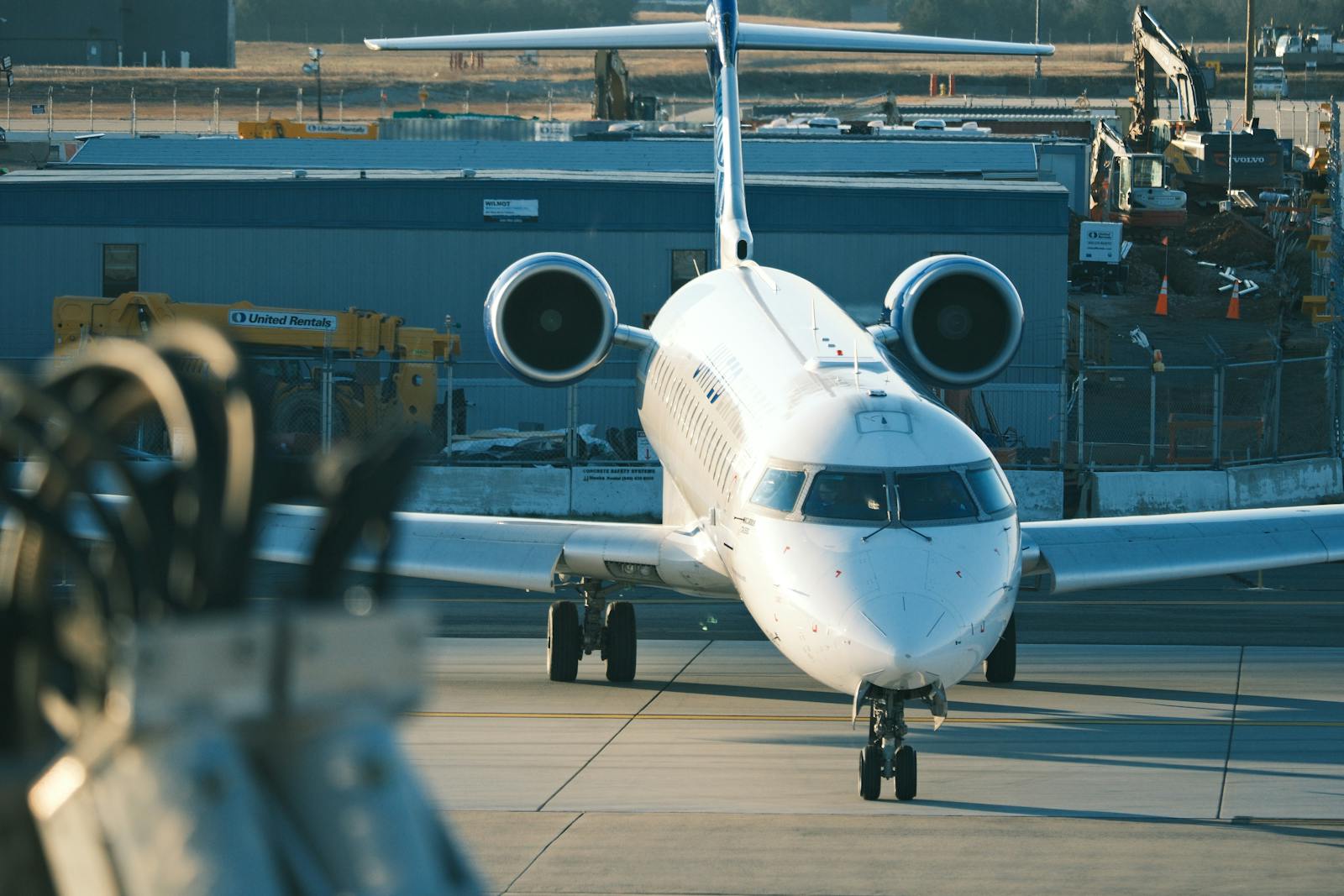

A twin engine turboprop that lost its pilots to a sudden in flight emergency has become the first aircraft in history to complete a full emergency landing with no human input on the controls. The incident, which unfolded near Denver, turned a terrifying loss of consciousness in the cockpit into a proof of concept for aviation’s most ambitious safety automation. What had been marketed as a last resort for passengers and crews instead showed it can manage a complex crisis from altitude to rollout entirely on its own.
The successful touchdown instantly shifted Autoland from futuristic promise to operational reality, raising questions about how far cockpit automation should go and how quickly regulators and operators will follow. For passengers, the story is simple and visceral: when the people at the front of the cabin could no longer fly, the airplane still found a way to bring everyone home alive.
The emergency that changed the Autoland conversation
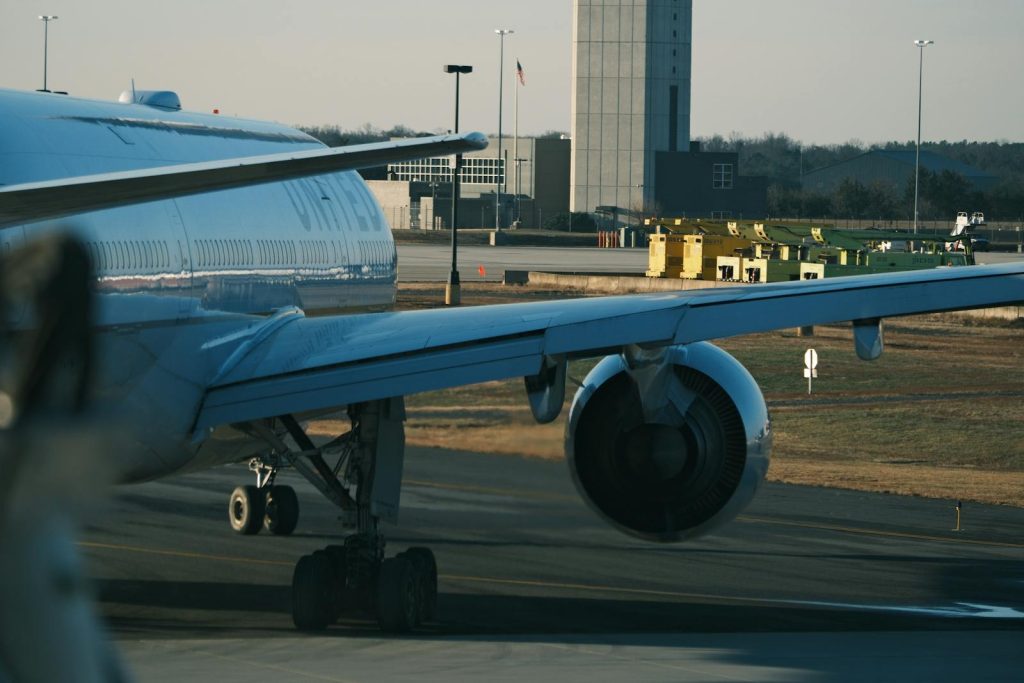
The breakthrough moment began as a routine flight in a Beechcraft Super King Air cruising at altitude when the cabin pressure problem escalated into a life threatening situation. As the cabin altitude climbed beyond safe limits, the pilots were suddenly at risk of hypoxia, the insidious lack of oxygen that can render crews confused or unconscious in seconds. Company CEO Chris Townsley later explained that the pilots immediately donned oxygen masks as the cabin altitude rose, a detail that underscores how quickly the emergency unfolded and how narrow the margin was between recovery and catastrophe.
With the crew’s ability to manage the aircraft in doubt, the decision was made to activate the Garmin Autoland system, handing control of the Beechcraft Super King Air to software that had never before been used end to end in a real emergency. Reporting on the event notes that the airplane then flew a complete approach and landing profile on its own, from descent planning to touchdown, validating that the system could do in the real world exactly what it had been designed and certified to do in simulations and demonstrations. The episode marked the first time an airplane landed itself during an in flight emergency using an aviation autoland system as the primary safety net, rather than as a convenience feature for low visibility approaches.
How Garmin Autoland actually flies the airplane
Garmin designed Autoland as a fully integrated safety layer that can take over when pilots are incapacitated or overwhelmed, and the Colorado incident showed that architecture in action. Once engaged in the Beechcraft Super King Air, the system assumed control of the autopilot, engine power, and flight controls, then began calculating a safe route to the most suitable runway within range. It evaluated terrain, fuel, weather, and runway length, then committed to a plan that would get the aircraft on the ground before the situation in the cabin could deteriorate further.
In this first real world test, Garmin’s automated landing system not only flew the approach but also managed configuration changes such as flaps and gear, controlled descent rates, and guided the aircraft through flare and touchdown without any pilot input. Coverage of the event notes that the company’s automated landing system took the Beechcraf through a complete landing sequence, demonstrating that the capability is not limited to benign training scenarios but can handle a critical emergency. According to Garmin, this is the first use of the Autoland system in a real emergency scenario from activation to the end of rollout, a milestone that moves the technology from theoretical backup to proven lifesaver.
From Columbia to Colorado, the tech’s quiet rollout
The successful landing near Denver did not happen in a vacuum, it was the product of a quiet but deliberate rollout of Autoland hardware and software across a growing fleet of business and general aviation aircraft. At Columbia Regional Airport in Missouri, for example, the same technology had already been installed in aircraft operating out of the field, giving local pilots and passengers access to a system that can assume control, navigate to a safe airport, and communicate along the way if the crew becomes incapacitated. Reporting from COLUMBIA describes how the technology that allowed a small airplane to land itself at an airport near Denver had been fitted at COU, highlighting that the infrastructure for this kind of automation has been spreading well before the first emergency activation.
In Colorado, that groundwork meant that when the crisis struck, the airplane already carried the sensors, processors, and certified software needed for Autoland to function without improvisation. The system could interface with avionics, read terrain and navigation databases, and execute a landing profile that regulators had already vetted in detail. The fact that the same core technology is now present in multiple aircraft types and airports, from Columbia to the Rocky Mountain region near Denver, suggests that the first emergency use is less an isolated miracle and more the visible tip of a broader shift in how small aircraft are equipped to handle worst case scenarios.
The Rocky Mountain Metropolitan Airport drama
The most widely discussed Autoland emergency unfolded near Denver at Rocky Mountain Metropolitan Airport, where a small twin engine turboprop became the first aircraft to complete a fully automated emergency landing with no pilot input. Earlier reports describe how the flight was approaching the area when the Pilot became incapacitated roughly 2 miles south of Kilo, a reference to a local navigation fix that situates the drama squarely in the busy airspace northwest of Denver. What had been a routine leg over Colorado airspace turned into a test of whether software could step in at the very moment human capability fell away.
According to accounts shared about the event, the Emergency sequence began when Autoland was activated after the Pilot could no longer safely fly, at which point the system took over navigation, descent, and approach planning into Rocky Mountain Metropolitan Airport. One description notes that NEW details emerged showing that the plane landed itself using Autoland at the Rocky Mountain Metropolitan Airport near Denver, becoming the first such case in which the system also handled communication with air traffic control. That meant Autoland was not only flying the airplane but also coordinating with controllers, selecting the best option for landing, and guiding the aircraft to a safe stop on the runway while the incapacitated Pilot remained unable to intervene.
Inside the cockpit: what the pilots actually did
Although the headline achievement is that the airplane landed without pilot input on the controls, the crew’s decisions before Autoland took over were crucial. Company CEO Chris Townsley has explained that as the cabin altitude rose beyond safe levels, the pilots immediately put on oxygen masks, buying themselves enough time to assess the situation and decide whether they could continue to fly manually. Faced with a rapidly evolving emergency and the risk that hypoxia could still impair their judgment or motor skills, they chose to activate the Garmin Autoland system rather than gamble on their ability to manage a complex descent and landing under physiological stress.
Reporting that focuses on the crew’s perspective emphasizes that Autoland activation was a deliberate crew decision, not an automatic trigger, in this first real world use. In other words, the pilots recognized that the safest course of action was to hand control to the system that had been specifically designed for such a scenario, even though doing so meant ceding the traditional role of the human at the controls. That choice reframes Autoland not as a replacement for pilots but as a tool that well trained crews can deploy when their own capacity is compromised, much like pulling a handle on a ballistic parachute or initiating an emergency descent mode.
What the small-plane landing means for passengers
For passengers, the most striking detail is that a Small plane was able to land itself safely with Autoland in what the company describes as the first use of the system in an emergency situation. In the Colorado case, a small airplane that had departed with a conventional two pilot crew ended up relying on automation to complete the flight after the Pilot could no longer function, yet those on board still walked away without injury. The Federal Aviation Administration later confirmed in a statement that the aircraft landed safely at Rocky Mountain Metropolitan Airport in Colorado, reinforcing that regulators view the outcome as a successful use of certified safety technology rather than a lucky escape.
Accounts of the event stress that the passengers did not need to touch the controls or even understand the intricacies of avionics for the system to work. Once Autoland was engaged, it handled the descent, approach, and landing, while also managing radio calls and transponder codes so that air traffic control could clear other traffic and prepare emergency services on the ground. For travelers who have long wondered what would happen if something incapacitated the crew, the answer in this case is that the airplane itself had a plan, and that plan worked exactly as advertised.
Why Garmin calls this a historic first
Garmin has been clear in its characterization of the Colorado incident as a historic first for its Autoland technology. According to Garmin, this is the first use of the Autoland system in a real emergency scenario, from the moment of activation through touchdown and rollout, rather than a controlled demonstration or training exercise. That distinction matters because certification testing, however rigorous, cannot fully replicate the stress, uncertainty, and potential for cascading failures that accompany a genuine in flight emergency.
Independent coverage of the event aligns with that framing, describing how the company’s automated landing system took the Beechcraf through a complete landing sequence and proved its capability in a critical emergency. Other reports refer to the episode as a rare aviation event in which a light aircraft lands itself without human intervention, underscoring how unusual it is for an airplane to go from cruise to runway with no pilot manipulation of the controls. For Garmin, the successful outcome validates years of investment in Autoland and strengthens the case for broader adoption in both new production aircraft and retrofits.
From novelty to new safety baseline
Before this emergency, Autoland was often discussed as a high end option, a kind of technological novelty that might reassure nervous passengers but would rarely, if ever, be needed. The Colorado incident has shifted that perception by showing that the system can be the difference between life and death when a Pilot is incapacitated or a crew is overwhelmed. One detailed account notes that a Small twin engine turboprop used the automated aviation tech during a mid air emergency and completed rollout without any pilot input, a description that captures how thoroughly the system managed the crisis from the moment it was engaged.
Other reporting frames the event as the first time in aviation history that a plane safely lands itself after an emergency situation in Colorado, with the company explaining that the pilots had lost communication with air traffic control before Autoland automatically re established contact and coordinated the approach. That ability to restore communication, select a runway, and fly a stabilized approach without human assistance suggests that Autoland is evolving from a niche feature into a potential new baseline for safety in small and medium sized aircraft. As more operators see a real world example of the system doing exactly what it was designed to do, pressure is likely to grow for broader installation, particularly on aircraft that routinely fly over mountainous terrain or at altitudes where hypoxia is a constant risk.
What comes next for pilots, regulators, and travelers
The first successful emergency Autoland has immediate implications for training, certification, and public expectations. Pilots will now need to think of Autoland not just as a theoretical backup but as a practical tool that can and should be used when their own capabilities are compromised, much as the crew of the Beechcraft Super King Air chose to do. Regulators, having already certified the system for use, will be watching closely as investigators review data from the flight, a process that Garmin has said is standard following unusual occurrences and that will likely inform any refinements to procedures or software.
For travelers, the story told by Tom Clark about a small private plane landing on a runway, illustrated with an image credit to Osman Atilla Altintas and Getty, crystallizes a new reality in which a machine can complete the most demanding phase of flight when humans cannot. The fact that the key decisions in this case were made by trained pilots, that Autoland executed its programming without surprises, and that everyone on board walked away, will shape how passengers, airlines, and business aviation operators think about automation in the cockpit. As more aircraft are equipped and more crews are trained to trust the system when it matters most, the first ever emergency Autoland may be remembered less as a one off miracle and more as the moment aviation’s safety floor moved a step higher.
More from Wilder Media Group: