
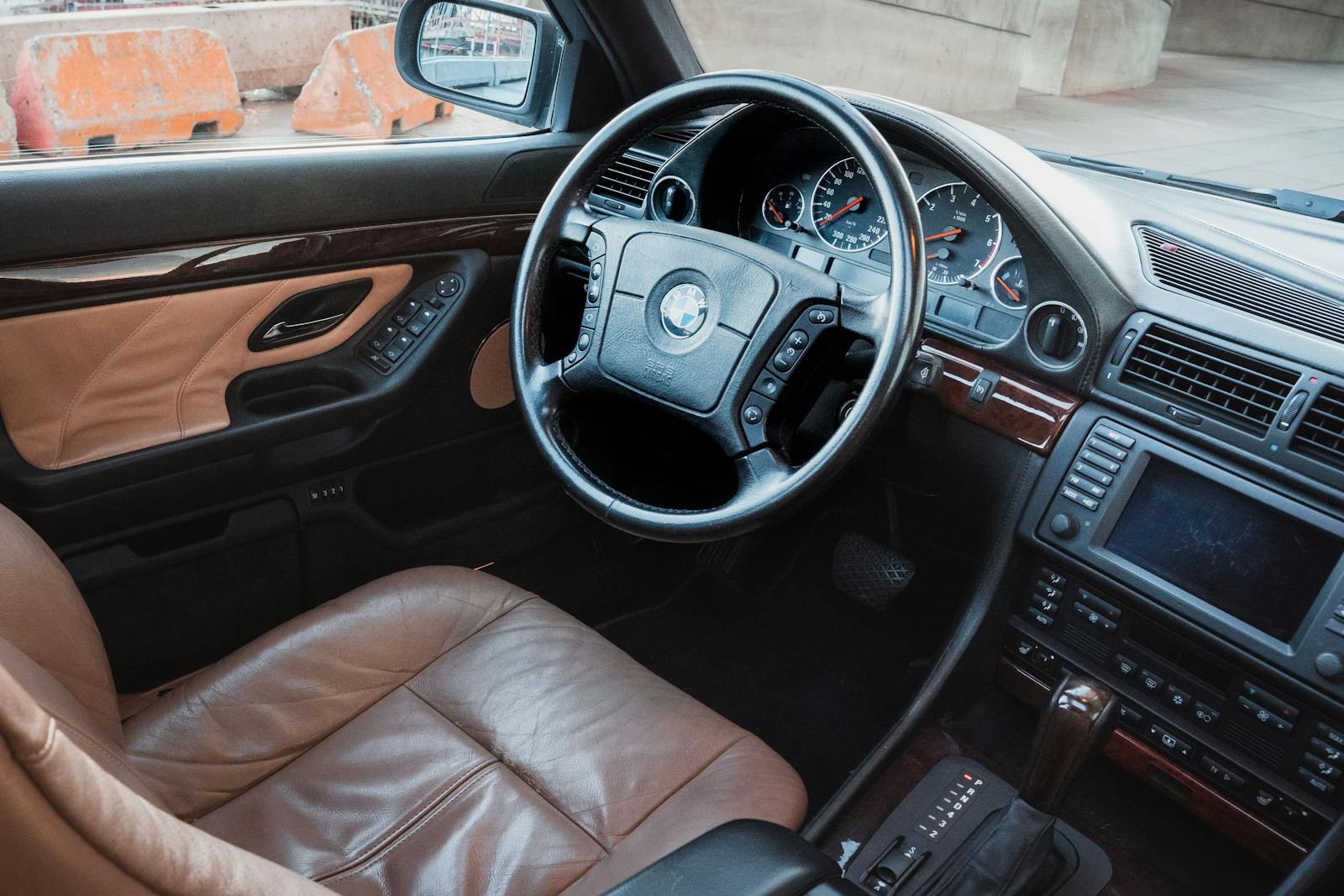

A $1,600 BMW project is more than a budget build, it is a test of patience, planning, and mechanical honesty that quickly exposes who is willing to do the work and who is only along for the fantasy. Turning a tired sedan into something worth driving demands structure as much as passion, and the gap between those two is where dreamers and builders part ways.
From Craigslist Fantasy To Concrete Project
The story usually starts the same way, with a too-cheap listing that promises German luxury for the price of a set of coilovers. In this case, the hook is an E39 BMW 530i bought for $1,600, a number that sounds like a shortcut into the enthusiast world but actually signals how much deferred maintenance and hidden damage is waiting underneath the glossy idea of ownership. The low entry price is not a bargain so much as a down payment on the hours, tools, and discipline that will be required to make the car safe, reliable, and genuinely quick.
That tension between sticker price and real cost is what separates people who scroll classifieds from those who clear space in the garage and start wrenching. The buyer who drags home a $1,600 E39 530i is not just purchasing a car, but committing to a platform with known weaknesses in its cooling system, suspension bushings, and electronics, all of which will demand attention before any power upgrades make sense. In the build documented in the video titled “I turned a JUNK $1600 BMW Into an Ultimate Sleeper,” the creator frames the purchase as the first step in a long process, not a shortcut to instant performance, and that framing is what keeps the project grounded in reality rather than wishful thinking.
Why The E39 530i Is The Perfect Litmus Test
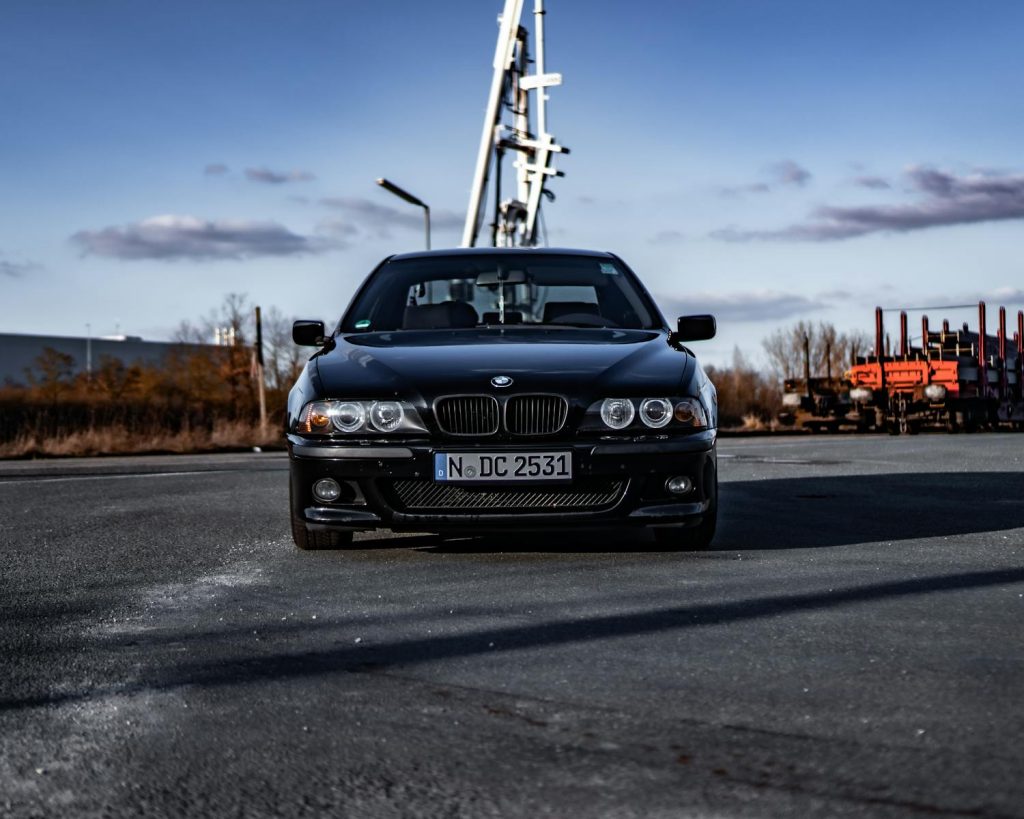
The BMW E39 530i is a revealing choice for a budget build because it sits at the intersection of attainable price and complex engineering. Its inline-six engine, chassis balance, and highway composure give it real potential, but the car is old enough that almost every wear item is suspect, from control arm bushings to cooling hoses. Anyone who chooses this platform for a $1,600 project is implicitly agreeing to deal with age-related failures, brittle plastics, and the kind of electrical gremlins that do not show up in a quick test drive.
That mix of strengths and liabilities makes the E39 530i a filter for seriousness. A dreamer sees a cheap luxury sedan and imagines instant “sleeper” status, while a builder sees a checklist of systems that must be refreshed before the car can handle more power or aggressive driving. In the documented project, the car is introduced as a “JUNK $1600 BMW,” a blunt description that acknowledges the starting point and sets expectations for the work ahead, which is captured in the early segment of the video at around the twenty five second mark in the clip labeled Dec.
Defining A Sleeper: Power, Subtlety, And Restraint
Calling a car a sleeper implies more than just speed, it suggests a deliberate mismatch between appearance and performance. The goal is to build something that looks like a tired commuter but accelerates like a serious performance machine, and that requires restraint as much as horsepower. Cosmetic upgrades that shout for attention undermine the concept, while carefully chosen mechanical changes, hidden under stock bodywork and factory wheels, reinforce it.
In the $1,600 BMW project, the “ultimate sleeper” label is not about chasing dyno numbers at any cost, but about extracting meaningful performance while keeping the car visually anonymous. That means prioritizing engine health, driveline integrity, and suspension tuning over flashy body kits or oversized exhaust tips. The video that follows the transformation of the E39 530i into a sleeper, presented in the main upload of the build, shows how the creator leans on subtlety, using the car’s ordinary sedan profile as camouflage while focusing effort on the parts that actually change how it drives, a philosophy that is central to the narrative in this documented build.
Budget Reality: Where The First Dollars Really Go
Once the car is home, the first wave of spending rarely matches the fantasies that justified the purchase. Instead of turbo kits and track tires, the early receipts are filled with basic parts like fluids, filters, belts, and gaskets. On a $1,600 E39 530i, the cooling system alone can absorb a significant share of the initial budget, with radiators, expansion tanks, and water pumps all being common failure points that must be addressed before any serious driving or tuning can happen.
This is where many dreamers stall, because the invisible work of restoring reliability does not generate the kind of instant gratification that social media highlights. Builders, by contrast, understand that every dollar spent on preventing overheating, oil starvation, or suspension failure is an investment in the car’s long term potential. In the sleeper project, the creator’s willingness to tackle unglamorous repairs before chasing power upgrades underscores a disciplined approach to budgeting, one that treats the $1,600 purchase price as only the beginning of the financial story rather than the headline achievement.
Planning The Build: Structure Over Impulse
A coherent project car does not come together through impulse purchases, it is the product of a plan that sequences repairs and upgrades in a logical order. For a high mileage E39 530i, that plan typically starts with safety and reliability, then moves to handling, and only then to power. Builders who map out their steps in advance are less likely to waste money on parts that do not fit the long term vision, and more likely to finish a car that feels cohesive rather than cobbled together.
The $1,600 BMW sleeper project illustrates how structure keeps a build on track. By framing the car as “junk” at the outset, the creator implicitly commits to a full refresh rather than a series of isolated fixes, and the video’s narrative follows that arc from baseline assessment to targeted upgrades. That kind of planning is what allows a modest budget to stretch, because it avoids the trap of buying the same part twice or chasing power before the chassis is ready to handle it, a mistake that often turns cheap cars into expensive regrets.
Mechanical Triage: Fixing What Matters First
Once the plan is in place, the next step is triage, deciding which problems must be solved immediately and which can wait. On a neglected E39 530i, that list often starts with brakes, steering, and any issue that could cause catastrophic failure, such as oil leaks near hot exhaust components or failing fuel lines. A builder’s discipline shows in the willingness to spend time diagnosing root causes instead of masking symptoms with quick fixes.
In the documented sleeper build, the early focus on the car’s baseline condition reflects that mindset. By acknowledging the car as “junk” and walking through its flaws on camera, the creator demonstrates a methodical approach to triage, identifying which systems are safe to leave alone for now and which demand immediate attention. That process is what turns a $1,600 gamble into a manageable project, because it prevents small issues from snowballing into failures that could sideline the car or wipe out the budget in a single incident.
Upgrades That Count: Where Performance Really Comes From
After the essentials are handled, the question becomes how to extract meaningful performance without losing the sleeper character or blowing the budget. For an E39 530i, that often means focusing on intake and exhaust efficiency, careful tuning, and suspension improvements that sharpen response without making the car harsh or visually obvious. A well chosen set of shocks and springs, fresh bushings, and quality tires can transform how the car feels long before any major engine work is necessary.
The sleeper project’s emphasis on turning a “JUNK $1600 BMW” into something that surprises other drivers is rooted in this philosophy of targeted upgrades. Rather than chasing every possible modification, the builder prioritizes changes that deliver real gains in acceleration, braking, and cornering while keeping the exterior largely stock. That approach not only preserves the car’s understated look, it also respects the limitations of the original drivetrain, reducing the risk of over-stressing components that were never designed for extreme power levels.
The Psychology Gap: Dreamers, Builders, And Follow-Through
Beyond the mechanical work, a $1,600 BMW project exposes a psychological divide between those who enjoy imagining a finished car and those who can tolerate the messy middle. Dreamers tend to lose momentum when the novelty wears off and the project becomes a series of repetitive tasks, like cleaning parts, chasing wiring faults, or waiting for backordered components. Builders, by contrast, find satisfaction in incremental progress, treating each solved problem as proof that the car is moving closer to its potential.
The narrative arc of the E39 530i sleeper build highlights that difference. By documenting the car from its rough starting point through each stage of repair and modification, the creator shows how persistence, not just inspiration, drives the transformation. The willingness to keep working through setbacks, to revisit earlier decisions, and to accept that some ideas will not pan out is what ultimately separates a finished sleeper from a half disassembled sedan sitting on jack stands behind a garage.
What A Finished $1,600 Sleeper Really Proves
When the project finally comes together, the value of a $1,600 BMW build is measured less in resale price and more in what it demonstrates about process and priorities. A sorted E39 530i that looks ordinary but accelerates and handles far better than its age and purchase price suggest is a rolling argument for patience, planning, and hands on learning. It shows that with the right structure, even a car written off as “junk” can become a capable, enjoyable machine.
The completed sleeper also serves as a quiet rebuttal to the idea that performance requires a large initial outlay. By starting with a cheap, tired chassis and investing time and targeted spending, the builder proves that the real dividing line in the enthusiast world is not money but mindset. Those who are willing to confront the unglamorous realities of ownership, from seized bolts to unexpected failures, are the ones who turn a $1,600 E39 530i into something worth driving, while those who only chase the dream remain on the sidelines, still scrolling through listings and imagining what might have been.
More from Wilder Media Group: