

Honda is preparing a new wave of hybrids that do not just sip fuel more efficiently, they are being tuned to sound more exciting from behind the wheel. Instead of treating noise as a byproduct to be suppressed, the company is deliberately shaping engine and exhaust character, especially for buyers in the United States. The strategy signals a shift in how hybrids are engineered and marketed, turning sound into a core part of the driving experience rather than a compromise.
The move reflects a broader realization that performance, emotion, and efficiency can coexist if engineers treat acoustics as carefully as power and range. It also shows how regional tastes, particularly in America, are influencing global product planning for one of the world’s biggest automakers.
Why Honda Is Turning Up The Volume On Hybrids

Honda is openly acknowledging that sound sells, particularly in the U.S. market, and is now building that insight into its next generation of electrified cars. Company engineers have described how Americans respond strongly to a good exhaust note, so the new hybrids are being calibrated to deliver a richer, more engaging soundtrack instead of the muted hum that has defined many past models. That is a notable pivot for a brand long associated with quiet, rational efficiency, and it suggests Honda sees emotional appeal as essential to keeping drivers interested in hybrids as electric vehicles gain ground.
The emphasis on acoustics is not just marketing language, it is being baked into hardware and software choices. Reporting on Honda notes that the company is tailoring the character of its hybrid powertrains because New Hybrids Will Sound Better Because Americans Like Loud Cars, with engineers working to create a more pronounced, performance-leaning exhaust tone. That approach reframes sound as a feature to be engineered and sold, not a side effect to be hidden, and it sets expectations that upcoming Civic-based hybrids will feel more like traditional enthusiast cars even as they rely heavily on electric assistance.
Americans Like Loud Cars, And Honda Is Listening
Honda’s decision to give its new hybrids a stronger voice is rooted in a simple observation: Americans like loud cars. One engineer has been quoted saying that Americans like loud cars, so the company had to make this one sound extra good for them, a candid admission that cultural taste is shaping technical targets. Rather than designing a single global sound profile, Honda is effectively localizing the acoustic personality of its hybrids for the United States, where drivers often equate a deeper, more assertive exhaust note with performance and value.
The focus on the U.S. is explicit in coverage of how Americans are getting hybrids that are extra loud just for America, with sound tuning that has been engineered specifically for this market. That kind of regional customization has long existed for suspension and emissions calibrations, but applying it to exhaust character shows how seriously Honda is taking the emotional side of hybrid ownership in a country where V8 muscle and sport compacts have shaped expectations for decades.
The Civic Hybrid’s Edge Over The Prelude
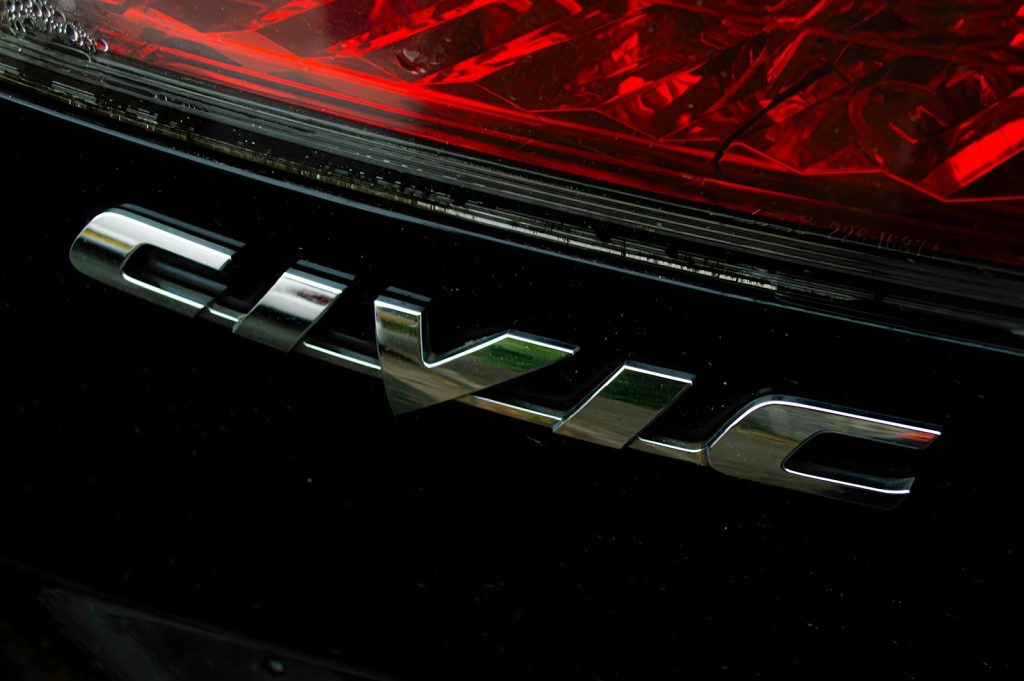
One of the most striking outcomes of Honda’s new philosophy is that the next Civic-based hybrid is expected to feel more visceral than the sleek Honda Prelude coupe that previewed the brand’s future. Early impressions suggest the Civic hybrid’s powertrain sounds more eager and responsive, while the Prelude is tuned to be quieter and more refined. That contrast flips the usual hierarchy, where a coupe concept would be the emotional flagship and a compact sedan or hatchback would play the sensible role.
Reporting on the Prelude’s rollout notes that, in some markets, the 2026 Honda Prelude packs 20 fewer horsepower in the UK than it does in the US and costs $10,000 more to buy, a gap that highlights how regional positioning can reshape the same basic package. Those figures, cited as $10,000 m and $10,000 in coverage of the Honda Prelude, underline how pricing and output are being adjusted alongside sound and character. In that context, giving the Civic hybrid a more expressive voice becomes a way to deliver perceived performance and value even when raw numbers or body style might suggest a more modest car.
Why The Prelude Will Be Quieter
Honda is not simply turning up the volume across the board, it is differentiating models by sound as carefully as by styling. The Prelude is being positioned as a quieter, more mature coupe, with its hybrid powertrain tuned for smoothness rather than drama. That choice reflects a belief that buyers drawn to a sleek two-door may prioritize refinement and long-distance comfort over the kind of rowdy soundtrack that appeals to Civic enthusiasts, even if both cars share similar underlying technology.
Engineer Koji has explained that the team adapted race engine technology into this hybrid engine, but the goal was not just noise, it was to refine how the engine behaves under load and in concert with electric assistance. Koji noted that competitors’ hybrids often sound coarse or disconnected when the engine cuts in, and Honda wanted a more deliberate, cohesive character. Coverage of how Koji and his team tuned the Prelude emphasizes that it will be quieter than the next Civic hybrid on purpose, suggesting that Honda is using sound as a tool to separate personalities within its hybrid lineup rather than chasing a single acoustic ideal.
Race-Inspired Engineering Behind The New Sounds
The promise of better-sounding hybrids is not just about louder exhausts, it is tied to how Honda is rethinking combustion and hybrid integration using lessons from motorsport. Adapting race engine technology into a road-going hybrid means more precise control over valve timing, combustion stability, and how the engine ramps up and down as the electric motor fills in torque. That level of control lets engineers shape not only performance curves but also the rhythm and tone of the powertrain, so the car can sound eager when pushed and calm when cruising.
Koji’s comments about bringing race-derived ideas into this engine for the hybrid underline how seriously Honda is treating the acoustic side of performance. Rather than relying solely on artificial sound through speakers, the company is working on the mechanical and combustion fundamentals that create a satisfying note in the first place. The reporting that quotes Koji also points out that competitors’ hybrids can sound strained when the engine kicks in, which Honda sees as an opportunity to differentiate by making its cars feel and sound more like traditional performance machines even as they rely heavily on electric power.
Inside Honda’s Next-Gen Hybrid Platform
Underpinning these sound-focused models is a new hybrid architecture that gives engineers more flexibility in how they balance power, efficiency, and character. Honda has outlined a Large-size hybrid platform with a six-cylinder engine as part of its next-generation electrification strategy, signaling that hybrids will not be limited to small four-cylinder setups. That broader toolkit allows the company to tailor everything from displacement to exhaust routing to suit different markets and model lines, which in turn affects how each vehicle can be tuned acoustically.
The company has said it is developing a next-generation hybrid system that will roll out in the second half of the 2020s, designed to support a range of body styles and performance levels. Reporting on this plan highlights the Large hybrid platform and six-cylinder engine as key building blocks, suggesting that future Hondas could pair robust performance with carefully tuned soundtracks that vary by region and model. With more powerful engines and more sophisticated hybrid controls, Honda has the hardware it needs to deliver both the quiet refinement of the Prelude and the more extroverted voice promised for the Civic hybrid.
How The Prototype Civic Hybrid Actually Sounds
Early drives of a prototype Civic-based hybrid give a clearer picture of what Honda’s sound strategy looks like in practice. Testers who have ridden in or driven the development car describe an engine note that builds more naturally with revs, with less of the droning or rubber-band effect that has plagued some e-CVT hybrids. The result is a soundtrack that feels closer to a traditional sporty compact, even as the electric motor does much of the work at lower speeds and during gentle acceleration.
One account notes that the sound will reportedly offer a vast improvement over the coupe, with the prototype using the same 2.0-liter engine as the Prelude but tuned to deliver a more assertive character when the driver leans on the throttle. That report on the prototype underscores how much of the difference comes down to calibration rather than hardware alone. By adjusting how the engine and electric motor share duties, and how the exhaust is tuned, Honda can make two hybrids with similar components feel very different from behind the wheel.
Why Hybrids Have Sounded Boring, And What Changes Now
For years, hybrids have carried a reputation for sounding dull, a byproduct of powertrains that prioritize efficiency and seamlessness over drama. Many systems keep the engine at low, steady revs or let it flare in ways that feel disconnected from road speed, which can make even a reasonably quick car feel uninspiring. That has been acceptable for buyers focused purely on fuel economy, but it has limited the appeal of hybrids among enthusiasts who value feedback and character as much as numbers on a spec sheet.
Honda appears determined to change that perception by treating sound as a core part of hybrid development rather than an afterthought. Coverage of the company’s plans notes that Hybrids are not known for sounding the best, often prioritizing everyday usability over excitement, but that the new Civic-based setup sounds much better than the new Prelude in prototype form. Reporting that New Hybrids Will Sound Better Because Americans Like Loud Cars, as highlighted in an analysis of how Hybrids are being retuned, suggests Honda sees an opportunity to win over drivers who might otherwise skip straight from gasoline performance cars to full EVs. By making hybrids more engaging to hear and feel, the company is trying to ensure they remain a compelling middle ground.
What Louder Hybrids Mean For Honda’s Future
Honda’s decision to engineer better-sounding hybrids is about more than pleasing a niche of enthusiasts, it is a strategic move to keep combustion-based products relevant as regulations tighten and electric vehicles expand. By using sound and character to differentiate its hybrids, Honda can offer a more emotional alternative to quiet EVs without abandoning the efficiency gains regulators and buyers expect. That balance could be especially important in the United States, where infrastructure and consumer habits mean hybrids are likely to coexist with EVs for years.
The company’s willingness to build extra loud hybrids just for America, while keeping models like the Prelude quieter and more reserved, shows how flexible its new platforms and calibration strategies have become. Combined with the Large-size hybrid platform and six-cylinder engine in development, and the race-inspired work led by engineers like Koji, Honda is positioning its next generation of hybrids as cars that sound and feel intentional rather than compromised. If the production Civic hybrid delivers on the promise heard in early prototypes and in reports that Americans will get a more expressive exhaust note, it could mark a turning point in how drivers think about hybrids, not as silent appliances but as cars that can still stir the senses.
More from Wilder Media Group: