

Pony cars have long been celebrated for their style and power, capturing the hearts of enthusiasts around the world. Yet, not every model has managed to live up to the lofty expectations set by their iconic predecessors. You might be surprised to learn that some of these designs, despite their promising features, simply didn’t deliver on performance or reliability.
Let’s explore a selection of pony cars that, for various reasons, failed to resonate with drivers the way they were intended. These models represent the hype that sometimes overshadows the reality of automotive performance. Whether it was lackluster engine power or mediocre handling, these cars remind us that looks alone can’t drive the experience.
1974 Pontiac GTO

The 1974 Pontiac GTO represents a significant shift in the muscle car scene. By this time, the GTO had lost much of its original power and charm.
With a V8 engine producing around 200-250 horsepower, it struggled to perform. The 0-60 time was over 10 seconds, which felt sluggish compared to its predecessors.
Additionally, the cost for the GTO option ranged from $414 to $461, depending on the body style. It’s clear that Pontiac was trying to relive past glory, but the reality was a car that many felt didn’t deliver.
1978 Ford Mustang II King Cobra

The 1978 Ford Mustang II King Cobra aimed to revive the Mustang’s performance image. Under the hood, it packed a 302 cubic inch V8 engine that produced 139 horsepower.
Compared to earlier Mustangs, it didn’t impress with its performance, especially against the classic muscle cars. Still, it offered a peppy drive for its time, especially compared to many four-cylinder options available.
You’ll find the Mustang II King Cobra is significant in the hot rodding community, as its front suspension helped shape many street rods. It may not have lived up to the hype, but it left a mark in automotive history.
1974 Ford Gran Torino
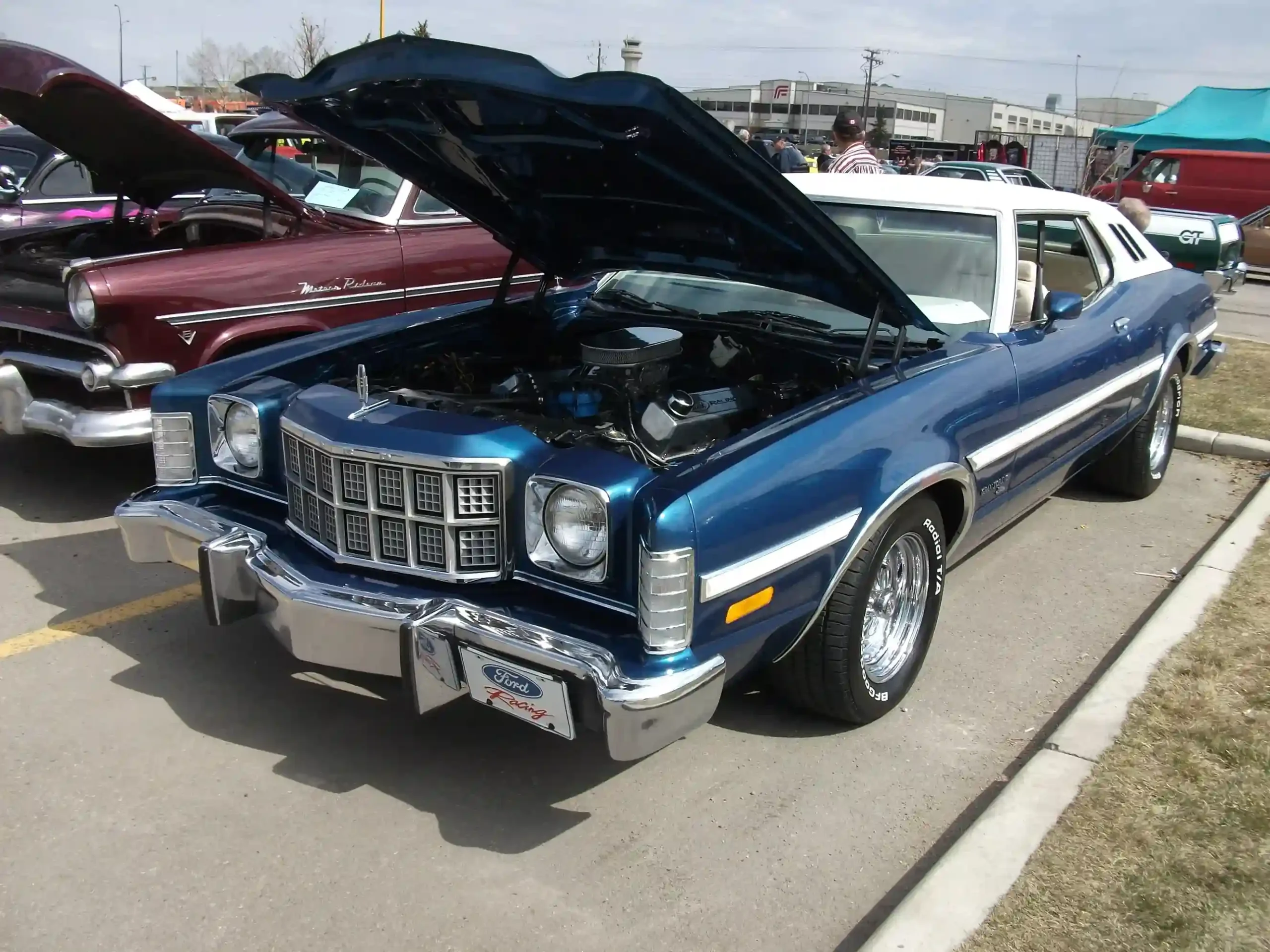
The 1974 Ford Gran Torino is often seen as a missed opportunity in the muscle car segment. With a hefty weight of around 3,400 pounds, it struggled to keep up with its predecessors.
The power came from a 5.8-liter V8 engine, producing about 180 horsepower. This was a letdown compared to earlier models, as emissions regulations started to take their toll.
Many fans remember the Gran Torino for its appearance in the TV show “Starsky & Hutch,” but enthusiasts agree it never truly fulfilled the hype surrounding it. It’s a classic example of how shifting market demands can change the fate of a car.
1976 Dodge Charger SE
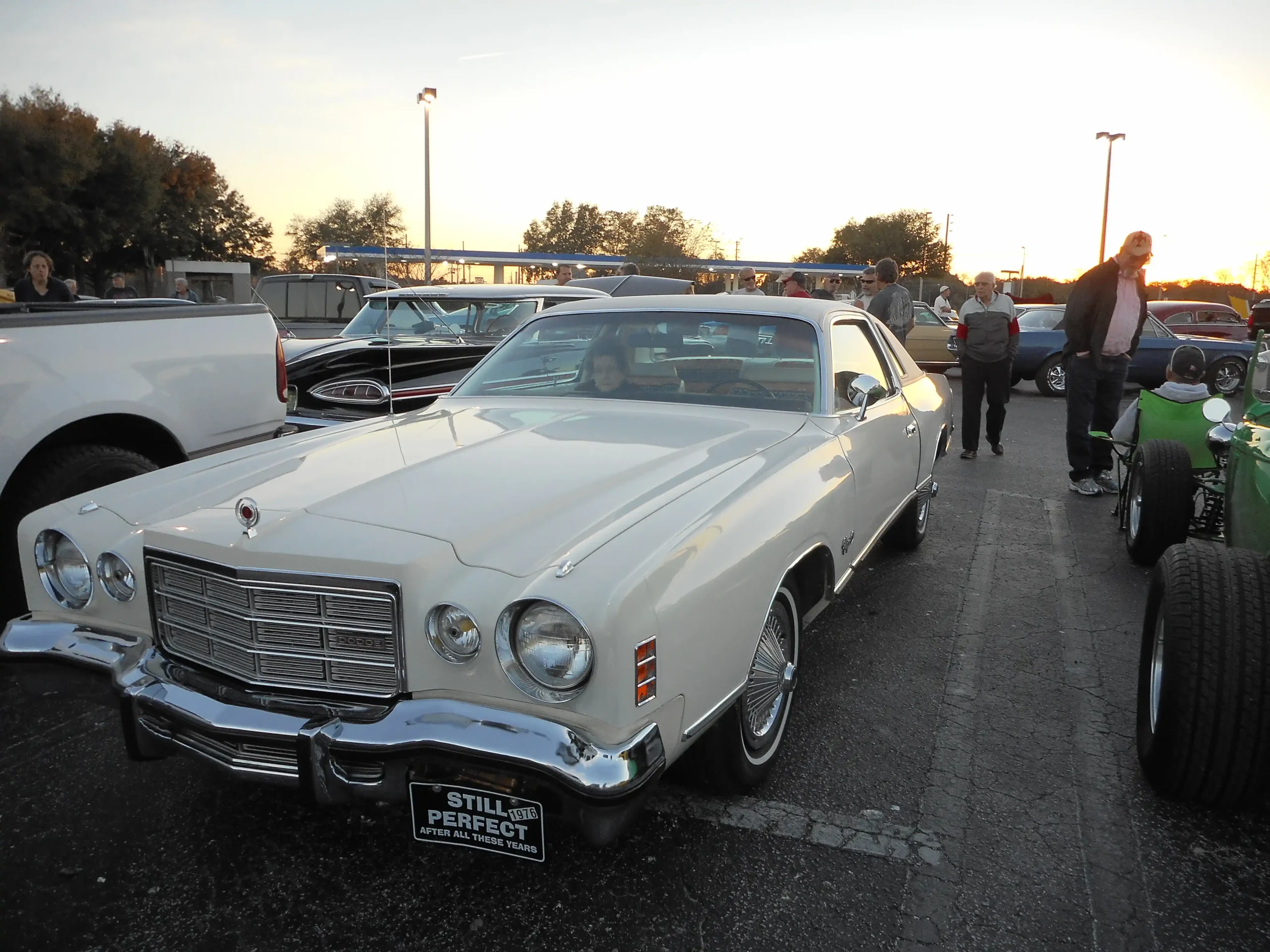
The 1976 Dodge Charger SE represents a shift in design and purpose for the Charger line. This model marked a departure from its muscle car roots, leaning more towards a luxurious coupe aesthetic.
With a length of 216 inches and a width of 76.3 inches, it definitely made a statement on the road. Under the hood, you could find a 5.2-liter V8 engine, but it lacked the performance punch earlier models offered.
Many enthusiasts felt the Charger SE was more of a Cordoba in disguise. It had a Broughamed-out appeal, catering to a different crowd than the original Charger fans. Overall, it remains a curious chapter in the Charger legacy.
1975 Chevrolet Camaro V8
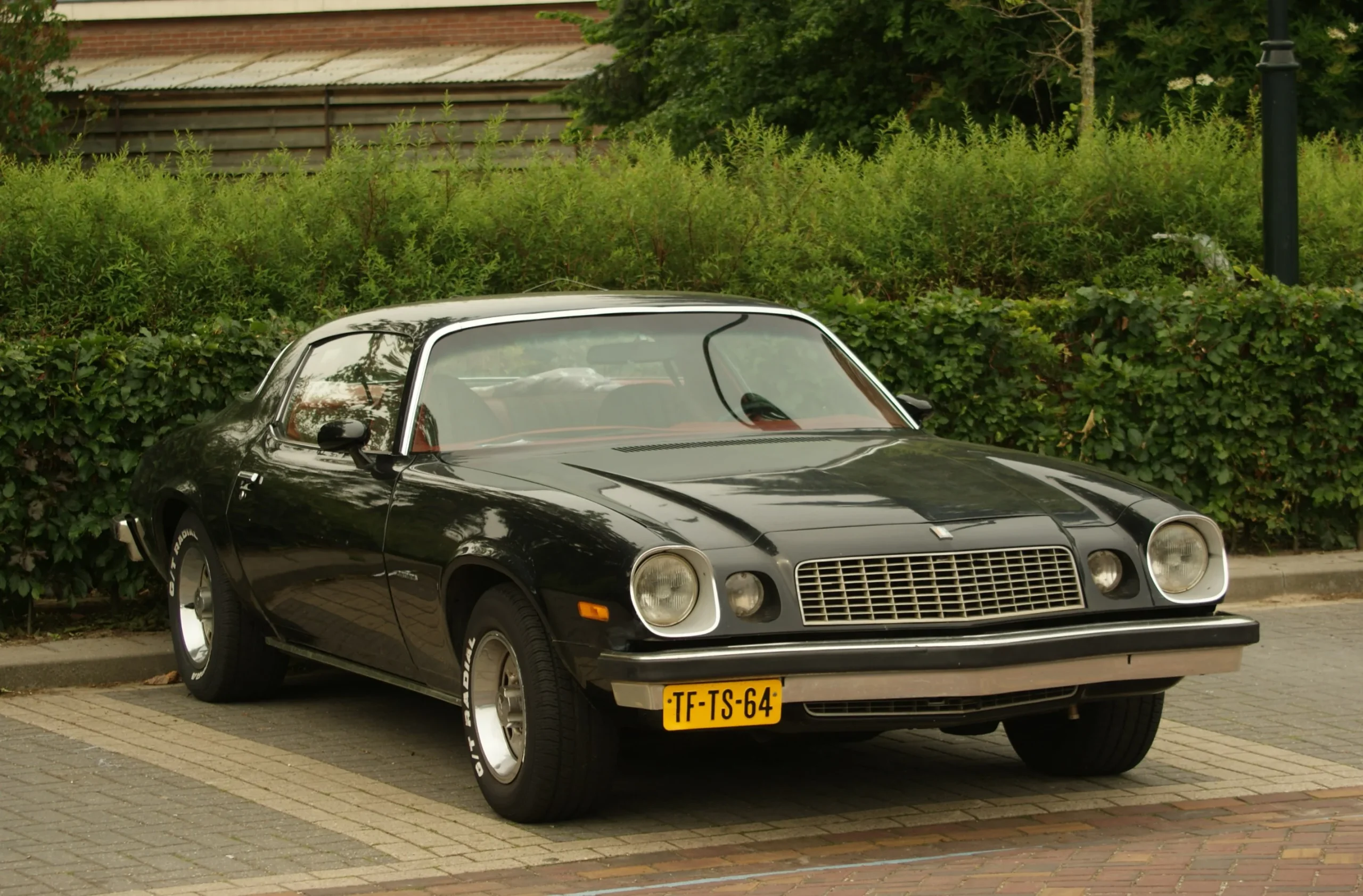
The 1975 Chevrolet Camaro V8 was a car caught in a tough era. With a focus on fuel economy, it featured a 350 cubic inch V8 engine that produced around 145 horsepower.
You could choose between a manual or automatic transmission, making it versatile for different drivers.
Weighing about 3,200 pounds, it wasn’t the speed demon of the previous years but offered a solid performance for daily driving.
While it came with style, the Camaro struggled to excite fans like its predecessors. Its design was a nod to the classic muscle car look, but some felt it didn’t meet the hype.
1979 Pontiac Firebird Trans Am
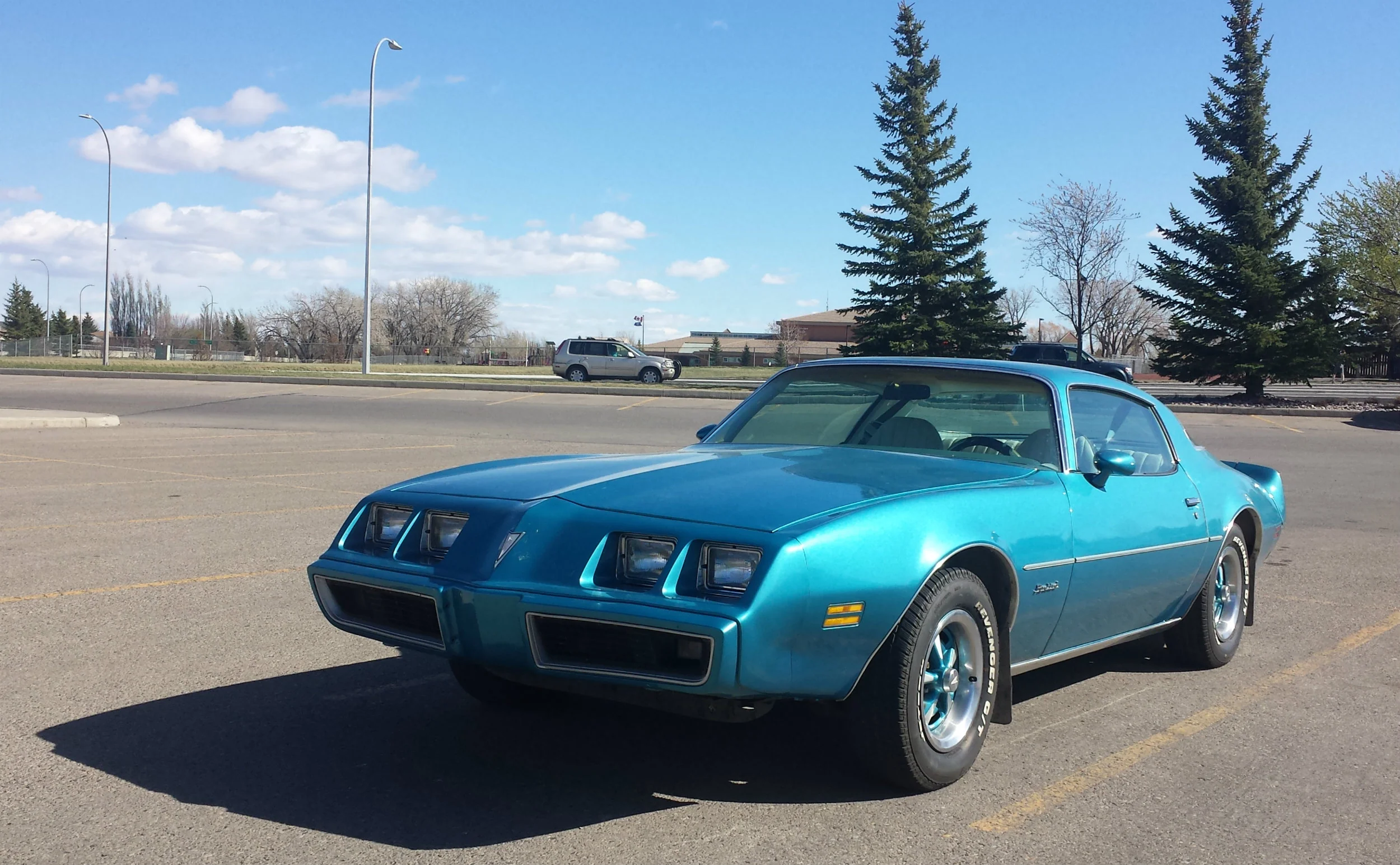
The 1979 Pontiac Firebird Trans Am is a classic that many enthusiasts remember. It packed a 6.6-liter V8 engine, offering 210 hp. Despite this power rating, its performance didn’t quite match expectations.
The design was iconic, featuring the famous “screaming chicken” graphic. Still, some critics noted that the handling left something to be desired. Many hoped for a more dynamic driving experience, but the reality was a bit underwhelming.
While it remains a beloved model, its reputation didn’t fully live up to the hype. The allure of the Trans Am continues to attract car lovers even today.
1985 Chevrolet Camaro Z28
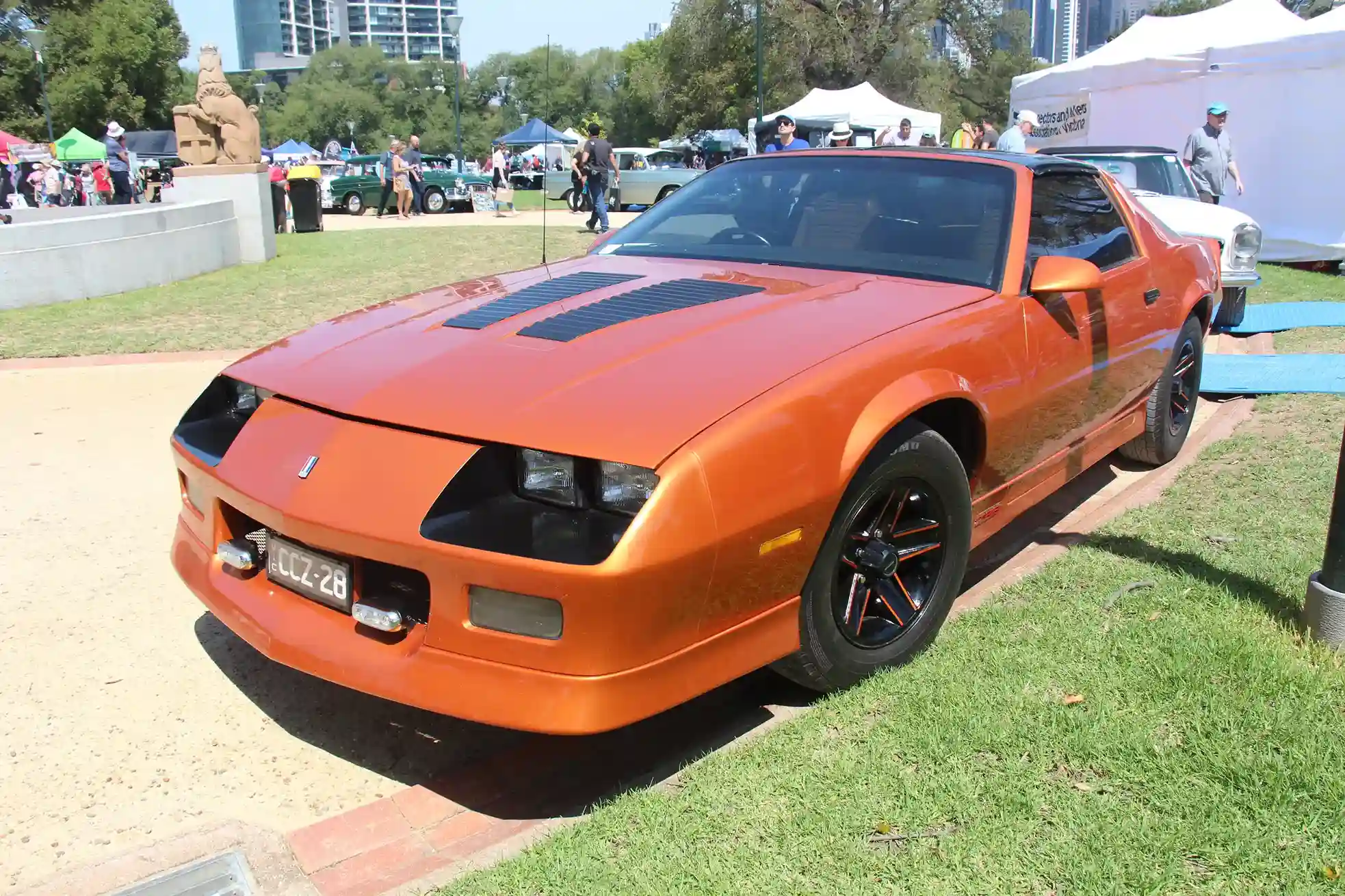
The 1985 Chevrolet Camaro Z28 is a car that many enthusiasts admire. With its sporty design and performance features, it aimed to capture the spirit of the ’80s.
Under the hood, you had options like a 5.0-liter V8 engine, producing around 190 horsepower. Although it was competitive at the time, it couldn’t shake off the stigma of being a slightly underwhelming performer when compared to earlier muscle cars.
Its handling was decent, thanks to lightweight construction, but many felt it just didn’t live up to the hype surrounding its iconic predecessors. While collectors appreciate the Z28’s place in history, it remains a car that some think didn’t quite meet expectations.
1978 Oldsmobile 4-4-2
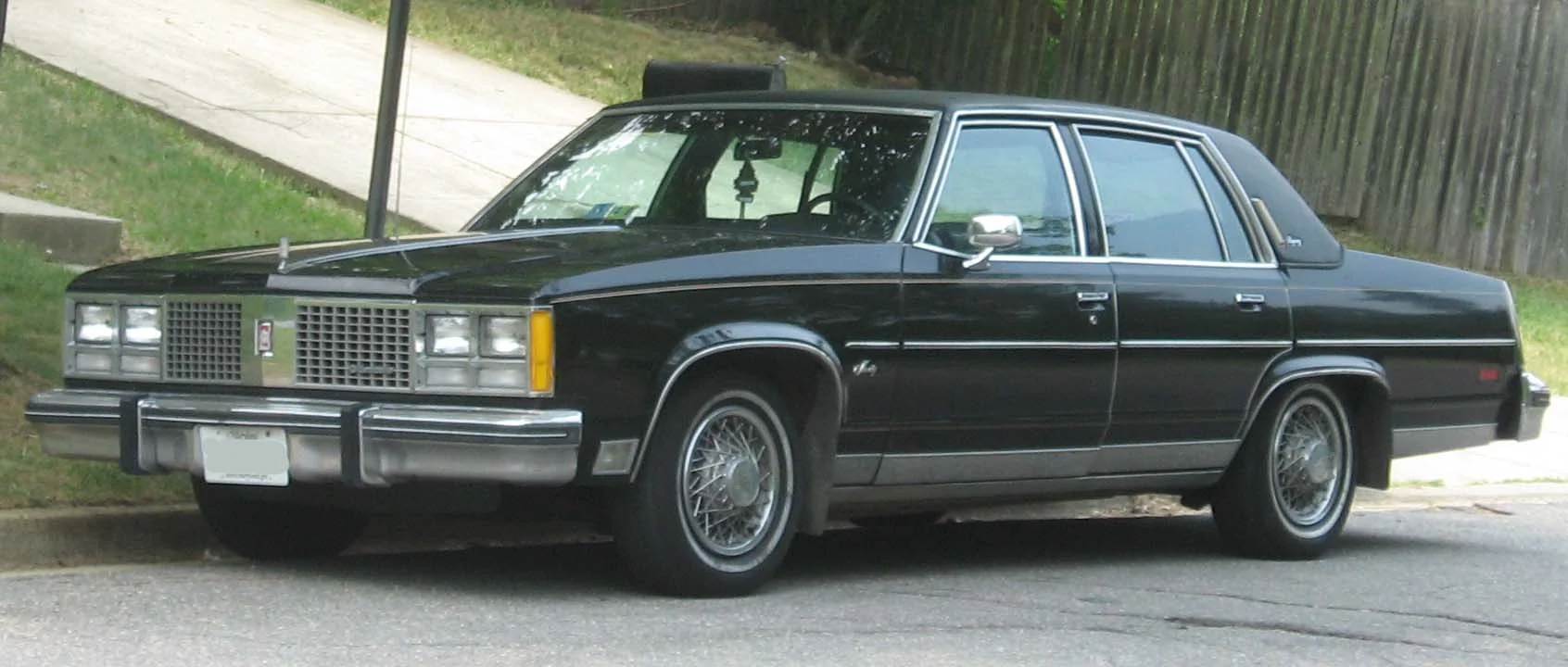
The 1978 Oldsmobile 4-4-2 aimed to capture the muscle car spirit but fell short for many enthusiasts. Weighing around 3,200 pounds, it featured a 350 cubic inch V8 engine producing about 180 horsepower.
While it had a stylish design, many felt it lacked the performance of its predecessors.
This model was part of a shift towards more fuel-efficient vehicles, which diluted its muscle car identity. With only 6,163 units sold, it didn’t quite match the hype surrounding earlier models.
If you’re looking for classic charm, the 4-4-2 has its appeal, but don’t expect high-performance thrills.
1969 AMC Javelin
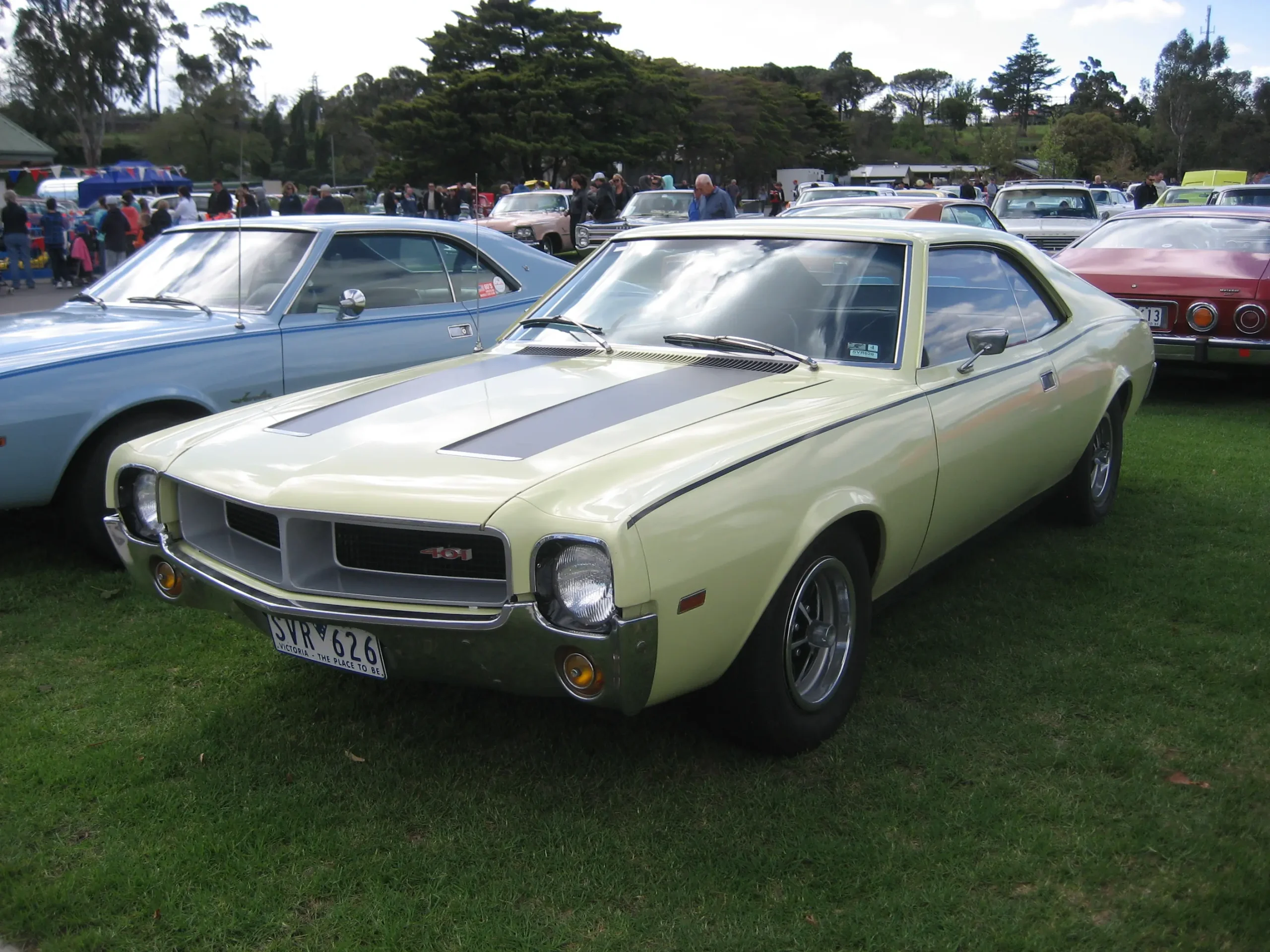
The 1969 AMC Javelin was AMC’s first entry into the pony car market. It aimed to compete with heavyweights like the Ford Mustang and Chevrolet Camaro.
With a starting price around $2,800, it featured a stylish design and a range of engine options, including a 290 cubic inch V8. You could also opt for a 390 cubic inch engine for more power.
Despite its solid performance, the Javelin didn’t quite capture the market’s attention like its rivals. It had some fans, but ultimately, it remained less popular, making it a unique find today.
1974 Dodge Dart Sport
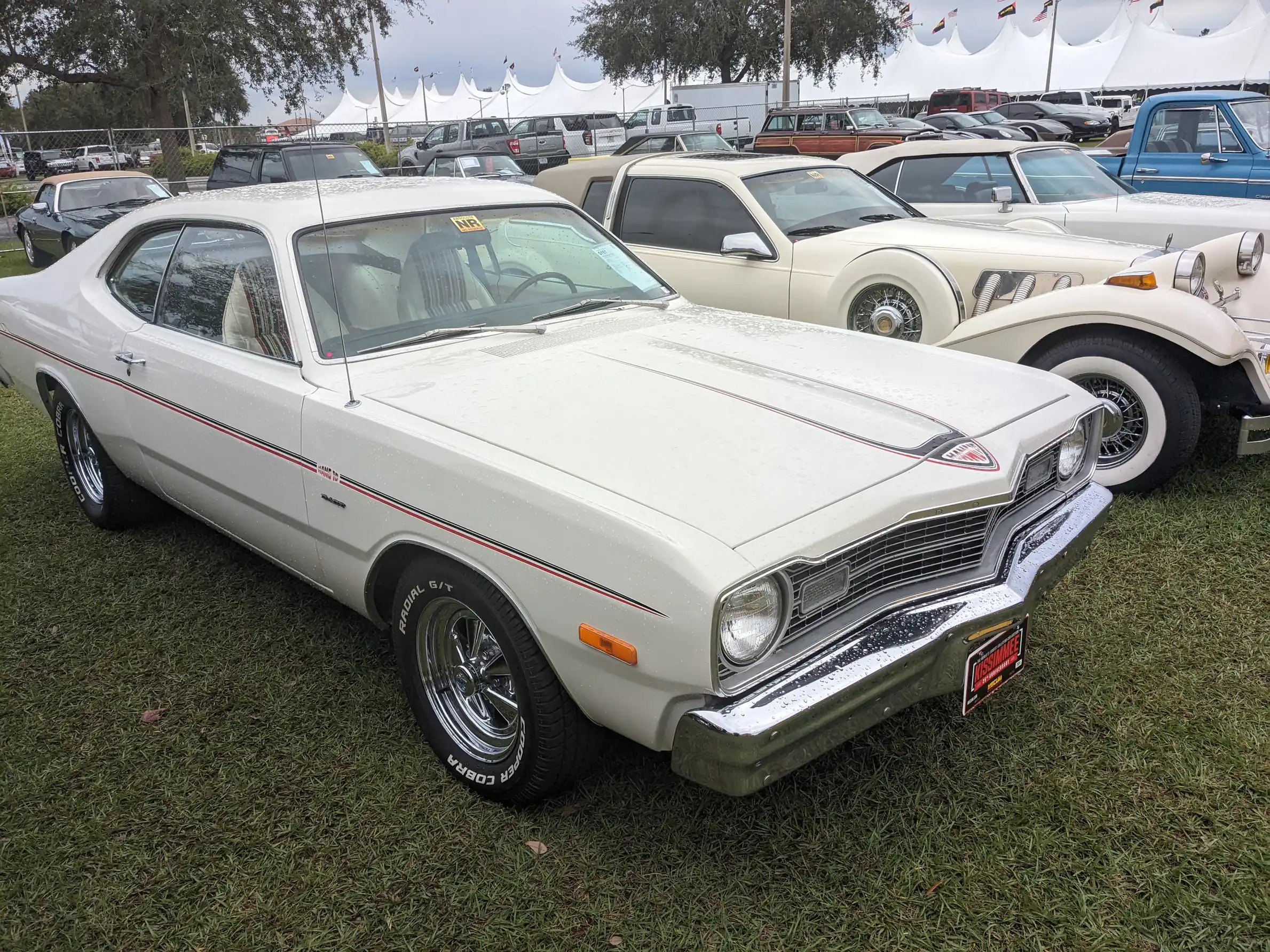
The 1974 Dodge Dart Sport aimed to capture the muscle car vibe while being a compact option. It packed a punch with a powerful V8 engine, offering up to 400 horsepower in some builds.
With its lightweight frame, the Dart Sport was well-suited for spirited driving. Its bold styling and performance options, including a Hurst-operated 4-speed, made it appealing.
However, its performance didn’t quite match the hype of other pony cars from the era. While it had its fans, it often slipped under the radar compared to its more famous counterparts.
1969 Mercury Cougar
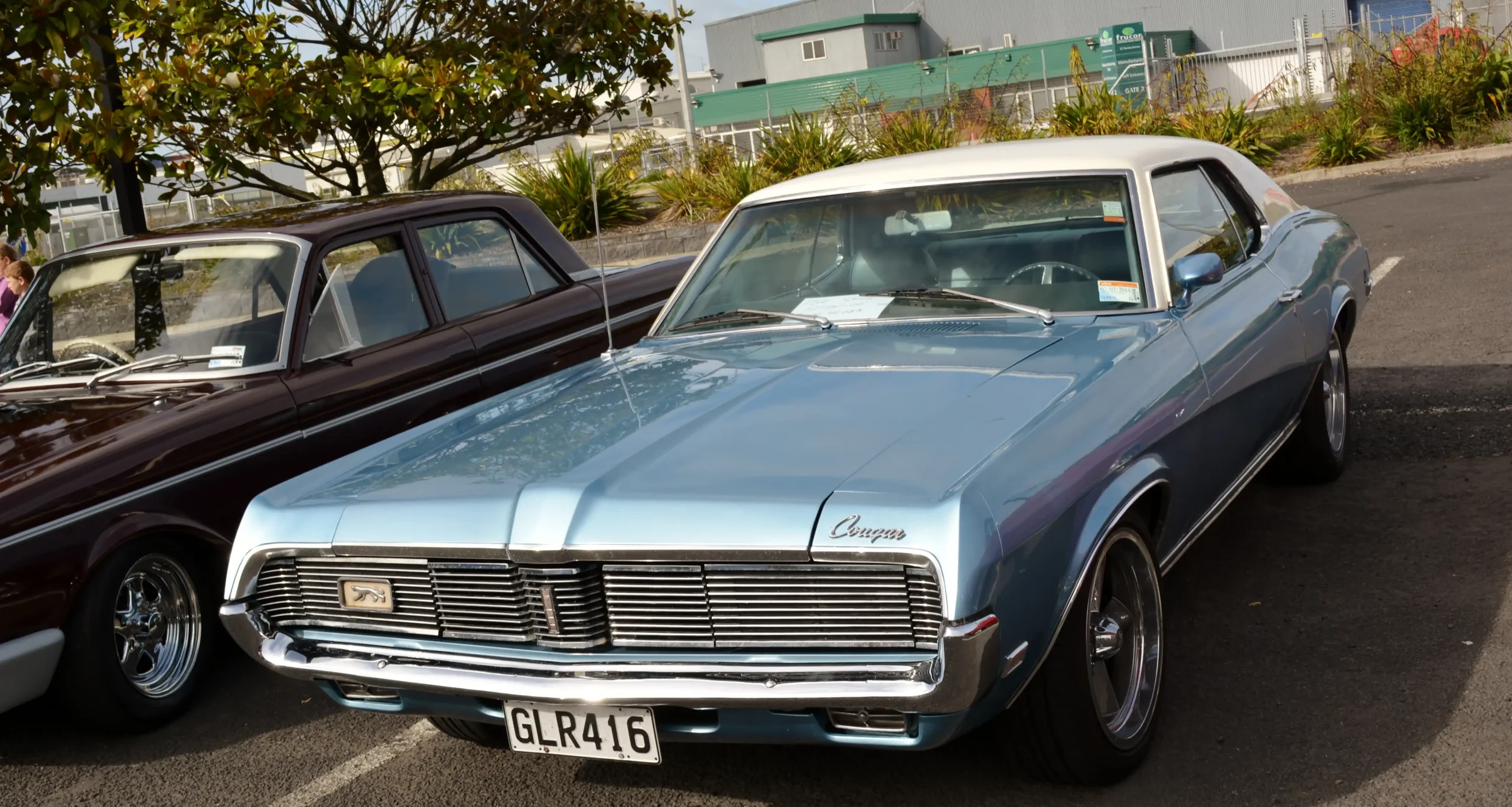
The 1969 Mercury Cougar stands as a stylish entry in the pony car scene. With a base price of $3,365, it was a more luxurious alternative to the Mustang.
You could choose from various engines, including the 351 cubic inch V8, offering solid performance. About 5,796 Cougar convertibles were sold that year, making them somewhat rare today.
Its blend of Thunderbird luxury and Mustang agility aimed to capture your attention. Yet, it often gets overshadowed by its more famous sibling, the Mustang. Despite its capabilities, the Cougar didn’t achieve the iconic status many expected.
1977 Mercury Capri II
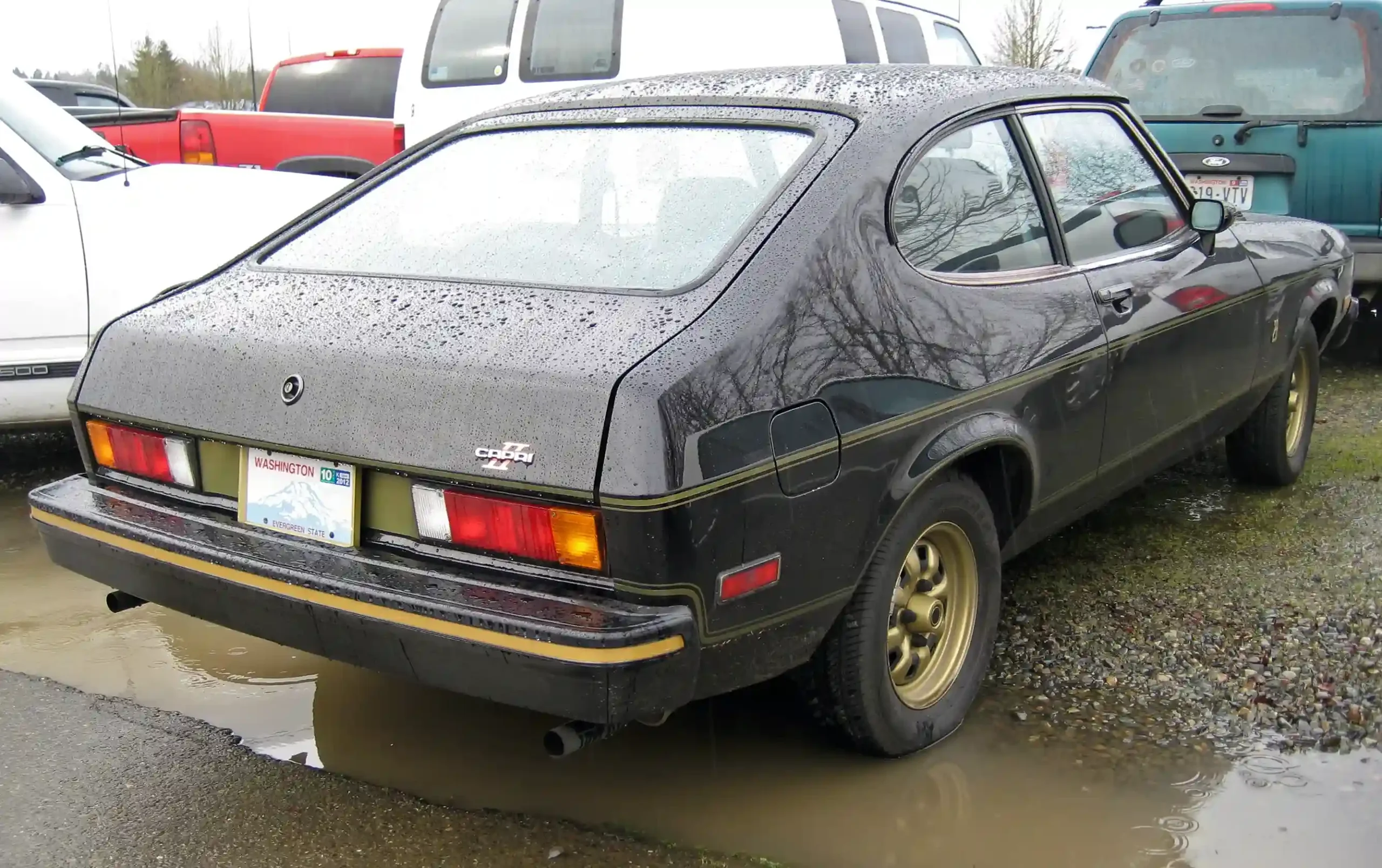
The 1977 Mercury Capri II aimed to impress as a stylish sports coupe. It featured a design that was sleek but not particularly powerful under the hood.
You had options for engines, including a 2.8-liter V6 producing about 105 horsepower. It struggled to compete with stronger competitors and didn’t quite deliver the exhilarating performance many expected.
While it had some charm, the Capri II left many enthusiasts wanting more. It was a decent car but didn’t quite live up to the hype of its muscle car predecessors.
1976 Plymouth Volaré Road Runner

The 1976 Plymouth Volaré Road Runner had a mixed reputation. While it aimed to bring muscle car vibes, it didn’t quite deliver like its predecessors.
Equipped with a 318 cubic inch V8, it produced around 108 horsepower. The car came with a four-speed manual transmission and a 2.94 gear ratio.
With a quarter-mile time of about 12 seconds for some modified versions, it had a few fans. Still, many collectors saw it as a letdown in the pony car world. The Volaré really struggled to capture the excitement that earlier muscle cars had.
1973 AMC Hornet Hatchback
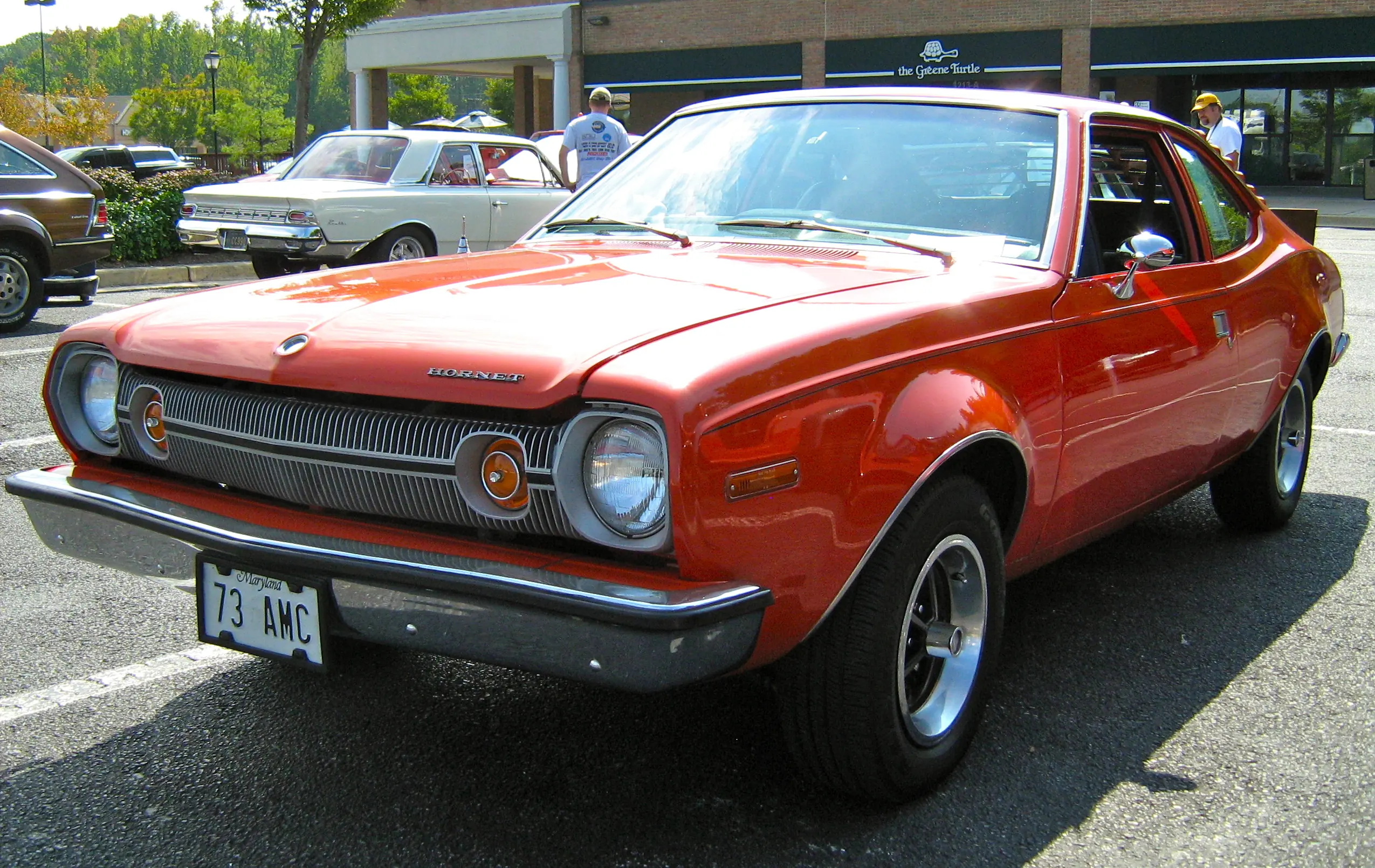
The 1973 AMC Hornet Hatchback aimed to be a sporty option but missed the mark for many drivers. It featured a 3.8-liter inline-six engine producing around 110 horsepower, which didn’t quite deliver the performance enthusiasts expected.
You might have found the soft suspension and drum brakes disappointing, especially if you were looking for something more thrilling.
While it had a unique design, the Hornet’s rear headroom was compromised by the fastback shape. Many felt it lacked the excitement that came with other pony cars of its era.
1974 Chevrolet Nova SS
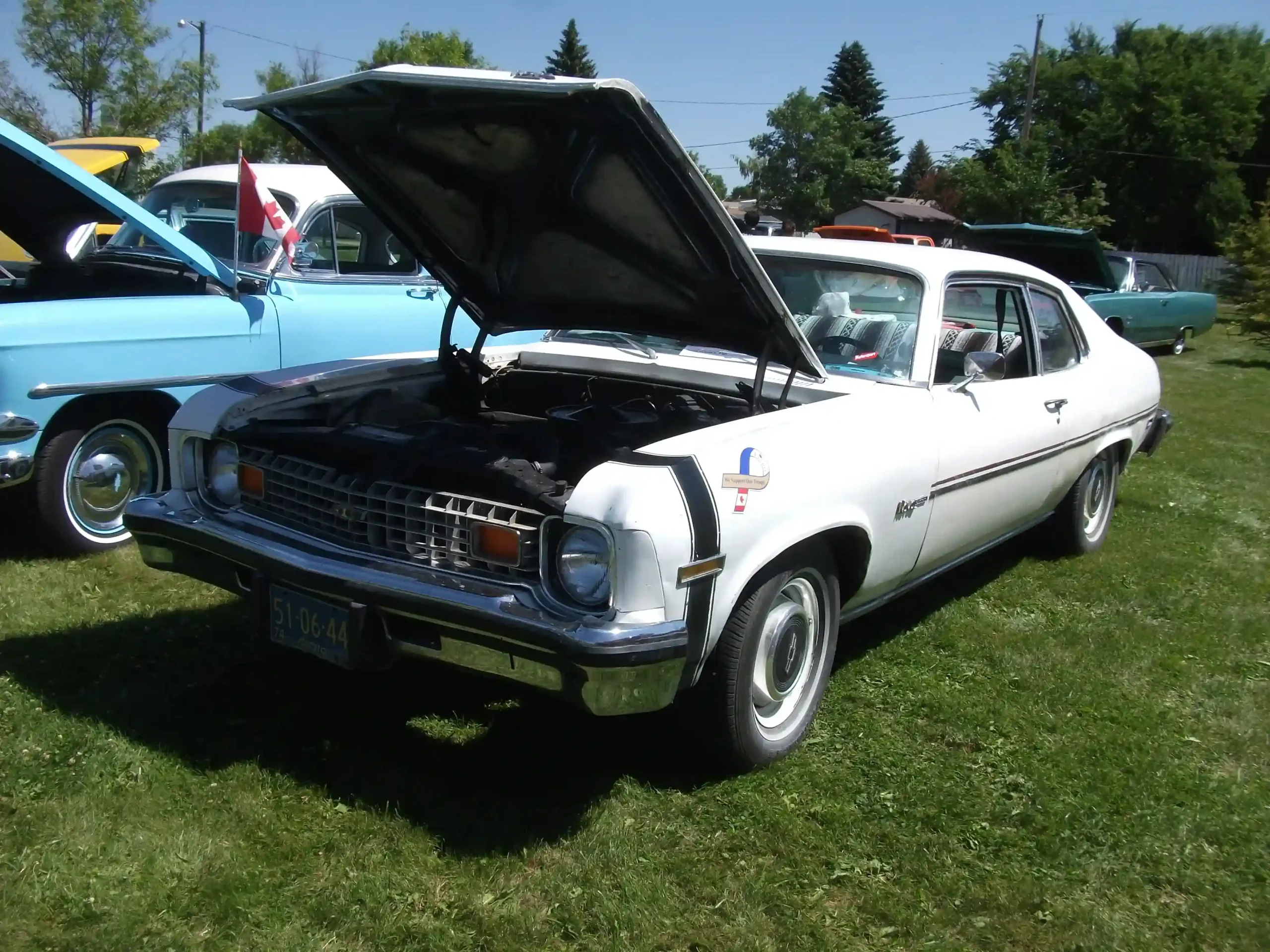
The 1974 Chevrolet Nova SS was part of a lineup that aimed to capture the muscle car market. With a 5.7-liter V8 engine, it produced about 245 horsepower.
Despite this power, the car’s performance didn’t quite match up to the expectations set by earlier muscle cars.
The front-end styling was more subdued compared to previous models, which turned off some enthusiasts looking for that classic muscle look.
Still, if you’re into classic cars, it’s a notable find that many consider worth restoring for its nostalgic value. You might spot this model in car shows, where it gets some appreciation from fans of the era.