
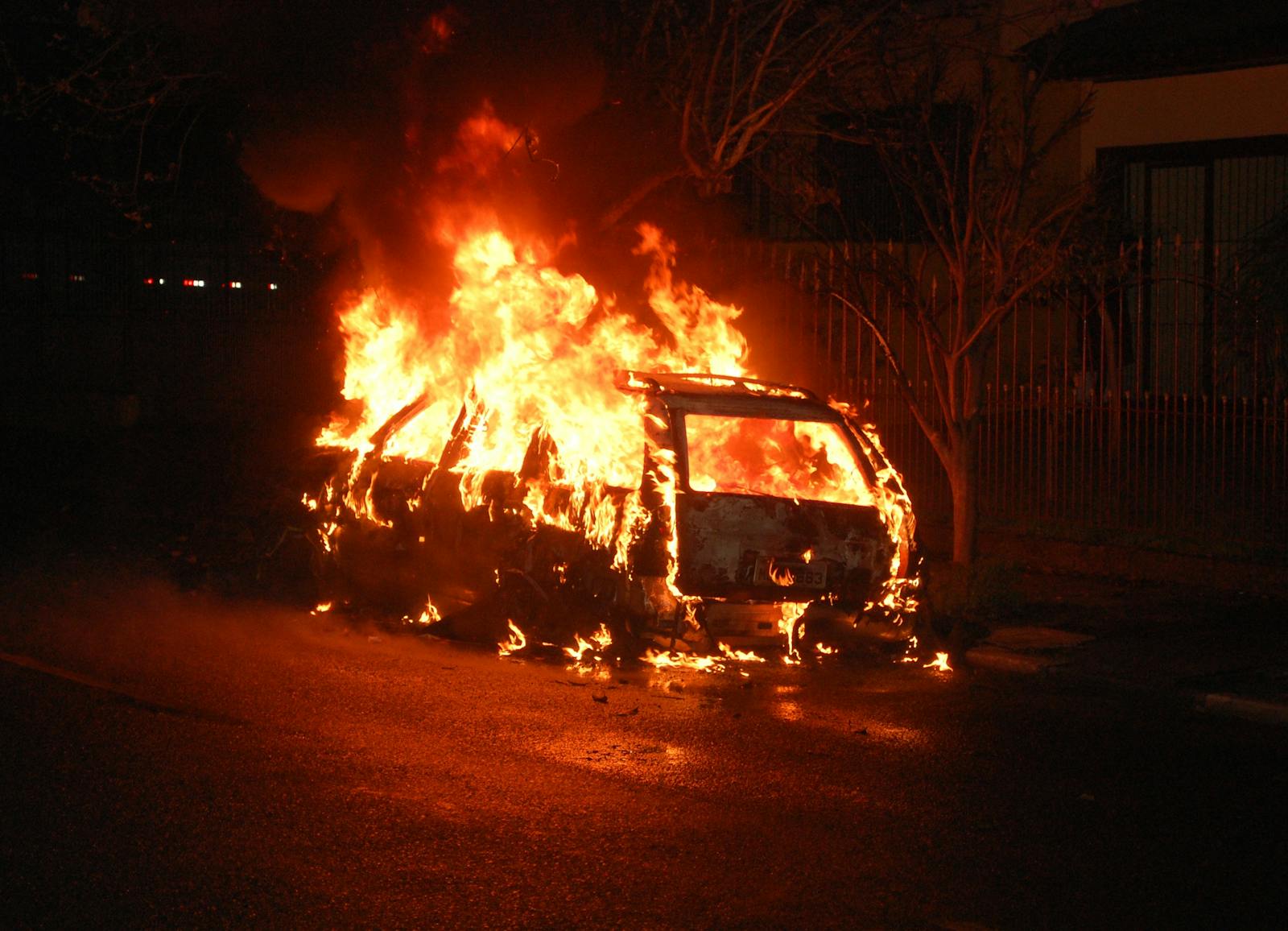

A quiet holiday morning in West Fargo turned dangerous when a man walked into his garage and found his Hyundai on fire. The incident, which unfolded the day after Christmas, ended without injuries but left the owner stunned to learn his vehicle had been under recall for a fire risk he never knew about. His experience highlights how a single missed notice can turn a routine commute car into a hazard parked just a few feet from a family’s home.
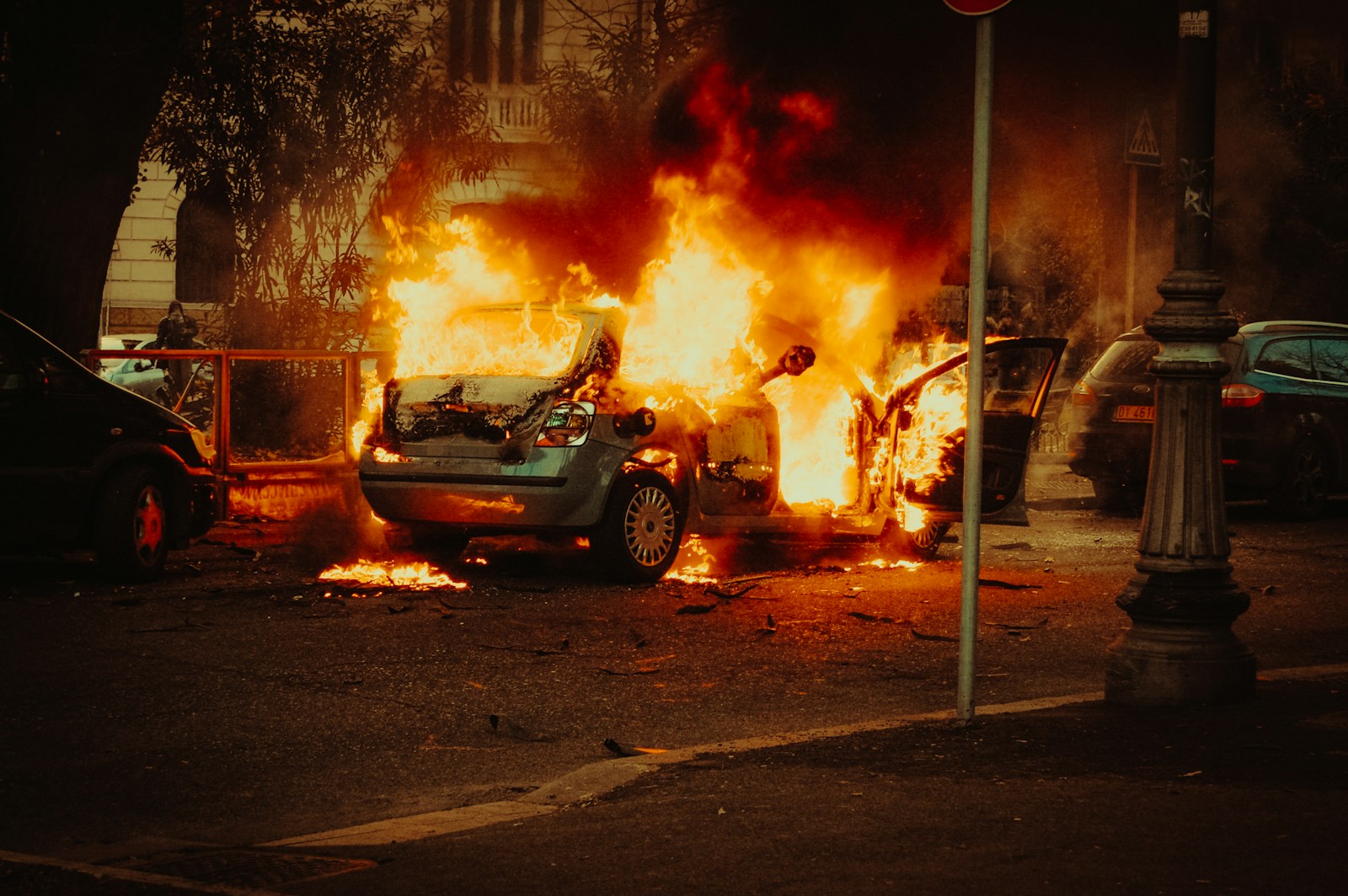
As investigators and the owner piece together what happened, the story has become a case study in how recall systems work in practice, and where they fall short. It also raises broader questions about how many other drivers might be living with similar risks, especially as Hyundai and related brands confront a long trail of fire-related recalls across their lineups.
From quiet morning to garage emergency
In West Fargo, the day after Christmas started like any other for local resident Jeff Ebsch, until he opened the door to his garage around 5:30 in the morning and saw flames. His Hyundai, parked inside the attached garage, was burning, filling the enclosed space with smoke and threatening to spread to the rest of the house. The timing, just hours after Christmas, underscored how quickly a normal holiday can pivot into a crisis when a vehicle fire erupts in a confined space.
Ebsch’s first priority was getting the situation under control before it endangered his family or neighbors. The fire was contained to the garage, but the damage to the Hyundai was severe enough that the vehicle was effectively destroyed. Local coverage from FARGO detailed how he had simply walked into the garage expecting a routine start to the workday, only to find his car engulfed and his home at risk, a jarring contrast to the calm that usually follows Christmas.
Discovering the recall after the flames
Only after the fire did Ebsch learn that his Hyundai had been subject to a recall tied to a risk of vehicle fires. The discovery came as he began asking questions about how a parked car could ignite in his own garage, and he eventually traced the issue back to a recall notice that had been issued months earlier. For him, the most unsettling part was not just that the defect existed, but that he had been driving and parking the vehicle at home without any idea that a known fire hazard was associated with it.
Reporting on the incident noted that the recall affecting his Hyundai had been issued in March 2023, long before the day-after-Christmas fire in West Fargo. Yet Ebsch said he never received a letter or direct outreach about the problem, and only learned of the recall after his car was already a burned shell. The gap between the recall’s timing and his awareness of it has become central to his frustration, as he questions how a safety campaign can be considered effective if the owner of a high-risk vehicle never hears about it until after a fire.
What the West Fargo case reveals about recall notifications
The West Fargo fire has drawn attention to how recall notifications are actually delivered to drivers, and why some owners never see them. In Ebsch’s case, he said he did not receive any mail, email, or phone call warning that his Hyundai could catch fire even when parked. That absence of communication left him relying on the assumption that no news meant his car was safe, an assumption that proved dangerously wrong once flames erupted in his garage.
One key issue is that dealerships are not always required to proactively track down every current owner of a recalled vehicle, especially when cars change hands through private sales or moves. As one local report on the West Fargo incident noted, since dealerships are not required to notify every subsequent owner, a recall that was issued in March 2023 can still leave people like Ebsch in the dark if contact information is outdated or incomplete, a gap that became painfully clear only after his Hyundai burned inside his garage.
Hyundai’s broader fire-risk problem
The fire in West Fargo did not occur in isolation, but against a backdrop of widespread fire-related recalls involving Hyundai and its affiliated brands. Over the past several years, millions of Hyundai, Kia, and Genesis vehicles have been identified as having an increased risk of catching fire, sometimes even when parked and turned off. These recalls have covered a range of components, from engine defects to electrical shorts, and have affected owners across the country who suddenly had to weigh whether their daily driver might also be a fire hazard.
Consumer advocates have pointed out that the number of vehicles involved in these campaigns represents only a portion of the total cars on the road that could be at risk. One detailed analysis noted that the official recall counts reflect just a portion of the millions of Hyundai, Kia, and Genesis vehicles that face an elevated chance of fire, with some defects linked to brake fluid leaks, faulty anti-lock braking modules, or other components that can overheat and ignite. The West Fargo case, in which a Hyundai caught fire while parked in a garage, fits into that larger pattern of vehicles that can burn even when they are not being driven.
Why some Hyundai and Kia models keep getting recalled
Experts who track automotive safety say the repeated fire-related recalls involving Hyundai and Kia point to systemic issues in design, manufacturing, or quality control. In many cases, the underlying problems involve components that handle high electrical loads or flammable fluids, such as engine oil and brake fluid, that can leak onto hot surfaces. When those parts fail, the result can be a slow-building hazard that eventually leads to smoke or flames, sometimes long after the car has been parked in a garage or driveway.
One investigation into these patterns emphasized that the official recall numbers, while large, still capture only part of the risk, because they focus on specific model years and defect codes rather than the full universe of similar designs. The report explained that the millions of Hyundai, Kia, and Genesis vehicles already recalled for fire risk represent only a subset of the total fleet that may be vulnerable to the same types of failures that can cause the vehicles to catch fire, a context that makes the West Fargo fire feel less like an isolated fluke and more like another data point in a long-running safety challenge.
How owners can verify recalls on their own
The experience of a West Fargo driver learning about a recall only after his Hyundai burned has renewed calls for owners to take a more active role in checking their vehicles’ status. Rather than waiting for a letter that might never arrive, drivers can use online tools to look up open recalls by entering their Vehicle Identification Number, or VIN, into official databases. That extra step can reveal safety campaigns that were launched months earlier, including those tied to fire risks in parked vehicles.
Hyundai itself advises customers to start with a simple process it describes as “Verify and Check Car Recall,” which means using the company’s website or a trusted portal to confirm whether a specific VIN is affected. Guidance from one dealership explains that owners should first verify and check car recall information using the VIN, then contact a service department to schedule any needed repairs at no cost. For someone like Ebsch, who only learned of the recall after his car was destroyed, that kind of proactive check might have made the difference between a routine service visit and a fire in his garage.
What to do if your Hyundai is under recall
When a Hyundai owner discovers that a vehicle is under recall, especially for a fire risk, the next steps should be deliberate and swift. Safety experts recommend avoiding parking the car in an attached garage or near structures until the repair is completed, particularly if the recall notice warns of fires that can occur while the vehicle is parked. Owners should contact a dealer as soon as possible to confirm the details of the recall, ask whether parts are available, and schedule a repair appointment.
Hyundai’s own recall guidance outlines a two-step approach: first, verify and check car recall status using the VIN, and second, work directly with a service center to complete the fix. One official advisory explains that after owners verify and check car recall information, they should arrange for the repair, which is typically performed free of charge and may include software updates, component replacements, or inspections designed to eliminate the risk. For those who, like the West Fargo driver, park their vehicles in enclosed spaces, acting quickly on a recall can be critical to preventing a similar fire.
Gaps in communication and responsibility
The West Fargo incident has also sparked debate about where responsibility lies when a recalled vehicle catches fire before the owner ever hears about the defect. Automakers are required to notify registered owners, but that process depends heavily on accurate mailing addresses and state registration records that may lag behind real-world changes. When a car is sold privately, moves across state lines, or is registered under a different name, recall notices can easily end up at the wrong address or never be sent at all.
In the case of the Hyundai that burned in West Fargo, the owner’s claim that he never received a recall notice raises questions about whether the notification system is robust enough for high-stakes defects like fire risks. Since dealerships are not required to track down every subsequent owner after a recall is issued, a campaign launched in March 2023 can still leave later drivers unaware of the danger. That structural gap means that even when automakers follow the letter of the law, some owners may still be left with vehicles that can ignite in their garages without warning.
Lessons for drivers after the West Fargo fire
For drivers across the country, the story of a Hyundai catching fire in a West Fargo garage the day after Christmas is a stark reminder that safety does not end when a car leaves the lot. Even a vehicle that has been reliable for years can be subject to a recall that fundamentally changes the risk calculus, especially when the defect involves components that can cause a fire while the car is parked. The fact that Jeff Ebsch only learned of the recall after his Hyundai burned shows how dangerous it can be to assume that no news means no problems.
The broader pattern of fire-related recalls involving Hyundai, Kia, and Genesis underscores the need for owners to build recall checks into their routine, just like oil changes or tire rotations. By periodically running a VIN through official databases, following Hyundai’s verify and check car recall guidance, and taking recall letters seriously when they arrive, drivers can reduce the odds of waking up to smoke in the garage. The West Fargo fire may have started as one man’s early-morning shock, but the lessons it offers about vigilance, communication, and corporate responsibility reach far beyond a single burned Hyundai.
More from Wilder Media Group: