

Pony cars have always been a thrilling segment in the automotive world, capturing the hearts of many enthusiasts. While some have become legends, others never quite hit the mark, leaving fans wondering what went wrong. In this article, you’ll discover 15 pony cars that had the potential for greatness but ultimately flopped in the market.
From unique designs to powerful engines, each of these vehicles had something special to offer. Unfortunately, various factors led to their lack of success, whether it was timing, market demand, or even just bad luck. Buckle up as we take a look at these intriguing failures in the pony car category.
Chevy SS
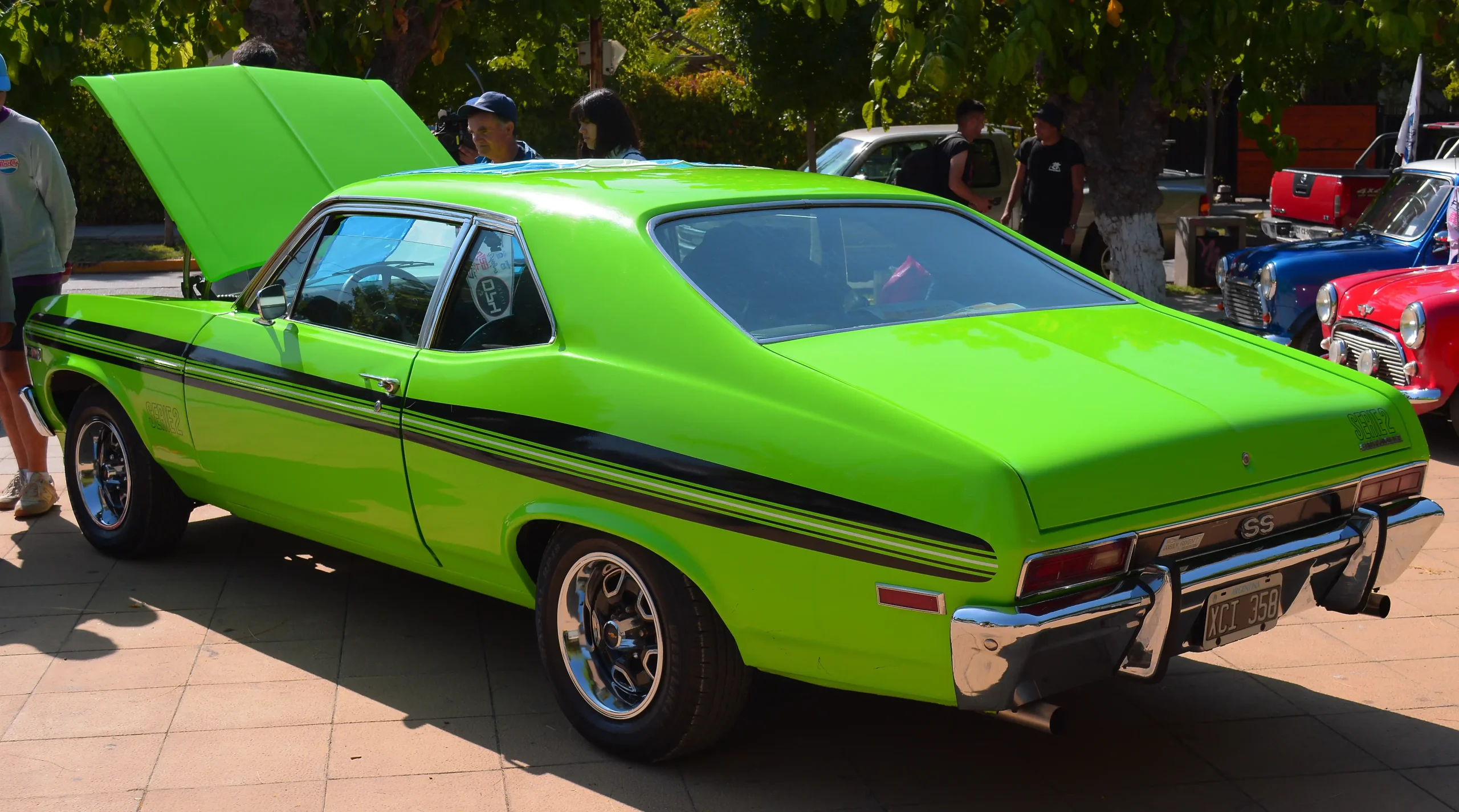
The Chevy SS was meant to be a performance powerhouse. Released in 2014, it packed a 6.2-liter V8 engine that churned out 415 horsepower.
Despite this, marketing efforts were nearly nonexistent. You might remember that GM had a sales goal of just 2,000 to 3,000 units a year.
In the end, many enthusiasts felt it deserved more attention than it got. Its lack of visibility led to disappointing sales, with fewer than 15,000 units sold during its production run until 2017.
Pontiac G8

The Pontiac G8 was introduced in 2008 as a rear-wheel-drive sedan that aimed to spice up the Pontiac lineup. With a V6 and an optional V8 engine, it offered decent performance.
Despite its potential, the G8 struggled to gain traction in the market, leading to a shorter production run. Only about 27,000 units were sold before Pontiac was discontinued in 2010.
Today, the G8 is remembered for its strong performance but remained a hidden gem in a crowded market. Collectors now seek out low-mileage models, making it a unique find for enthusiasts.
Mid-2000s Pontiac GTO
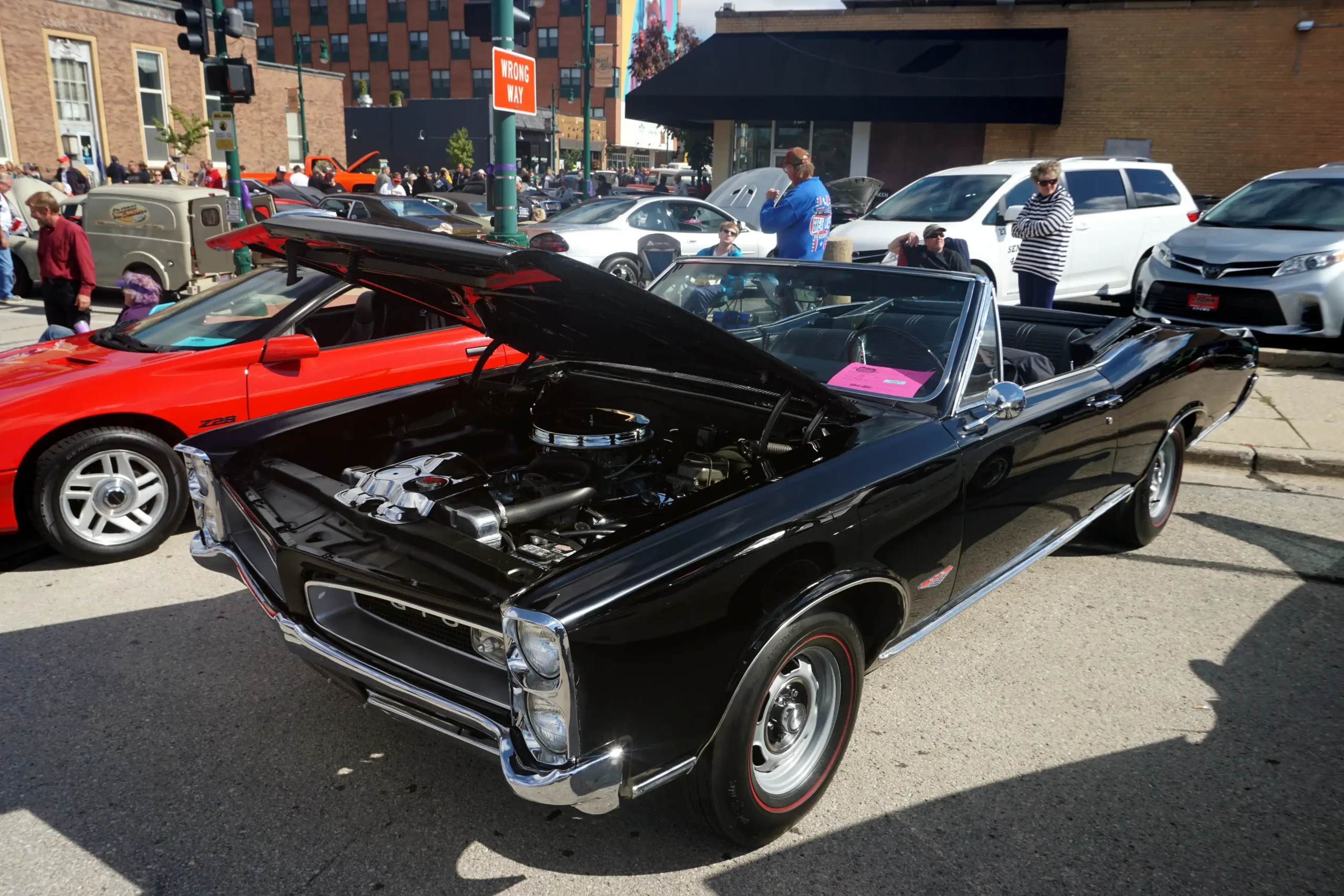
The mid-2000s Pontiac GTO attempted to revive a classic name but fell short for several reasons. Introduced in 2004, it was a rebadged Holden Monaro from Australia, which meant it lacked the original’s charm.
You’d expect a muscle car to be affordable, but the GTO started around $33,000. This price didn’t attract many buyers looking for a solid performance vehicle. Plus, the design didn’t appeal to traditional muscle car enthusiasts, leading to poor sales.
In its three years, Pontiac sold only about 40,000 units. Despite its powerful 6.0-liter V8 engine, the GTO is often seen as a missed opportunity in Pontiac’s history.
1970 Dodge Challenger

The 1970 Dodge Challenger is often remembered for its bold design and muscle car appeal. It offered various models, including the R/T and SE, but struggled in sales against rivals like the Mustang and Camaro.
While you could snag powerful engines, like the iconic Hemi or 440 Six Pack, the Challenger fell short in production numbers. Only about 165,000 units were sold during its production run.
Collectors now value pristine 1970 Challengers significantly, with prices ranging from $50,000 to $150,000 depending on condition and rarity. This model holds a special place in muscle car history despite its sales challenges.
AMC AMX (1972)
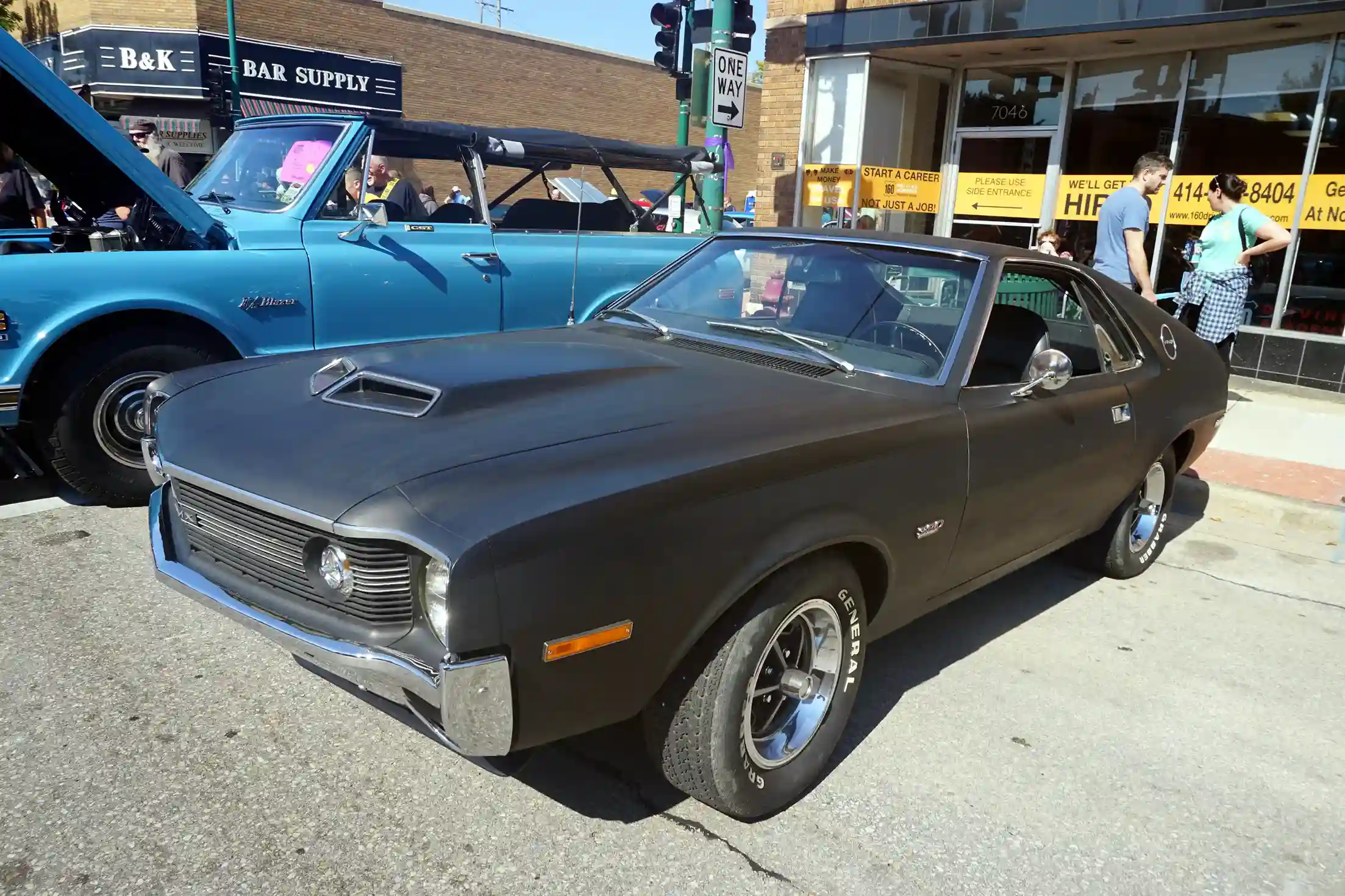
The 1972 AMC AMX was a unique entry in the pony car segment. With a V8 engine option pushing out around 360 horsepower, it offered impressive performance for its time.
Despite its high specs, sales struggled, partly due to rising fuel prices and shifting consumer preferences. Only about 1,200 units were produced that year, making it quite rare today.
You might appreciate its distinct style, but the AMX never gained the traction it deserved. It remains a fascinating piece of automotive history, showcasing AMC’s ambition in a competitive market.
Plymouth Barracuda (1971)
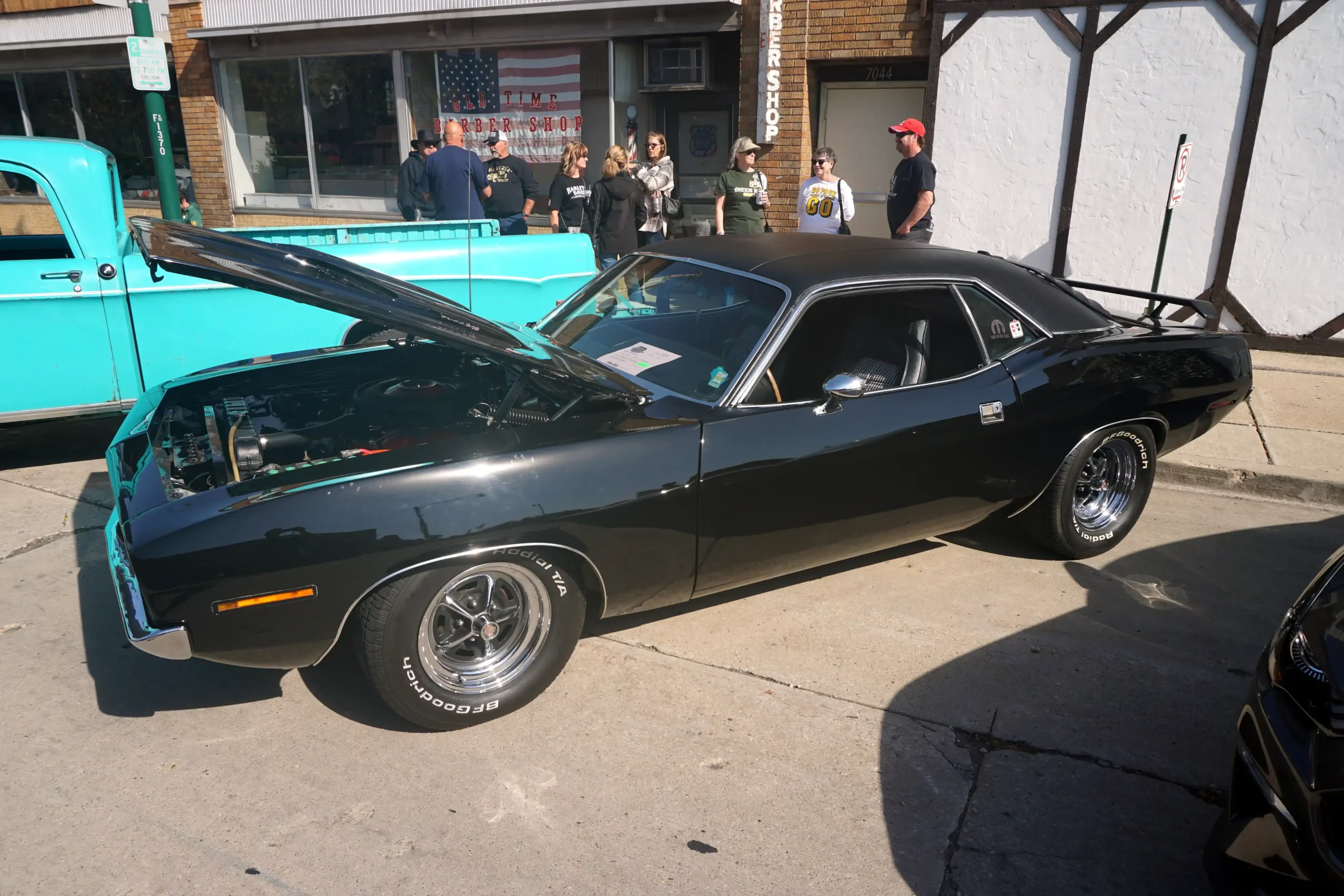
The 1971 Plymouth Barracuda faced tough competition in the muscle car market. Sales dropped significantly, with only about 7,000 units sold that year.
This decrease was partly due to changing consumer preferences and new emissions regulations.
The Barracuda also lost some of its performance edge, as engines became less powerful. The base model came with a 225 cubic inch slant-six.
With increasingly stricter regulations and rising insurance costs, the Barracuda struggled to find its footing. It ultimately marked the beginning of the end for this iconic pony car.
AMC Javelin (1968–1974)

The AMC Javelin was introduced in 1968 as a competitor in the pony car market. With its sleek design and commendable performance, it aimed to attract a younger audience.
The Javelin won the Trans-Am race series in 1971, 1972, and 1976, showcasing its capabilities on the track.
Despite its appeal, the Javelin struggled in sales compared to other pony cars like the Mustang and Camaro.
American Motors priced it competitively, but it never seemed to capture the market’s imagination fully.
By 1974, the Javelin faded from the spotlight, marking the end of its production run.
Chevrolet Camaro (1978–2002)
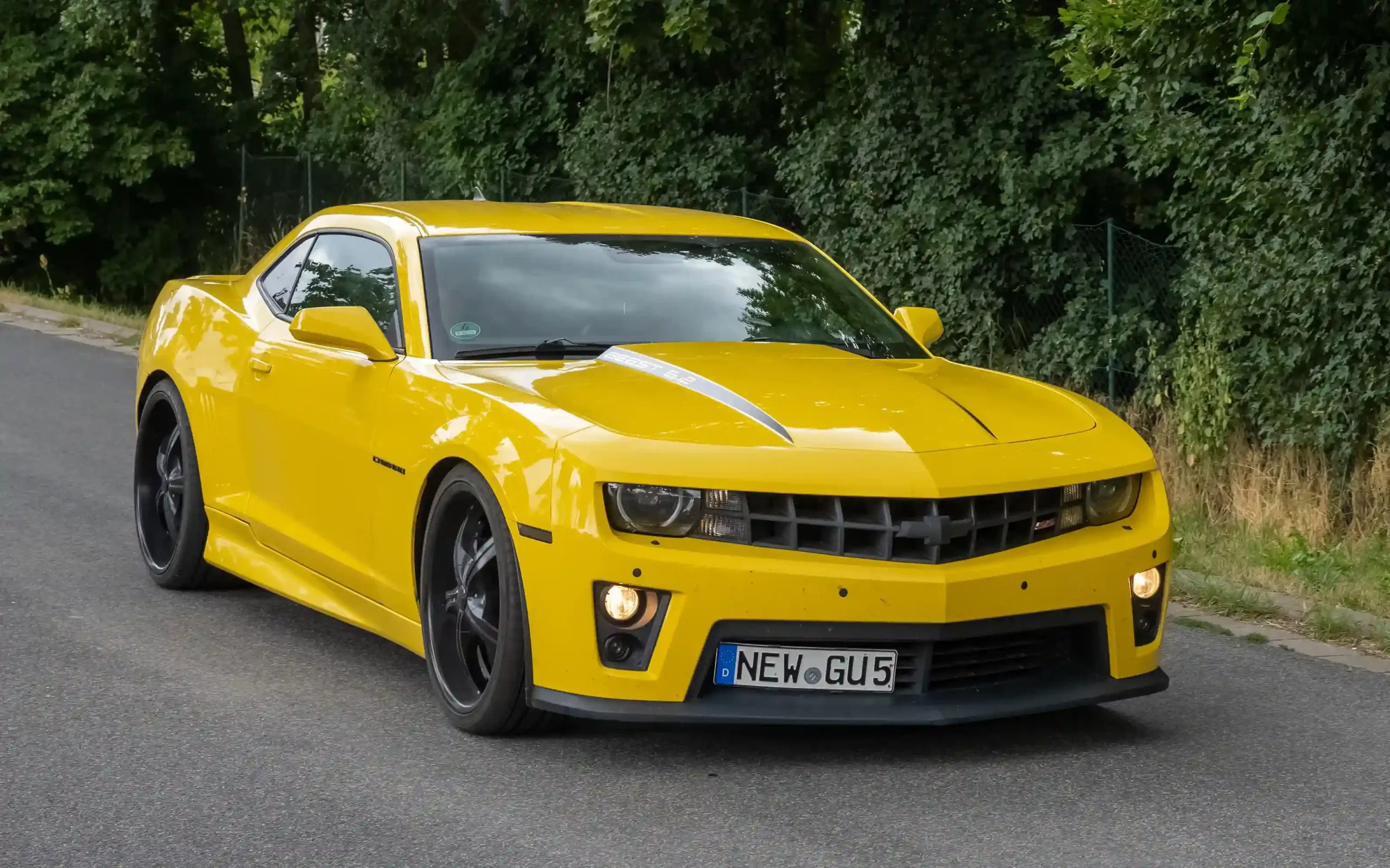
The Chevrolet Camaro from 1978 to 2002 faced some tough times. Initially, the late ’70s models struggled with fuel economy and performance due to stricter emissions regulations.
By the mid-’80s, the Camaro saw a revival, but the fourth generation (1993-2002) often disappointed purists looking for raw muscle. Instead, you got more of a blend with modern features.
Sales fluctuated significantly, particularly in the late ’90s, when the Camaro was overshadowed by competing models. The final year of production in 2002 marked the end of an era before its revival in 2010.
1970 AAR Plymouth ‘Cuda
The 1970 AAR Plymouth ‘Cuda is a unique muscle car with a short production run. Only 2,724 units were made, making it a rare find today.
Powered by a 340 cubic inch V8 engine, it generated 290 horsepower. This car was designed for the SCCA Trans Am racing series, which adds to its appeal.
With its distinctive high-impact colors like Limelight, it stands out on the road. While it had the performance to match its looks, it didn’t sell as well as expected.
Today, it’s a beloved collector’s item, though many drivers missed the chance to own one back in the day.
Mercury Capri
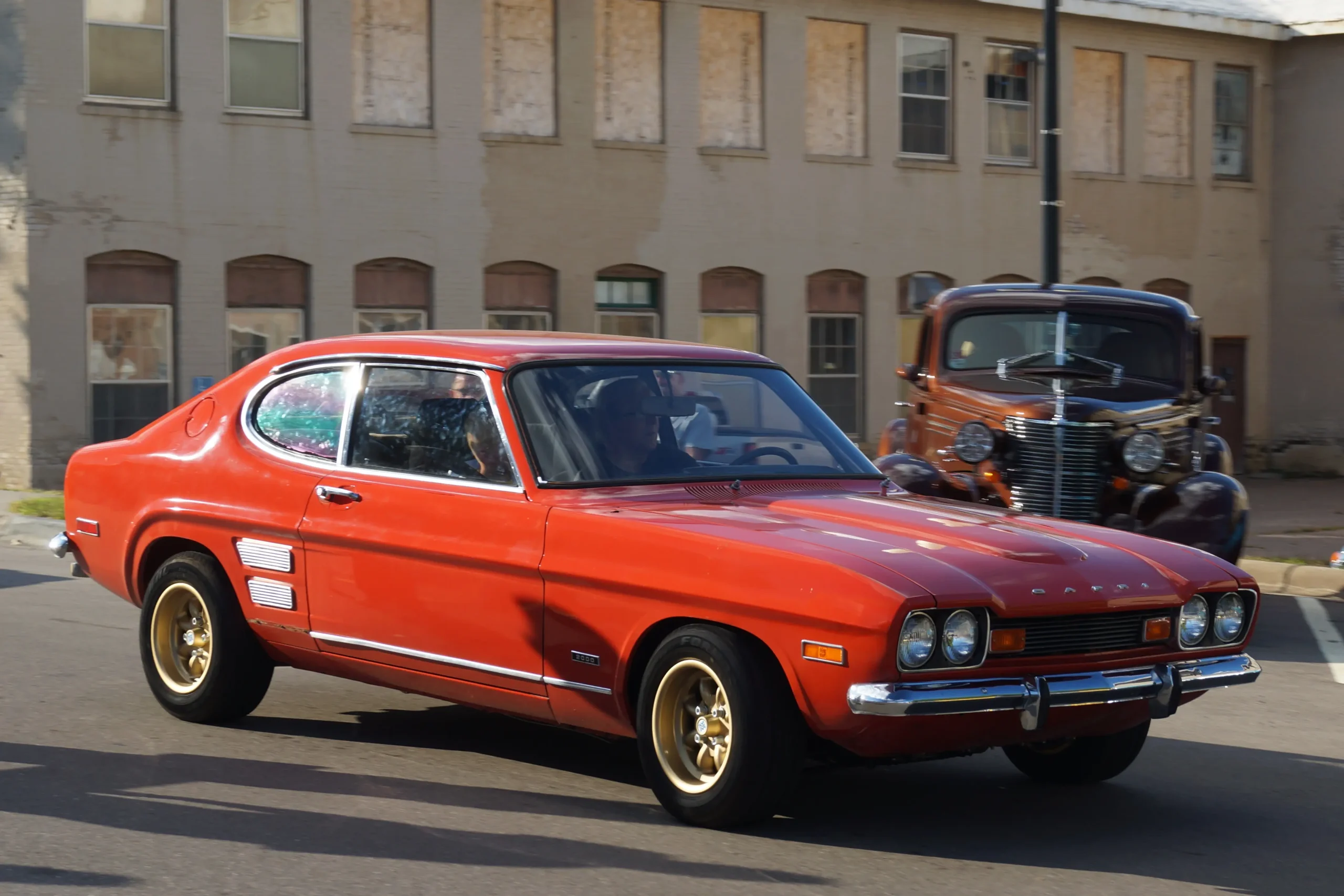
The Mercury Capri was introduced in 1970 as a sporty variant of the Ford model. It aimed to capture the pony car craze but struggled to make its mark.
In the early 1980s, the Capri RS Turbo made waves with its 2.3-liter turbocharged engine, producing 145 horsepower. However, it faced tough competition from more established brands and ultimately fell short in sales.
Capri’s unreliable parts, like inconsistent wiper motors, also contributed to its decline. During its run, around 100,000 units were sold, but it couldn’t compete with the Mustang or Camaro.
Simca 1000
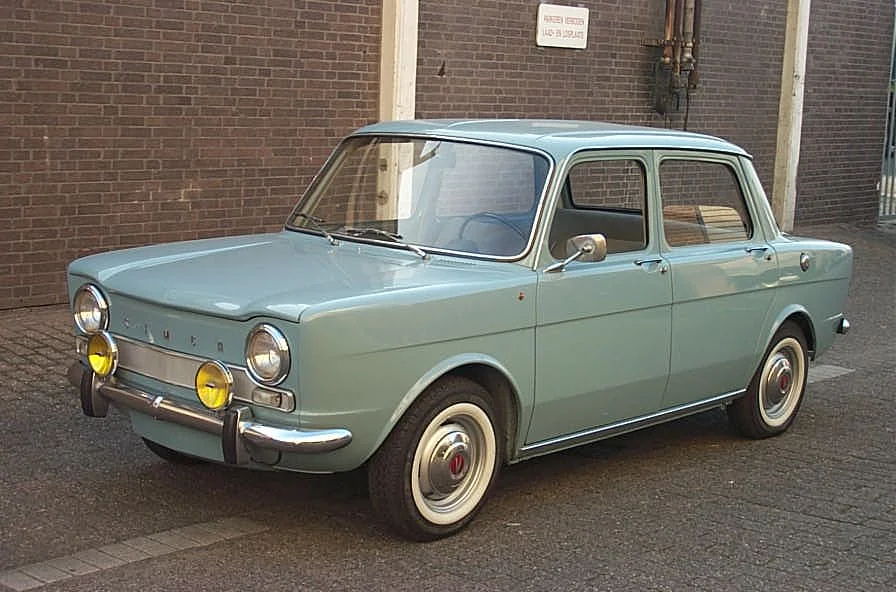
The Simca 1000 is a fascinating piece of automotive history. Introduced in 1961, this rear-engine car was a departure from the classic design you’d expect at the time. It produced around 45 horsepower from its 1.0-liter engine, offering a touch of fun for urban driving.
You might find it interesting that the 1000 was designed to compete directly in the compact market, alongside rivals like the Renault 8. Despite its quirky charm, it struggled to capture the attention of North American buyers, leading to its limited success in the region.
Its production lasted until 1978, but you rarely see it on the road today. The Simca 1000 is a reminder of how not all cars make a lasting impact.
Hillman Avenger
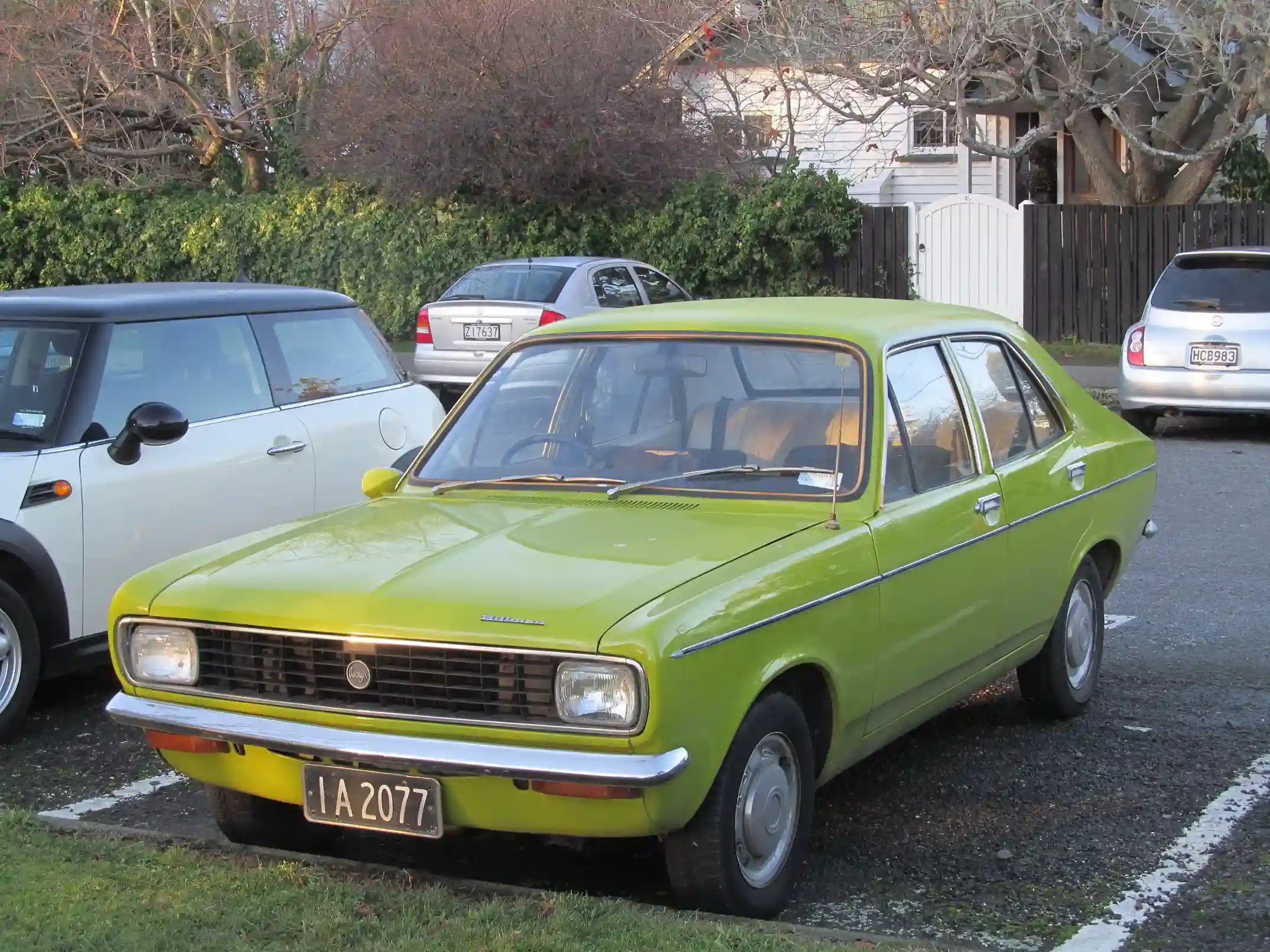
You might not know much about the Hillman Avenger, but it was aimed at capturing the hearts of car lovers in the 1970s. This five-passenger, front-engine, rear-drive subcompact was produced by the Rootes Group in the UK.
Despite its potential, the Avenger struggled to compete against more popular models. It sold approximately 1.3 million units in its lifetime, yet failed to make a lasting impact.
Its quirky design and features didn’t resonate with everyone. The Avenger is often remembered for its unique vibe rather than as a standout performer in the pony car realm.
Dodge Challenger (1978–1983)
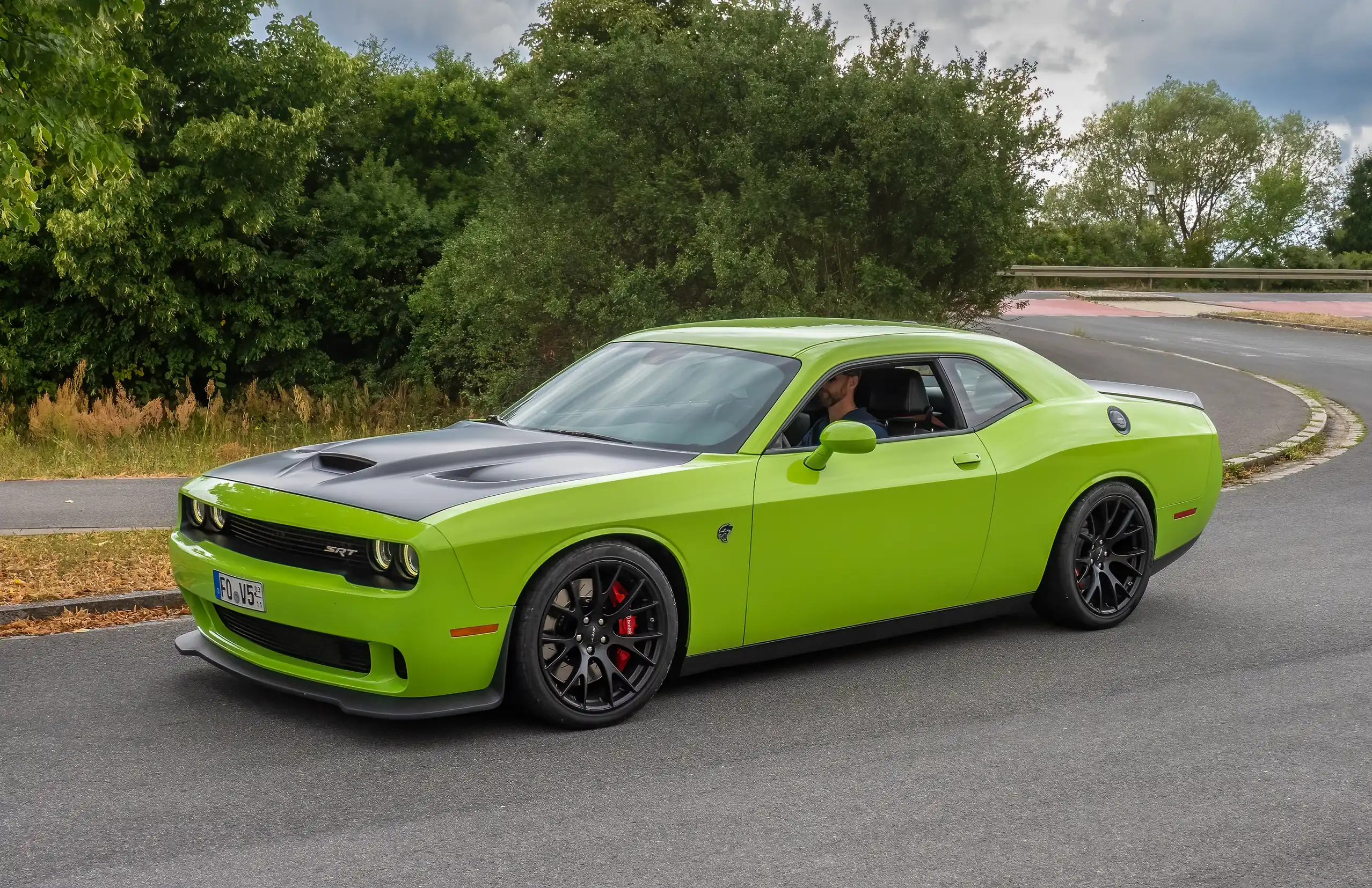
The Dodge Challenger from 1978 to 1983 marked a tough time for American muscle cars. During this period, most cars were underpowered due to new emissions standards and fuel economy concerns.
With a base engine offering just 105 horsepower, the Challenger struggled to compete. The sporty image it aimed for was overshadowed by weak performance and rising fuel prices.
Sales dropped dramatically, and by 1983, Dodge ceased production of this generation. Nearly 17,000 units were sold in its peak year, showing just how far the iconic brand had fallen during these challenging times. If you’re into automotive history, it’s a fascinating case of how market shifts affected beloved models.
Ford Mustang II

The Ford Mustang II hit the market during the oil crisis of the 1970s. It was designed to be smaller and more fuel-efficient than its predecessors.
You’d find options like a 2.3-liter four-cylinder engine, which produced just 88 horsepower. The V-8 wasn’t much better at 129 horsepower with a two-barrel carburetor.
While Ford hoped the Mustang II would boost sales, it ultimately didn’t resonate with fans. The design was based on the unpopular Pinto, which didn’t help its image at all.
Chevrolet Monza
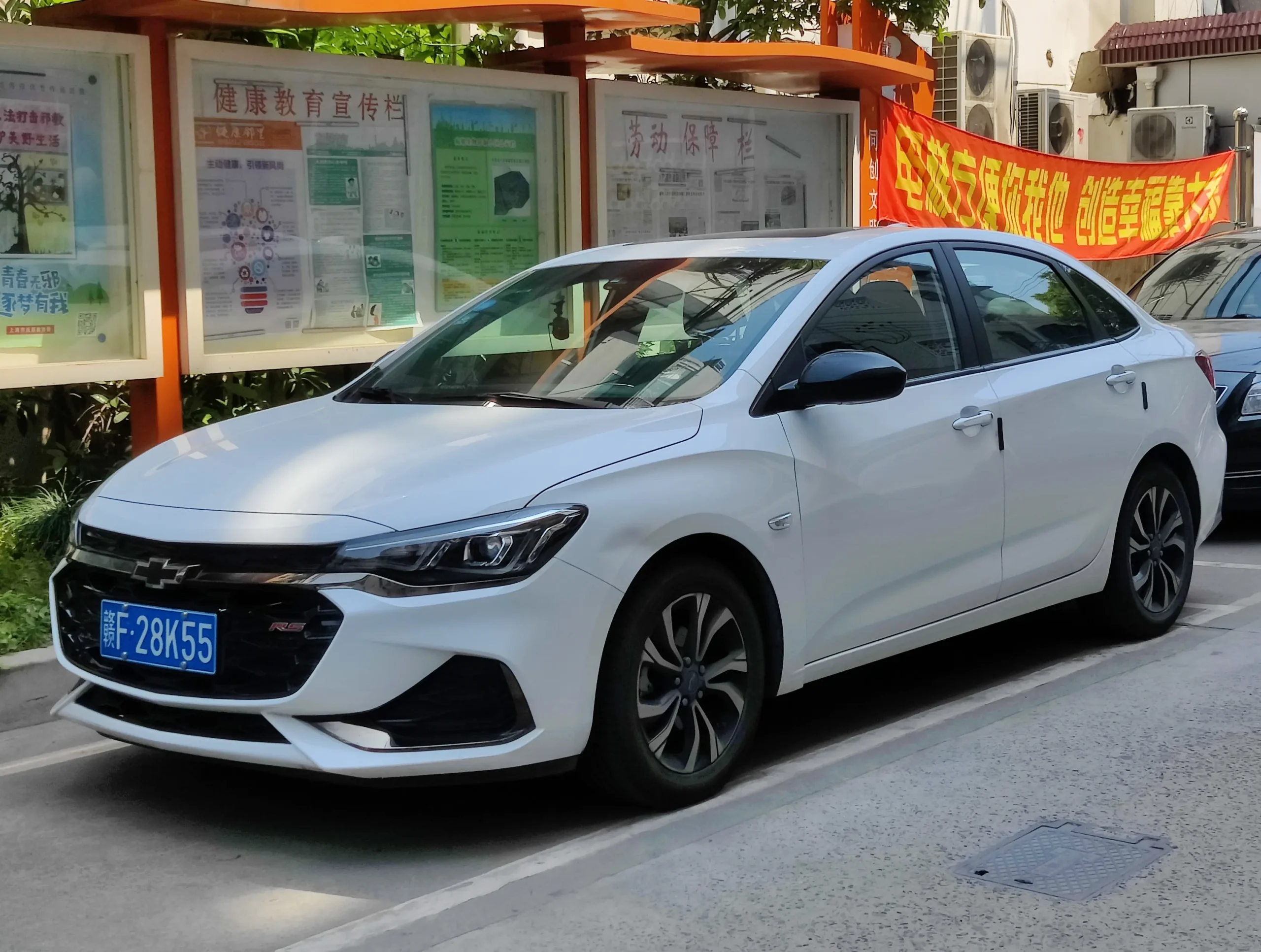
The Chevrolet Monza hit the market in 1975 and lasted until 1980. It aimed to compete with the growing compact car segment but struggled to make a real impact.
You could get it with a 262 cubic inch V8, which generated around 110 horsepower. That wasn’t enough to satisfy enthusiasts looking for performance.
While it sold decently, the Monza is often remembered more for its lackluster appeal than any standout features. It ended up being seen as a disappointment among pony cars.