
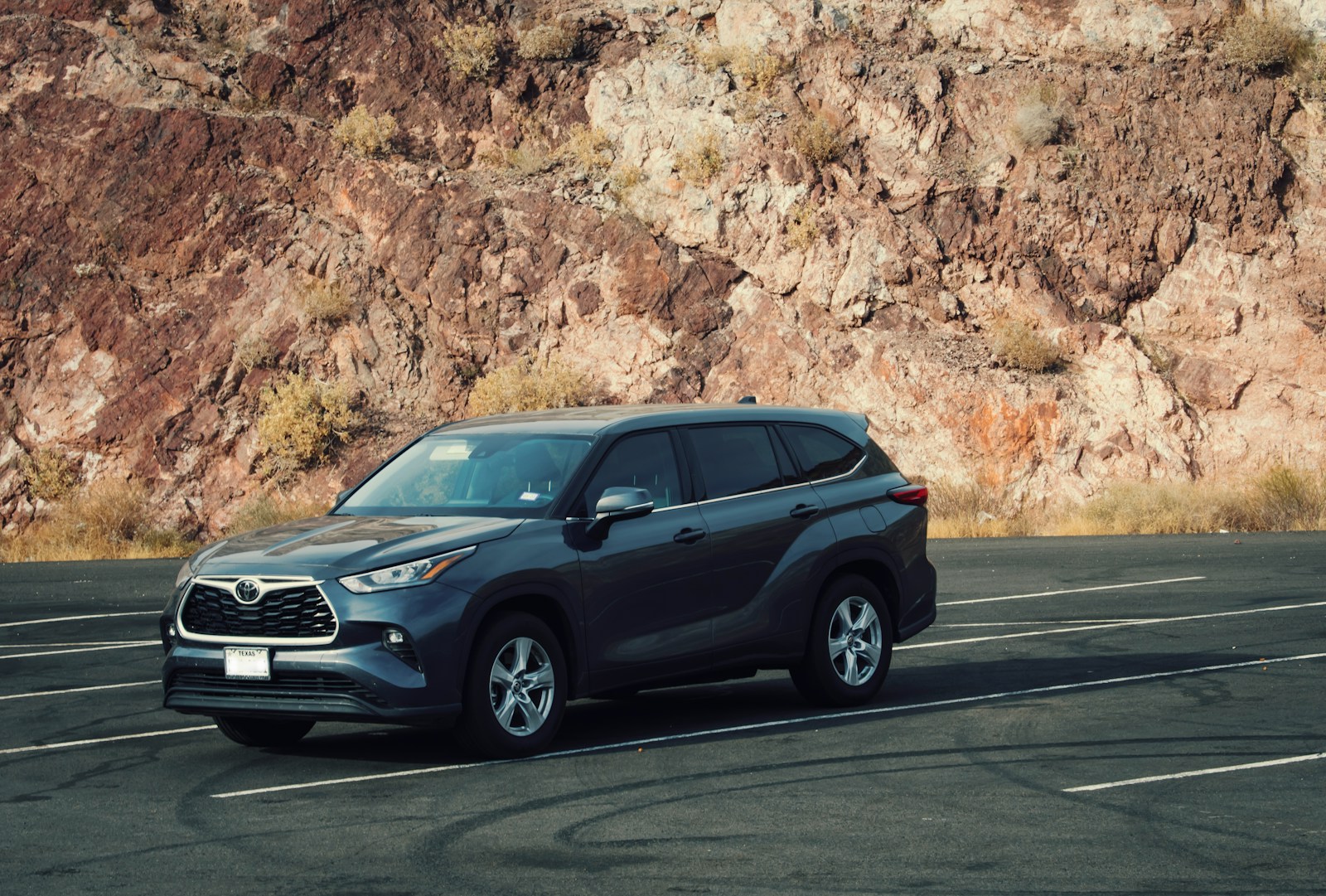

Toyota is recalling a small batch of its newest Highlander and Highlander Hybrid SUVs after discovering a problem with the way a third row seat belt anchor was installed. The issue affects the center seating position in the back row, a spot often used by children and other vulnerable passengers, and raises questions about how even a limited defect can ripple through a company known for its safety record. While only a narrow slice of vehicles is involved, the recall highlights how modern safety systems depend on precise assembly down to a single bolt.
Owners of affected vehicles are being asked to bring their SUVs in so technicians can inspect and, if needed, correct the installation of the third row center seat belt anchor. The fix is straightforward, but the stakes are not, because a misrouted or loose anchor can compromise the restraint system in a crash. Regulators in the United States and Canada have both flagged the problem, and Toyota is now working through the formal recall process to reach every owner whose vehicle might be at risk.
Scope of the Highlander and Highlander Hybrid recall
The recall centers on a very specific slice of Toyota’s midsize SUV lineup, focusing on Highlander and Highlander Hybrid models from the latest generation. According to detailed recall notices, the affected vehicles are from model years 2024 and 2025, which means they are among the newest examples on the road and likely still under factory warranty. That timing matters, because many of these SUVs are in family duty cycles, carrying full loads of passengers in all three rows.
Reporting on the campaign notes that Toyota has identified exactly 39 Highlander and Highlander Hybrid SUVs in the United States that fall under the recall. Regulatory data tied to NHTSA Recall ID 25V872 lists the Make as TOYOTA, the Model as HIGHLANDER and HIGHLANDER HYBRID, and the Model Years as 2024–2025, underscoring how narrowly targeted the campaign is. Even with such a small number of vehicles, the recall process follows the same formal path as a much larger campaign, reflecting how safety regulators treat any seat belt defect as a high priority.
What triggered the investigation into the seat belt anchor
The underlying problem traces back to how the third row center seat belt anchor was installed at the factory. Internal reviews by Toyota Motor Engineering and Manufacturing found that on a limited number of vehicles, the anchor for the center position in the third row was not secured correctly to the vehicle structure. That discovery prompted the company to notify regulators and begin mapping out which production batches might contain the defect.
Regulatory filings describe how Toyota Motor Engineering, Manufacturing (Toyota) is recalling certain 2024–2025 Highlander and Highlander Hybrid vehicles because of an incorrectly installed third row seat belt anchor. In Canada, a parallel notice explains that on a small number of vehicles, the bolt that secures the third row center seat belt anchor to the roof may not be properly tightened, a detail that aligns with the U.S. description of an installation error. Together, these documents show that the recall is rooted in a specific assembly issue rather than a design flaw in the belt hardware itself.
How the third row center seat belt is supposed to work
In a three row SUV, the center seat in the back row is often the most complex seating position from a safety engineering standpoint. The belt must route from the roof or side pillar down to the buckle in a way that keeps the lap portion low across the hips and the shoulder portion across the chest, even as the seat folds or slides. For the Highlander and Highlander Hybrid, the third row center belt relies on an upper anchor point that is bolted into the roof structure, which then works with the retractor and buckle to restrain the occupant in a crash.
Transport Canada’s recall documentation notes that the Issue involves the seat belt upper anchor bolt for the third row center position. If that bolt is not properly tightened, the anchor can move or detach under load, which undermines the belt’s ability to keep the occupant in place. In normal driving, a loose anchor might not be obvious, but in a sudden stop or collision, the forces on that single bolt can be extreme, making correct installation essential to the belt’s performance.
Safety risks if the anchor is installed incorrectly
Seat belts are designed to manage crash forces by spreading them across the strongest parts of the body and keeping occupants from striking interior surfaces or being ejected. When an anchor point is loose or mispositioned, the belt can slacken or shift, allowing the occupant to move farther than intended. In the case of the Highlander and Highlander Hybrid recall, a compromised third row center anchor could mean that the person in that seat does not receive the full protection the restraint system is engineered to provide.
Regulators warn that if the third row center seat belt anchor is not properly secured, it may not restrain the occupant correctly in a crash, increasing the risk of injury. The Canadian notice explains that a loose upper anchor bolt could cause the belt to detach from the roof, while U.S. filings describe an incorrectly installed anchor that may not perform as designed. Both sets of documents emphasize that even though the number of affected vehicles is small, the potential consequence in a severe collision is serious enough to justify a formal recall and immediate inspection.
How owners can check whether their SUV is affected
For owners, the first step is confirming whether their specific Highlander or Highlander Hybrid is part of the campaign. Every recall is tied to individual Vehicle Identification Numbers, so two seemingly identical SUVs sitting side by side on a driveway may not share the same status. Toyota directs customers to its online recall lookup, where entering a VIN will show any open safety campaigns that apply to that vehicle.
Drivers can use the company’s dedicated recall portal by visiting Toyota recall information online and entering their VIN to see if their SUV is included. In addition, federal regulators maintain their own databases keyed to NHTSA Recall ID numbers, such as 25V872 for this campaign, which can be cross checked against the vehicle’s details. Owners who are unsure how to locate their VIN or interpret the results are encouraged to contact a dealer for assistance, since confirming recall status is a critical step before deciding how urgently to schedule service.
What Toyota and dealers will do to fix the problem
Once a vehicle is identified as part of the recall, the remedy is handled through Toyota’s dealer network. Technicians will inspect the third row center seat belt anchor, verify that the bolt is present and properly tightened, and correct the installation if it does not meet specifications. Because the issue involves access to the roof anchor and interior trim, the work is best performed in a service bay with the proper tools and torque specifications.
Coverage of the campaign stresses that Toyota will never charge for recall repairs, a point reiterated in guidance that explains how dealers will inspect and, if necessary, repair the affected seat belt anchor at no cost to the owner. One detailed overview of the recall notes that Toyota Recalls Highlander, Highlander Hybrid Over Seat Belt Issue and that the company will never charge for recall repairs, underscoring that safety campaigns are treated differently from routine maintenance. Owners can expect the visit to involve an inspection and, if needed, reinstallation or replacement of the anchor hardware to restore full belt performance.
How Toyota is communicating with customers
Automakers are required to notify owners of safety recalls, but the effectiveness of that communication can vary depending on how quickly and clearly the message reaches people. In this case, Toyota is using a combination of mailed notices, digital tools, and customer support channels to alert Highlander and Highlander Hybrid drivers whose vehicles fall under the campaign. The goal is to ensure that all 39 affected SUVs are brought in promptly for inspection.
Company guidance points owners toward the Toyota Customer Experience Center for more information about recalls, including this one. Customers can call the listed phone number to ask questions about their vehicle’s status, schedule service, or clarify what the inspection involves. That centralized support, combined with the online VIN lookup and dealer outreach, forms a multi channel approach aimed at closing the gap between a formal recall announcement and an actual repair in the service bay.
Regulatory oversight in the U.S. and Canada
The Highlander seat belt campaign illustrates how safety oversight crosses borders when a defect affects vehicles sold in multiple markets. In the United States, the National Highway Traffic Safety Administration tracks the issue under NHTSA Recall ID 25V872, with detailed tables listing the Make as TOYOTA, the Model as HIGHLANDER and HIGHLANDER HYBRID, and the Model Years as 2024–2025. Those entries ensure that the recall is searchable in federal databases and that consumers, insurers, and safety advocates can monitor its progress.
North of the border, Transport Canada has issued its own recall notice, identified as 2025694, that describes the same problem with the third row center seat belt upper anchor bolt. The Canadian document explains that the Issue involves a bolt that may not be properly tightened, which could affect the belt’s performance in a crash. Together, the U.S. and Canadian actions show how regulators coordinate with Toyota to ensure that Highlander and Highlander Hybrid owners on both sides of the border receive consistent information and access to repairs.
Why a small recall still matters for Toyota’s safety reputation
On paper, a recall that covers only 39 vehicles might seem minor compared with the massive campaigns that sometimes sweep across entire model lines. Yet for Toyota, even a small safety issue touches on its broader reputation for reliability and careful engineering. The Highlander and Highlander Hybrid are core family vehicles, and any question about the integrity of a seat belt in the third row center seat cuts directly to consumer trust.
Coverage of the campaign, including analysis By Sean Tucker, frames the recall as an example of how quickly a modern automaker must respond when a defect is identified, even if the number of affected vehicles is small. The fact that Toyota and regulators moved to formalize the recall, assign an NHTSA Recall ID, and issue detailed notices in both the U.S. and Canada signals that the company is willing to address safety concerns proactively. For owners, that responsiveness is as important as the raw defect count, because it shows that a single misinstalled bolt in a third row seat belt anchor is treated with the seriousness it deserves.
What Highlander owners should do next
For anyone driving a 2024 or 2025 Highlander or Highlander Hybrid, the practical steps are straightforward. First, check the vehicle’s recall status using the online VIN lookup or by contacting a dealer, even if no letter has arrived in the mail yet. Second, if the SUV is part of the campaign, schedule an appointment promptly so technicians can inspect the third row center seat belt anchor and correct any installation issues.
Owners who want a broader view of how this campaign fits into the current safety landscape can review summaries of Jan recall activity, which place the Highlander and Highlander Hybrid issue alongside other recent automotive safety actions. While the number of affected SUVs is limited, the recall is a reminder that safety systems depend on precise assembly and that even a single bolt in a third row seat belt anchor can be the difference between a routine crash and a preventable injury. Prompt action by owners, dealers, and Toyota closes that gap and restores the level of protection drivers expect from a modern family SUV.
More from Wilder Media Group: