
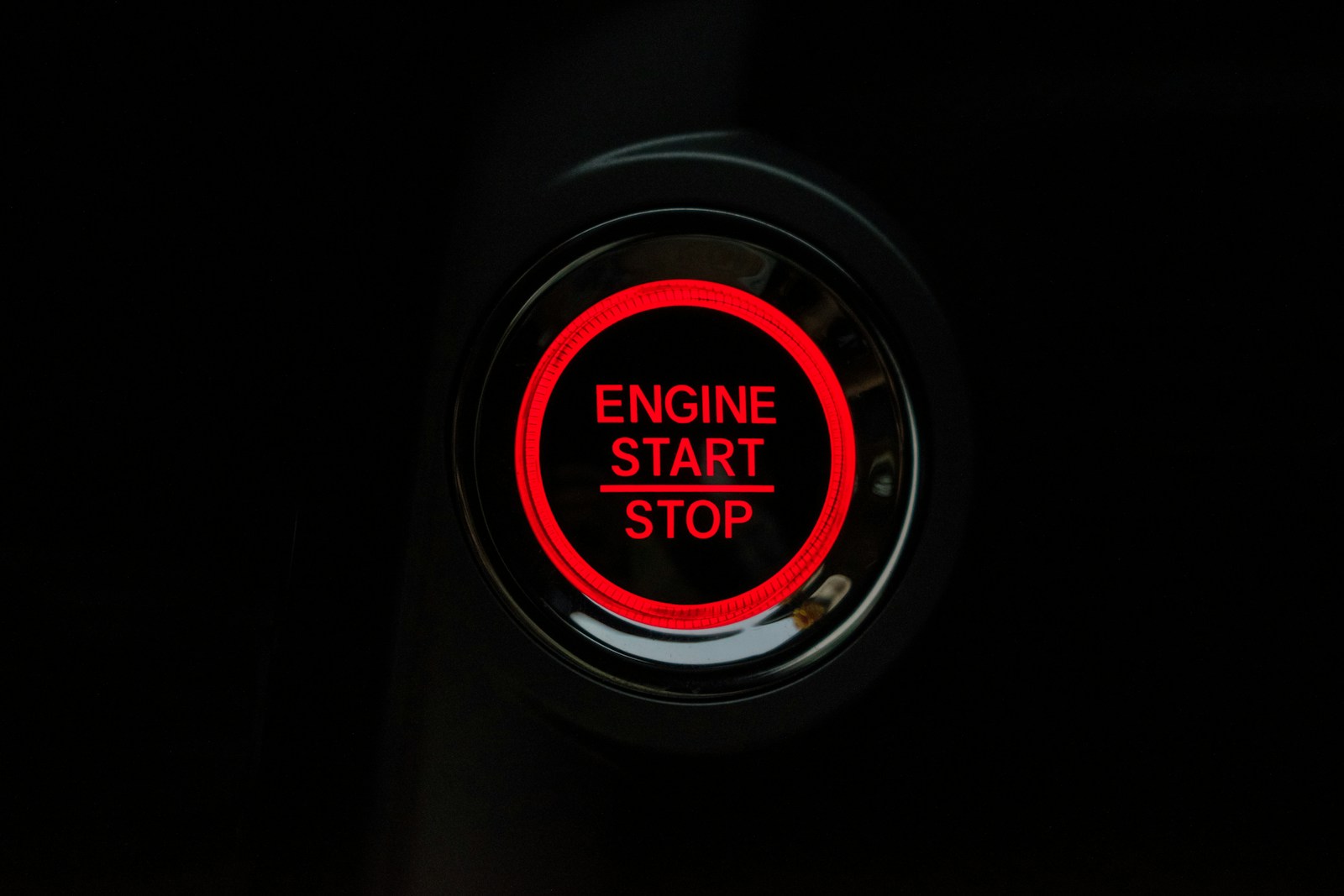

For more than a decade, auto start/stop systems were sold as a clever bridge between old-school combustion and a lower-emissions future. Now the feature is quietly disappearing from option sheets and powertrain brochures, a casualty of changing regulations, irritated drivers, and rapid electrification. The technology that once symbolized incremental progress has become a victim of its own compromises, as regulators and carmakers pivot to solutions that cut more carbon with fewer headaches.
The retreat is not happening because engines suddenly forgot how to restart at traffic lights, but because the political, technical, and market logic that once propped up start/stop has collapsed. What is replacing it is not a better version of the same idea, but a wholesale shift toward hybrids and full battery power that makes the old on‑off trick look like a relic of a different policy era.
From clever hack to least-loved feature
Start/stop systems were originally pitched as a simple way to trim fuel use by shutting the engine off at idle, then firing it back up when the driver released the brake. In the early 2010s, that promise fit neatly into a regulatory world that rewarded any measurable efficiency gain, and automakers leaned on the technology to squeeze out extra miles per gallon and qualify for emissions credits. Reporting on the feature’s arc notes that it was “once hailed as a clever” way to meet rules and secure the kind of credits that helped encourage it, especially in mainstream models that could not justify the cost of full hybridization.
Drivers, however, never really embraced the compromise. Owners of everything from compact crossovers to luxury sedans complained about the shudder when the engine cut out, the lag when it restarted, and the sense that the car was second‑guessing their inputs in stop‑and‑go traffic. Surveys and anecdotal feedback consistently ranked start/stop among the least-liked modern features, and many buyers learned to dive into menus or hit dashboard buttons to disable it on every trip. That persistent frustration is reflected in coverage that describes how Why Drivers Never Liked Start and how the system became shorthand for everything people resent about additions to modern cars.
Regulators turned from cheerleaders to critics
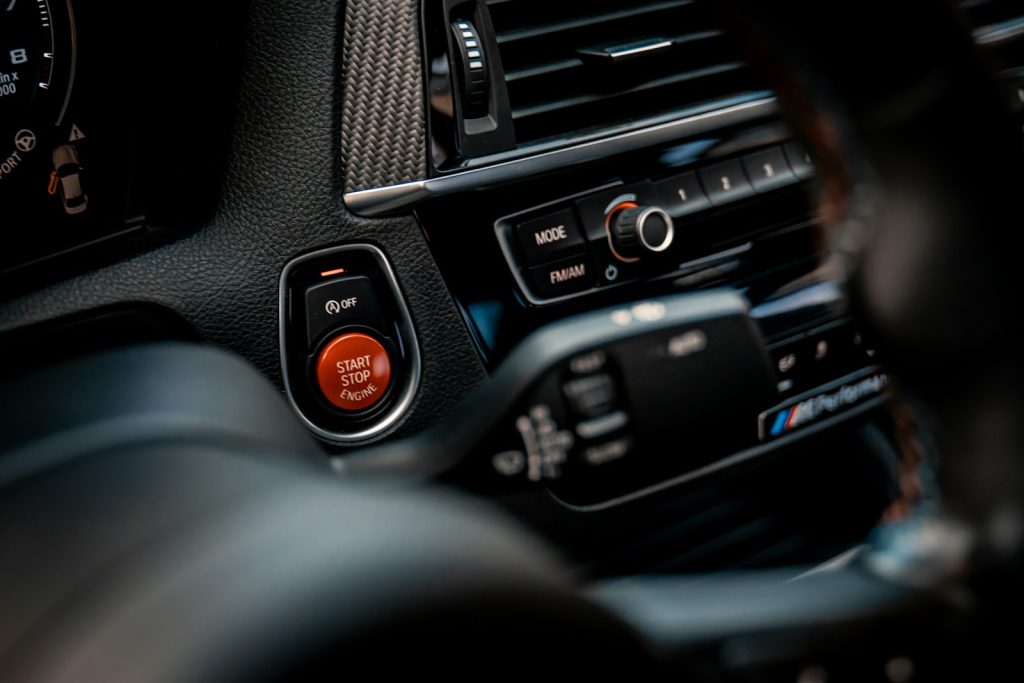
The regulatory environment that once made start/stop attractive has flipped, and that shift is central to the feature’s demise. The U.S. Environmental Protection Agency, which previously counted the technology toward compliance, has begun to frame it as a distraction from deeper cuts in tailpipe pollution. Earlier in 2025, the EPA signaled that it wants to end fuel economy credits for basic idle‑cut systems, with officials describing the feature as a kind of “climate participation trophy” that lets manufacturers claim progress without transforming their powertrains. The agency’s evolving stance is clear in proposals where the EPA takes aim at start-stop systems and explicitly moves to strip away the regulatory perks that once justified their cost.
That policy turn has been reinforced at the top of the agency. EPA chief Lee Zeldin has publicly questioned the value of stop‑start technology, aligning himself with drivers who see it as intrusive and marginal in climate terms. In coverage of his comments, stop‑start is described as “under fire from some consumers and the EPA,” and the technology is defined in plain terms as a system “which turns off an engine when a vehicle is stopped and restarts it when the driver releases the brake.” By casting doubt on the climate payoff of that basic on‑off cycle, Zeldin has signaled that the agency expects automakers to move beyond what one report on Stop-start car engine tech calls a narrow intersection of transportation and technology and toward more transformative electrified platforms.
Mechanical tradeoffs and driver anxiety
Beyond politics, the feature has always carried a mechanical asterisk that made some owners uneasy. Start/stop systems rely on beefed‑up starters, batteries, and lubrication strategies to cope with the constant cycling of the engine, and while engineers designed around those stresses, the perception that all that cranking must be “bad” for the motor never really faded. Dealer‑level explanations of the technology acknowledge that the Auto Stop‑Start feature can affect various engine components, including the starter, battery, and ignition system, even as they stress that the hardware is upgraded to handle the load. One technical overview notes that The Auto Stop-Start feature can impact various engine components while also reducing a vehicle’s carbon footprint over time, a tradeoff that never fully reassured skeptical buyers.
Those concerns fed into a broader sense that start/stop was a half‑measure that delivered the downsides of electrification without the smoothness or savings of a true hybrid. Owners of vehicles like the Ford F‑150, BMW 3 Series, and Jeep Grand Cherokee often reported that they turned the system off out of habit, especially in heavy traffic or during quick maneuvers where any hesitation felt risky. That behavior undercut the real‑world emissions benefit and made it harder for automakers to defend the feature as anything more than a lab‑cycle trick. Consumer advocates and commentators picked up on that disconnect, with one analysis bluntly summarizing the mood as “everyone hates it,” a sentiment echoed in coverage that celebrates the prospect that Hallelujah, Start, Stop May Be Going Away as automakers quietly phase it out of new lineups.
Market signals: from growth story to dead end
For a time, the business case for start/stop looked solid. Suppliers invested heavily in enhanced starters, absorbent glass mat batteries, and control software, betting that every new combustion car would eventually need the technology to meet tightening rules. Market research described a global automotive start‑stop system sector with strong regional momentum, particularly in Europe where urban congestion and emissions standards made idle‑cut systems attractive. One forecast of the Automotive Start-Stop System Regional Synopsis highlighted how the expansion of the European market was expected to drive the worldwide share in 2026, underscoring how central the technology once seemed to the near‑term future of combustion cars.
That growth narrative has been overtaken by the speed of electrification. As mild hybrids, full hybrids, and battery electric vehicles capture a larger share of sales, the incremental gains from start/stop look less compelling to both regulators and consumers. Carmakers that once touted the feature now prefer to market seamless hybrid systems that keep accessories running and propulsion ready without the jolt of a restarting engine. In that context, the start/stop supply chain begins to look like a stranded asset, a set of components optimized for a regulatory regime that is already being replaced by zero‑emission mandates and fleet‑wide CO₂ targets. The same market analyses that once emphasized “Increased” adoption now read like snapshots of a peak that has already passed, as investment and engineering talent migrate to electric drive units and high‑voltage batteries instead.
What replaces start/stop in the next generation of cars
With regulators pulling back credits and buyers rejecting the experience, automakers are not trying to rescue start/stop so much as leapfrog it. The emerging default for efficiency‑minded combustion models is the 48‑volt mild hybrid, which uses a belt‑driven starter‑generator to smooth out restarts and provide a small electric boost under acceleration. In practice, that means the engine can shut off more often and for longer periods, including while coasting, without the harshness that defined earlier idle‑cut systems. At the same time, full hybrids and plug‑in hybrids allow the engine to stay off entirely at low speeds, turning what used to be a jarring on‑off cycle into an almost invisible handoff between electric and combustion power. Analysts who once tracked the growth of start/stop now frame it as a stepping stone that is being rapidly overtaken by these more sophisticated architectures, a view echoed in pieces like Why It, Finally Going Away that link its decline directly to the rise of electrified drivetrains.
For drivers, the shift means that the next wave of efficiency tech will feel less like a nagging nanny and more like an invisible upgrade. Instead of a dashboard button to defeat an annoying feature, buyers will see drive modes that blend regenerative braking, engine‑off coasting, and electric creep in traffic, all while keeping climate control and infotainment running smoothly. The political narrative is changing too: rather than handing out small rewards for marginal gains, agencies like the EPA are steering the industry toward wholesale decarbonization, a direction reinforced by statements from leaders such as Lee Zeldin and by proposals that explicitly target start/stop credits. In that environment, the old idle‑cut system looks less like a victim of bad engineering and more like a casualty of a policy and market shift that has moved on to bigger, cleaner ambitions.
More from Wilder Media Group: